Introduction
Chiang Mai sits in a broad river valley ringed on three sides by mountains that rise into cool, mist-wrapped highlands sheltering some of Thailand's most dramatic scenery and most culturally distinct communities. This is the gateway to a mountain world entirely unlike the beach resort Thailand of postcards and package tours — a world of steeply forested slopes, terraced rice paddies carved into hillsides at impossible angles, waterfalls cascading through layers of jungle canopy, and villages where Hmong, Karen, Akha, and Lisu communities have maintained their distinct cultural traditions for generations. The mountains around Chiang Mai offer adventure in the truest sense: treks through national park wilderness to Thailand's highest summit, descents through river canyons by kayak, mornings spent at ethical elephant sanctuaries watching rescued animals roam free, and cycling routes through orchid farms and coffee plantations at elevations where the air carries an earthy coolness that makes every breath feel like a reward. The city itself is merely the launchpad — the real discoveries lie an hour or two beyond its edges, in landscapes that demand your legs, your lungs, and your full attention.
Overview
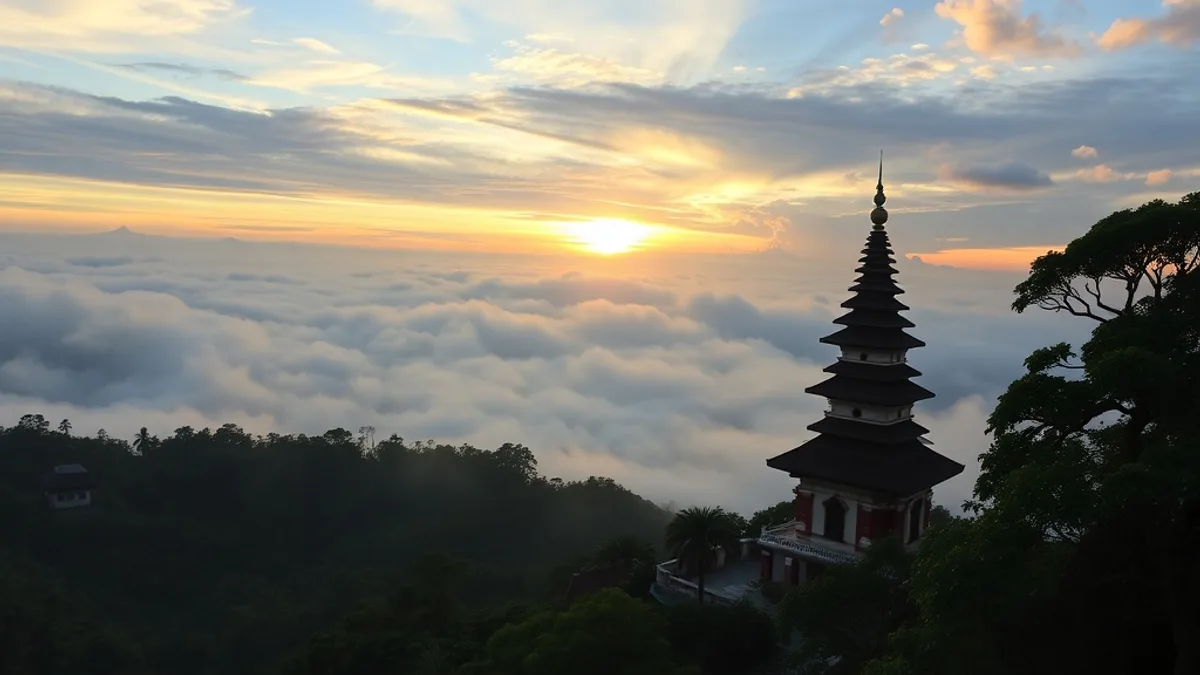
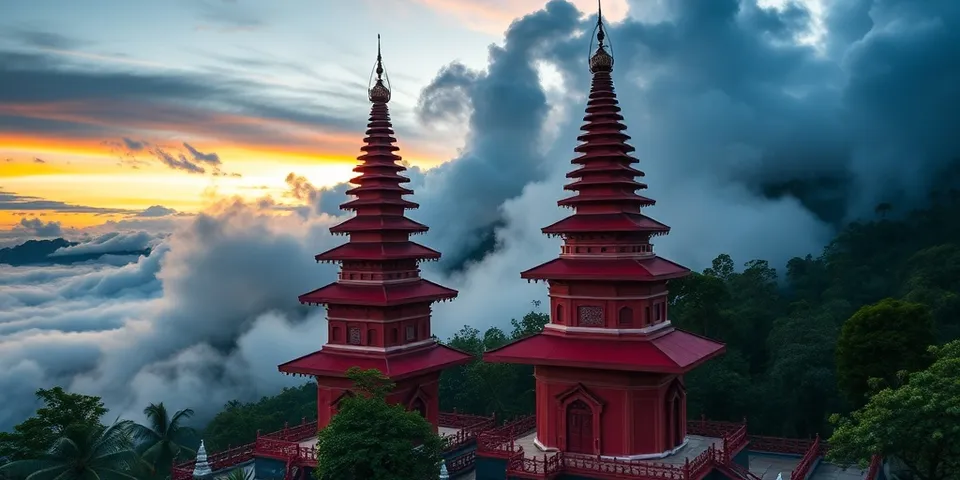
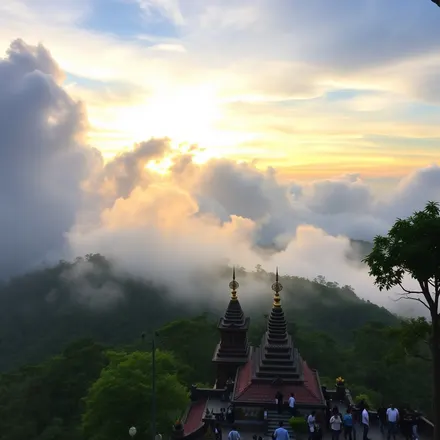
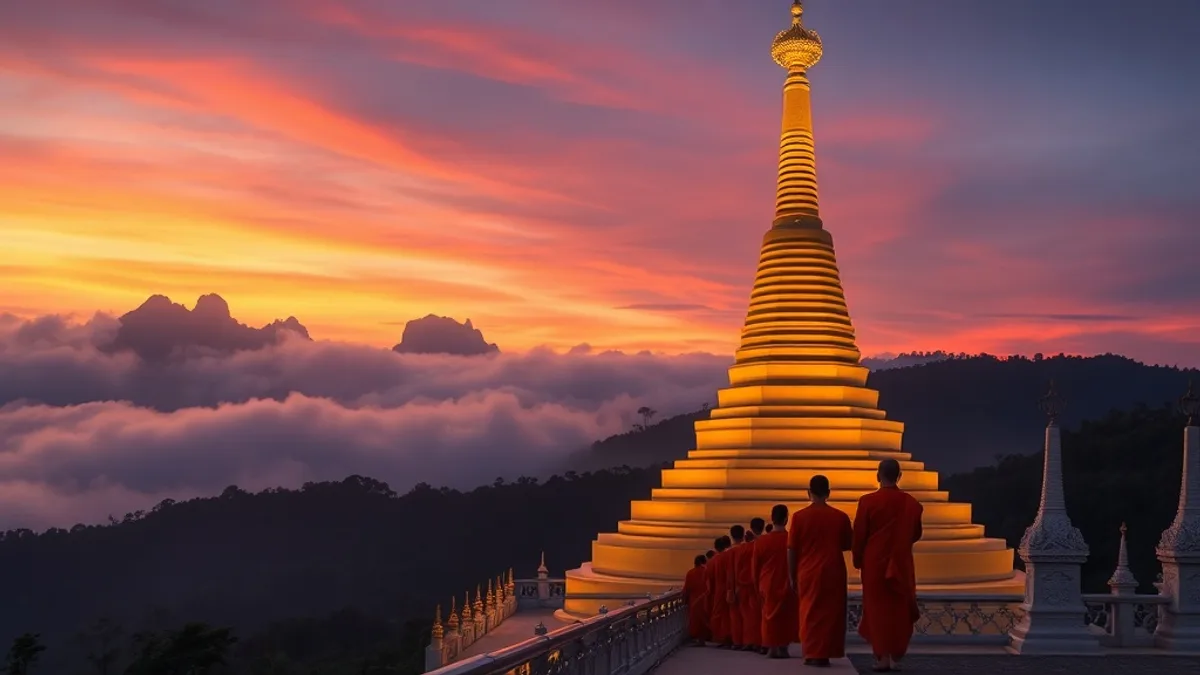
Doi Inthanon National Park is the crown jewel of the Chiang Mai mountain adventure circuit and one of Thailand's most rewarding natural destinations. The park encompasses Thailand's highest peak — Doi Inthanon, which reaches 2,565 metres above sea level — along with a remarkable diversity of ecosystems compressed into a vertical journey from lowland tropical forest to montane cloud forest with temperatures that can dip below 5 degrees Celsius at the summit on winter mornings. The approach road to the summit winds through the park for approximately 48 kilometres from the park entrance, passing through several major attractions along the way: Wachirathan Waterfall, a powerful 70-metre cascade that runs strongest from August to October, and Mae Ya Waterfall, a broader multi-tiered cascade set within a particularly beautiful section of forest that many park rangers consider the most photogenic waterfall in Thailand. The summit area itself rewards the earliest possible arrival — the sunrise over a sea of cloud that fills the valley below is a visual experience that few places in the country can match, and the twin Royal Chedis built in honour of King Bhumibol and Queen Sirikit stand against the high-altitude sky with a dignified grandeur that is amplified by the surrounding mist and the formal gardens planted around their bases.
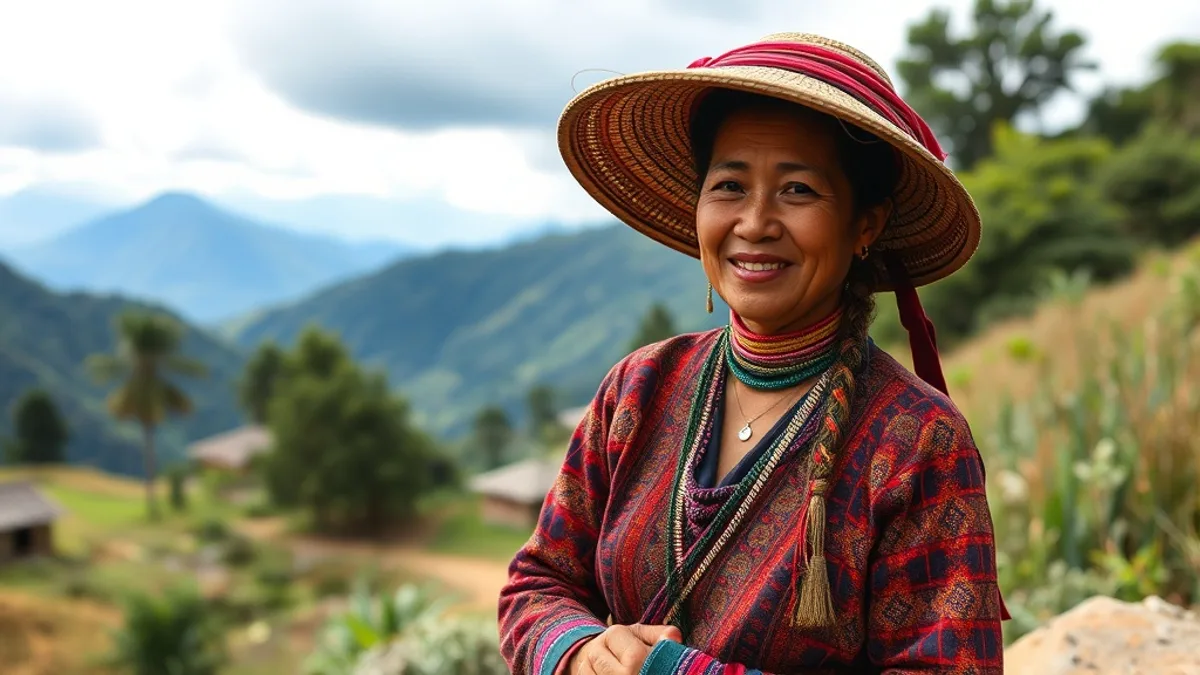
Within the park's boundaries, the mountain's slopes are home to Hmong and Karen hill tribe communities whose villages can be visited as part of guided trekking programmes organised from Chiang Mai. The ethical dimension of hill tribe tourism in northern Thailand requires careful attention — the most responsible approach is to choose operators who compensate communities directly, respect village protocols around photography and homestay etiquette, and provide context rather than spectacle. The best operators run small groups (maximum eight people), employ local guides from the communities themselves, and combine cultural engagement with genuine trekking rather than rushed drive-by visits. A full-day Doi Inthanon trek with an ethical operator costs approximately 1,800-2,500 THB per person and typically covers 12-18 kilometres of trail through forest and community land.
Beyond Doi Inthanon, the broader mountain landscape around Chiang Mai hosts a growing network of adventure activities that have matured significantly over the past decade. Ziplining operations in the forest canopy northwest of the city — particularly the Flight of the Gibbon network — run courses of 30 to 40 platforms through the upper forest canopy, with total course lengths exceeding 3 kilometres and individual zip lines reaching 800 metres. Mountain biking has developed into a serious pursuit in the hills behind Chiang Mai, with the trails on Doi Suthep and in the Mae Rim valley providing everything from gentle gravel road riding to technical single-track demanding significant skill. Half-day and full-day bike tours of the mountain circuit are available from operators in the city from approximately 1,500-2,200 THB including transport and equipment.
The elephant sanctuary scene around Chiang Mai has undergone a substantial ethical transformation over the past decade, driven partly by international pressure and partly by a genuine shift in local operator values. The best-regarded sanctuaries — including Elephant Nature Park in the Mae Taeng Valley, Elephant Jungle Sanctuary in Mae Wang, and the smaller community-run sanctuaries near Chom Thong — operate on rescue and rehabilitation models where elephants live in forest environments and human interaction consists of feeding, bathing, and observation rather than riding. Day visit prices at ethical sanctuaries run 2,500-3,500 THB and multi-day volunteer programmes are available at several sites for those who want deeper engagement. The contrast with the declining number of riding operations — still visible on tourist strips but increasingly marginalised — is stark and the ethical operators have both the better animals and the more fulfilling visitor experience.
Highlights
- Summit sunrise at Doi Inthanon (2,565m) — Thailand's highest peak with sea of cloud views and below-5°C winter temperatures
- Twin Royal Chedis at Doi Inthanon — spectacular memorial pagodas with formal gardens at 2,200m altitude
- Wachirathan Waterfall — powerful 70-metre cascade at its most dramatic from August to October
- Mae Ya Waterfall — multi-tiered cascade considered the most beautiful in Doi Inthanon National Park
- Ethical elephant sanctuary day visit in Mae Taeng or Mae Wang Valley — feeding, bathing, forest observation without riding
- Ziplining through forest canopy — Flight of the Gibbon network with 30+ platforms and 3km+ total course length
- Hmong and Karen hill tribe village visits with community-based ethical trekking operators from Chiang Mai
- Mountain biking on Doi Suthep trails — gravel roads and technical single-track from 1,500 THB including equipment
- Camping at Doi Inthanon National Park — park campsites at 200-400 THB per night with remarkable highland stars
November to February is ideal for Doi Inthanon and mountain adventures — cool temperatures (5-20°C at altitude), clear skies, and dry trails make trekking and cycling excellent. The summit is often cloud-free for sunrise in December and January. Waterfalls are fullest from August to October after the rainy season but trails can be slippery. March to May is very hot at lower elevations though the summit remains cool. The rainy season (June-October) makes some trails impassable but elephant sanctuaries and ziplines operate year-round. Book ethical elephant sanctuary visits 48-72 hours in advance as spaces are limited.
Practical Information
Cost Level
Doi Inthanon National Park entrance fee: 300 THB for foreigners (plus 30 THB per vehicle). A full-day minivan day trip from Chiang Mai including the park, waterfalls, and chedis costs 1,200-1,800 THB per person from city tour operators. Ethical elephant sanctuary day visits: 2,500-3,500 THB. Ziplining: 3,000-4,500 THB for a full course. Guided hill tribe trekking: 1,800-2,500 THB per day. Mountain bike tours: 1,500-2,200 THB. Camping at the national park: 200-400 THB per night. Budget a full-day mountain adventure at 2,000-4,000 THB depending on activities.
Tips
Bring a warm layer for Doi Inthanon summit visits regardless of season — temperatures drop dramatically above 2,000m and the summit can be below 10°C even in warm months. Apply sunscreen above the treeline where UV exposure is significantly higher than at city level. For hill tribe trekking, choose operators vetted by responsible tourism organisations and ask specifically how community compensation is structured. Book all mountain tours through reputable agencies rather than from touts on the street. Carry more water than you think you need on any jungle trek — dehydration in high humidity is easily underestimated.
Our creators on the ground in Chiang-mai share their best recommendations in their videos.
Creators who cover this spot
Discover YouTube creators who feature this topic in their videos.

Adventures Joel
British adventure vlogger exploring Thailand by motorbike.

Global Travel Mate
Jeroen is a Dutch expat documenting Bangkok's urban landscape through bicycle exploration and cultural observation.

travelventure
Marie & Jan
travelventure – Groesster deutschsprachiger Reise-Creator auf YouTube.
Places in this Guide
Discover the attractions and locations featured in this travel guide.
Explore Chiang Mai
Chiang Mai
เชียงใหม่Chiang Mai is the heart of the digital nomad ecosystem in Southeast Asia. Ancient temples, cool coffee shops and a world...All creators from Chiang Mai →Location & Orientation
Frequently Asked Questions
How do I get to Doi Inthanon National Park from Chiang Mai city?
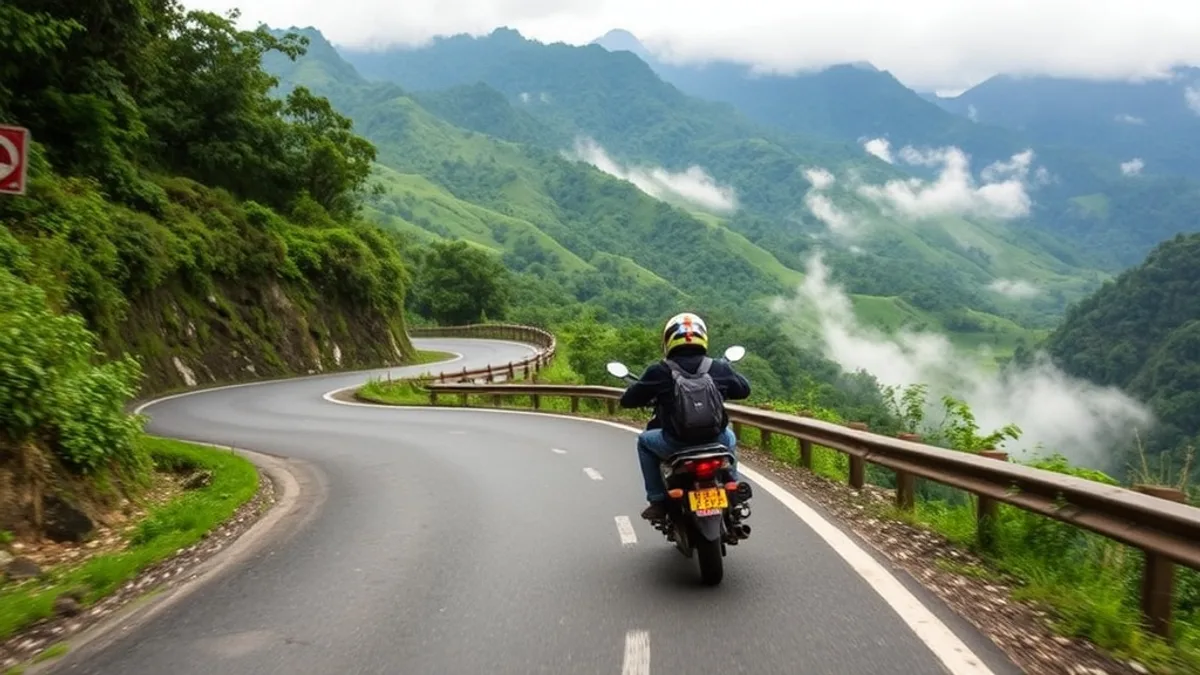
The most common approach is a day tour booked through a Chiang Mai agency — minivan transport, park entrance fees, and a guide are typically bundled for 1,200-1,800 THB per person. Self-driving by rental car or motorbike is another option; the park entrance is approximately 80 kilometres south of Chiang Mai via Route 108 toward Chom Thong, a journey of about 1.5 to 2 hours. Motorbike hire in Chiang Mai costs 150-250 THB per day for a standard scooter, though the steep mountain roads require genuine riding experience. Public transport via songthaew from Chom Thong town to the park entrance is possible but limiting for reaching the summit.
What should I pack for a mountain trekking day trip from Chiang Mai?
For any mountain day trip near Chiang Mai, bring a warm layer or light jacket (essential for Doi Inthanon above 2,000m), waterproof or water-resistant footwear with grip, at least 1.5 litres of water per person, sunscreen and a hat for exposed sections, insect repellent for jungle paths, and a small backpack. A rain poncho or compact waterproof jacket is wise from June through October. For overnight camping at the national park, add thermal layers, a sleeping bag rated to at least 10°C, and a headlamp. Camera lenses collect condensation rapidly in cold cloud forest — bring a lens cloth.
Are the elephant sanctuaries near Chiang Mai genuinely ethical?
The elephant sanctuary market in Chiang Mai includes genuinely ethical operators and operations that use 'sanctuary' branding while still offering problematic activities. The most reliable indicators of a genuinely ethical sanctuary are: no elephant riding (the most important criterion), no elephant performance shows, elephants visible in natural forested habitat rather than confined paddocks, interaction limited to feeding and bathing, and transparent pricing that reflects the cost of genuinely caring for large animals. Elephant Nature Park (founded by Lek Chailert) and several community-run sanctuaries in the Mae Wang area have strong independent verification. Prices below 1,500 THB per day should prompt additional scrutiny.
Is it possible to do Doi Inthanon as a day trip from Chiang Mai?
Yes, Doi Inthanon is very commonly done as a day trip from Chiang Mai and the logistics work well. Most organised day tours depart around 7-8 AM and return by 5-6 PM, covering the summit, the Twin Royal Chedis, and at least one major waterfall in a single day. Self-driving visitors who start early can additionally visit Mae Ya Waterfall and spend meaningful time at each site without rushing. The key limitation of a single day is depth — the park has over 30 kilometres of hiking trails and rewarding birding areas that require multiple days to properly explore. For most visitors, one full day is satisfying and logistically manageable.
What hill tribes can I meet on mountain treks near Chiang Mai?
The mountain areas north and west of Chiang Mai are home to several distinct highland ethnic communities whose villages are accessible on guided treks. Hmong communities maintain village settlements at high elevations and are known for their distinctive embroidered textiles and silver jewellery. Karen communities, the largest highland group in northern Thailand, live at mid-elevations and are associated with traditional weaving and, in some communities, long-neck brass ring traditions. Akha villages further north near Chiang Rai are known for elaborate headdresses. Ethical trekking operators will provide cultural context and community introductions; avoid tour operators who treat villages as photo opportunities without meaningful engagement or compensation.