Introduction
Chiang Mai is home to over 300 Buddhist temples, more than any other city in Thailand, and exploring them is one of the most rewarding experiences the country has to offer. Unlike Bangkok's grand royal temples, Chiang Mai's wats reflect centuries of Lanna Kingdom heritage with their distinctive multi-tiered roofs, teak wood carvings, and serene mountain backdrops. From the golden spire of Doi Suthep perched high above the city to the ancient ruins of Wat Chedi Luang in the heart of the Old City, each temple tells a story of faith, artistry, and northern Thai culture. The temple trail is not simply a checklist of monuments — it is a journey through living religious spaces where monks chant at dawn, locals bring offerings of lotus flowers, and meditation sessions welcome visitors of all backgrounds. This guide maps out the essential temples, the hidden gems, and the practical knowledge you need to explore Chiang Mai's sacred landscape respectfully and thoroughly.
Overview
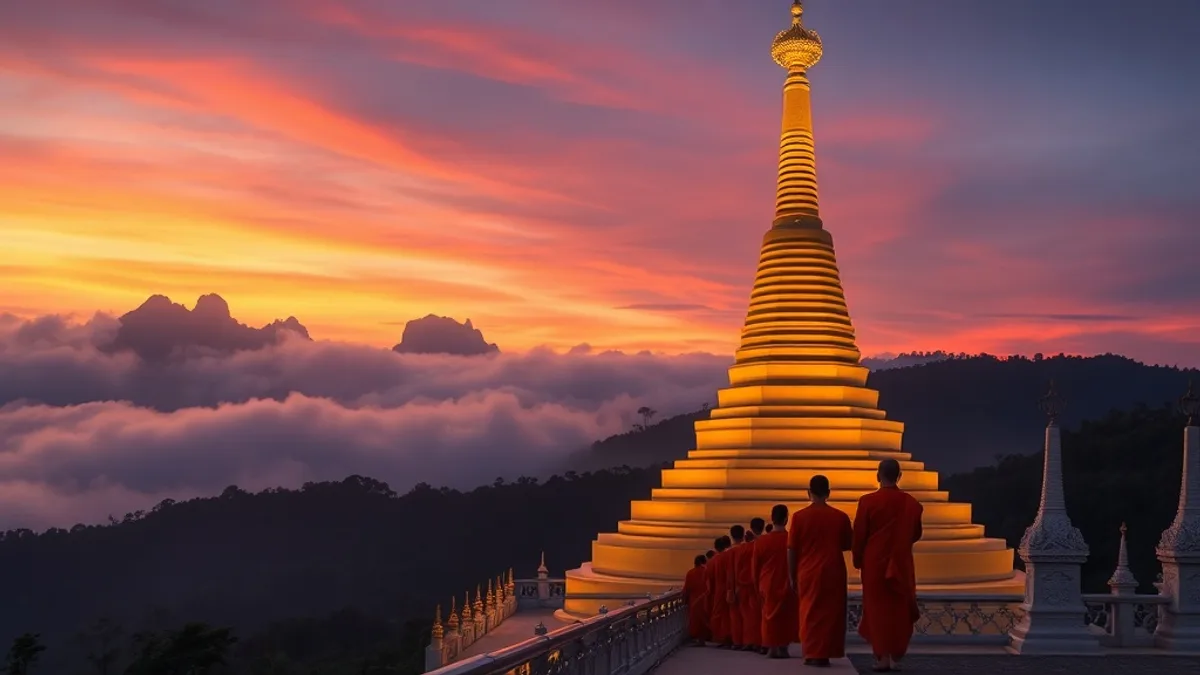
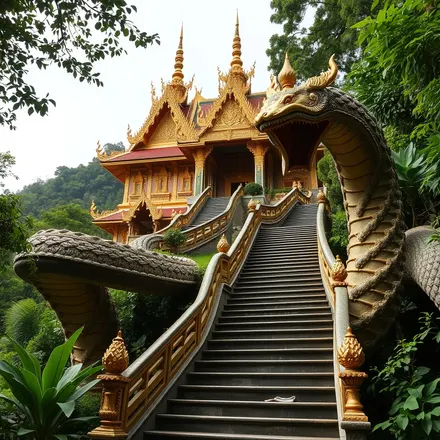
Wat Phra That Doi Suthep stands as Chiang Mai's most iconic temple, set 1,073 meters above sea level on the slopes of Doi Suthep mountain. The approach alone is memorable — 306 naga-flanked steps climb through forest to reach the glittering golden chedi that dominates the complex. On clear days, the terrace offers sweeping views across the entire Chiang Mai valley. The temple houses a relic of the Buddha and remains an active pilgrimage site where Thai visitors make merit by circling the chedi three times with lotus flowers and incense. Early morning visits before 9 AM avoid the tour bus crowds and offer the most atmospheric experience. Within the Old City's ancient moat-ringed square, Wat Chedi Luang commands attention with its partially ruined 15th-century chedi that once stood nearly 90 meters tall before an earthquake brought down the upper section.
The remaining structure is still deeply impressive, and the temple grounds include a massive city pillar shrine, a reclining Buddha hall, and one of Chiang Mai's most popular monk chat programs where ordained monks practice English with foreign visitors. Sessions run most afternoons and offer genuine insight into monastic life. Wat Phra Singh, located at the western end of Ratchadamnoen Road, houses the revered Phra Singh Buddha image in its ornate Lai Kham chapel. The chapel's interior murals depicting scenes of northern Thai life are considered masterpieces of Lanna art. The temple complex sprawls across manicured gardens and includes a scripture library raised on a decorated base to protect the ancient texts from flooding and insects. Wat Umong stands apart from the other temples both geographically and atmospherically.
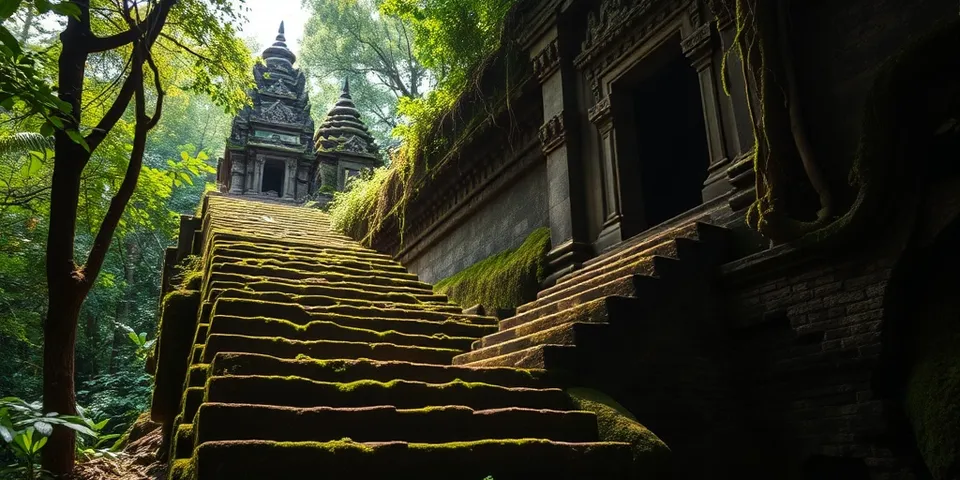
Hidden in a forest setting at the base of Doi Suthep, this 14th-century temple features a network of moss-covered tunnels built to aid a monk suffering from mental distress. The tunnels contain faded murals and lead to a clearing with a ruined chedi and a meditation lake. The grounds are intentionally left wild, with fallen leaves covering paths and philosophical sayings posted on trees throughout the forest. It is one of the most peaceful temple experiences in all of Thailand. Beyond these four anchor temples, the trail extends to Wat Suan Dok with its collection of white chedis containing Lanna royal ashes, Wat Lok Moli with its perfectly proportioned chedi, and the silver temple of Wat Sri Suphan in the artisan quarter where women are not permitted to enter the main chapel. The Sunday Walking Street market on Ratchadamnoen Road passes through multiple temple grounds that open their courtyards as food and craft markets, making it possible to combine temple visits with evening market browsing.
Highlights
- Climb the 306 naga-lined steps to Doi Suthep and witness panoramic views of the Chiang Mai valley
- Explore the atmospheric ruins of Wat Chedi Luang's 15th-century earthquake-damaged chedi
- Admire the masterpiece Lanna murals inside Wat Phra Singh's Lai Kham chapel
- Wander through the moss-covered meditation tunnels of the forest temple Wat Umong
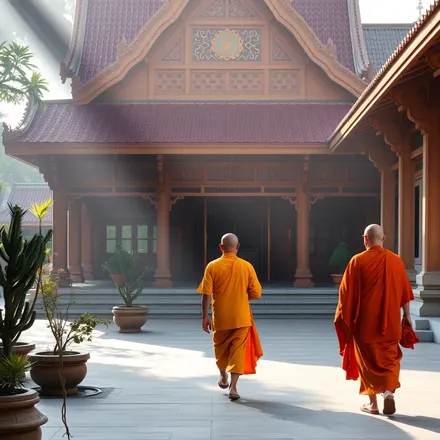
- Join a monk chat session to learn about Buddhist monastic life from ordained monks
- Visit Wat Suan Dok at sunset when the white chedis glow golden against the mountain backdrop
- Browse temple courtyard markets along the Sunday Walking Street on Ratchadamnoen Road
Early mornings between 7-9 AM offer the most atmospheric temple visits with fewer tourists and active monk ceremonies. The cool season from November to February provides the most comfortable walking temperatures. Avoid visiting during midday heat from March to May. The Sunday Walking Street market starts at 4 PM and is best combined with late afternoon temple visits in the Old City.
Practical Information
Cost Level
Most Old City temples charge no entrance fee or request a small donation of 20-40 THB. Doi Suthep charges 30 THB for foreigners. A songthaew ride to Doi Suthep costs 40-60 THB per person each way from the Old City. Hiring a full-day temple tour guide runs 1,500-2,500 THB. Budget approximately 300-500 THB total for a self-guided full-day temple trail including transport and donations.
Tips
Dress respectfully by covering shoulders and knees at all temples. Remove shoes before entering any chapel or building. Women must not touch monks or hand objects directly to them. Carry a light sarong or cover-up in your bag as some temples provide wraps but many do not. Photograph respectfully and never pose with your back to a Buddha image. Turn off phone sounds inside active prayer halls.
Our creators on the ground in Chiang-mai share their best recommendations in their videos.

Places in this Guide
Discover the attractions and locations featured in this travel guide.
Explore Chiang Mai
Chiang Mai
เชียงใหม่Chiang Mai is the heart of the digital nomad ecosystem in Southeast Asia. Ancient temples, cool coffee shops and a world...All creators from Chiang Mai →Location & Orientation

Frequently Asked Questions
How many temples should I visit in one day in Chiang Mai?
Three to four temples in a single day is the sweet spot for most visitors, allowing enough time to genuinely appreciate each site without experiencing temple fatigue. A popular route covers Wat Phra Singh and Wat Chedi Luang in the morning, a lunch break, then Doi Suthep in the afternoon. Wat Umong works well as a standalone half-day visit due to its distance from the Old City and the time needed to explore the tunnels and forest grounds.
What is the dress code for Chiang Mai temples?
All temples in Chiang Mai require visitors to cover their shoulders and knees. Sleeveless tops, shorts above the knee, and revealing clothing are not permitted inside temple buildings. Some major temples like Doi Suthep have wrap-around cloths available for a small deposit, but it is better to come prepared. Lightweight long pants or a below-knee skirt paired with a t-shirt that covers the shoulders is the standard approach. Shoes must be removed before entering any building.
Is the monk chat at Wat Chedi Luang worth visiting?
The monk chat program at Wat Chedi Luang is one of the most unique cultural experiences available in Chiang Mai. Novice and ordained monks sit at tables in a shaded area and welcome visitors to ask questions about Buddhism, Thai culture, and monastic life. The monks genuinely enjoy practicing their English, and conversations often become surprisingly deep and personal. Sessions typically run from 1-5 PM on most days. There is no charge, though donations are appreciated.
How do I get to Doi Suthep temple from Chiang Mai city?
The most common and affordable way to reach Doi Suthep is by shared red songthaew from the gathering point near Chang Phuak Gate or Chiang Mai Zoo. The ride takes about 30 minutes and costs 40-60 THB per person each way. Private songthaews can be negotiated for 300-400 THB round trip with waiting time. Grab car rides cost approximately 200-300 THB one way. Renting a motorbike is another popular option for confident riders, with the winding mountain road taking about 20 minutes.
What is the best time of year to visit Chiang Mai temples?
The cool season from November to February is ideal, with comfortable temperatures between 15-28 degrees Celsius and clear skies. This period coincides with the Loy Krathong and Yi Peng lantern festivals in November, when temples are beautifully decorated. March to May brings intense heat that makes walking between temples exhausting. The rainy season from June to October has fewer tourists and lush green temple grounds, but afternoon downpours can disrupt plans.