Introduction
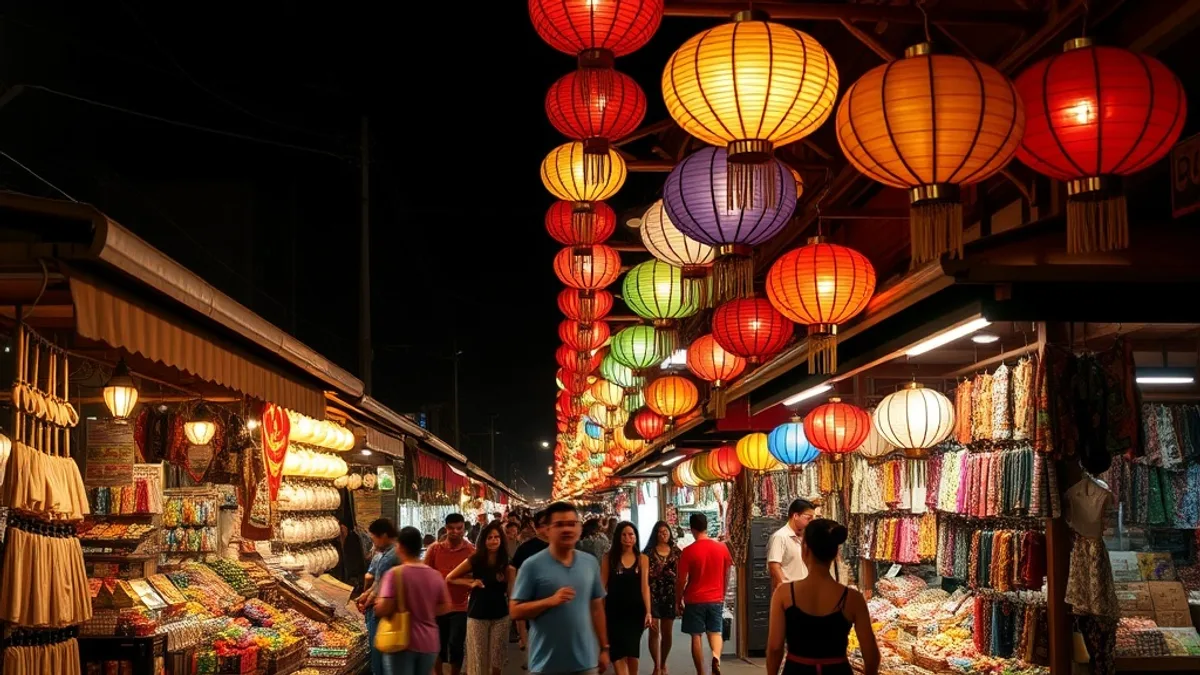
When the heat of the Chiang Mai afternoon begins to soften and the first lanterns flicker on over the pedestrian streets, the city undergoes a transformation that has been drawing travellers for decades. The evening market culture here is not a recent invention designed for tourists — it is woven into the social fabric of the city, a nightly convergence of artisans, farmers, street performers, and shoppers that has been anchored around the Night Bazaar on Chang Khlan Road since the days when caravans from Yunnan stopped here on the old trade routes. Today, Chiang Mai's night market circuit spans multiple neighbourhoods and evenings of the week, from the massive permanent bazaar complex near Loi Kroh Road to the beloved Sunday Walking Street that threads through the heart of the Old City past temple gates and teak shophouses. Each venue has its own personality, its own merchandise hierarchy, and its own atmosphere — together they compose one of the most rewarding evening experiences in Southeast Asia, whether you arrive with a shopping list or simply an appetite for spectacle.
Overview
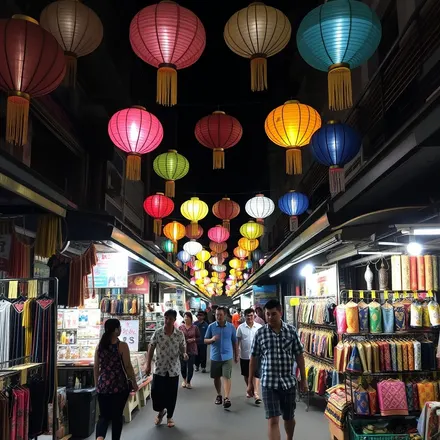
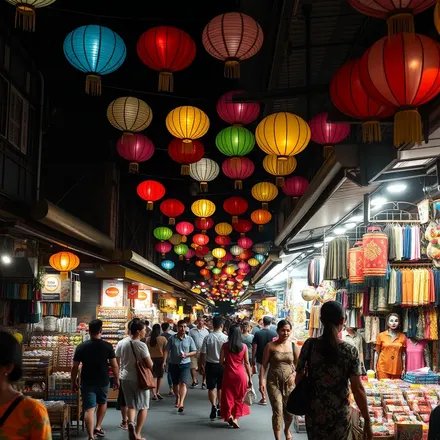
The Night Bazaar on Chang Khlan Road is the commercial anchor of Chiang Mai's evening market scene and the one venue that operates seven nights a week. The complex sprawls across several connected buildings and an outdoor arcade, with hundreds of stalls selling the full spectrum of northern Thai handicrafts: hand-painted silk scarves, teak wood carvings of elephants and spirit houses, lacquerware boxes in black and red with traditional Lanna motifs, hill tribe embroidered bags and cushion covers, hand-hammered silver jewellery, and ceramic work from the pottery villages of the Chiang Mai valley. The quality ranges from genuinely exceptional artisanal work to factory-produced tourist souvenirs, and distinguishing between them is both part of the challenge and part of the skill that experienced shoppers develop after a few evenings. The Kalare Night Bazaar building within the complex houses a large central dining area where dozens of food stalls serve Thai dishes alongside a regular programme of traditional dance and live music performances, making it a practical evening base. The adjacent Anusarn Market caters to a slightly different crowd with more fashion items and a concentration of tailoring shops that can produce custom garments within 48 to 72 hours.
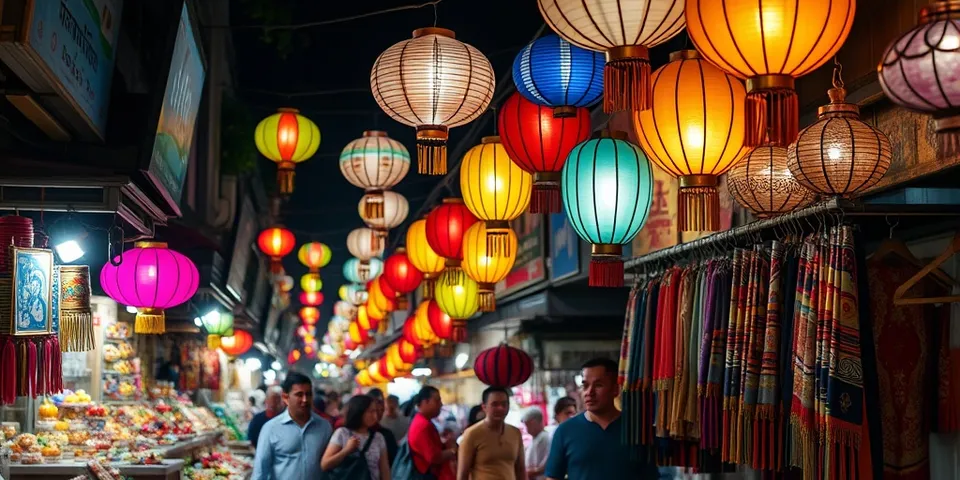
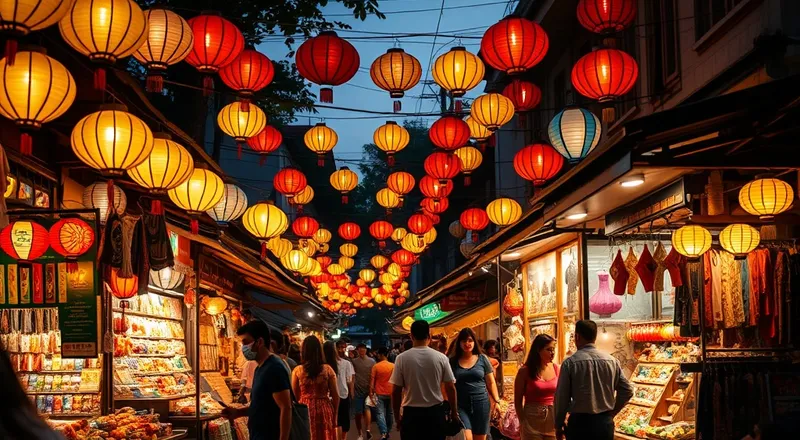
The Sunday Walking Street on Ratchadamnoen Road is the jewel of Chiang Mai's weekly market calendar and one of the most atmospheric pedestrian market experiences in Thailand. Every Sunday from approximately 4 PM, the broad avenue that runs through the heart of the Old City from Tha Phae Gate towards Wat Phra Singh is closed to vehicles and taken over by an extraordinary density of stalls — an estimated 600 to 800 vendors on a busy night. The merchandise here leans towards handmade and artisanal goods: watercolour paintings of northern Thai landscapes, hand-block-printed cotton fabrics, beeswax candles, handmade paper products, organic herbal soaps, and jewellery made from silver, semi-precious stones, and recycled materials. Several temple courtyards along the route open as food and craft markets, and the overall atmosphere — aided by the illuminated temple facades, the sound of live acoustic music from competing performers, and the mingling of locals and visitors in roughly equal numbers — creates a genuinely magical evening. Arriving by 5 PM is strongly recommended to browse comfortably before the 7-9 PM peak crowd.
The Saturday Walking Street on Wualai Road occupies the artisan quarter of the Old City, a neighbourhood historically associated with the silversmithing tradition that has defined Chiang Mai craft culture for centuries. The silver workshops along Wualai Road are visible from the street even on non-market days, with craftspeople hammering intricate repoussé patterns into silver bowls and ceremonial objects. On Saturday evenings, the street fills with market stalls that reflect this artisan heritage: a higher proportion of genuinely handmade jewellery, more ceramics and woodwork from specific maker villages, and a general sense that the people selling the goods are often the people who made them. The Saturday market is smaller and less tourist-saturated than the Sunday version, making it a favourite among shoppers who prioritise quality over variety. Wat Sri Suphan, the stunning silver temple at the southern end of Wualai Road, opens its grounds during the market and is spectacularly illuminated after dark.
Bargaining culture in Chiang Mai operates according to informal but well-understood conventions. Prices at the Night Bazaar on Chang Khlan Road are openly negotiable and vendors expect to discount by 20 to 40 percent from the opening price for anyone who shows genuine interest in buying. Walking street market prices are somewhat less flexible — many artisans are selling their own work and have genuine cost floors — but polite negotiation is still normal, particularly for multiple purchases. The key principle is to never make an opening counter-offer unless you intend to buy at that price if it is accepted. Smiling, taking time to genuinely examine items, and expressing appreciation for craftsmanship before discussing price consistently produces better outcomes than aggressive bargaining. Prices are typically quoted in Thai baht and items worth between 200 and 2,000 THB represent the most commonly purchased souvenirs.
Highlights
- Night Bazaar on Chang Khlan Road — seven nights a week with hundreds of handicraft stalls and live cultural performances at Kalare Food Court
- Sunday Walking Street on Ratchadamnoen Road — 600+ vendors, illuminated temple facades, the best artisan market in northern Thailand
- Saturday Wualai Walking Street in the silversmith quarter — higher proportion of handmade goods and the spectacular silver temple Wat Sri Suphan
- Hand-hammered silver jewellery made by Chiang Mai artisans — earrings, bangles, and ceremonial objects in traditional Lanna designs
- Hill tribe embroidery and hand-woven textiles from Akha, Karen, and Hmong communities sold throughout the market circuit
- Custom-tailored silk garments from Anusarn Market tailors — typical turnaround of 48-72 hours for made-to-measure pieces
- Traditional Lanna lacquerware — black and red boxes, bowls, and trays with intricate decorative patterns unique to northern Thailand
- Street performances and live music scattered throughout Sunday Walking Street — acoustic guitar, traditional khim dulcimer, and comedy acts
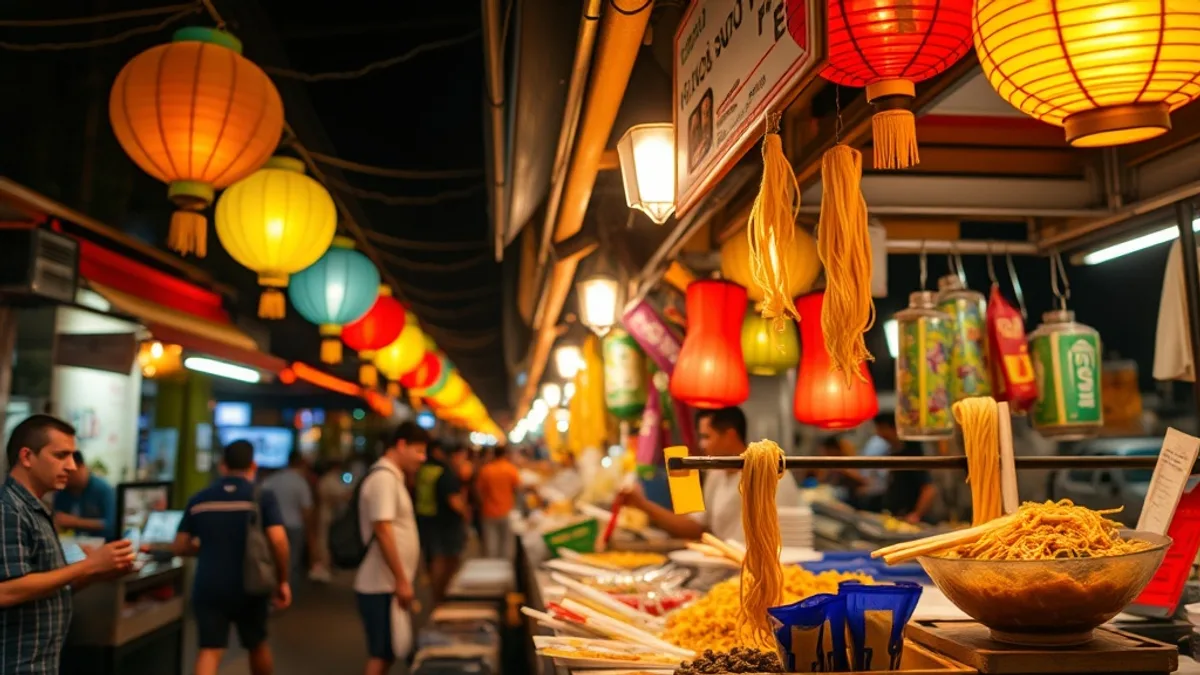
- Temple courtyard food stalls along Ratchadamnoen Road — mango sticky rice, grilled corn, and freshly pressed juice within temple grounds
The Night Bazaar operates year-round from approximately 6 PM daily. Walking street markets run Sunday and Saturday evenings from around 4-5 PM and close by 11 PM. The cool season from November to February offers the most comfortable browsing temperatures. December and January are peak season and markets are exceptionally lively but also most crowded. Arriving at Sunday Walking Street before 6 PM allows proper browsing before the heaviest crowds descend around 7:30 PM. The rainy season (June-October) sees thinner crowds and the same quality of goods.
Practical Information
Cost Level
Budget allowances vary hugely based on shopping appetite. Entry to all Chiang Mai night markets is free. Handicraft souvenirs at the Night Bazaar typically range from 150 THB for small lacquerware items to 3,000 THB for quality silk products. Hand-hammered silver earrings start at around 300-500 THB; silver bowls and larger pieces range from 2,000 to 15,000 THB depending on weight and complexity. Hill tribe embroidered bags run 400-1,200 THB at walking street markets. Custom tailoring at Anusarn Market starts at approximately 1,500 THB for a simple garment and rises to 8,000 THB or more for quality silk.
Tips
Bring a large, foldable cotton tote bag as plastic bags are now charged or unavailable at most market stalls. Pay with cash — card payment is rare at market stalls. The best strategy for buying multiple items from one vendor is to select everything before negotiating a combined price. Wear comfortable shoes as the Sunday Walking Street covers over a kilometre of walking. The Chang Khlan Night Bazaar has several ATMs within the complex. Beware of 'gem scams' in which friendly strangers direct you to government gem sales — these are well-documented tourist frauds in Chiang Mai.
Our creators on the ground in Chiang-mai share their best recommendations in their videos.
Places in this Guide
Discover the attractions and locations featured in this travel guide.
Explore Chiang Mai
Chiang Mai
เชียงใหม่Chiang Mai is the heart of the digital nomad ecosystem in Southeast Asia. Ancient temples, cool coffee shops and a world...All creators from Chiang Mai →Location & Orientation


Frequently Asked Questions
What is the difference between the Night Bazaar and the Walking Street markets in Chiang Mai?
The Night Bazaar on Chang Khlan Road is a permanent commercial market complex open seven nights a week, with a mix of fixed shops and stalls in covered and open-air settings. It is heavily oriented towards tourists and carries the widest variety of souvenirs, with strong bargaining culture. The Sunday and Saturday Walking Street markets are weekly temporary events where streets are closed to traffic and individual vendors — a high proportion of them makers and artisans — set up stalls. Walking street markets have a more festive atmosphere, more handmade goods, and a better balance of local and tourist shoppers.
Is it rude to bargain at Chiang Mai's night markets?
Bargaining is a normal and expected part of the shopping experience at the Night Bazaar and, to a lesser extent, at the walking street markets. It is not considered rude — it is part of the social ritual of market shopping. The key etiquette rules are: never make an offer you are not prepared to honour if accepted, maintain a light and friendly tone throughout, and do not bargain aggressively for small amounts on modestly priced items. Walking away is a legitimate tactic but only if you are genuinely willing to leave without the item. Chiang Mai market vendors are experienced negotiators who respect buyers who approach the process cheerfully.
What are the best things to buy at Chiang Mai's markets?
Chiang Mai has genuine craft traditions that produce exceptional souvenirs unavailable elsewhere. Hand-hammered silver jewellery from the Wualai Road silversmiths, traditional Lanna lacquerware in black and gold patterns, hill tribe embroidered fabrics and bags, hand-block-printed cotton scarves and tablecloths, and teak wood carvings are all excellent purchases. Silk products require careful quality assessment — look for smooth, lustrous fabric with consistent colour saturation. Genuine Thai silk has a distinctive dry hand feel and an iridescent quality when held to the light. Factory-made polyester imitations are common in tourist markets.
How late do the markets stay open in Chiang Mai?
The Night Bazaar on Chang Khlan Road typically operates from around 6 PM until midnight or later, with some permanent shops closing earlier around 10 PM. The Sunday Walking Street on Ratchadamnoen Road runs from approximately 4 PM until 11 PM, with most food stalls selling out and vendors beginning to pack up around 10 PM. The Saturday Wualai Walking Street follows similar hours. All markets are liveliest between 7 PM and 9 PM, when the combination of cooler evening temperatures and full vendor activity creates the most vibrant atmosphere.
Are there authentic locally made crafts, or is it mostly mass-produced goods?
Both exist, and learning to distinguish them is part of the pleasure of shopping in Chiang Mai. Mass-produced goods — often imported from factories in China or Bangkok — dominate the lower price end of the Night Bazaar. Genuinely handmade work is easier to find at the Saturday Wualai Walking Street and among the artisan vendors at the Sunday Walking Street. Signs of authentic craft work include visible tool marks, slight irregularities in pattern repetition, the presence of the maker at the stall, and willingness to explain the production process. Prices for genuinely handmade pieces are typically 40-60 percent higher than factory equivalents.