Introduction
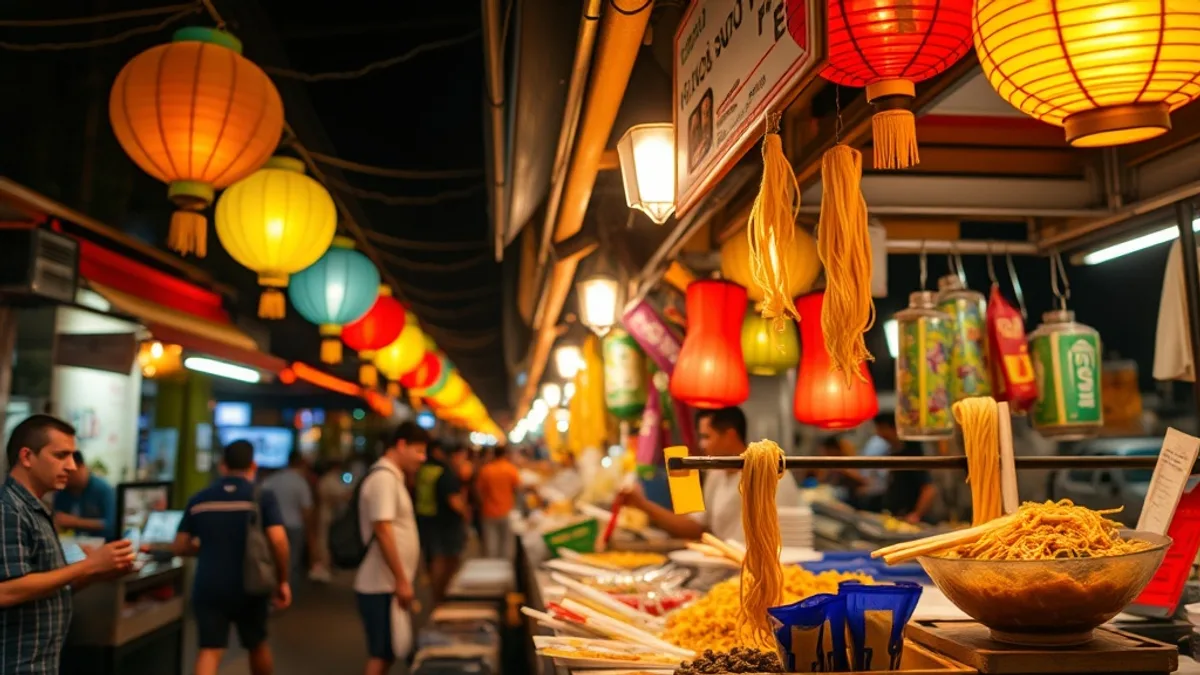
Few cities in Southeast Asia hold their own against Chiang Mai when it comes to street food culture. This northern Thai capital has cultivated a culinary identity entirely distinct from Bangkok — rooted in the cooking traditions of the ancient Lanna Kingdom, shaped by proximity to Yunnan China and Myanmar, and expressed every evening in a constellation of night markets, roadside stalls, and open-air dining halls that fill as soon as dusk falls over the moat-ringed Old City. The aromas here are different too: the deep funk of fermented sausage casing, the earthy warmth of turmeric and galangal, the faint sweetness of palm sugar caramelizing over charcoal. Chiang Mai's street food scene is not simply a collection of cheap eats — it is a living museum of northern Thai identity, one that rewards explorers willing to leave the tourist-facing stalls behind and venture into the daily rhythms of the local market circuit. Whether you arrive with a list of dishes to tick off or simply wander until something irresistible stops you in your tracks, Chiang Mai will feed you extraordinarily well.
Overview
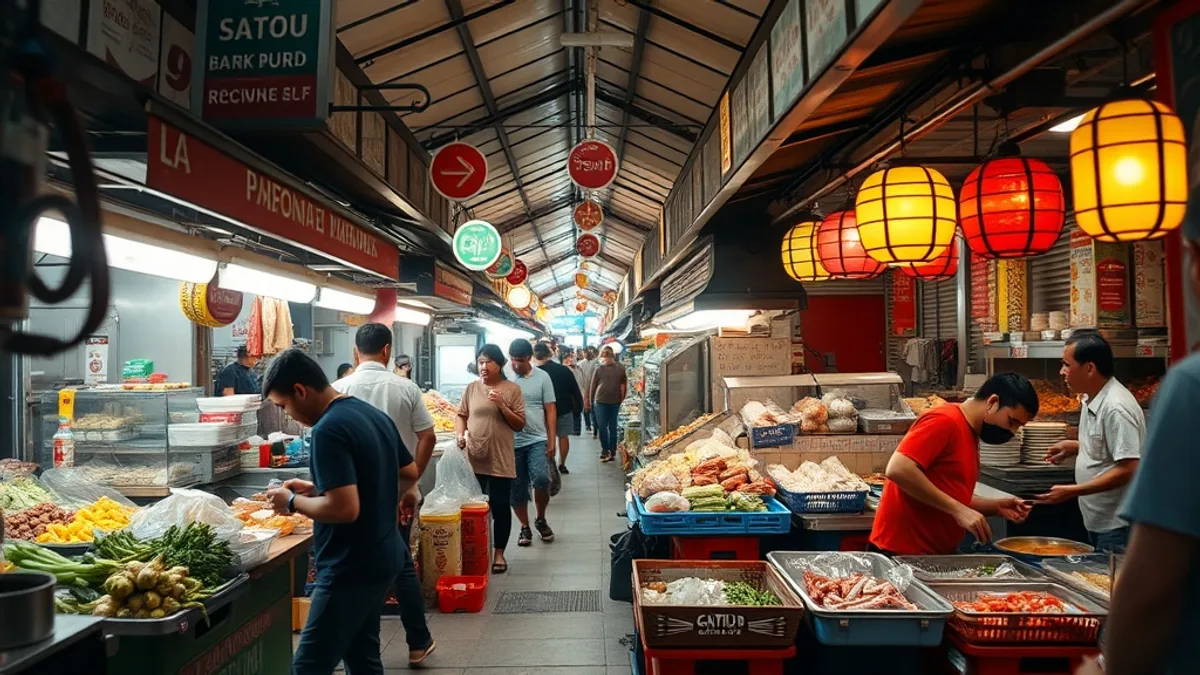
The first port of call for any serious street food explorer in Chiang Mai should be Warorot Market, known locally as Kad Luang or the Great Market. Occupying a large covered building near the Ping River in the heart of the city, Warorot opens early in the morning and runs through the afternoon, selling everything from dried spices and pickled vegetables to fresh-made sai oua — the coarsely ground northern pork sausage seasoned with lemongrass, kaffir lime leaf, and dried chilli that has become Chiang Mai's most recognisable culinary export. The ground floor is predominantly fresh produce and packaged goods; the upper floor transforms into a concentrated street food court where vendors dish out plates of khao man gai, boat noodles, and deep-fried morning glory alongside mugs of yen ta fo broth. Adjacent to Warorot, the covered Ton Lamyai flower and food market continues the sensory assault with stalls of marigold garlands, lotus offerings, and warm khao tom rice porridge sold from enormous aluminium pots. Together these two markets form the backbone of everyday Chiang Mai food culture and see almost no foreign faces before 10 AM — arrive early for the most authentic experience.
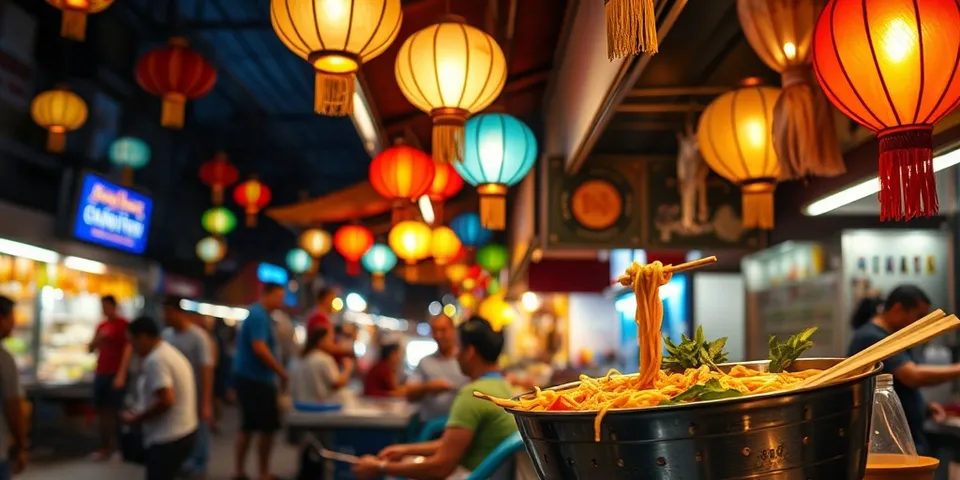
Khao soi is the dish that defines northern Thai cooking for most visitors, and Chiang Mai is the undisputed capital of this remarkable curry noodle soup. The dish arrives as a bowl of egg noodles swimming in a coconut-enriched curry broth made from dried red chillies, shallots, garlic, and a blend of warming spices including coriander seed and turmeric. The broth is simultaneously rich and bright, with a depth that comes from patient simmering. A tangle of crispy deep-fried noodles crowns the top, and the customary accompaniments — pickled mustard greens, raw shallots, and a wedge of lime — are eaten progressively to shift the flavour profile with each spoonful. The most celebrated bowls in Chiang Mai are found at Khao Soi Khun Yai on Charoenrat Road near the river, Khao Soi Islam in the Muslim quarter near the city's north gate, and the deceptively simple street-front shops on Faham Road. Budget 60-90 THB for a bowl at any of these establishments. Nam prik ong, a rustic minced pork and tomato relish served with crispy pork rinds and fresh vegetables for dipping, and nam prik num, a roasted green chilli dip that is simultaneously smoky, sour, and intensely fruity, are northern staples that appear as simple shared plates alongside sticky rice at virtually every local canteen in the city.
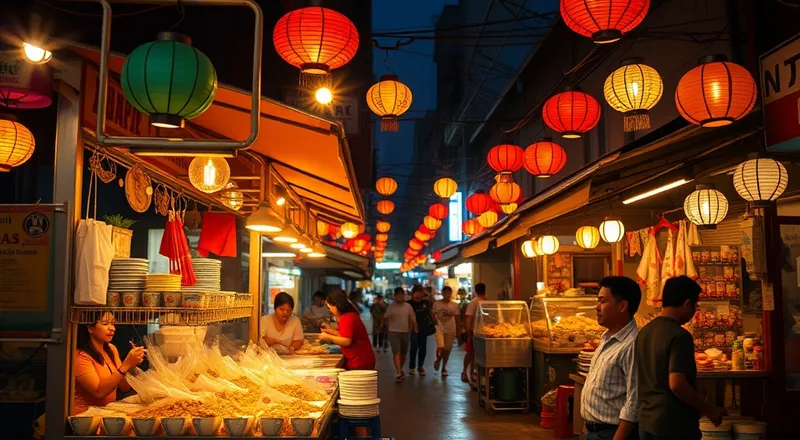
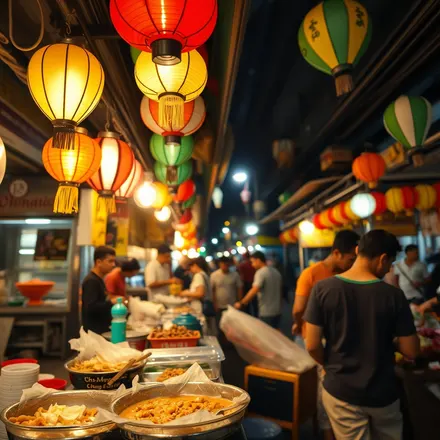
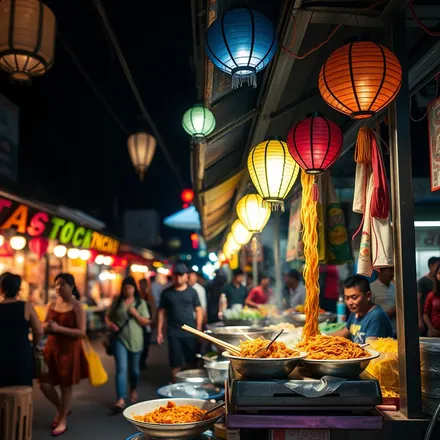
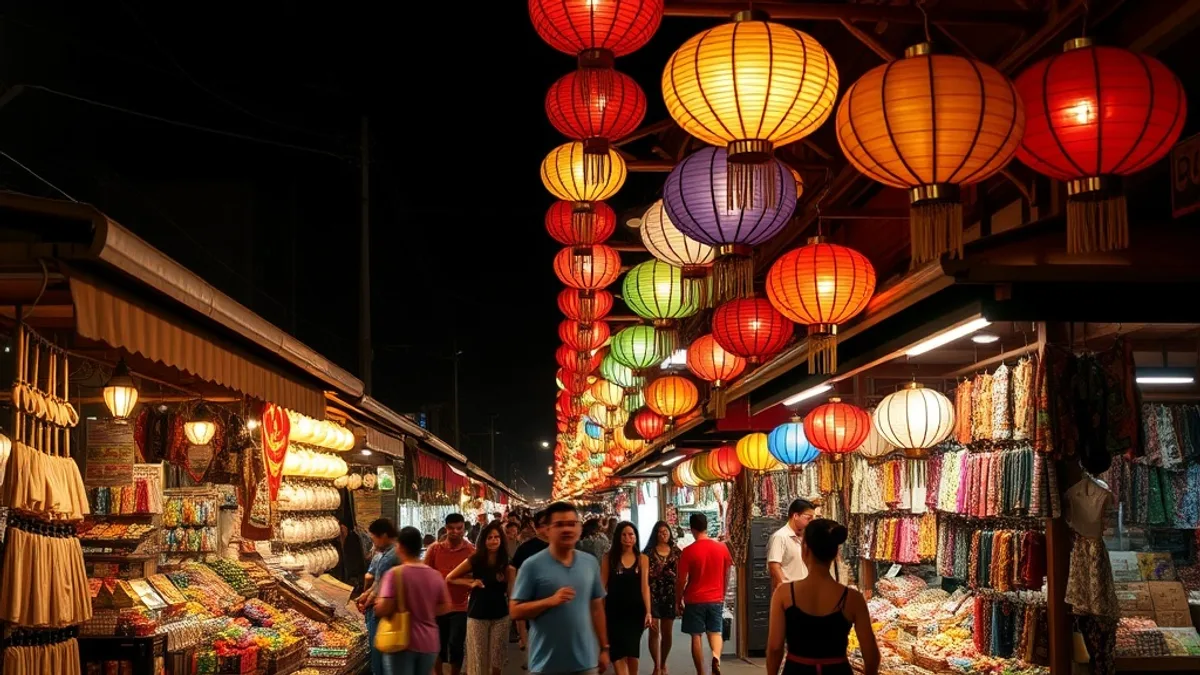
The Thanon Wualai Saturday Walking Street and Sunday Walking Street on Ratchadamnoen Road represent the social and culinary highpoint of the Chiang Mai week. These car-free evening markets stretch for hundreds of metres through the Old City, with the temple courtyards of Wat Sri Suphan and Wat Phra Singh opening their grounds to food and craft stalls. The food is genuinely excellent: freshly pressed sugarcane juice, skewers of pork threaded onto lemongrass stalks, mango sticky rice portions served in banana leaf cups, grilled corn rubbed with coconut cream and salt, and the thin, crispy kanom bueang crepes filled with sweet coconut cream and dried shrimp. Prices at walking street markets hover between 30 and 80 THB for most dishes. The cooking performance is also part of the entertainment — broad woks tossed over roaring flames, women rolling out pai tong ko doughnuts with hypnotic speed, and vendors calling out the names of their specialities in a melodic northern Thai lilt.
Beyond the tourist-facing markets, Chiang Mai's Muang Mai wholesale fresh market near the superhighway operates through the night and into the early morning hours, supplying produce to restaurants and market vendors across the city. Visiting between 2 and 5 AM exposes a side of Chiang Mai food culture invisible to most travellers — mountains of tropical fruit arriving by the truckload, porters wheeling crates of live poultry, and a remarkable kitchen operating from a cluster of corrugated iron stalls where truck drivers and wholesale buyers eat plate-sized portions of fried rice and pork-bone soup at 3 AM with the unhurried satisfaction of people doing exactly what they are supposed to be doing. It is not comfortable tourism, but it is utterly real and genuinely thrilling.
Highlights
- Bowl of khao soi at one of Chiang Mai's legendary curry noodle shops — thick coconut curry broth, crispy noodles, pickled mustard greens
- Sai oua northern sausage grilled over charcoal at Warorot Market — fragrant with lemongrass, kaffir lime, and dried chilli
- Nam prik num green chilli dip with fresh vegetables and sticky rice — the quintessential northern Thai canteen lunch
- Sunday Walking Street food stalls on Ratchadamnoen Road with temple courtyards opening for evening markets
- Mango sticky rice freshly prepared in banana leaf cups at Saturday Wualai market
- Early morning Ton Lamyai Market for warm khao tom rice porridge and lotus flower stalls at dawn
- Kanom bueang crispy Thai crepes with coconut cream filling, made to order at walking street stalls
- Deep overnight visit to Muang Mai wholesale market for the most authentic 3 AM Chiang Mai food experience
- Nam prik ong minced pork relish with crispy pork rinds and fresh crudités at a local northern Thai restaurant
Street food in Chiang Mai is best experienced between October and February when cooler evenings make outdoor eating genuinely pleasant. The walking street markets operate Saturday and Sunday evenings from approximately 5 PM and reach peak energy around 7-9 PM. Warorot Market is best visited between 7 and 10 AM when the widest variety of prepared food is available. The hot season from March to May makes extended outdoor eating uncomfortable, though the covered Warorot Market remains manageable. Muang Mai wholesale market is worth visiting year-round between midnight and 4 AM.
Practical Information
Cost Level
Chiang Mai street food represents exceptional value. Khao soi from a reputable shop costs 60-90 THB. A plate of sai oua sausage with sticky rice runs 50-80 THB. Mango sticky rice portions at markets are typically 40-60 THB. At the Sunday and Saturday walking streets, most snacks fall between 30 and 80 THB. A thorough self-guided street food evening — covering two or three markets with six to eight dishes — comfortably fits within 400-600 THB per person including drinks. Sit-down northern Thai restaurants with full table service cost 150-350 THB per person.
Tips
Always look for the longest queue at any market stall — Chiang Mai regulars are discerning customers. Carry small denomination banknotes (20 and 50 THB notes) as many street vendors do not carry change for 500 THB bills. Bring a lightweight cotton bag for walk-and-eat street food. The walking street markets on Saturday and Sunday get very crowded after 7 PM — arriving early at 5 PM gives better access to stalls and shorter queues. Download the Grab app for affordable rides between markets. Avoid touching food with your left hand as this remains culturally significant in northern Thailand.
Our creators on the ground in Chiang-mai share their best recommendations in their videos.
Places in this Guide
Discover the attractions and locations featured in this travel guide.
Explore Chiang Mai
Chiang Mai
เชียงใหม่Chiang Mai is the heart of the digital nomad ecosystem in Southeast Asia. Ancient temples, cool coffee shops and a world...All creators from Chiang Mai →Location & Orientation

Frequently Asked Questions
What is the single must-try dish in Chiang Mai?
Khao soi is the dish that defines Chiang Mai's culinary identity and should be the first thing every visitor orders. This northern Thai curry noodle soup combines egg noodles in a coconut-enriched curry broth with both soft boiled noodles and crispy fried noodles on top, served with pickled mustard greens, raw shallots, and lime on the side. The flavour is simultaneously rich, aromatic, and bright. Khao Soi Islam near the north gate and Khao Soi Khun Yai on Charoenrat Road are consistently cited as the best in the city, with bowls running 70-90 THB.
Which is better — the Saturday or Sunday walking street market for food?
Both markets offer excellent street food, but they have distinct characters. The Sunday Walking Street on Ratchadamnoen Road runs through the historic Old City and past several major temples, making it the more atmospheric and tourist-friendly of the two. It is also longer and has more food variety. The Saturday Wualai Walking Street has a slightly more local flavour and is particularly known for silversmith stalls and traditional handicrafts alongside the food vendors. For pure food exploration, Sunday is the stronger choice; for a combination of crafts and food with fewer crowds, Saturday wins.
Is street food in Chiang Mai safe to eat?
Street food in Chiang Mai is generally very safe for travellers with a standard tolerance for diverse food environments. The rapid turnover at busy market stalls means food is always freshly cooked. Selecting cooked-to-order items rather than pre-cooked food sitting in trays reduces any risk further. Avoid raw salads dressed with tap water and unpeeled fresh fruit purchased from street stalls. The food at Warorot Market, the walking street markets, and established khao soi restaurants is eaten daily by thousands of locals and carries minimal risk when ordered hot and fresh.
Are there vegetarian and vegan options in Chiang Mai street food?
Vegetarian options exist throughout Chiang Mai's street food scene but require some navigation. The city has a significant Buddhist vegetarian community and several dedicated jae vegetarian restaurants near the Old City that serve complete Thai meals for 40-80 THB. The Vegetarian Festival in October transforms the market scene dramatically with dedicated stalls. Year-round, look for the yellow flag with red Thai script indicating vegetarian food. Dishes like pad pak (stir-fried vegetables), khao niao mamuang (mango sticky rice), and khao tom rice porridge with vegetable toppings are easy vegetarian finds at any market.
What should I know about eating etiquette at Chiang Mai markets?
Chiang Mai market etiquette is relaxed by most standards. Standing and eating while browsing is completely normal at walking street markets. At sit-down stalls within markets, it is standard practice to share tables with strangers during busy periods. Pointing at dishes when the language barrier prevents verbal ordering is entirely acceptable — vendors are accustomed to international visitors. Tipping is not expected at market stalls or plastic-chair restaurants but is appreciated. Haggling over food prices is not culturally appropriate in Chiang Mai — the prices are already fair and fixed by local convention.