Introduction
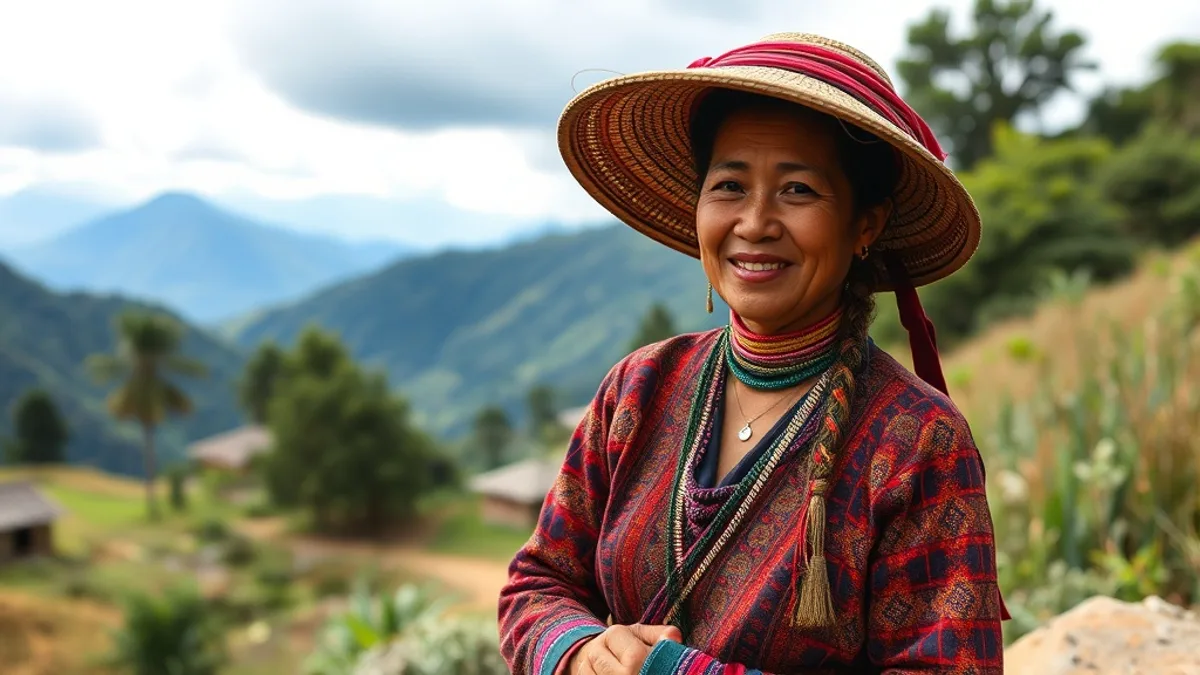
Northern Thailand is home to six major hill tribe groups — the Akha, Karen, Hmong, Lahu, Mien, and Lisu — whose distinct languages, textiles, spiritual practices, and village architectures have developed over centuries of mountain living across the borderlands of China, Burma, Laos, and Thailand. Chiang Rai Province, with its geographic position at the frontier of all four countries, has the densest concentration of hill tribe communities in Thailand and the most developed infrastructure for respectful cultural tourism. This guide approaches those communities as complex, contemporary societies rather than ethnographic displays, helping visitors understand the history and present realities of highland peoples before making the journey into the mountains, and pointing toward the community-based tourism models that genuinely benefit the villages rather than simply monetizing them.
Overview
The story of the hill tribes in northern Thailand is one of migration, adaptation, and contested belonging. Most of the major groups migrated southward from China and Burma over the past two to three centuries — some as early as the eighteenth century, others as recently as the 1950s and 60s, pushed by conflict, collectivization, and political persecution. They arrived in Thailand's northern highlands and established semi-nomadic agricultural communities, typically at elevations above 1,000 metres. The Thai state, for most of the twentieth century, viewed these communities with a mixture of suspicion and paternalism: many hill tribe members still lack full Thai citizenship, restricting their access to education, healthcare, and freedom of movement, though significant progress has been made under the Royal Project programs initiated by the late King Bhumibol.
The best starting point for any cultural visit to Chiang Rai's hill tribe communities is the PDA Hilltribe Museum and Education Center in the city itself. Located near the city's Night Bazaar, the museum was established by Mechai Viravaidya's Population and Community Development Association and provides an authoritative, community-supported introduction to all six major tribes: their origins, clothing, jewelry traditions, agricultural practices, spiritual beliefs, and current socioeconomic situation. The museum also runs programs that directly fund development projects in village communities. Spending an hour here before visiting any village will transform your experience from tourism to something closer to genuine cultural understanding.
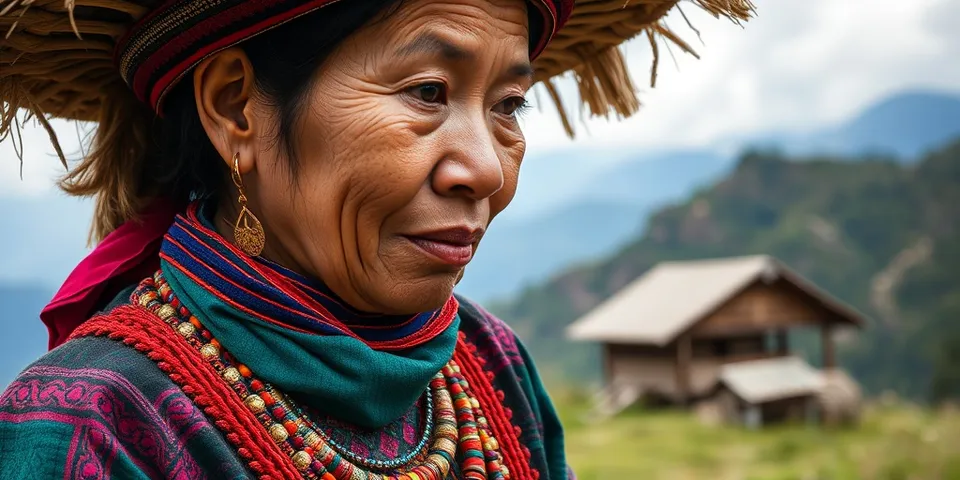
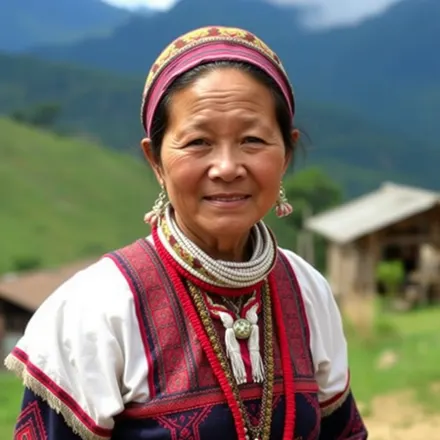
The six hill tribes represent distinct linguistic and cultural families. The Akha (also known as Hani) are perhaps the most visually distinctive, with their women wearing elaborate headdresses layered with silver coins, beads, and feathers. They practice a complex animist religion called Akhazang and maintain a particularly strong community identity. The Karen are the most numerous group, divided into several sub-groups, and are known for their skilled weaving. The Karen Long Neck village near Mae Hong Son has become controversial — the practice of neck elongation using brass rings is traditional among the Kayan subgroup, but the commercialization of these communities has raised serious ethical questions about exploitation. The Hmong fled to Thailand primarily after the CIA's Secret War in Laos ended in 1975 and many still maintain a strong connection to their diaspora communities in the United States and France. The Lahu, Mien, and Lisu complete the six, each with its own textile traditions, musical culture, and religious framework.
The Doi Tung Royal Development Project, established by the late Princess Mother, demonstrates how highland communities can transition away from opium cultivation while maintaining cultural identity and economic dignity. The project covers a large area in the northwest of Chiang Rai Province and includes Karen and Akha villages integrated into a sustainable agricultural and craft economy. The Doi Tung Lodge and coffee shop use products from the project, and the Mae Fah Luang Garden nearby is one of the most beautiful botanical gardens in Thailand. Visiting Doi Tung represents one of the most ethical ways to engage with hill tribe communities in the region.
For trekking-based village visits, Chiang Rai has dozens of operators offering one-day and multi-day treks. The quality and ethics of these vary enormously. Look for operators who are certified by the Tourism Authority of Thailand, pay directly to village community funds rather than individual guides, limit group sizes to eight or fewer, and brief participants on appropriate behavior before arrival. Homestays are available in several communities and provide the deepest cultural immersion — waking to morning prayer calls, eating meals prepared by your host family, and participating in daily village life in ways that no day trip can replicate.
Highlights
- Visit the PDA Hilltribe Museum in Chiang Rai city for essential context before entering any village
- Explore the Doi Tung Royal Development Project — an ethical model of hill tribe cultural and economic development
- Trek through Akha and Karen villages in the mountains northwest of Chiang Rai
- Purchase fair-trade textiles and silver jewelry directly from artisan cooperatives in hill tribe communities
- Stay overnight in a community-run homestay for authentic cultural immersion beyond any day tour
- Photograph traditional Akha headdresses and Karen weaving with consent and cultural sensitivity
- Visit the Mae Fah Luang Garden at Doi Tung, one of Thailand's finest botanical gardens
- Learn about the history of crop substitution programs that transformed the region's economy
- Hire a local hill tribe guide for village visits — their knowledge and language access is irreplaceable
The cool dry season from November to February is the best time for hill tribe village visits and mountain trekking. Clear skies, comfortable temperatures of 15-25 degrees Celsius, and dry trails make for pleasant walking. The flowering season at Doi Tung peaks in January and February. March to May brings haze from burning season and uncomfortable heat at lower elevations. The rainy season (June-October) turns mountain trails muddy and can make access difficult, but the villages are surrounded by lush green rice paddies and the scenery is exceptional.
Practical Information
Cost Level
The PDA Hilltribe Museum in Chiang Rai city charges around 50 THB entry. Day trekking tours from certified operators cost 800-1,500 THB per person including guide, lunch, and transport. Multi-day trekking programs with homestay accommodation run 2,000-4,000 THB per person per night. Doi Tung garden entry is 200 THB for Thai nationals and 500 THB for international visitors. Fair-trade textiles from village cooperatives cost 200-2,000 THB depending on the piece. Budget an additional 300-500 THB per village for community fund contributions if visiting independently.
Tips
Always ask permission before photographing villagers and especially children — many communities now have clear photography policies and some request a small donation per photo or prohibit photography inside homes entirely. Dress modestly for all village visits. Do not distribute sweets or gifts directly to children as this creates dependency and distorts community relationships — instead, contribute to the village fund or buy directly from adult artisans. Learn a few words of greeting in the relevant tribal language if possible; the gesture is always appreciated and creates immediate warmth.
Our creators on the ground in Chiang-rai share their best recommendations in their videos.
Creators who cover this spot
Discover YouTube creators who feature this topic in their videos.

Adventures Joel
British adventure vlogger exploring Thailand by motorbike.

Bald and Bankrupt
British travel creator specializing in off-the-beaten-path exploration of Thai communities and culture.

The Common Wanderer
The Common Wanderer is an Australian travel couple exploring and documenting northern Thailand's culture, destinations, and travel experiences.
Places in this Guide
Discover the attractions and locations featured in this travel guide.
Explore Chiang Rai
Chiang Rai
เชียงรายChiang Rai is northern Thailand's cultural gem, sitting at the crossroads of Thailand, Laos, and Myanmar at the famed Go...All creators from Chiang Rai →Location & Orientation
Frequently Asked Questions
Is it ethical to visit hill tribe villages in Chiang Rai?
Village visits can be ethical when done thoughtfully. The key factors are: using a community-certified operator who pays directly into village development funds, visiting communities that have explicitly chosen to engage with tourism, limiting group sizes and visit frequency, behaving with genuine respect rather than treating residents as photo subjects, and purchasing directly from community artisans. The Long Neck Karen villages near Mae Hong Son are more controversial — some organizations argue these communities have become dependent on tourist revenue in ways that commodify cultural practices. The Doi Tung Royal Development Project represents the gold standard of ethical engagement with hill tribe communities in the region.
What is the PDA Hilltribe Museum and why should I go there first?
The Population and Community Development Association (PDA) Hilltribe Museum in Chiang Rai city is a community-supported institution that presents the history, culture, material traditions, and contemporary situation of all six major hill tribes in a balanced and informative way. It was established by the PDA, an organization that has been running development programs in hill tribe communities since the 1970s. Visiting before any village gives you the vocabulary, visual reference, and historical framework to understand what you are seeing. Without this context, village visits can easily become superficial experiences. The museum also sells fair-trade crafts and its entry fee supports ongoing community programs.
Do hill tribe villagers speak Thai or English?
The situation varies considerably by community and generation. Younger villagers who have attended Thai government schools typically speak reasonable Thai. Very few older villagers in remote communities speak Thai fluently. English is generally limited to guides and those who work extensively with tourism. Each tribe speaks its own language — Akha, Karen (multiple dialects), Hmong, Lahu, Mien, and Lisu are all distinct and mutually unintelligible. This is one reason why a local hill tribe guide, rather than a lowland Thai guide, provides a fundamentally richer experience: they can speak directly with community elders and translate cultural nuances that are otherwise lost.
Can I go to a hill tribe village without a tour?
Independent visits to some communities are possible, particularly those organized around community tourism programs like the villages within the Doi Tung Royal Development Project. However, arriving unannounced at a remote village without a guide is strongly discouraged — it is disrespectful, potentially disruptive to village life, and can create negative associations with tourism that harm the communities in the long run. The most meaningful visits happen when the community has prepared and consented to receive visitors. Hiring a certified local guide, even for what appears to be an independent visit, ensures you are entering on terms that the community has agreed to.
What should I buy from hill tribe artisans and how do I know it is authentic?
The most valuable purchases from hill tribe communities are textiles made using traditional techniques — hand-woven Karen cotton, Hmong batik and embroidery, Akha silver jewelry, and Mien cross-stitch are all genuinely skilled crafts with deep cultural roots. Look for items sold directly by artisans or through certified fair-trade cooperatives like those at the Doi Tung development project or the Doi Chaang Coffee cooperative. Mass-produced imitations are sold in Chiang Rai's Night Bazaar and tourist markets — these are significantly cheaper and the production does not benefit highland communities. Fair-trade textiles cost more but the quality and cultural authenticity justify the price.