Introduction
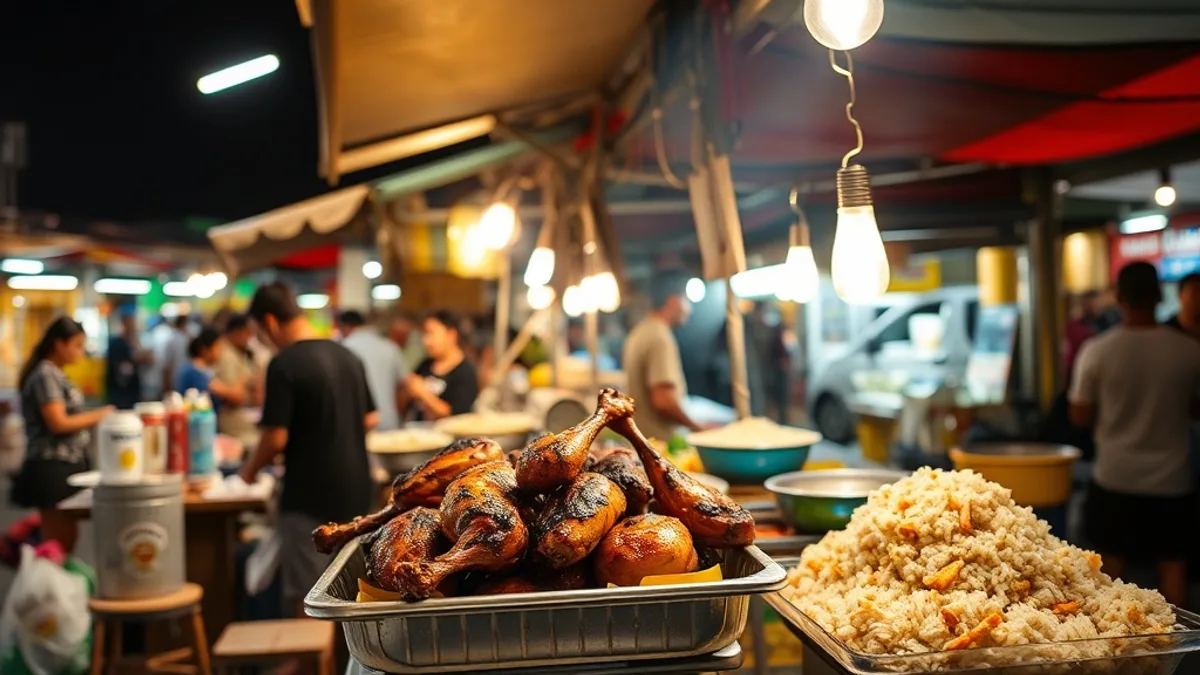
Isaan food is Thailand's most honest cuisine — no performance, no garnish, no apology for the heat. In Buriram, you eat what locals eat, at the prices locals pay, on plastic stools at tables that have seen a thousand meals before yours. The city's night market pulls in the working population every evening with grilled meats, fermented fish pastes, hand-pounded papaya salads, and sticky rice in bamboo baskets. Gai Yang Buriram — the province's own style of marinated grilled chicken — has developed a regional reputation serious enough that Bangkok restaurants advertise it by name. The morning market runs before dawn, when the air is cool and vendors display produce still wet from the overnight journey in from surrounding farms. Food in Buriram costs a fraction of what the same quality demands in the capital, and the authenticity is not manufactured for visiting eyes — it simply is what it has always been.
Overview
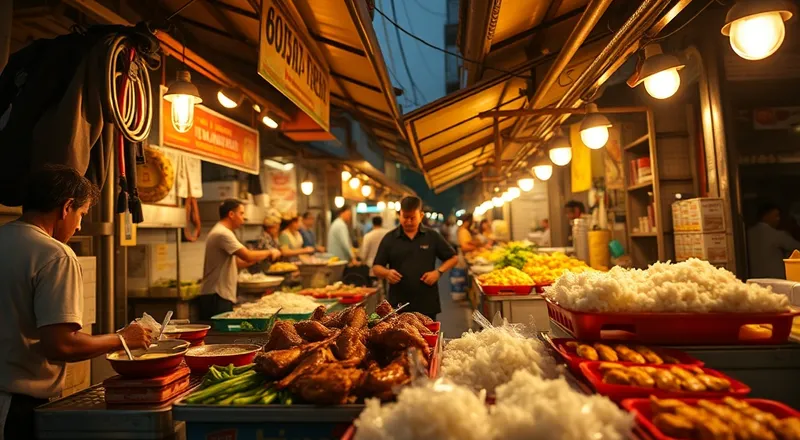
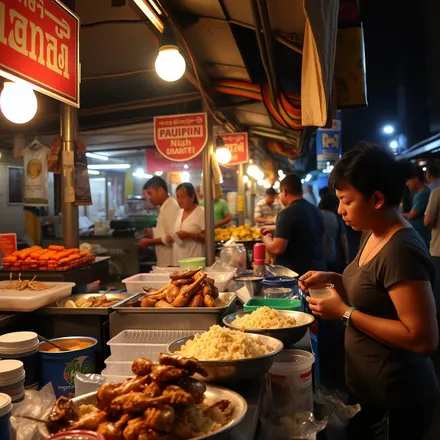
The Buriram city night market occupies a large open area near the city center and runs from approximately 5pm until 10pm every evening. The atmosphere is social rather than theatrical — families, couples, and market traders eating together after the working day ends, with plastic tables arranged haphazardly between vendor stalls and motorbikes parked wherever space allows. The smells that guide you around the market tell their own story: charcoal-grilled chicken smoke drifting over fermented fish paste, the sharp vinegar of fresh-made papaya salad, the sweetness of coconut milk desserts steaming in bamboo tubes.
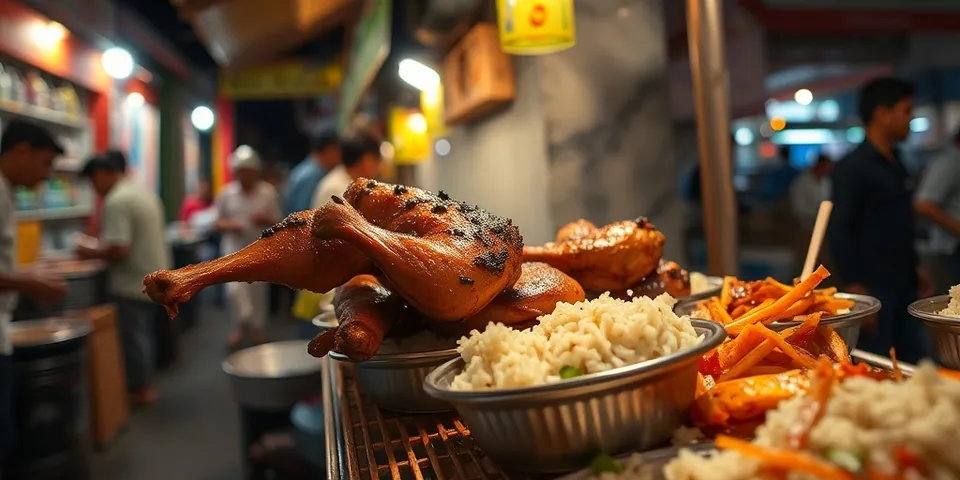
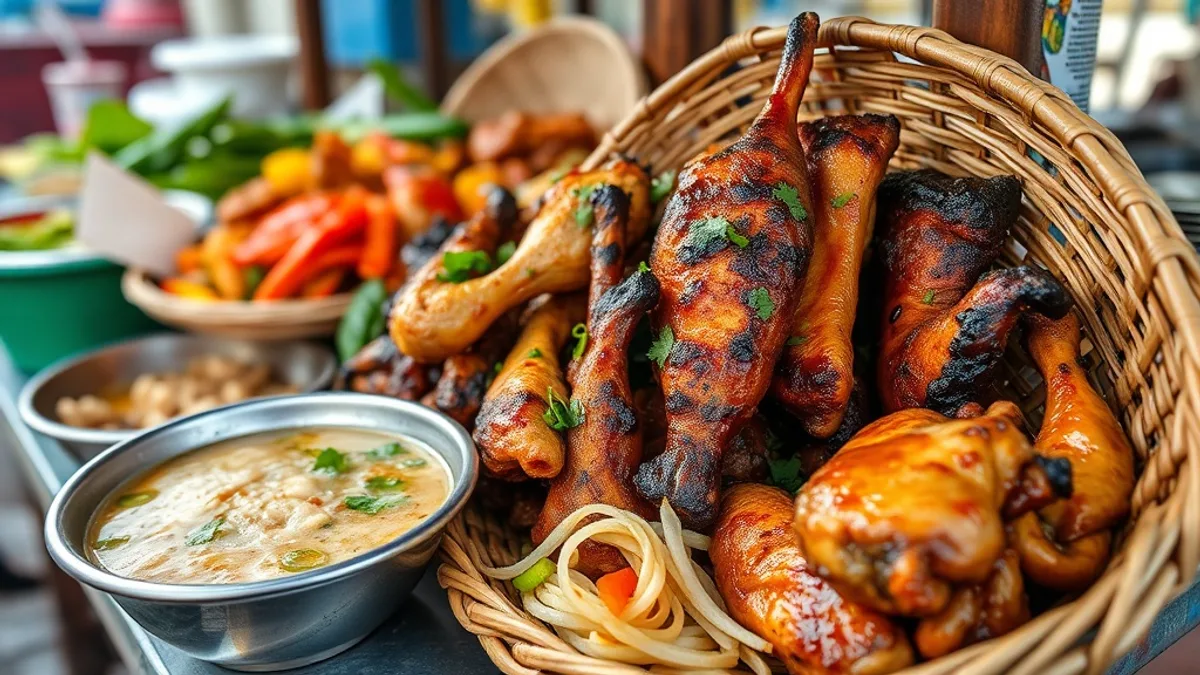
Gai Yang Buriram is the dish that has given the province culinary recognition beyond its borders. The chickens are marinated overnight in a blend of lemongrass, galangal, garlic, coriander root, fish sauce, and palm sugar, then grilled slowly over coconut-shell charcoal until the skin is mahogany-dark and crackling, the flesh inside still juicy. The marinade recipe varies by vendor family but the result — served with a fermented fish dipping sauce (nam jim jaew) and a bamboo basket of sticky rice — is justifiably famous. The best Gai Yang vendors in Buriram sell out by 7pm and are known locally by name and location rather than any formal restaurant identity.
Som Tam in Isaan is fundamentally different from the tourist-adapted Bangkok version. The Isaan preparation uses pla ra (fermented freshwater fish paste) and often raw fermented crab (pu dong), pushing the flavor profile into a territory that is genuinely confronting for uninitiated palates — deeply salty, powerfully funky, fiercely hot, with the clean brightness of lime cutting through everything. This is not a refinement of the dish: it is the original, the foundation from which the milder central Thai version was later diluted. Order with confidence by pointing and be prepared to specify 'mai phet' (not spicy) if the heat level of Isaan cooking is unfamiliar.
The morning fresh market in Buriram operates from around 4am to 8am and is a different experience from the night market — quieter, more purposeful, attended by people who have come to buy rather than browse. Wet fish, pork cuts, seasonal vegetables, fresh herbs, and prepared curry pastes are arranged on low tables. The ready-to-eat section serves Khanom Jeen (fermented rice noodles with various curry sauces), Khao Tom (rice soup), and fried dough (Pa Thong Ko) to early-rising locals. Eating here at 6am with a glass of iced Thai tea alongside market vendors taking their morning break is one of those Thailand moments that no tour package can replicate.
Pla Ra — the fermented fish paste that underpins so much of Isaan cooking — is worth understanding rather than avoiding. Made from freshwater fish (typically snakehead or catfish) fermented for months with salt and roasted rice powder in clay pots, it provides a depth of umami and protein richness that defines the regional flavor profile. Most Som Tam, Larb, and dipping sauces contain it in some form. Visitors who approach it with curiosity rather than squeamishness often find it transforms their understanding of why Isaan food tastes the way it does.
Highlights
- Gai Yang Buriram — marinated grilled chicken with nam jim jaew dipping sauce and sticky rice
- Buriram night market from 5pm — the city's social center and best value eating
- Authentic Isaan Som Tam with pla ra and raw fermented crab — the real deal
- Pre-dawn fresh market starting 4am — Khanom Jeen, Khao Tom, and morning iced tea
- Larb Isaan style — minced pork or duck with toasted rice powder, dried chilies, and herbs
- Nam Tok (waterfall salad) — sliced grilled beef with roasted rice powder and lime
- Sai Krok Isaan — fermented sour pork sausages grilled on street stalls
- Ahan Taam Sang (made-to-order) roadside restaurants — point and choose your protein
- Pla Ra tasting — understanding the fermented fish paste that defines Isaan flavor
The night market operates year-round. The dry cool season (November to February) makes evening eating at outdoor markets particularly pleasant. The morning market is most atmospheric between 5am and 7am any day of the week. Weekends see the night market grow larger with additional vendors. During Buddhist holidays and festivals, special market stalls selling ceremonial foods and sweets appear alongside the regular vendors.
Practical Information
Cost Level
Meals at Buriram's night market and local restaurants are among the best value in Thailand. Som Tam: 40–60 THB. Gai Yang half-chicken with sticky rice: 80–120 THB. Larb Isaan portion with sticky rice: 50–70 THB. Sai Krok sausages: 20–30 THB for 5–6 pieces. Iced Thai tea or coffee: 20–30 THB. A full meal with multiple dishes and drinks for two people rarely exceeds 300 THB. Khanom Jeen at the morning market: 30–50 THB. Budget travelers can eat very well in Buriram for 200–300 THB per day.
Tips
The best Gai Yang vendors are near the night market perimeter and sell out early — arrive by 6pm. Sticky rice (Khao Niao) comes in individual bamboo baskets and is eaten with the hands in small balls; watch how locals do it before attempting. For heat tolerance, 'mai phet' means not spicy, 'phet nit noi' means a little spicy — Isaan 'a little spicy' is still significant. Khanom Jeen in the morning market is outstanding and often underrated by visitors who focus on the night scene. Bring cash — virtually all street food and market vendors are cash-only.
Our creators on the ground in Buriram share their best recommendations in their videos.

Places in this Guide
Discover the attractions and locations featured in this travel guide.
Explore Buriram
Buriram
บุรีรัมย์Buriram is located in Northeast Thailand (Isan) and stands for authentic rural life, Khmer temple ruins, motorsport at C...All creators from Buriram →Location & Orientation


Frequently Asked Questions
Where exactly is the Buriram night market?
The main Buriram night market is located near the city center, on and around the road adjacent to Buriram municipal park. The market is well-known locally and any tuk-tuk driver or hotel receptionist can direct you there. Secondary evening food stalls cluster around the area near the train station and along the main commercial streets. The market has no formal entry gate or admission — you simply walk in from the street. On Friday and Saturday evenings it expands considerably with additional vendors.
Is Isaan food safe to eat from street vendors?
Buriram's street food is generally very safe — the high turnover means food is always freshly prepared and the local clientele is a reliable indicator of quality. Stalls with queues of local customers are your best guide. Grilled meats cooked to order are always fresh. The fermented preparations like pla ra and pu dong (fermented crab) are traditional preservation methods that have been practiced safely for centuries. Standard traveler precautions apply: watch that ice is from a commercial block (not tap water), and if your stomach is sensitive, build up to the more intense fermented preparations gradually.
What is the difference between Bangkok Som Tam and Isaan Som Tam?
Bangkok Som Tam (Som Tam Thai) uses dried shrimp, fish sauce, palm sugar, and lime for a sweet-sour-salty balance that has been softened for central Thai and tourist palates. Isaan Som Tam uses pla ra (fermented fish paste) instead of or in addition to fish sauce, sometimes adds raw fermented crab (pu dong), and is typically significantly spicier. The Isaan version has a deeper, funkier, more complex flavor that many food lovers consider superior. Some vendors offer both styles — specifying 'Som Tam pla ra' will get you the authentic Isaan preparation.
Can vegetarians eat well in Buriram?
Buriram is more challenging for strict vegetarians than major tourist cities, since pla ra (fermented fish) appears in many dishes and is not always visible or announced. The morning market offers the most vegetable-forward options: Som Tam without fish preparations (ask for 'mai sai pla ra, mai sai kung'), fresh fruit, Khanom Jeen with vegetable-based sauces, and various cooked vegetables. Rice dishes, fried tofu, and morning congee (Khao Tom) without meat are reliable standbys. The Thai phrase 'gin jay' indicates Buddhist vegetarian food, and small jay food shops or vendors (identifiable by yellow flags) offer entirely plant-based menus.
What should I absolutely eat in Buriram that I cannot find elsewhere?
Gai Yang Buriram is the non-negotiable local specialty — the specific marinade and charcoal preparation style is locally distinctive and notably better than generic Gai Yang you will find elsewhere in Thailand. Pair it with sticky rice and the local version of nam jim jaew dipping sauce. Khanom Jeen at the morning market is also outstanding — the fermented rice noodles served with various green and red curry sauces represent an ancient and underrated tradition. Finally, try Sai Krok Isaan sausages from a roadside grill — slightly sour, porky, and best eaten while still hot from the charcoal.