Introduction
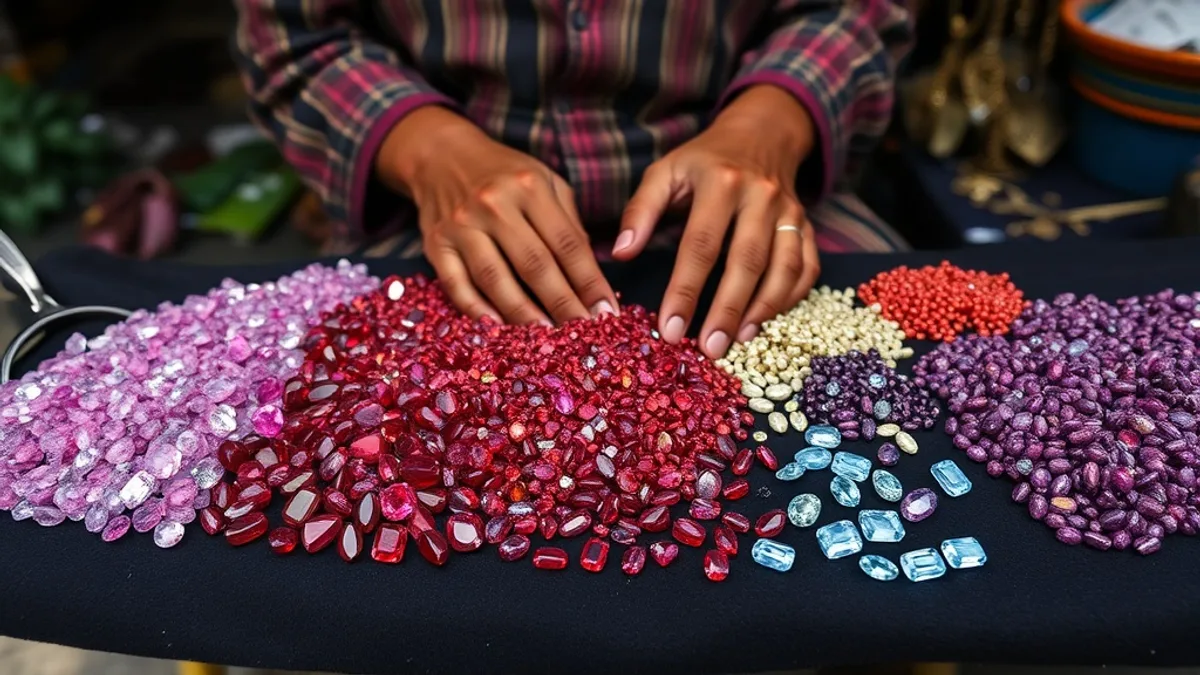
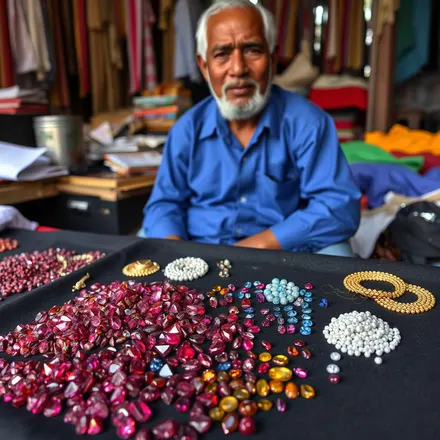
Long before Trat became known as the gateway to Koh Chang, the province was one of Southeast Asia's most strategically important gemstone trading points — a function of its proximity to the ruby and sapphire deposits of Cambodia's Pailin district, just across the border. The trade has operated continuously for decades, surviving political upheavals, border closures, and the shifting economics of the global gem market, and it continues today in a concentrated market area along Sukhumvit Road in Trat town. This is not a tourist gem market with inflated prices and high-pressure vendors — it is a working trade market where Thai, Cambodian, and Chinese dealers buy and sell certified stones with the focus and efficiency of professionals. Visitors who enter with appropriate knowledge and realistic expectations can access genuinely significant stones at prices substantially below what the same quality would cost in Bangkok or international gem markets.
Overview
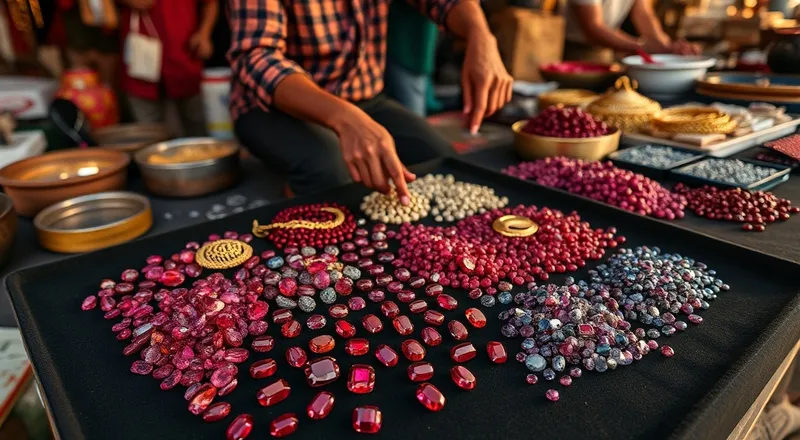
The Trat gem market is concentrated in a relatively small area along the main Sukhumvit Road, with the most active trading in a cluster of shophouses and open-front stalls that operate primarily on weekday mornings. By mid-afternoon, many of the specialist dealers have concluded their business for the day, making the 9am-noon window the most productive for visitors seeking to observe or purchase.
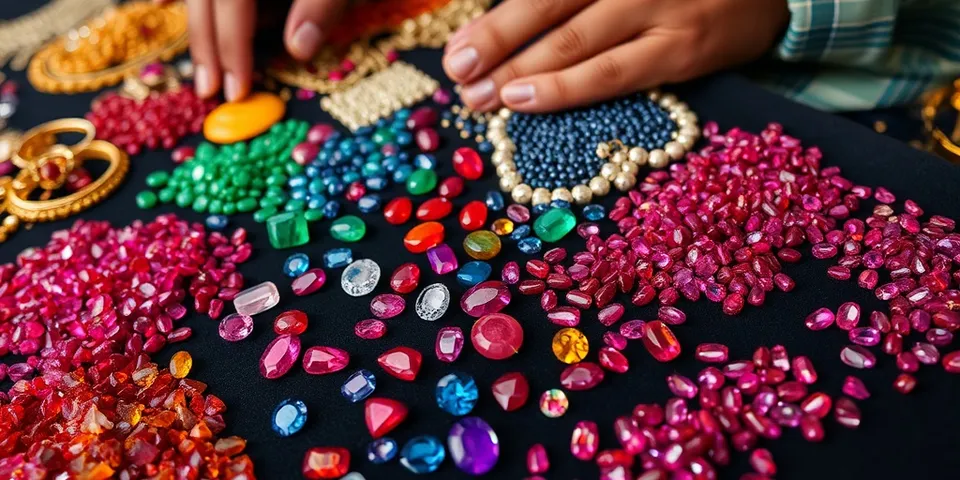
The primary stones in the Trat market are star rubies and star sapphires — cabochon-cut stones that display a characteristic six-pointed star asterism when light moves across the surface, caused by needle-like rutile inclusions within the crystal structure. Pailin in Cambodia, just 80 kilometres across the border, has produced these stones for centuries and remains one of the world's most important sources for high-quality star rubies. The quality range in the Trat market is broad: tourist-grade star rubies with weak asterism and inconsistent colour start at 500-1000 THB, while high-quality natural star rubies with deep pigeon-blood colour, strong star, and good transparency can reach 5000-8000 THB for small to medium sizes, with exceptional specimens commanding significantly more.
Star sapphires from the same Cambodian sources range from pale greyish blue to deep ink blue. The Geuda sapphire (Sri Lankan origin, heat-treated) is also commonly traded here. Blue sapphires, yellow sapphires (from the Thai mining areas of Kanchanaburi), and occasional emeralds from Myanmar round out the market's inventory.
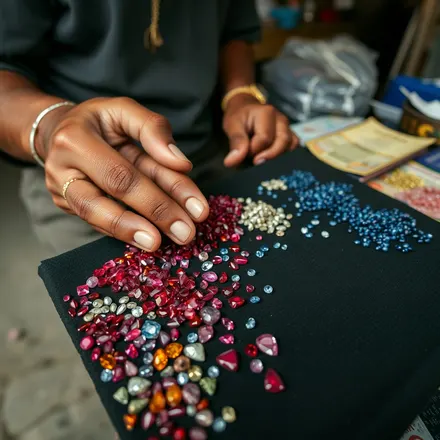
Buying safely requires attention to documentation. Reputable dealers in the Trat market operate with GIA-style certification for higher-value stones and will not object to examination under a loupe (magnifying glass). The critical distinction between natural untreated stones and heat-treated or glass-filled specimens is important to the price — ask specifically whether the stone has been treated, and look for dealers who answer this question directly rather than evasively. Gem cutting workshops operated by some dealers offer fascinating demonstrations of the lapidary process — stones being shaped on carborundum wheels, polished on leather laps — and these visits are genuinely educational regardless of purchasing intent.
Chanthaburi, 75 kilometres west of Trat along Route 3, is Thailand's larger and more famous gem trading centre with a significantly broader market operating on weekend mornings. For serious buyers, making the combined Trat-Chanthaburi circuit is worthwhile.
Highlights
- One of Southeast Asia's historically significant gem trading corridors near Cambodian mines
- Star rubies and star sapphires from Pailin, Cambodia — premier global source
- Working trade market primarily for professionals — authentic not tourist-oriented
- Market most active weekday mornings 9am-noon on Sukhumvit Road
- Quality range from 500 THB tourist-grade to 8000+ THB for premium natural stones
- Gem cutting demonstrations at some dealer workshops
- GIA documentation available at reputable dealers for certified stones
- Chanthaburi gem market 75km west for a larger combined gem circuit
- Yellow sapphires from Kanchanaburi and Cambodian emeralds also traded
- Historical context of the Thai-Cambodian gem trade route spanning decades
Weekday mornings between 9am and noon are when the market is most active and dealer presence is highest. Weekend activity is reduced as many professional traders are in Chanthaburi for that city's famous Saturday-Sunday gem market. Visit Trat market on a weekday and Chanthaburi on the weekend to cover both for a combined gem circuit.
Practical Information
Cost Level
Tourist-grade star rubies (weak asterism, commercial quality): 500-1500 THB. Mid-grade star rubies (decent colour, clear star): 2000-5000 THB. High-grade natural star rubies (deep colour, strong asterism, GIA documentation): 5000-15000+ THB. Star sapphires: similar pricing range. Gem cutting demonstration at a workshop: free or small courtesy purchase expected. Budget 0-5000 THB for a casual browsing visit with modest purchases; serious gem acquisition can scale to any budget.
Tips
Bring a small magnifying glass (loupe) or download a jeweler's loupe app on your phone before visiting — being able to examine stones independently changes your negotiating position. Never buy without examining in natural daylight — the stones look best under strong light, so step outside the shop to evaluate. The most important rule: buy only what you genuinely find beautiful at a price you genuinely find acceptable, without pressure. Reputable dealers do not rush buyers.
Our creators on the ground in Trat share their best recommendations in their videos.
Creators who cover this spot
Discover YouTube creators who feature this topic in their videos.

Adventures Joel
British adventure vlogger exploring Thailand by motorbike.

Bald and Bankrupt
British travel creator specializing in off-the-beaten-path exploration of Thai communities and culture.

Discover Thailand
Christian
Discover Thailand – Deutscher Thailand Reise-Creator auf YouTube.
Places in this Guide
Discover the attractions and locations featured in this travel guide.
Explore Trat
Trat
ตราดTrat is Thailand's easternmost province, bordering Cambodia and home to some of the country's most stunning island desti...All creators from Trat →Location & Orientation



Frequently Asked Questions
What is a star ruby and how do I identify a good one?
A star ruby is a corundum (ruby) crystal containing dense parallel needles of rutile that, when the stone is cut as a smooth dome (cabochon), create a three-dimensional six-pointed star visible when light moves across the surface. A high-quality star ruby has: deep, vivid red colour (the 'pigeon blood' standard); a sharp, centred, complete six-pointed star that moves cleanly across the dome when you tilt the stone; good transparency (not too milky); no visible fractures or inclusions disrupting the body. Poor-quality stones have a faint, incomplete, or off-centre star; pale or brownish-red colour; and excessive milkiness. Examine in bright, direct light — a small torch is ideal.
How do I know if a stone is treated or natural?
This is the most important question to ask any gem dealer, and the answer significantly affects value. Heat treatment is the most common treatment for rubies and sapphires — it permanently improves colour and clarity. Heat-treated stones are worth considerably less than untreated natural specimens of equivalent appearance. Glass filling (fracture filling) is a more severe treatment that strengthens and clarifies highly included stones using lead glass; these are essentially worthless by gem industry standards. Ask the dealer directly, in writing if possible: 'Is this stone natural and untreated? Does it have a certificate?' Reputable dealers answer this question without hesitation. GIA or similar laboratory certificates specifically state treatment status.
Is it safe to buy gems in Trat without expert knowledge?
Casual purchases at the lower price points (500-2000 THB) carry minimal financial risk and can yield attractive stones for personal use. At these price points, exact gem quality matters less than whether you find the stone beautiful. For significant purchases above 3000-5000 THB, either bring someone with gem knowledge, request a GIA or AIGS certificate from the dealer, or limit yourself to reputable established shops with physical premises and a clear track record. Avoid buying from informal vendors at the ferry pier or street markets — the market concentration on Sukhumvit Road represents the legitimate trade. The gem scam risk in Trat is lower than in Bangkok tourist areas, but standard due diligence always applies.
What is the difference between the Trat and Chanthaburi gem markets?
Chanthaburi, 75 kilometres west of Trat, has Thailand's largest and most internationally famous gem trading market, concentrated in a dedicated gem trading district and most active on Saturday and Sunday mornings. It trades a broader range of stones from more origins and at higher volumes. The Trat market is smaller, more focused on Cambodian border-source stones (star rubies and star sapphires in particular), and operates on weekdays. Chanthaburi is the better destination for breadth of selection and international trading activity. Trat is more intimate and more specifically connected to the Pailin Cambodian source stones. Combining both in a single trip — weekday in Trat, weekend in Chanthaburi — gives the most complete picture of the Eastern Seaboard gem trade.
Can I legally bring gemstones back to my home country?
Loose gemstones are generally not regulated for export from Thailand and not restricted for personal import in most countries in reasonable quantities. However, rules vary by country and by declared value — customs regulations typically require declaration of goods above certain thresholds (the specifics depend on your nationality and destination country). Keep all receipts from your gem purchases as documentation. Commercial quantities (buying to resell) may be subject to import duty and gem trade licensing requirements in your home country. Consult your country's customs authority guidelines before making significant purchases you plan to export.