Introduction
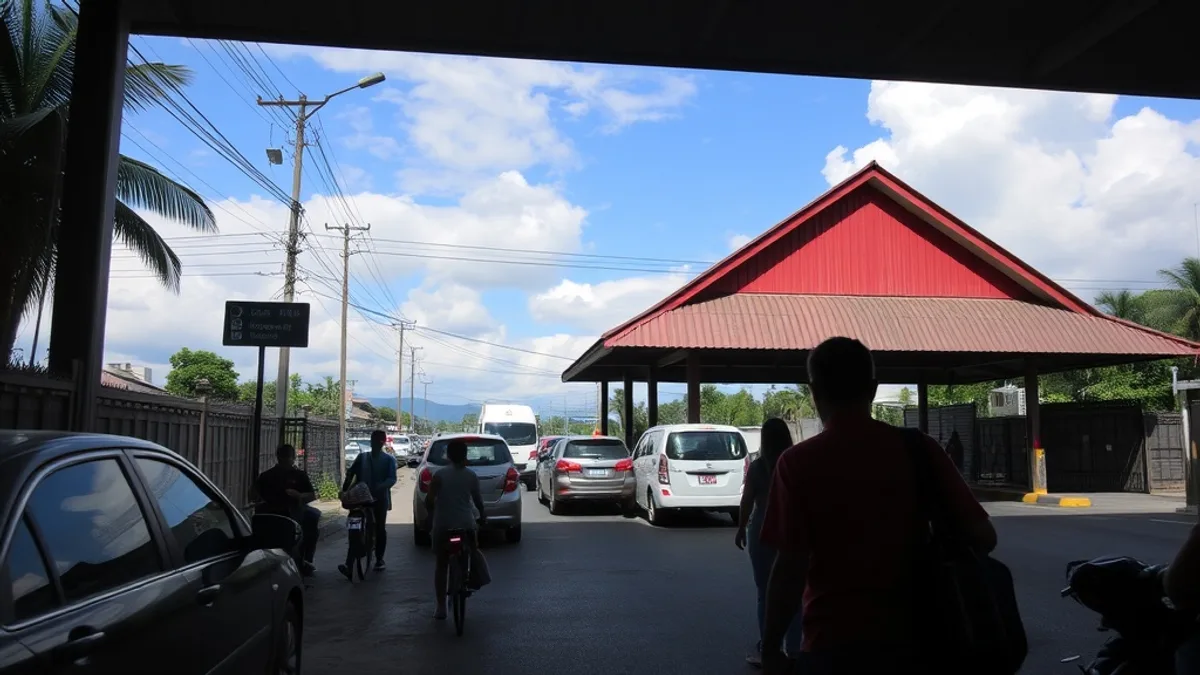
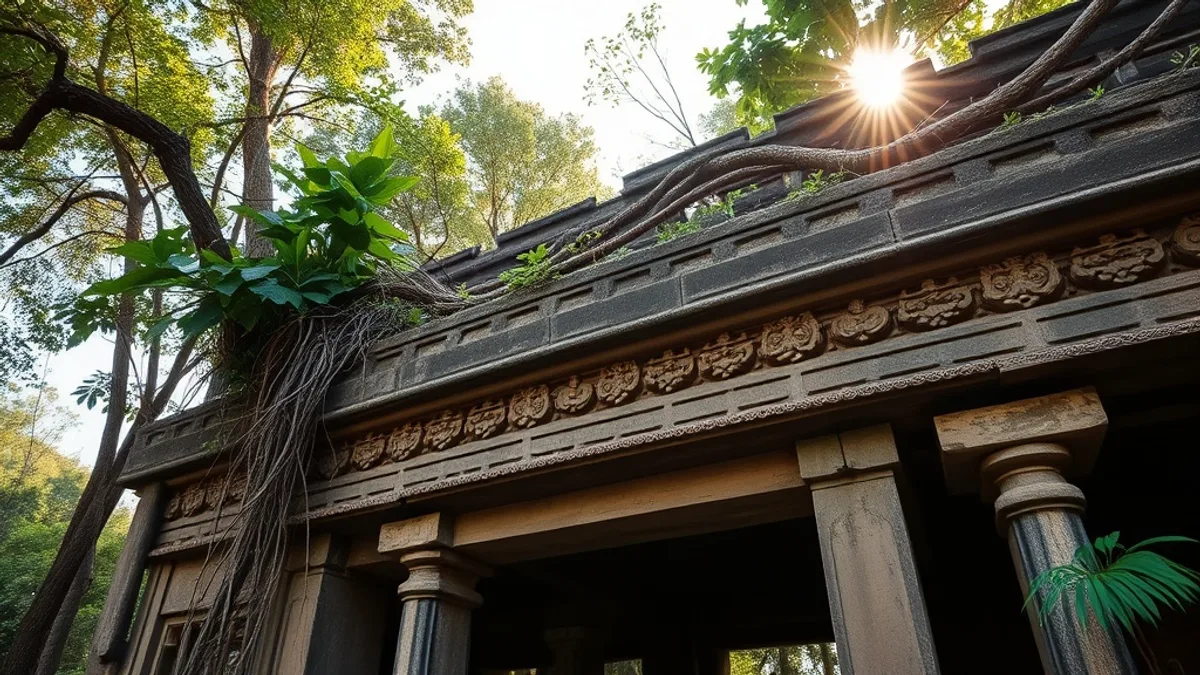
Trat is where Thailand ends and Cambodia begins, and the cultural landscape near this border carries the accumulated weight of centuries of interaction, competition, and exchange between two of Southeast Asia's most distinctive civilisations. The border town of Hat Lek sits at Thailand's southernmost land crossing to Cambodia, a working frontier where traders, travellers, and fishing families cross daily with a matter-of-fact normalcy that belies the historical complexity of this territory. The Cambodian influence on Trat's food, language, and spiritual culture is not performative or tourist-packaged — it is structural and genuine, found in the fermented crab paste used in local cooking, in certain temple decorations that lean toward Khmer rather than Central Thai aesthetics, and in the easy bilingualism of families that have always operated across the border.
Overview
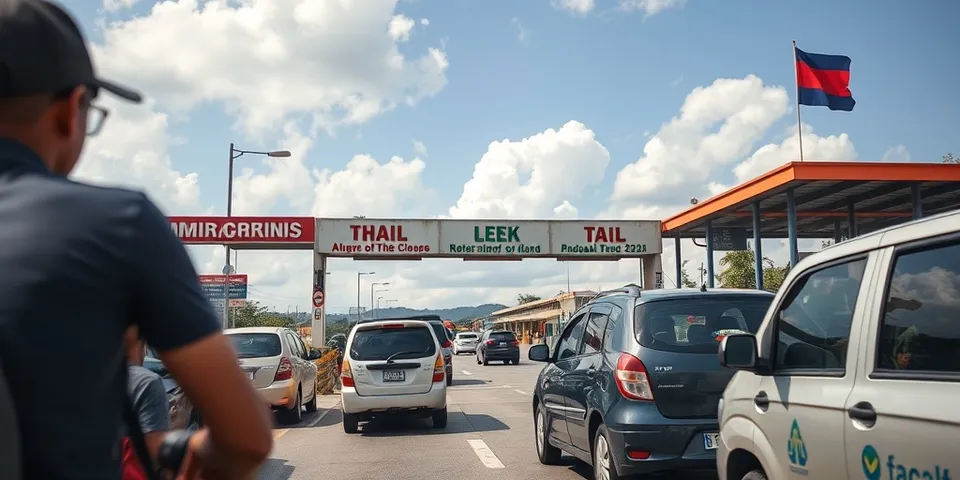
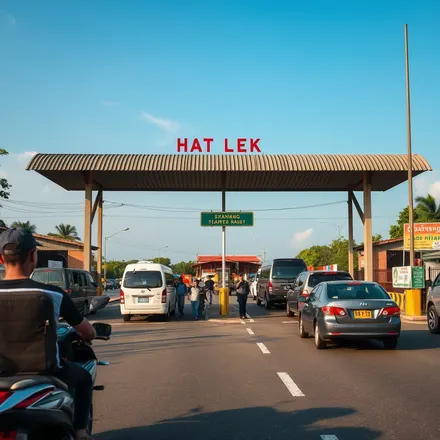
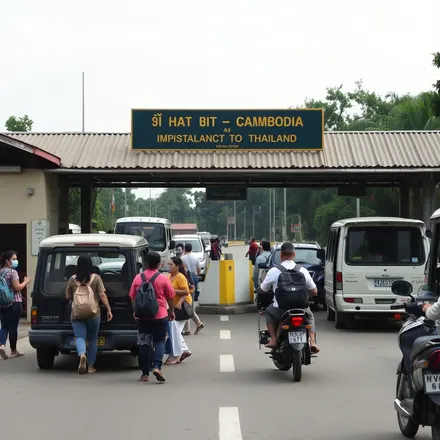
Hat Lek, the southernmost Thai-Cambodian land border crossing, sits approximately 90 kilometres south of Trat town along Route 3. The town itself is a modest frontier settlement with a straightforward border economy — import/export trade, a small casino catering to Thai visitors (gambling is illegal in Thailand but not in Cambodia), and the practical infrastructure of fishing communities that share the coastal waters between the two countries. The border opens daily and operates straightforwardly: Thai exit, brief walk across, Cambodian entry, visa on arrival available (approximately 800-1500 THB total when accounting for transport and fees).
The cultural exchange visible in Trat's markets carries a distinct Cambodian flavour. Certain market stalls in Trat town sell Khmer-style fermented fish products — prahok (Cambodian fermented fish paste), similar in function to Thai shrimp paste but with a different, earthier flavour profile — alongside Thai condiments. Lemongrass-heavy soups with a Khmer structural influence appear on menus that also include standard Thai dishes. Lotus root salads prepared with roasted peanuts and dried shrimp reflect the cross-pollination of cooking traditions on both sides of the border.
Koh Kong Province in Cambodia begins just across the Hat Lek border, and on clear days the green hills of Cambodian territory are visible from the Thai coast. Koh Kong town is accessible from the border crossing and offers a very different Southeast Asian experience — rougher infrastructure, lower prices, and the particular atmosphere of a Cambodian coastal province that sees relatively few international visitors. The Cardamom Mountains behind Koh Kong represent one of the largest intact tropical rainforest ecosystems in Southeast Asia.
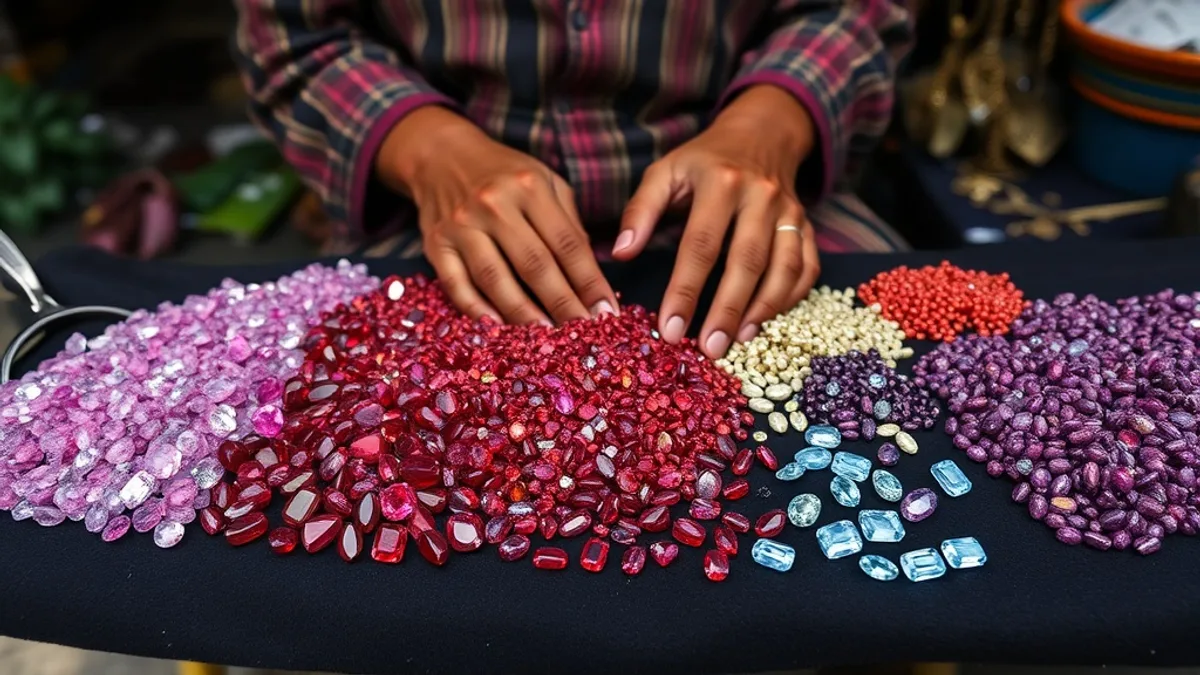
The gem trade connection between Trat and Cambodia's Pailin district is another dimension of this cross-border cultural exchange. Cambodian gem traders have operated in Trat for generations, and the social fabric of the gem market includes Thai-Cambodian families whose commercial relationships predate the modern border infrastructure. The historical context of Thai-Cambodian territorial relations — including the Preah Vihear temple dispute that reached the International Court of Justice — adds geopolitical depth to what might otherwise appear as simple geography. Today the border is normalised and the crossing straightforward, with both countries benefiting from the commercial exchange.
Highlights
- Hat Lek border crossing — Thailand's southernmost land entry to Cambodia
- Koh Kong Province visible from the Thai coast — access to Cambodian Cardamom Mountains
- Cambodian food influences in Trat markets — prahok, lemongrass soups, lotus salads
- Cross-border families and gem traders with multi-generational Thai-Cambodian ties
- Cambodia visa on arrival available at Hat Lek crossing
- Koh Kong town accessible for a genuine Cambodian border town experience
- Khmer architectural decorative influences in some Trat province temples
- Historical context of Thai-Cambodian border relations and modern normalization
- Border market atmosphere with goods flowing from both sides
- Combined border crossing with Koh Kong's Cardamom Mountain nature tourism
The border crossing is open year-round, typically from approximately 7am to 8pm. Visit during weekday mornings for the most active market atmosphere and least crowded crossing process. The coastal road south from Trat to Hat Lek is pleasant in the cool season (November-March) for driving with windows down. If extending into Cambodia, November-April is the best Cambodian travelling season with dry weather and passable roads.
Practical Information
Cost Level
Minivan or bus from Trat town to Hat Lek: approximately 150-200 THB. Cambodia tourist visa on arrival: USD 30 (approximately 1000-1100 THB). Border formalities fees (sometimes charged informally): budget an extra 100-200 THB for unexpected charges. Taxi from Hat Lek border to Koh Kong town: approximately USD 5-10. Day trip crossing budget: 600-1200 THB including transport from Trat and border fees. Overnight in Koh Kong: budget guesthouses from 300-600 THB equivalent.
Tips
Bring your passport, a passport photo, and USD 30 (US dollars are the standard currency in Cambodia, preferable to paying in THB at unfavourable exchange rates). Cambodian visas on arrival are straightforward at Hat Lek for most Western nationalities — check your country's eligibility before travel. The border road south of Trat passes through pleasant coastal scenery and several fishing villages worth a stop. Keep modest expectations for the border area itself — it is a working frontier, not a tourist attraction.
Our creators on the ground in Trat share their best recommendations in their videos.

Places in this Guide
Discover the attractions and locations featured in this travel guide.
Explore Trat
Trat
ตราดTrat is Thailand's easternmost province, bordering Cambodia and home to some of the country's most stunning island desti...All creators from Trat →Location & Orientation

Frequently Asked Questions
Is it safe to cross from Trat into Cambodia at Hat Lek?
Yes, the Hat Lek crossing is a routine, well-established land border used daily by Thai and Cambodian nationals, traders, and some international tourists. The formalities are standard and uncomplicated for most Western nationalities. Petty overcharging of unofficial 'fees' does occasionally occur at Cambodian entry — budget 100-200 THB extra for this eventuality and remain calm and firm. Do not carry significant cash or valuables unnecessarily. The border town area on both sides is a working frontier environment rather than a polished tourist destination, but basic safety is not a concern.
What can I see in Koh Kong, Cambodia just across the border?
Koh Kong Province offers several distinct attractions for those crossing at Hat Lek. Koh Kong town is a small Cambodian coastal town with a very different atmosphere from Thai coastal towns — cheaper prices, simpler infrastructure, and the particular energy of a frontier economy. The Cardamom Mountains behind Koh Kong represent one of Southeast Asia's largest intact rainforest ecosystems, with hiking and wildlife options. Koh Kong Island (not to be confused with Koh Chang) is an undeveloped beach island accessible by boat. Tatai Waterfall and the Tatai River offer kayaking and nature tourism. Koh Kong Casino is also significant as a destination for Thai visitors, since gambling is legal in Cambodia.
What Cambodian food influences can I find in Trat?
The clearest Cambodian culinary influence in Trat is in fermented fish products. Prahok — Cambodian fermented fish paste — appears in some Trat market stalls and in cooking used along the border communities, providing a flavour base that differs from Thai shrimp paste. Lemongrass-heavy soups with coconut milk resemble Cambodian Samlor Korko in their herb profile. Lotus root preparations — salads with roasted peanuts, dried shrimp, and lime — cross the cultural boundary between Thai and Khmer cooking traditions. The influences are subtle and integrated rather than obvious, appearing as flavour notes in dishes that are otherwise Thai in form.
What is the history of the Thai-Cambodian border around Trat?
The Thai-Cambodian boundary in this area was formalised during the French colonial period when Cambodia was part of French Indochina. Prior to colonial demarcation, the border region was fluid, with communities on both sides sharing common cultural, linguistic, and trade connections. The Khmer Empire historically had significant influence over parts of eastern Thailand, including the temple construction tradition visible at sites like Phanom Rung in Buriram. Modern tensions have been concentrated further north around the Preah Vihear temple, which was awarded to Cambodia by the International Court of Justice in 1962 but remained disputed. The Trat-Hat Lek-Koh Kong border area has generally been peaceful and commercially functional.
Can I visit Cambodia just for a day trip from Trat?
Yes, a day trip from Trat to Koh Kong is feasible. Take a morning minivan from Trat town to Hat Lek (approximately 150-200 THB, 2 hours), cross the border with visa on arrival (USD 30), take a taxi to Koh Kong town (10-15 minutes, USD 5-10), spend 4-5 hours exploring, then return to the border and cross back to Thailand before late afternoon. This gives you a genuine Cambodian frontier town experience with comfortable logistics. For the Cardamom Mountains or Koh Kong Island, an overnight stay in Cambodia is necessary to do them justice.