Introduction
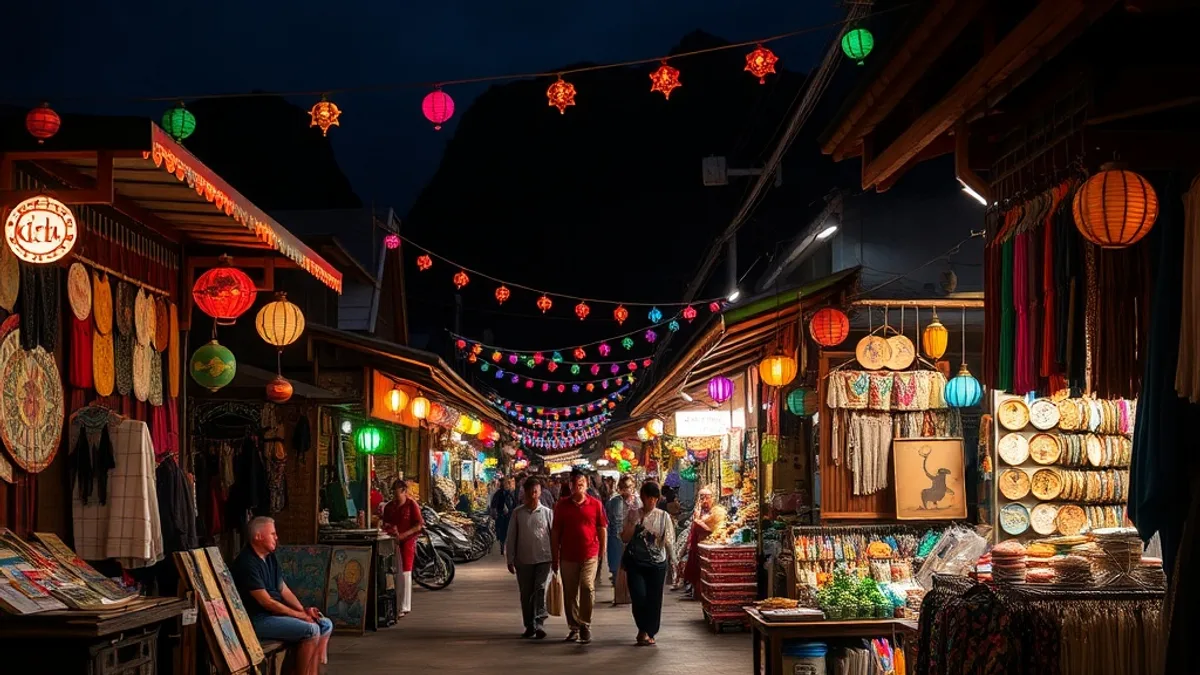
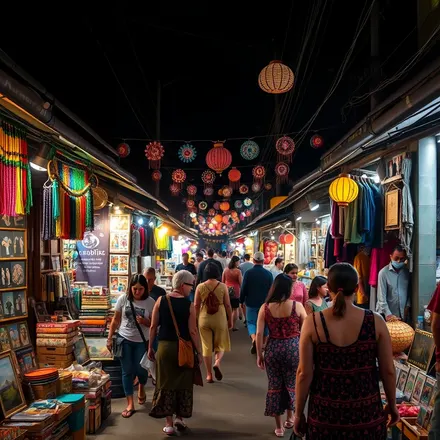
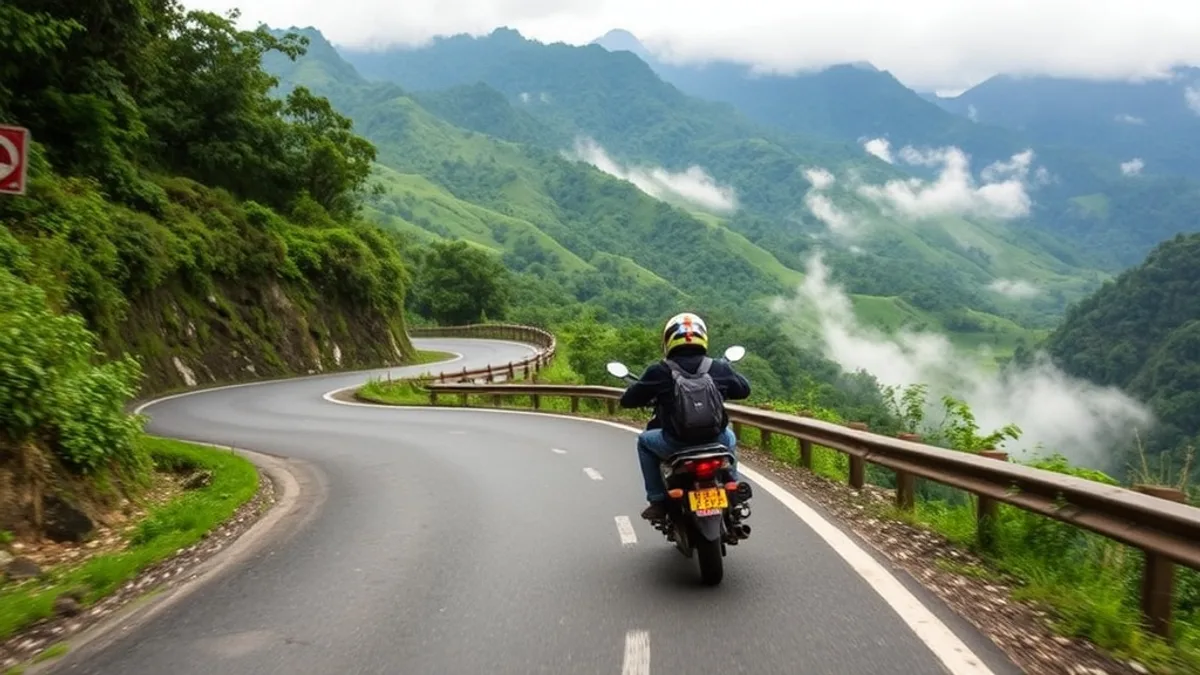
There are towns in Southeast Asia that acquire a gravitational pull far exceeding anything their size or infrastructure would suggest. Pai is one of them. Tucked into a mountain valley in Mae Hong Son Province, roughly 130 kilometres northwest of Chiang Mai along a road infamous for its 762 curves, this small northern Thai town has spent the last three decades quietly accumulating a reputation as the place where travellers arrive for two nights and leave three weeks later, somewhat bewildered about what happened. The answer is partly the mountain air, partly the absence of anything urgent to do, and partly the extraordinarily dense concentration of artists, musicians, long-term expatriates, and free-spirited wanderers that Pai has gathered around itself like a slow, beautiful magnet. Walking Street transforms Chaisongkram Road each evening into a lantern-lit corridor of craft stalls, live music drifting from open-fronted bars, and the particular low-frequency hum of a place completely at ease with itself. Pai does not perform for visitors — it simply exists, and invites you to do the same.
Overview
Pai's transformation from quiet Karen and Shan market village to one of Thailand's most distinctive traveller destinations unfolded gradually over the 1990s and accelerated dramatically in the early 2000s, when Thai and international backpackers discovered that the town's combination of extraordinary natural scenery, cheap accommodation, and pleasantly cool mountain climate produced something that larger cities could never manufacture: genuine slowness. The town has grown considerably since those early days, but it has managed to retain an essential character that resists the homogenisation that has flattened so many other traveller destinations. The reason, in part, is that Pai continues to attract people who want to make things rather than simply consume them — artists, musicians, woodworkers, jewellers, ceramicists, and writers who arrive on a short visit and find themselves renting studios and staying for seasons.
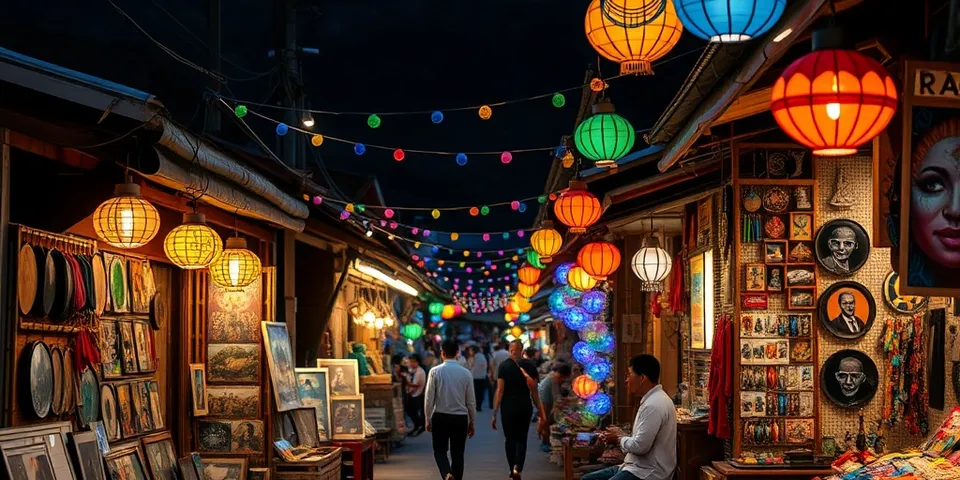
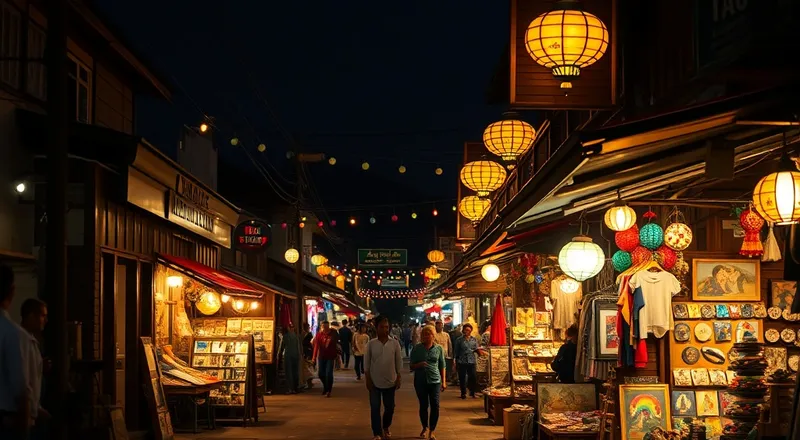
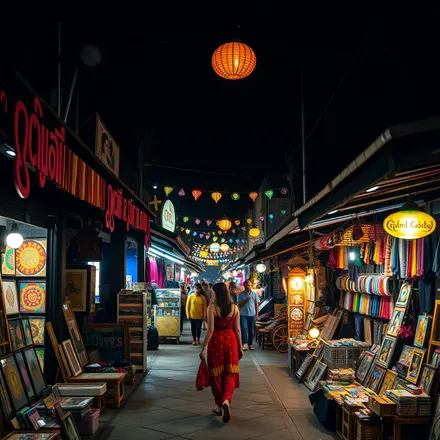
The Walking Street along Chaisongkram Road is the most concentrated expression of this creative energy. Every evening from around 5 PM until 10 PM, the street closes to vehicles and fills with stalls selling handmade jewellery, batik clothing, embroidered textiles, hand-poured candles, small-batch hot sauces, locally roasted coffee, and an astonishing variety of art that ranges from genuine originality to cheerful tourist kitsch. The key is that the makers are present — unlike the mass-produced market goods of larger Thai cities, much of what you find on Pai's Walking Street was made that day, or that week, by the person selling it. The atmosphere is less commercial than communal: vendors chat with each other across stalls, musicians set up wherever the acoustics feel right, and the smell of grilling corn and coconut pancakes provides a persistent sensory thread through the whole evening.
Beyond the Walking Street, Pai's art scene extends across the whole town in a loose, unhurried network of galleries, studios, and decorated spaces. The bamboo bridge on the eastern side of town — a seasonal structure rebuilt each year by the local Shan community — leads across a rice paddy to a small art village where studios operate at the pace of the landscape: slowly, with long pauses. The walls of buildings throughout central Pai are covered in murals ranging from intricate mandala patterns to political statements to pure visual play, making a walk through town feel like moving through a curated outdoor gallery. Vintage clothing shops and handicraft boutiques occupy the streets off the Walking Street, offering pre-owned Thai hill tribe textiles, Japanese denim, and locally made leather goods at prices that reflect the town's generally unhurried relationship with commerce.
Approximately six kilometres west of Pai lies Santichon Village, a settlement established by Yunnanese Chinese (KMT) soldiers and their families who crossed into Thailand from Yunnan province following the Chinese Civil War. The village maintains a distinct Chinese character with traditional architecture, tea houses serving Pu-erh tea, and a small museum documenting the extraordinary journey of its founders. A visit to Santichon makes for an excellent half-day trip from Pai that adds an unexpected layer of historical and cultural complexity to what might otherwise feel like a purely bohemian itinerary. The live music venues along the side streets of central Pai — particularly the cluster of bars between the Night Market and the river — operate every evening with a relaxed open-mic culture that has launched a surprising number of careers. Edible Jazz, Namsang, and a rotating cast of smaller venues provide the soundtrack to Pai's evenings: acoustic, unhurried, and slightly irresistible.
Highlights
- Walking Street on Chaisongkram Road — nightly market of handmade crafts, street food, and live music in a lantern-lit mountain-town atmosphere
- Bamboo Bridge art village — seasonal bridge over rice paddies leading to studios and galleries on the eastern edge of town
- Santichon Chinese KMT Village — Yunnanese settlement with traditional architecture, Pu-erh tea houses, and a unique border-history museum
- Pai town street murals — an open-air gallery of murals covering building facades throughout the central streets
- Live music bars (Edible Jazz, Namsang) — nightly acoustic and jazz performances in open-fronted venues with no cover charge
- Vintage and handcraft shopping — locally made jewellery, hill tribe textiles, leather goods, and small-batch artisan products
- Long-stay culture — guesthouses, co-working cafés, and studios that reward weeks rather than nights of exploration
- Night sky over Pai valley — minimal light pollution produces exceptional stargazing from hilltop positions outside town
- The art of doing nothing — hammocks, rice paddy views, and a town pace that actively resists any sense of urgency
November to February is Pai's high season and most atmospheric period — cool nights (10-15°C), clear mountain days, and the Walking Street operating at full vibrancy. The mist that fills the valley each morning during this period is a defining part of the aesthetic. March to May becomes hot and hazy with smoke from agricultural burning across northern Thailand, significantly reducing visibility and outdoor appeal. The rainy season from June to October brings green intensity to the landscape and empties the town of most tourists, producing a quieter, more local Pai that long-term travellers often prefer. Walking Street operates year-round regardless of season.
Practical Information
Cost Level
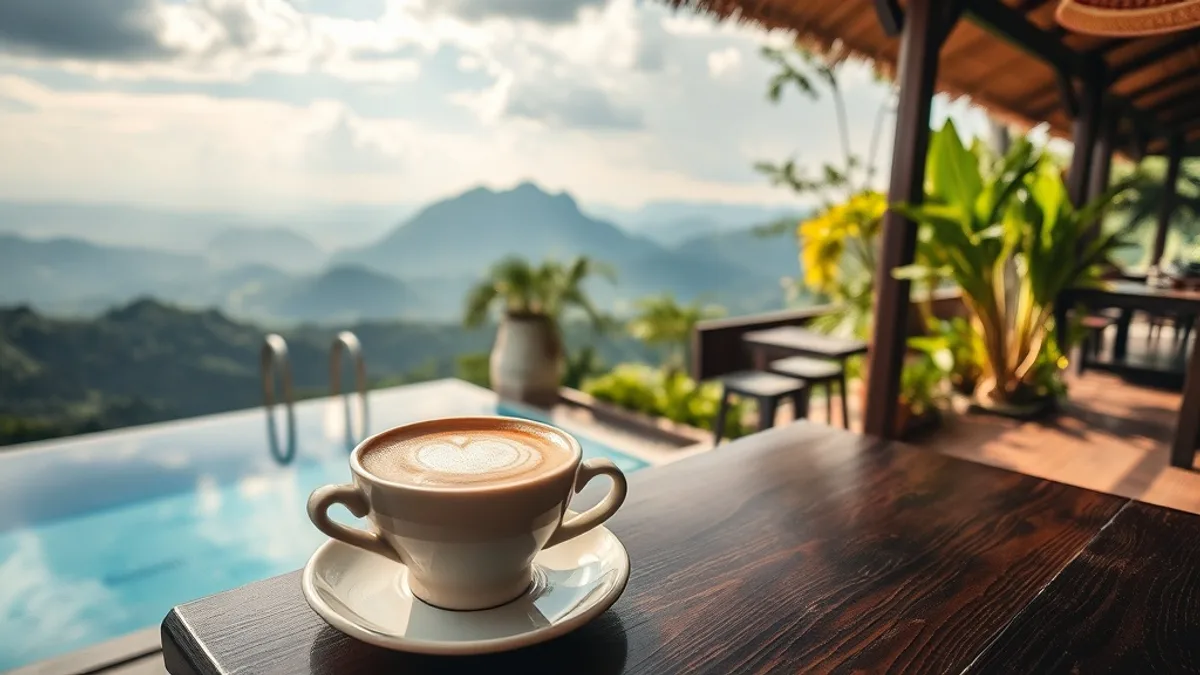
Pai is genuinely affordable even by Thai standards. Guesthouse bungalows with hot showers start at 300-600 THB per night; boutique guesthouses with rice paddy views run 800-1,500 THB. Walking Street food (pad thai, mango sticky rice, barbecued skewers) costs 40-80 THB per item. Sit-down restaurant meals are 80-200 THB. Coffee at the famous hilltop cafés runs 60-120 THB per cup. Santichon village entry costs approximately 50 THB. Motorbike rental for exploring is 200-400 THB per day. A full day in Pai including accommodation, food, a café visit, and the Walking Street typically costs 600-1,200 THB per person.
Tips
The road to Pai from Chiang Mai (762 curves on Mae Highway 1095) causes genuine motion sickness in many travellers — sit at the front of the minibus, take anti-nausea medication, and keep windows open. Arrive in the late afternoon to catch the Walking Street on your first evening. Rent a motorbike for day two and explore the surrounding valley independently — Pai's best discoveries are on unmapped tracks and in roadside villages not on any tour itinerary. Book accommodation in advance for the December to January peak period. The bamboo bridge is seasonal and rebuilt after the rainy season — check locally whether it is open during your visit.
Our creators on the ground in Pai share their best recommendations in their videos.
Creators who cover this spot
Discover YouTube creators who feature this topic in their videos.

Adventures Joel
British adventure vlogger exploring Thailand by motorbike.

Home is where your Bag is
Tobi & Marcel
Home is where your Bag is – Deutsche Suedostasien-Experten auf YouTube.

The Common Wanderer
The Common Wanderer is an Australian travel couple exploring and documenting northern Thailand's culture, destinations, and travel experiences.
Places in this Guide
Discover the attractions and locations featured in this travel guide.
Explore Pai
Pai
ปายPai is a laid-back mountain village tucked away in the valleys of Mae Hong Son province, beloved for its bohemian atmosp...All creators from Pai →Location & Orientation

Frequently Asked Questions
How do I get to Pai from Chiang Mai?
The standard route is by minibus from Chiang Mai Arcade Bus Terminal, which takes approximately 3 to 3.5 hours and costs around 150-200 THB per person. Minibuses run several times daily and can be booked through guesthouses or agencies in Chiang Mai's old city. The alternative is to hire or ride a motorbike along Highway 1095 — a spectacular route requiring genuine riding experience on mountain roads. Public green buses from Chiang Mai take approximately 4 hours. A private car charter runs 2,000-3,000 THB for the whole vehicle. There is a small airport near Pai with charter flights from Chiang Mai operating seasonally, though these are significantly more expensive.
Is Pai too touristy now?
Pai receives significantly more visitors than it did twenty years ago, and some parts of the main street show the signs of that growth. However, the town retains a genuinely bohemian character that distinguishes it from more thoroughly commercialised Thai destinations. The key is knowing where to look: the Walking Street's best stalls are towards the northern end away from the main junction, the art village beyond the bamboo bridge sees very few day-trippers, and the café scene operates at a pace that rewards lingering over a single coffee for two hours. Visitors who arrive expecting a quiet village will find it busier than expected; those who arrive ready to participate in a creative, social mountain-town atmosphere will find it thoroughly rewarding.
What is the Santichon Chinese Village and is it worth visiting?
Santichon is a village settled by Yunnanese Chinese (KMT) troops and their descendants who fled Yunnan Province after the Chinese Communist Party took power in 1949. The families trekked through Burma into northern Thailand and eventually settled in the hills near Pai, maintaining their Yunnanese culture, cuisine, and architectural traditions. Today the village operates as a living cultural site with tea houses serving aged Pu-erh tea, traditional clothing available for photographs, a small cultural museum, and horse riding. The village is genuinely interesting for its unusual historical context and is easily combined with a motorbike ride to the viewpoints west of Pai. Allow two to three hours and a 50 THB entry fee.
Can I find long-term accommodation and co-working spaces in Pai?
Pai has a small but established slow-travel and digital nomad community, supported by a growing number of bungalow complexes offering monthly rates and a handful of cafés with good WiFi and power outlets that function as informal co-working spaces. Monthly bungalow rates run 5,000-12,000 THB depending on quality and location. WiFi speeds are adequate for video calls and remote work in most guesthouses and cafés, though not as fast or reliable as Chiang Mai. The town lacks a dedicated co-working centre in the formal sense but the combination of long café hours and the general population's acceptance of laptop work makes it entirely functional for a working stay of one to three months.
What is the best thing to do in Pai if I only have one day?
With a single day in Pai, start by renting a motorbike in the morning (200-400 THB) and riding to Yun Lai Viewpoint to see the valley, then continuing to the hot springs (200 THB entry) for a mid-morning soak. Return to town for lunch at one of the riverside restaurants on the Mae Nam Pai, then spend the afternoon wandering the art shops and studio galleries in the streets off the Walking Street. In the evening, walk the full length of the Walking Street on Chaisongkram Road, eat from the street food stalls, and finish at one of the live music bars for an acoustic set. This itinerary covers both the natural and cultural highlights within a single day.