Introduction
While millions of travelers flock to Thailand's Andaman coast or the Gulf islands of Samui and Phangan, Koh Chang quietly offers one of the country's most rewarding island experiences with a fraction of the crowds. Thailand's second-largest island sits in Trat Province near the Cambodian border, its mountainous interior blanketed in primary rainforest that gives way to long western beaches, hidden waterfalls, and fishing villages that still operate much as they have for decades. The island's relative remoteness — a five-hour drive from Bangkok followed by a short ferry crossing — has kept mass development at bay, preserving stretches of jungle coastline and an atmosphere that feels genuinely laid-back rather than manufactured. From the lively tourist strip at White Sand Beach to the backpacker haven of Lonely Beach and the traditional fishing community of Bang Bao built on stilts over the water, Koh Chang rewards travelers willing to venture beyond Thailand's most marketed destinations. The surrounding archipelago, including the ultra-quiet islands of Koh Mak and Koh Kood, extends the adventure for those seeking true seclusion. This guide maps out everything you need to know about exploring Koh Chang and its island neighbors.
Overview
White Sand Beach stretches along Koh Chang's northwest coast as the island's most developed strip, lined with resorts, restaurants, and convenience stores. The beach itself is attractive with fine pale sand and calm water, and while it draws the most visitors, it never approaches the density of Phuket's Patong or Samui's Chaweng. Walking south along the coast leads to Pearl Beach and then Klong Prao Beach, a quieter stretch bisected by a mangrove-lined canal that empties into the sea. Kayaking up this canal through the mangroves is one of the island's most peaceful experiences, with monitor lizards sunning on the banks and kingfishers darting between the branches. Kai Bae Beach continues the southward progression with a compact, village-like atmosphere and excellent sunset views toward the offshore island of Koh Man Nai. The beach is narrower than its northern neighbors but compensates with a relaxed social scene and good snorkeling off the southern rocks. Lonely Beach — despite its name — has evolved into Koh Chang's backpacker and party hub, with beachfront bars, live music, and budget accommodation attracting younger travelers.
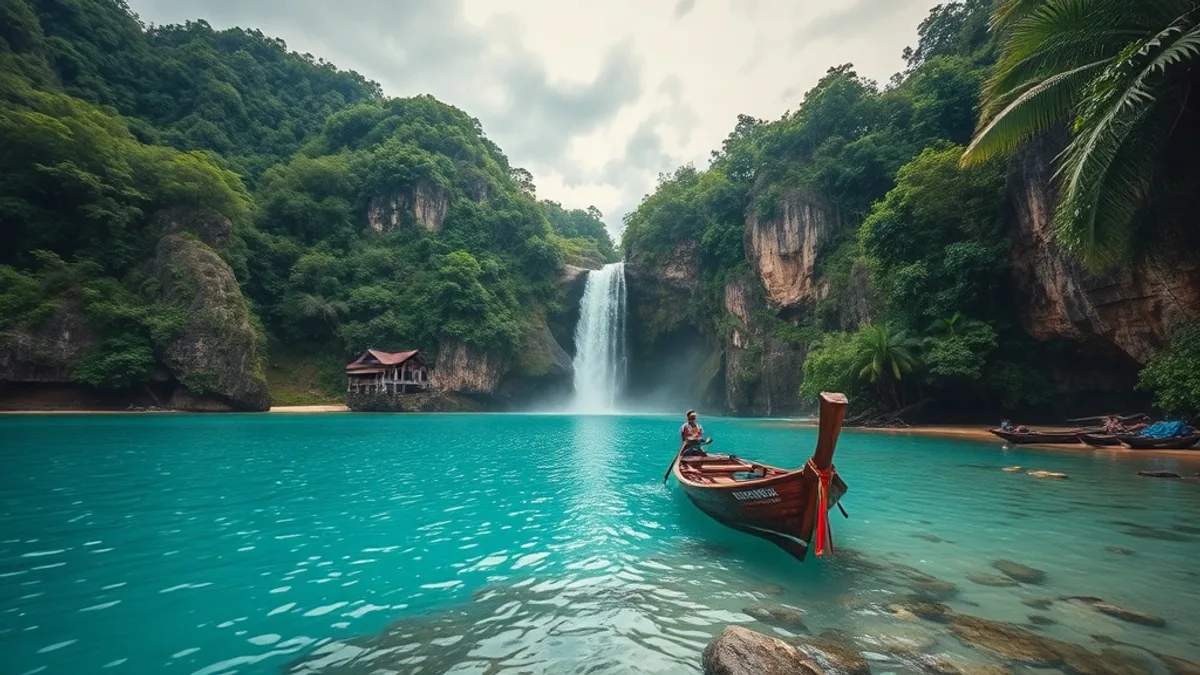
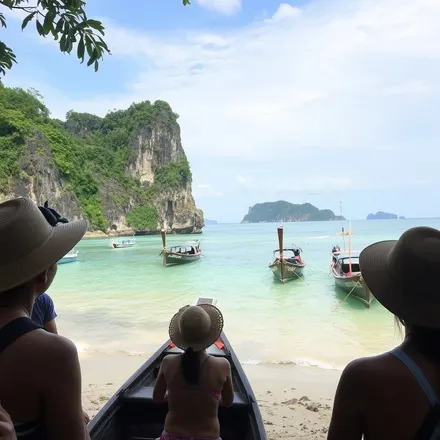
The beach itself is scenic and less manicured than the northern options, with a wilder, jungle-meets-sand character. The deep south of the island belongs to Bang Bao, a fishing village built entirely on wooden piers extending over the water. The main pier has been converted into a walkway of small shops, dive operators, and seafood restaurants, with longtail boats and speedboats departing for snorkeling trips and island-hopping tours from the end of the pier. The atmosphere is unique — eating fresh crab at a restaurant perched above the turquoise water with fishing boats rocking below creates a memory that outlasts any beach day. Koh Chang's interior is dominated by mountains reaching over 700 meters, covered in dense tropical rainforest. Several waterfalls punctuate the western slope, with Klong Plu being the most accessible — a paved trail through the national park leads to a multi-tiered cascade with a deep natural pool perfect for swimming. Than Mayom Waterfall on the quieter east coast is less visited but historically significant, bearing the carved initials of King Rama V and Rama VII who visited in the early twentieth century.
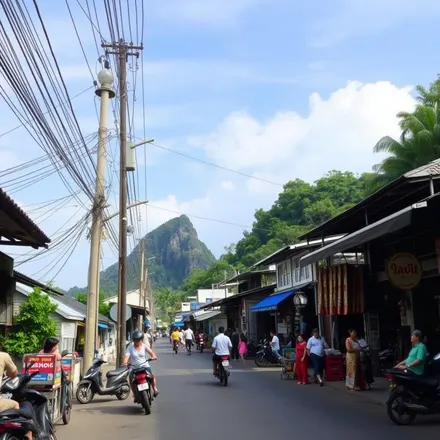
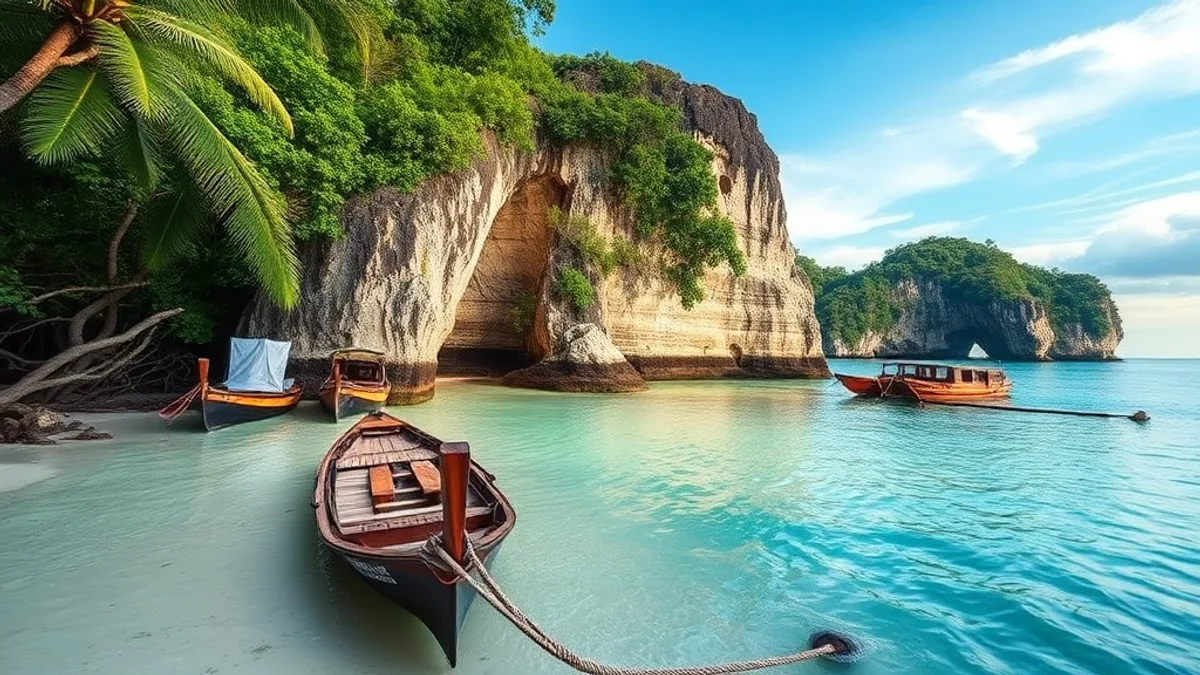
The island's east coast remains largely undeveloped, with a single road winding through rubber plantations and fishing hamlets that see very few tourists. Renting a motorbike and exploring this coast provides a glimpse of island life untouched by tourism. Beyond Koh Chang, the Trat archipelago extends southeast toward Cambodia. Koh Mak is a flat, coconut palm-covered island with no hills, no nightlife, and no traffic — just quiet beaches, family-run resorts, and the sound of waves. Koh Kood, the largest of the outer islands, is even more spectacular: crystal-clear rivers flowing through jungle to pristine white beaches, with limited development that maintains an exclusive castaway atmosphere. Speedboats connect all three islands, making multi-island itineraries straightforward during the high season.
Highlights
- Kayak through mangrove-lined canals at Klong Prao Beach with monitor lizards and tropical birds
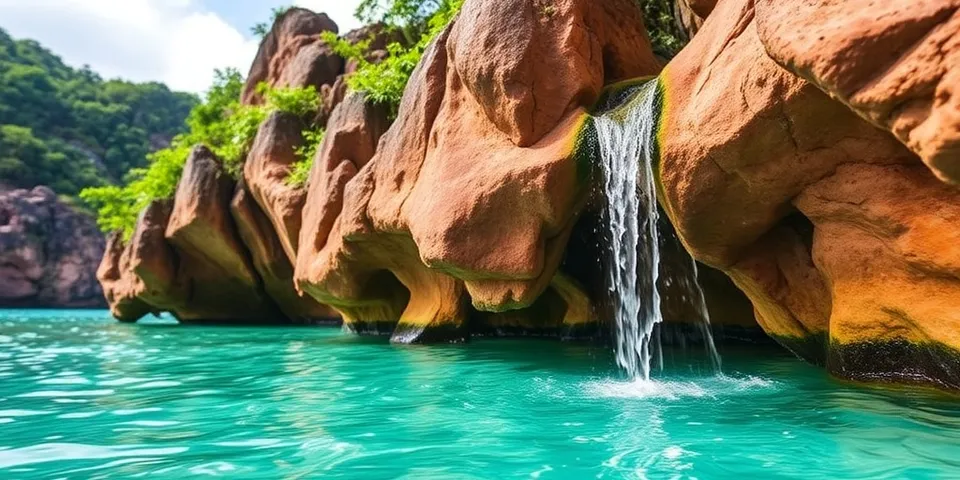
- Swim beneath the multi-tiered Klong Plu Waterfall in the national park's lush jungle interior
- Dine on fresh seafood at Bang Bao's over-water pier village with fishing boats rocking below
- Ride a motorbike along the undeveloped east coast through rubber plantations and quiet fishing hamlets
- Snorkel colorful reefs on a day trip from Bang Bao pier to the surrounding small islands
- Discover the ultra-quiet paradise of Koh Kood with crystal rivers and pristine white beaches
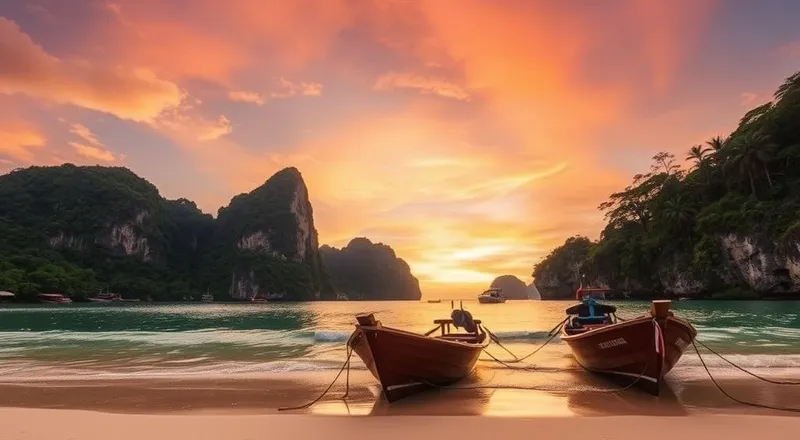
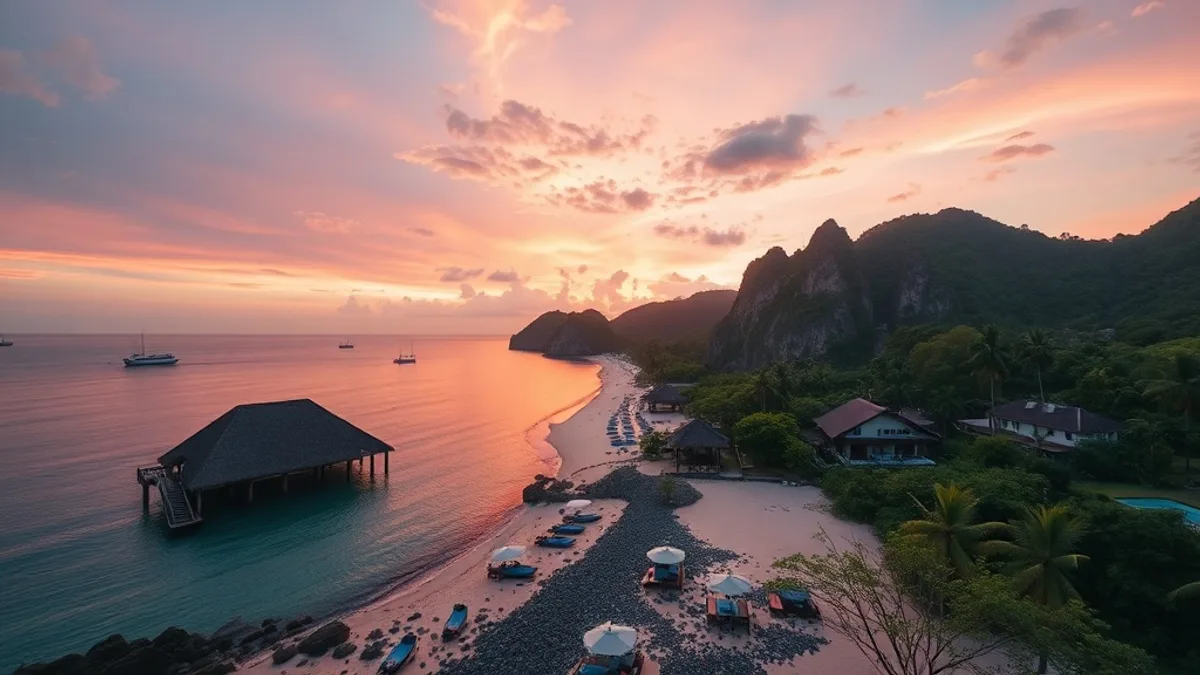
- Watch the sunset from Kai Bae Beach with views across the water to the silhouetted outer islands
- Explore Lonely Beach's laid-back atmosphere where jungle meets sand at the island's bohemian heart
The dry season from November to April offers the best weather with calm seas and clear skies. December to February is peak season with the most visitors but still far less crowded than southern islands. The wet season from May to October brings daily rain showers, often heavy but usually brief — many businesses remain open and prices drop significantly. Some ferry routes to outer islands reduce frequency during monsoon months. The east coast road can flood in heavy rain, making motorbike travel challenging.
Practical Information
Cost Level
Koh Chang remains more affordable than Samui or Phuket. Beach bungalows start at 400-700 THB, mid-range resorts run 1,000-2,500 THB. Local food at village restaurants costs 60-120 THB per dish, beachfront dining 150-400 THB. Motorbike rental is 200-300 THB per day. National park entry for Klong Plu Waterfall is 200 THB for foreigners. Snorkeling day trips from Bang Bao cost 600-1,200 THB. Ferry from the mainland runs about 80-120 THB each way for passengers.
Tips
Rent a motorbike to explore the full island — the main road is paved and well-maintained, and the loop takes about two hours with stops. Book Koh Mak or Koh Kood trips during high season as boat schedules are more reliable. The east coast road is steep and narrow in sections, so experienced riders only. Bring cash for the east coast as ATMs are concentrated on the western beaches. Buy ferry tickets at the pier rather than through resorts for better prices.
Our creators on the ground in Trat share their best recommendations in their videos.
Places in this Guide
Discover the attractions and locations featured in this travel guide.
Explore Trat
Trat
ตราดTrat is Thailand's easternmost province, bordering Cambodia and home to some of the country's most stunning island desti...All creators from Trat →Location & Orientation
Frequently Asked Questions
How do I get to Koh Chang from Bangkok?
The most common route is driving or taking a bus to Trat Province, then catching the ferry to the island. Buses depart from Bangkok's Eastern Bus Terminal (Ekkamai) and take about five to six hours, costing around 250-300 THB. From Trat, songthaews shuttle passengers to the ferry pier at Centerpoint or Thammachat. The ferry crossing takes 30-45 minutes. Alternatively, budget airlines fly Bangkok to Trat in about an hour — from Trat airport, shared taxis connect to the ferry pier.
Is Koh Chang suitable for families with children?
Yes, Koh Chang is excellent for families. White Sand Beach and Klong Prao Beach offer gentle, calm waters during high season with plenty of nearby restaurants and shops. The waterfalls provide fun swimming experiences for kids. Many resorts cater specifically to families with pools and kid-friendly activities. The pace of life is relaxed and the island feels safe. The main consideration is the motorbike-heavy transport — families may prefer to hire a taxi or songthaew rather than renting bikes.
What is the difference between Koh Mak and Koh Kood?
Koh Mak is flat, small, and very quiet with a handful of family-run resorts, no nightlife, and a strong emphasis on peace. It suits couples and solo travelers seeking total relaxation. Koh Kood is larger and more scenic with dramatic jungle-covered hills, clear rivers, and some of the best beaches in the Gulf of Thailand. It has slightly more accommodation options including a few upscale resorts. Both islands are extremely quiet compared to Koh Chang — think of Koh Mak as zen minimalism and Koh Kood as wild natural beauty.
Can I drive a motorbike around the entire island?
Not quite. The road along the western coast from White Sand Beach to Bang Bao is fully paved and easy to navigate. However, the east coast road is steep, narrow, and unpaved in sections — it requires experience on a motorbike and should be avoided after heavy rain. A complete loop of the island is not possible as the roads do not fully connect at the southern tip. Most visitors stick to the western coast road, which covers all the main beaches, waterfalls, and Bang Bao.
How many days should I spend on Koh Chang?
Three days is the minimum to enjoy the beaches, visit a waterfall, and explore Bang Bao. Five days allows you to add a snorkeling day trip, ride the east coast, and fully relax into the island rhythm. If you plan to include Koh Mak or Koh Kood, budget at least seven days total for the archipelago. Many travelers who planned a quick stop end up extending their stay — the island's laid-back atmosphere has a way of adjusting your schedule.