Introduction
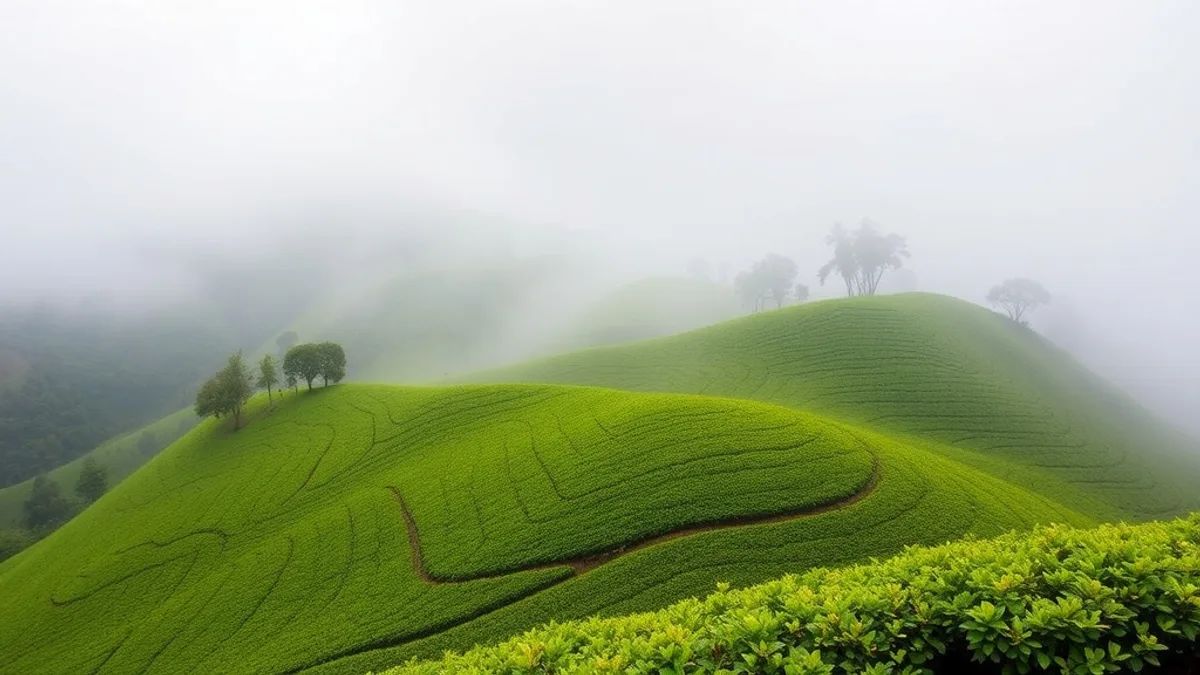
High in the mountains of northwestern Chiang Rai Province, where Thailand's border folds into Myanmar's Shan State, lies one of the most unexpected cultural landscapes in all of Southeast Asia. Doi Mae Salong — a mountain settlement at 1,800 metres elevation, reached by a winding road from the town of Mae Chan — was founded in the early 1960s by remnant soldiers of the Chinese Nationalist Army (Kuomintang) who had retreated here from Yunnan Province after the Communist victory in 1949. Their descendants still live here, and the result is a hilltop community that feels unmistakably Chinese: Yunnan-style noodle shops, tea houses serving oolong poured in tiny porcelain cups, mahjong sounds drifting from open windows, and terraced slopes blanketed in tea bushes reaching to the horizon. It is a place that rewards slow travel, morning mist, and the patience to sit with a pot of tea and watch the clouds move across the hills of Myanmar.
Overview
Doi Mae Salong's origins are among the most remarkable stories in modern Southeast Asian history. When the Chinese Communist Party consolidated control of mainland China in 1949, elements of Chiang Kai-shek's Nationalist Army retreated southward through Burma rather than retreating to Taiwan. For over a decade, these soldiers and their families lived in the jungles of the Shan State in a state of military limbo, funded partly by the CIA as a potential anti-Communist force and partly through the opium trade that financed operations across the Golden Triangle. Eventually, the Burmese government expelled them and they crossed into Thailand in 1961, where the Thai government, seeking to pacify the border region, allowed them to settle in the mountains that became Doi Mae Salong.
The Royal Thai Government, working with the late King Bhumibol's development programs, eventually provided the community with formal land rights on the condition of Thai citizenship — most residents now hold Thai nationality — and with the substitution of opium poppy cultivation for tea, coffee, and fruit orchards. The result has been a remarkable economic and cultural transformation. Doi Mae Salong's oolong teas are now considered among the finest produced outside of Taiwan and China, sought by specialty tea buyers worldwide. The local Oolong varieties — particularly those grown above 1,500 metres where the cooler temperatures slow leaf development and concentrate flavors — have developed a genuine reputation for quality.
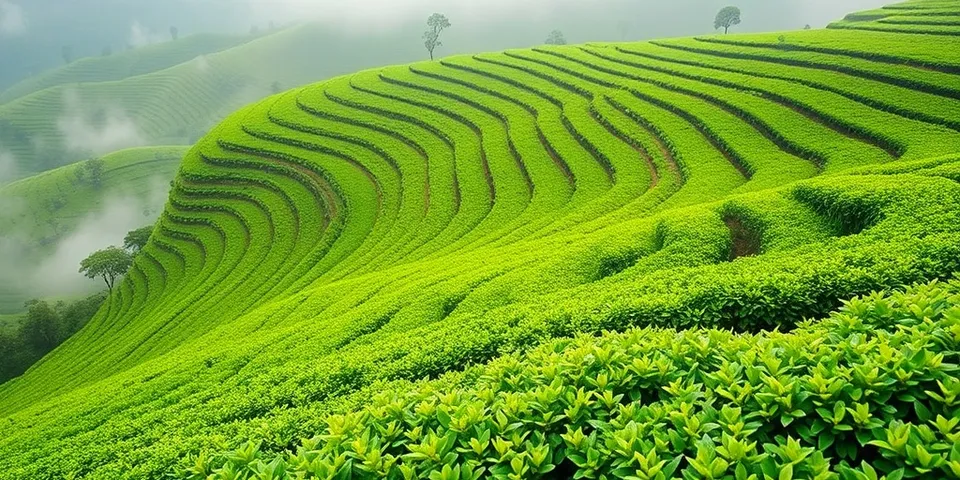
Tea plantation tours are the main activity on Doi Mae Salong and the best of them are genuinely educational. Local growers will walk you through the terraced fields, explain the seasonal harvest cycles (spring and autumn produce the most prized leaves), demonstrate the withering, rolling, and oxidation processes that turn fresh leaves into oolong, and then sit you down for a proper gong fu cha tasting session. The contrast between a single-garden high-mountain oolong and a commercial tea bag is revelatory. Plantations charging 200-500 THB for guided tours with tastings are generally better quality than the free roadside stops, which are primarily selling points rather than educational experiences.
The village itself has a pleasant central market area with stalls selling dried mushrooms, Yunnan-style preserved meats, pickled vegetables, and Chinese herbal medicines alongside the teas. The morning market (operating from around 6 to 9 AM) is particularly atmospheric, when local hill tribe villagers from surrounding Akha and Lahu communities come down to trade. The Chinese New Year celebrations in January-February are exceptional — the village transforms with red lanterns, lion dances, and food stalls serving Yunnan specialties not found anywhere else in Thailand.
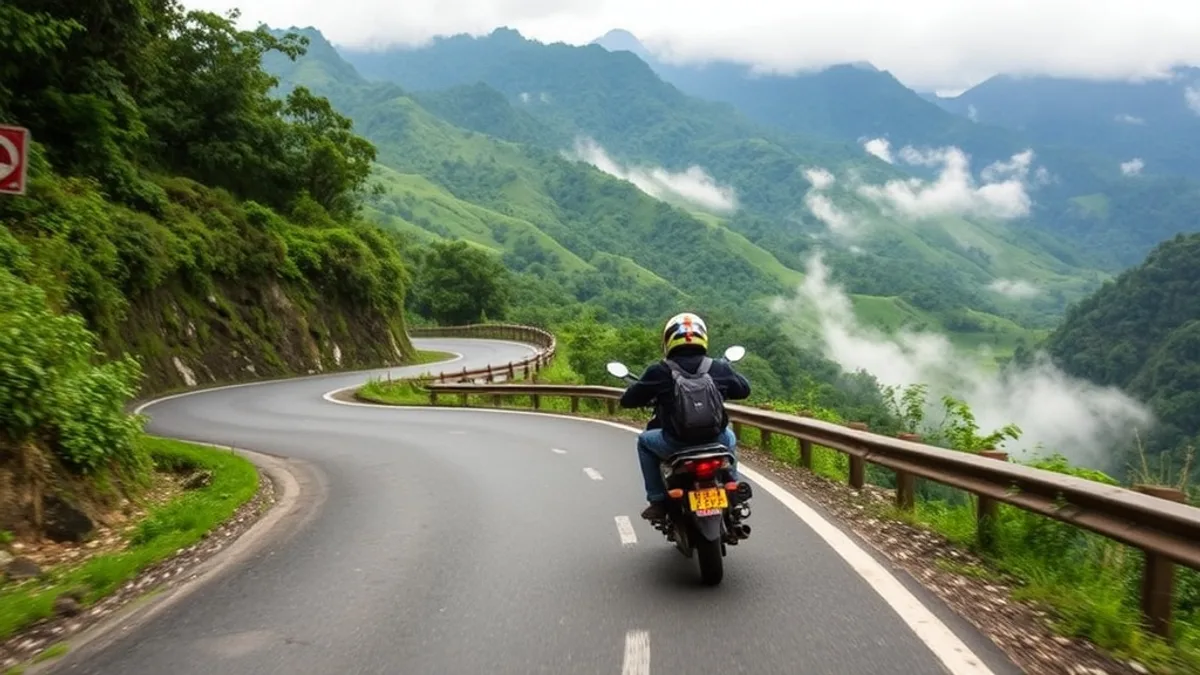
The drive from Mae Chan to Doi Mae Salong is itself an experience worth savoring. The road climbs through forested hills on switchbacks that occasionally open to views of the plains far below. Several viewpoints along the way offer clear-day sightlines into Myanmar. Singha Park, located near Chiang Rai city before the Mae Chan turnoff, is the sprawling agricultural estate of the Singha beer company and is open to visitors as a farm park. The estate grows tea, coffee, and a wide variety of fruits and flowers across rolling hills that have been landscaped for visitor enjoyment — cycling, zip-lining, and ATV rides are available, and the café serves Singha-brand coffee and farm-to-table food. It is family-friendly and somewhat more polished than the authentic Doi Mae Salong experience, but it provides a useful introduction to highland agriculture.
Doi Ang Khang, in the mountains near the Chiang Mai-Chiang Rai border, is a sister destination to Doi Mae Salong with a Royal Agricultural Station at its heart. The station was established in the 1970s on the site of a former opium-growing area and now produces strawberries, peaches, plums, wine grapes, tea, and cut flowers. The climate is cool enough for temperate zone crops that grow nowhere else at this latitude in Thailand, and the terraced hillsides in harvest season are strikingly beautiful.
Highlights
- Join a guided tea plantation tour on Doi Mae Salong for a full gong fu cha tasting experience
- Explore the extraordinary Chinese Yunnan atmosphere of Mae Salong village — a community unlike any other in Thailand
- Visit the morning market where hill tribe villagers and Chinese-Thai traders meet at dawn
- Drive the scenic winding road from Mae Chan to Doi Mae Salong with views across to Myanmar
- Taste Yunnan-style cuisine — noodle soups, slow-braised pork, and pickled vegetables unique to this highland community
- Explore Singha Park's cycling routes, tea fields, and farm café near Chiang Rai city
- Visit Doi Tung's Royal Project tea gardens for a more formal introduction to highland tea cultivation
- Time a visit to coincide with Chinese New Year for lion dances and exceptional Yunnan street food
- Purchase high-mountain oolong directly from growers — dramatically better than commercial tourist-market tea
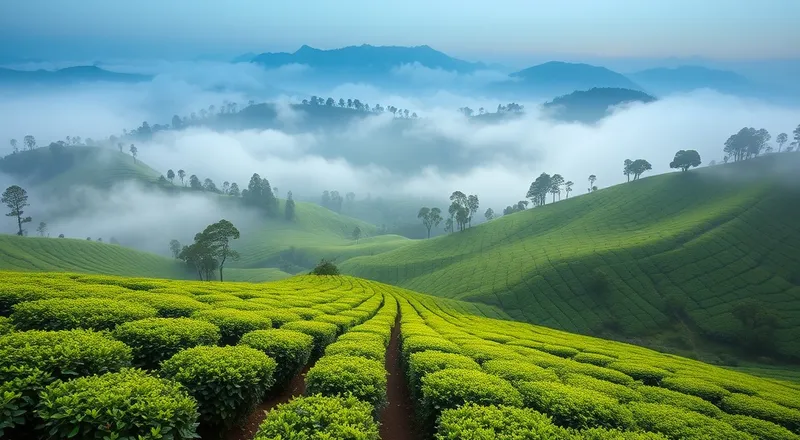
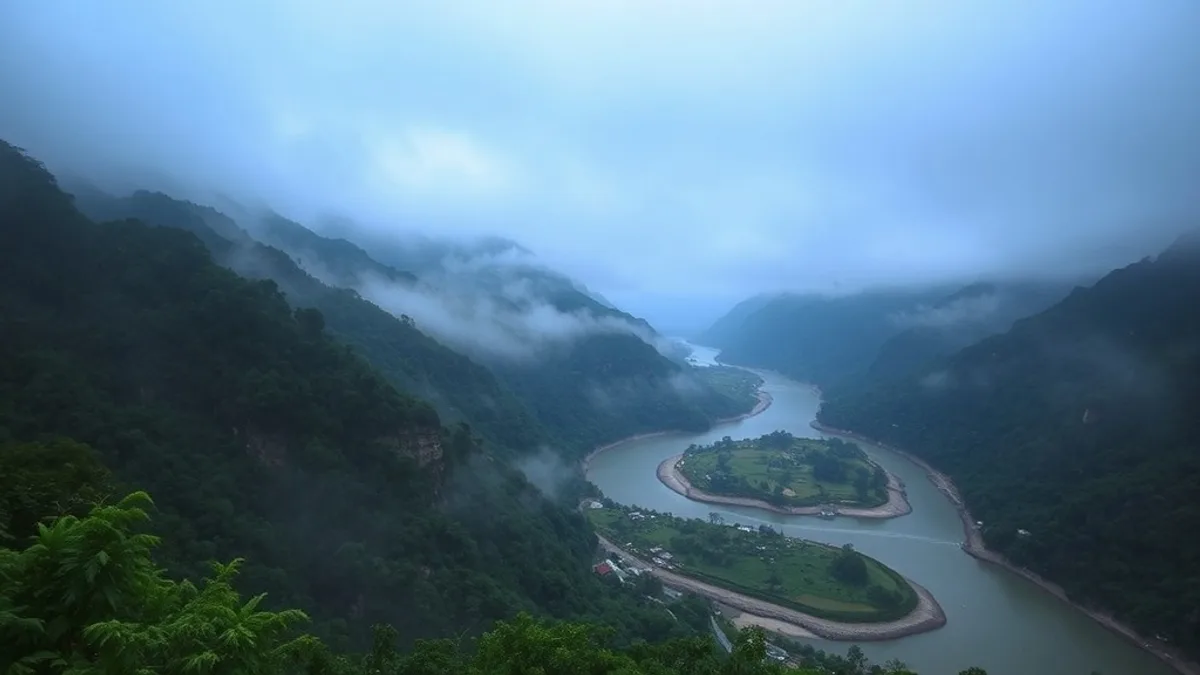
November to February is the best period for Doi Mae Salong: clear skies, cool temperatures (sometimes near freezing at night), and the winter mist that hangs in the valleys in the early morning creates otherworldly scenery. The Chinese New Year period (January-February) is especially festive. March to May is the dry but hazy season — the spring tea harvest happens in March and April, which is the best time to see plantation activity. The rainy season from June to October brings lush green but misty conditions that can limit driving visibility on mountain roads.
Practical Information
Cost Level
A hired car with driver from Chiang Rai to Doi Mae Salong for the day costs 1,800-2,500 THB. On a motorbike, the fuel cost is minimal but the road requires confident riding skill. Tea plantation guided tours cost 200-500 THB per person including tastings. A good quality tea purchase at source costs 300-1,500 THB per 100 grams depending on grade. Accommodation in Mae Salong village guesthouses ranges from 400-800 THB for a basic room to 1,200-2,000 THB for a small resort with mountain views. Meals in the village cost 80-150 THB per dish at local restaurants.
Tips
Stay overnight in Doi Mae Salong if at all possible — the village at dusk and dawn, when day-trippers are absent, is a completely different experience. Sunrise from the main viewpoint above the village, with mist filling the valleys on both sides of the ridge, is one of the most beautiful natural spectacles in northern Thailand. Buy your tea directly from plantation owners rather than from shops in Chiang Rai city — the source price is better and you know exactly what you are getting. Carry cash as ATMs in the village are limited.
Our creators on the ground in Chiang-rai share their best recommendations in their videos.

Places in this Guide
Discover the attractions and locations featured in this travel guide.
Explore Chiang Rai
Chiang Rai
เชียงรายChiang Rai is northern Thailand's cultural gem, sitting at the crossroads of Thailand, Laos, and Myanmar at the famed Go...All creators from Chiang Rai →Location & Orientation
Frequently Asked Questions
Who lives in Doi Mae Salong and why does it feel so Chinese?
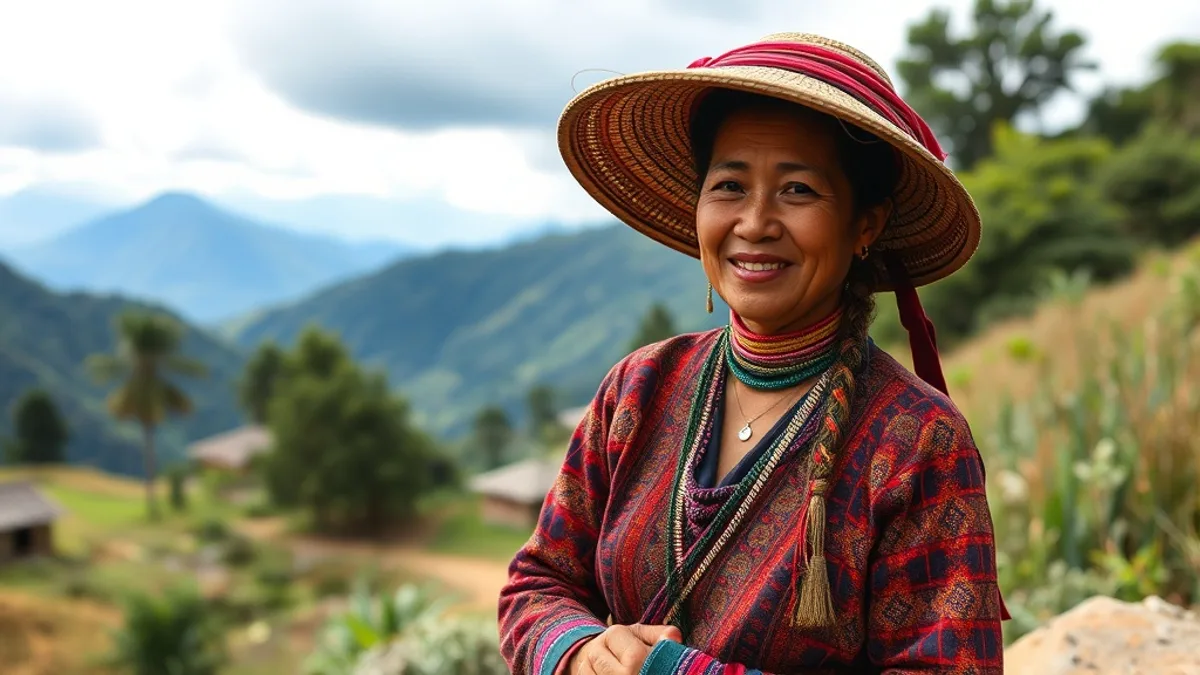
Doi Mae Salong was settled in 1961 by remnant soldiers and families of the Chinese Nationalist Army (Kuomintang) who had been fighting Communist forces in Burma since their retreat from Yunnan Province in 1949. After the Burmese government expelled them, the Thai government allowed them to settle in this remote border mountain. Most residents now hold Thai citizenship but have maintained their Yunnan Chinese language, cuisine, and cultural traditions across three and four generations. The result is a genuinely unique community — ethnically and culturally Chinese but Thai by citizenship and loyalty, producing world-class tea on land that was once poppy fields.
What type of tea is Doi Mae Salong known for?
Doi Mae Salong is best known for high-mountain oolong tea, a partially oxidized tea that sits between green and black tea in character. The altitude, cool temperatures, and morning mist create growing conditions that tea specialists compare favorably to famous oolong regions in Taiwan and Fujian Province in China. Local varieties include both traditional Taiwanese cultivars imported decades ago and locally developed strains. The spring harvest (March-April) and winter harvest (November-December) produce the most prized leaves. The oolong produced here is genuinely excellent and significantly cheaper than comparable quality from Taiwan — buying at source from the grower is recommended.
Can I do Doi Mae Salong as a day trip from Chiang Rai?
Yes, a day trip is feasible — the drive takes about 90 minutes from Chiang Rai city via Mae Chan and the mountain road. A comfortable day trip allows time for a tea plantation tour, lunch in the village, a walk through the market, and the scenic return drive before dark. However, a night stay is strongly recommended if your schedule allows. The village at dusk and at dawn — when day-trippers are gone and the mountain atmosphere settles — is significantly more rewarding than any daytime visit. Sunrise views from the ridge and morning market activity between 6 and 9 AM justify the overnight stay entirely.
Is the road to Doi Mae Salong difficult to drive?
The road from Mae Chan to Doi Mae Salong is paved throughout and in generally good condition, but it is a mountain road with steep gradients and tight hairpin bends for much of its thirty-kilometre length. Confident car drivers will find it manageable but attention-demanding. Motorcyclists should have genuine experience with mountain roads — the switchbacks require smooth throttle control and good braking technique. In wet conditions the road can be slippery, particularly in the evening when cooler air brings condensation. Trucks and minivans do use the road regularly, but it is narrow in places and passing requires care. Leave Chiang Rai with a full tank.
What is Singha Park and is it worth visiting on the way to Doi Mae Salong?
Singha Park is a large agricultural estate owned by the Boon Rawd Brewery (makers of Singha beer) located near Chiang Rai city, open to visitors as a farm leisure park. The estate covers 3,000 acres of rolling hills planted with tea, coffee, tropical fruits, and flowers, with cycling routes, a zip-line, ATV rides, and a well-designed café and shop. It is considerably more polished and commercial than Doi Mae Salong but provides a pleasant introduction to highland agriculture for families or visitors with limited time. Entry is free but activities cost extra. It makes a convenient first or last stop on a Doi Mae Salong day trip as it is located just off the main highway near Mae Chan.