Introduction
At the northern tip of Thailand, where the wide brown Mekong River meets the smaller Ruak River, three countries touch at a single point of confluence that has captured the world's imagination for generations. The Golden Triangle — once the world's largest opium-producing region and a name synonymous with lawlessness, drug lords, and geopolitical shadow games — has transformed almost beyond recognition. Today, the tiny settlement of Sop Ruak offers something genuinely remarkable: the chance to stand on Thai soil and look out simultaneously at Laos and Myanmar, to cross by longtail boat to a Laotian island market, and to spend two absorbing hours in the Hall of Opium museum, one of Southeast Asia's finest educational institutions. The history here is dark and the landscape is hypnotically beautiful, and nowhere else in Thailand delivers that particular combination with such intensity.
Overview
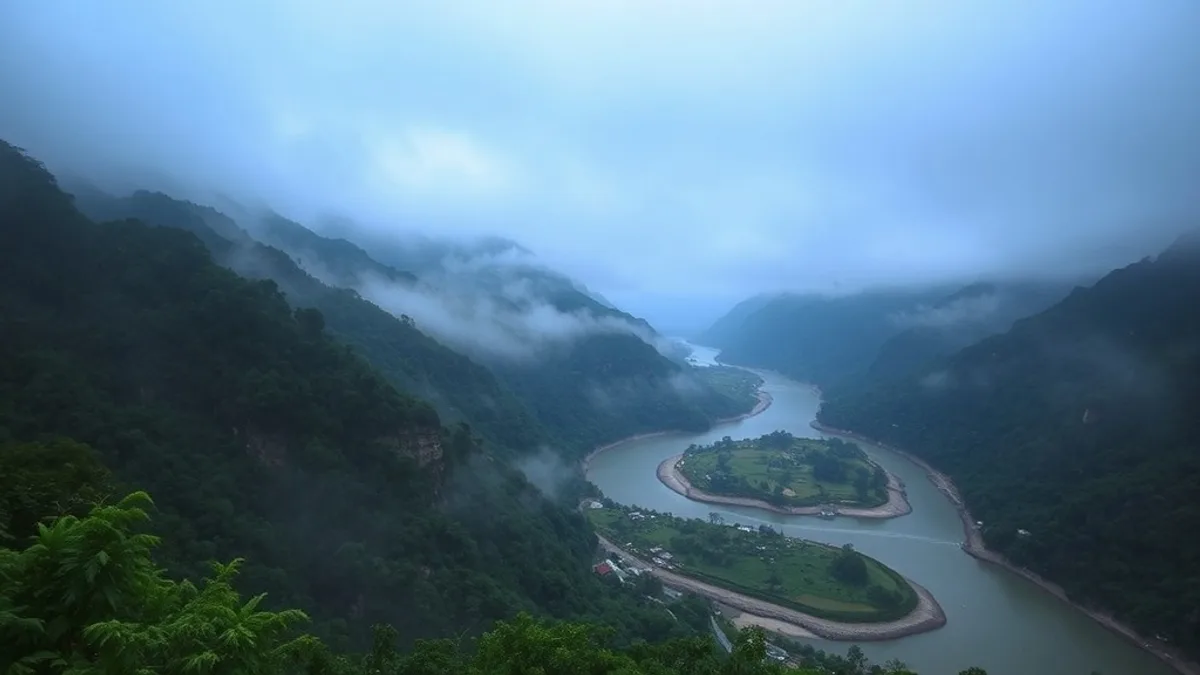
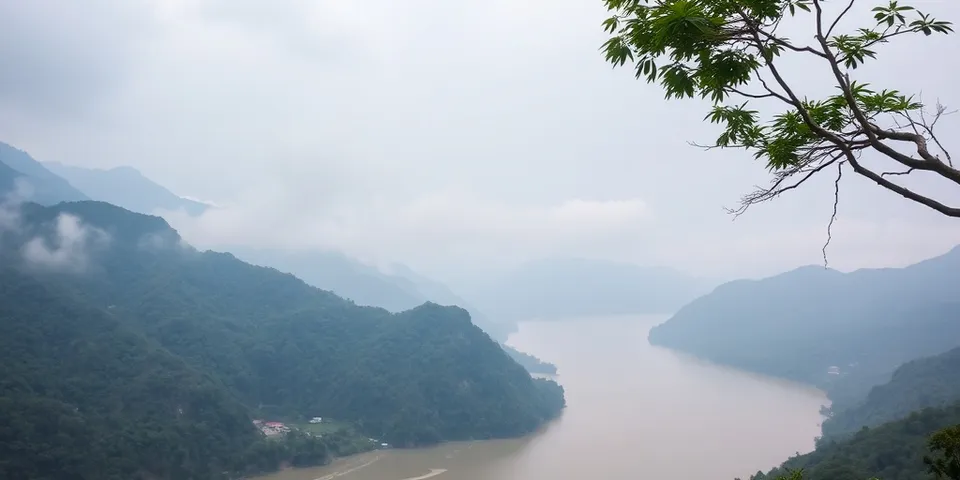
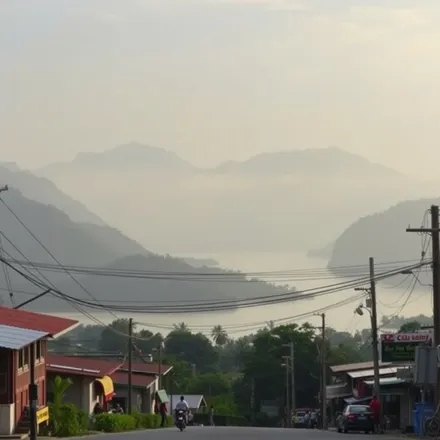
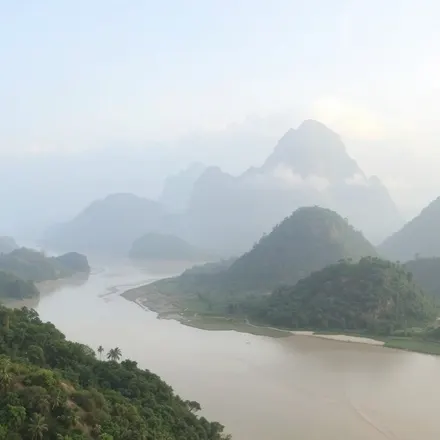
Sop Ruak village sits at the precise point where the Mekong and Ruak rivers converge, and the panorama from the main viewpoint — a small park with a large golden Buddha overlooking the water — is genuinely arresting. To the left, across the grey-brown Mekong, lies Laos: low green hills dotted with a few structures visible on the opposite bank. To the right, slightly further upstream where the Ruak enters from the west, the hills of Myanmar rise in a darker green haze. Thailand occupies the promontory in between, and the feeling of standing at this junction of three sovereign nations is one that few geographies in the world can replicate.
The Golden Triangle's name refers to both the geographic confluence and to the historical opium production that made this region notorious from the late nineteenth century through the 1990s. The hills of the Shan State in Burma, the Phongsali and Houaphanh provinces of Laos, and the northernmost mountains of Thailand between them produced a substantial share of the world's illicit heroin supply for decades. The involvement of Cold War intelligence agencies, the Kuomintang remnant armies who retreated here from China in 1949, local warlords and their private militias, and the hill tribe farmers who grew the poppies as a cash crop form a story of extraordinary complexity — one that the Hall of Opium museum in Sop Ruak tells with remarkable thoroughness and balance.
The Hall of Opium is the essential stop at the Golden Triangle and deserves at minimum two hours of your time. The museum was built under the Royal Project Foundation, initiated by the Princess Mother, and opened in 2003 after a decade of construction. Its architecture is deliberately underground and winding, with tunnels, darkened galleries, and theatrical lighting guiding visitors through a chronological and thematic account of the opium trade from ancient poppy cultivation through to modern drug policy and rehabilitation. The exhibits cover the botanical history of the opium poppy, the economics of colonial-era opium trade run by European powers (including British monopolies in Hong Kong and Dutch operations in the East Indies), the particular dynamics of the Golden Triangle during the Cold War, and the Thai government's successful crop substitution programs that have virtually eliminated poppy cultivation from Thai territory. The entry fee is 200 THB for Thai nationals and 500 THB for international visitors, which is excellent value for a museum of this quality. There is also a smaller, older Opium Museum (separate facility, 50 THB) closer to the riverside which is more modest but quicker.
From the main viewpoint, longtail boats ferry visitors across the Mekong to Don Sao — the Laotian island that sits in the river directly opposite. The island has a small market selling Laotian handicrafts, textiles, and the inevitable bottles of local whisky with whole cobras or scorpions preserved inside. A passport stamp is usually available, allowing you to add Laos to your collection in under an hour. The cost for the boat trip is typically 50-80 THB return. Note that this is a commercial crossing rather than a formal border crossing — you cannot proceed deeper into Laos from Don Sao without a proper visa.
Chiang Saen, the ancient city located about ten kilometres south of Sop Ruak on the banks of the Mekong, deserves an hour or two on the same day trip. This was the capital of the Chiang Saen Kingdom, one of the predecessor states to the Lanna Kingdom, and the ruins scattered through the modern town include a massive stupa and temple foundations dating to the thirteenth and fourteenth centuries. The riverside here is significantly quieter and more atmospheric than the commercialized Golden Triangle viewpoint, and the National Museum in town provides context for the regional history that connects well with the Hall of Opium's narratives.
Highlights
- Stand at the three-country viewpoint where Thailand, Laos, and Myanmar meet at the river confluence
- Spend two hours at the exceptional Hall of Opium museum learning the full history of the Golden Triangle
- Take a longtail boat across the Mekong to the Laotian market island of Don Sao
- Photograph the golden Buddha statue overlooking the river junction at different times of day
- Visit the ancient Chiang Saen ruins along the Mekong just south of the Golden Triangle
- Explore the smaller Opium Museum for a quicker overview of the region's history
- Walk the Sop Ruak riverside market for views across to Myanmar and Laos simultaneously
- Combine the Golden Triangle with Chiang Saen National Museum for a full day of northern history
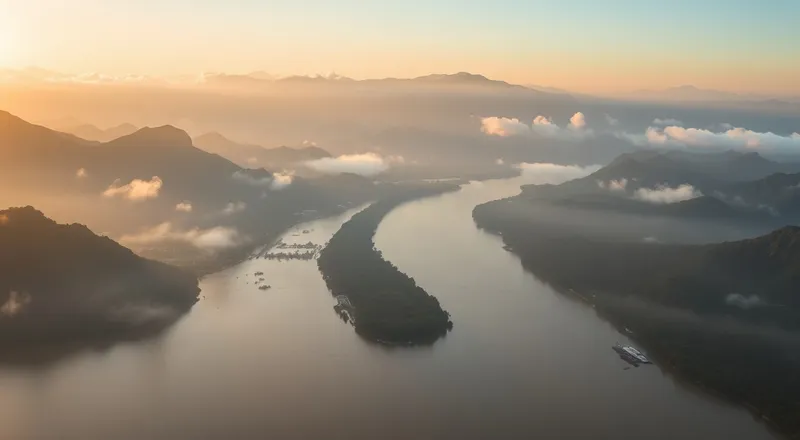
- Watch the sunset from the main viewpoint as the Mekong turns gold and the hills of Laos darken
November through February offers the clearest skies and most comfortable temperatures for the Golden Triangle visit, making river and mountain views at their sharpest. The cool dry season also makes the Hall of Opium's underground galleries a pleasant respite from the heat. March to May brings haze from agricultural burning that can significantly reduce visibility across the Mekong — the panoramic views lose much of their impact. The rainy season from June to October brings dramatic skies and lush greenery but afternoon downpours can disrupt boat trips.
Practical Information
Cost Level
Getting to Sop Ruak from Chiang Rai city costs approximately 1,000-1,500 THB by hired car with driver for the full day, or around 400-600 THB by songthaew. Hall of Opium entry is 500 THB for international visitors. The smaller Opium Museum costs 50 THB separately. Longtail boat to Don Sao island runs 50-80 THB return. Lunch at riverside restaurants in Sop Ruak averages 150-250 THB per person. The full day including transport, entry fees, boat trip, and meals costs approximately 2,000-2,500 THB per person.
Tips
Arrive at the Hall of Opium when it opens at 8 AM to enjoy the museum without crowds — tour groups typically arrive between 10 AM and noon. Buy tickets online in advance during peak season. The Don Sao island boat trip is best done mid-morning before afternoon river breezes pick up. Combine the Golden Triangle with a stop at Chiang Saen ruins on the return to Chiang Rai for a more complete understanding of the region's layered history. Sunscreen and a hat are essential — the main viewpoint is fully exposed to direct sun.
Our creators on the ground in Chiang-rai share their best recommendations in their videos.
Creators who cover this spot
Discover YouTube creators who feature this topic in their videos.
Adventures Joel
British adventure vlogger exploring Thailand by motorbike.

Bald and Bankrupt
British travel creator specializing in off-the-beaten-path exploration of Thai communities and culture.

Global Travel Mate
Jeroen is a Dutch expat documenting Bangkok's urban landscape through bicycle exploration and cultural observation.
Places in this Guide
Discover the attractions and locations featured in this travel guide.
Explore Chiang Rai
Chiang Rai
เชียงรายChiang Rai is northern Thailand's cultural gem, sitting at the crossroads of Thailand, Laos, and Myanmar at the famed Go...All creators from Chiang Rai →Location & Orientation
Frequently Asked Questions
Can I actually cross into Laos or Myanmar from the Golden Triangle?
You can take a short boat trip to Don Sao island in Laos for a market visit and passport stamp, but this is a commercial tourist crossing that does not allow you to travel onward into Laos proper. To enter Laos fully you would need a visa and to use a formal border crossing. Crossing into Myanmar from the Thai side of the Golden Triangle is not available for regular tourists. The nearest functioning border crossing into Myanmar for tourists is further south. The Don Sao island visit takes about 30-60 minutes and requires your passport, which you must carry on the day.
How long does the Hall of Opium museum take to visit?
The Hall of Opium is larger and more detailed than most visitors expect — a thorough visit takes two to two-and-a-half hours. The museum is underground and follows a winding path through themed galleries covering botanical history, colonial trade, Cold War geopolitics, and modern drug policy. There are interactive exhibits, documentary film installations, and extensive multilingual text panels. If you are pressed for time, the highlights can be covered in about ninety minutes, but the depth of the museum rewards a more leisurely pace. Entry is 500 THB for international visitors and the museum is closed on Mondays.
What is Chiang Saen and is it worth visiting on the same day?
Chiang Saen is an ancient walled city about ten kilometres south of Sop Ruak on the Mekong River, and it is absolutely worth combining with a Golden Triangle visit. The town was the capital of the Chiang Saen Kingdom in the thirteenth century and later an important Lanna-era city. Ruins of ancient chedis and temple foundations are scattered through and around the modern town, and the Chiang Saen National Museum provides archaeological context. The riverside atmosphere here is far less commercialized than Sop Ruak, and the local market along the Mekong is a pleasant place for lunch. Allow ninety minutes for Chiang Saen in addition to your Golden Triangle time.
How do I get from Chiang Rai city to the Golden Triangle?
The Golden Triangle at Sop Ruak is approximately 60 kilometres north of Chiang Rai city, a drive of about 1.5 hours. The most flexible option is hiring a car with driver from your hotel for around 1,500-2,000 THB for the full day, allowing you to set your own schedule and include Chiang Saen. Shared songthaews operate from Chiang Rai's main market area to Chiang Saen (about 80 THB), from which you can take a local songthaew the final ten kilometres to Sop Ruak. Guided day tours are widely available from Chiang Rai guesthouses at around 600-900 THB per person including transport.
Is the Golden Triangle area safe for tourists?
The Golden Triangle in Thailand is completely safe for tourists. The lawless, drug-lord-controlled era depicted in films and documentaries ended in the 1990s, and the Thai government's successful crop substitution programs and law enforcement operations transformed the region entirely. Sop Ruak is a normal Thai tourist town with restaurants, souvenir shops, and hotels. The Thai side of the border is well-patrolled and orderly. The only thing to be aware of is that the border area with Myanmar is a sensitive geopolitical zone, so venturing off the beaten path toward the border without local guidance is not advisable.