Introduction
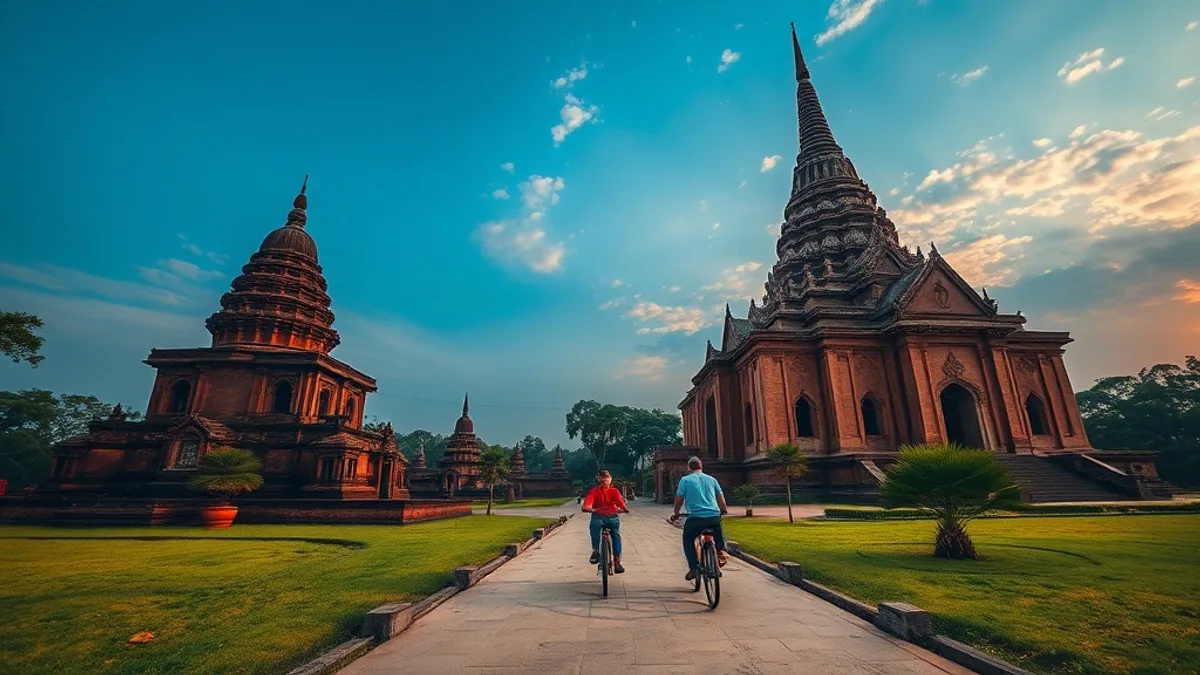
Before Bangkok rose to prominence, before even Ayutthaya held sway, the kingdom of Sukhothai represented the dawn of Thai civilization. Founded in 1238, this first truly independent Thai kingdom produced the Thai alphabet, established Theravada Buddhism as the state religion, and created an artistic tradition whose influence still echoes through Thai culture eight centuries later. Today, the ruins of this ancient capital are preserved as a UNESCO World Heritage Site spread across manicured parkland where lotus-filled ponds reflect the silhouettes of crumbling temples and serene Buddha figures. Unlike many archaeological sites that require significant imagination to appreciate, Sukhothai Historical Park remains remarkably evocative — hundreds of original structures and sculptures survive in varying states of preservation, the grounds are beautifully maintained, and the flat layout makes exploration by bicycle both practical and delightful. Cycling among 800-year-old stupas as the morning sun casts long shadows across ancient stone walls delivers one of Thailand's most transcendent cultural experiences. This guide covers the essential zones of the park, the must-see temples, and practical advice for planning a visit that does justice to this extraordinary place.
Overview
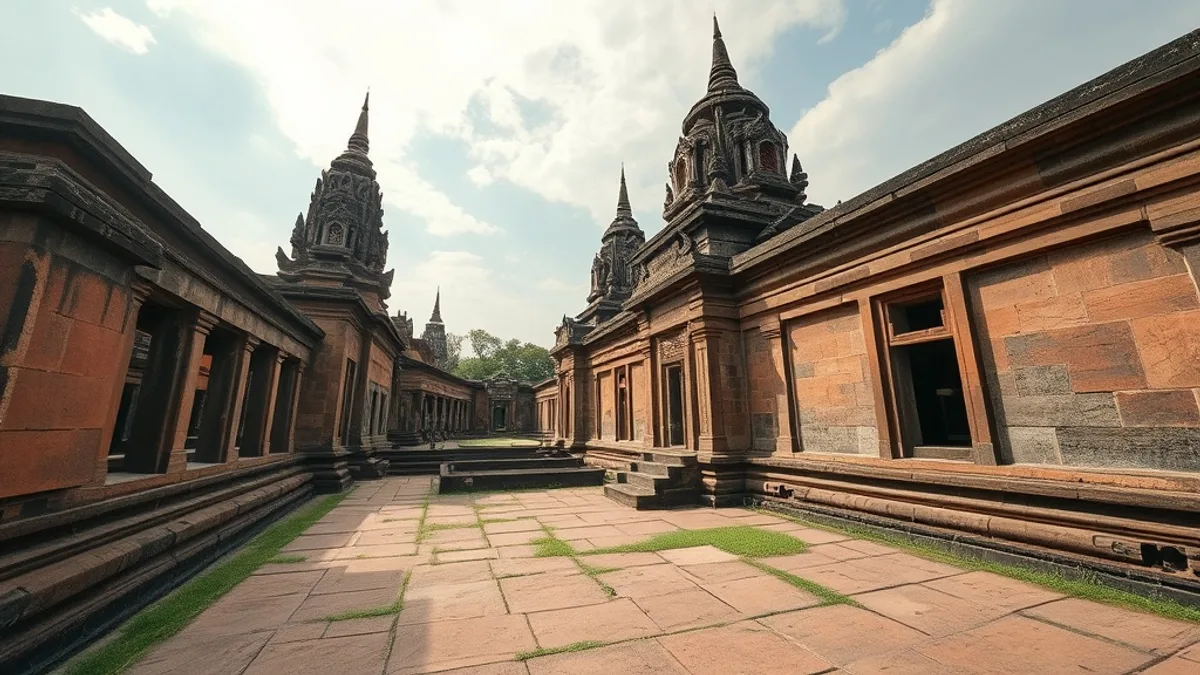
Sukhothai Historical Park covers approximately 70 square kilometers divided into five zones, though most visitors focus on the central, northern, and western sections where the major temples are concentrated. The central zone, enclosed by ancient walls and moats, contains the most important and best-restored monuments. Wat Mahathat serves as the spiritual heart of the old city — its massive compound contains nearly 200 stupas, a large central chedi in the classic Sukhothai lotus-bud style, and rows of seated and standing Buddha images that exemplify the graceful, fluid artistic style for which the kingdom became renowned. At sunrise, mist rising from the surrounding ponds creates an almost otherworldly atmosphere around the temple. Adjacent to Wat Mahathat, the Ramkhamhaeng National Museum provides essential context for understanding the ruins. It houses the famous Ramkhamhaeng inscription stone — considered the oldest example of Thai script — alongside bronze sculptures, ceramics, and architectural fragments recovered from the surrounding temples. Spending an hour here before cycling the park grounds dramatically enriches the experience.
Within the walled city, Wat Sri Sawai stands out for its three Khmer-style prangs that predate the Sukhothai kingdom, suggesting a Hindu-Khmer settlement existed here before Thai rulers established their capital. Wat Sa Sri, set on an island in a large artificial lake called Traphang Trakuan, creates one of the park's most photographed compositions — a walking Buddha reflected in still water with lotus flowers and distant mountains completing the frame. The northern zone, a short bicycle ride from the central gate, contains Wat Sri Chum, arguably the park's single most impressive sight. A massive mondop building encloses an enormous seated Buddha measuring over eleven meters from knee to knee. The statue peers out through a narrow slit in the building's walls, creating a powerful and unexpected encounter when you first catch sight of the face framed by stone. The figure's elegantly elongated fingers in the earth-touching gesture are among the finest examples of Sukhothai sculpture. The western zone stretches into forested hills and feels markedly wilder than the manicured central area.
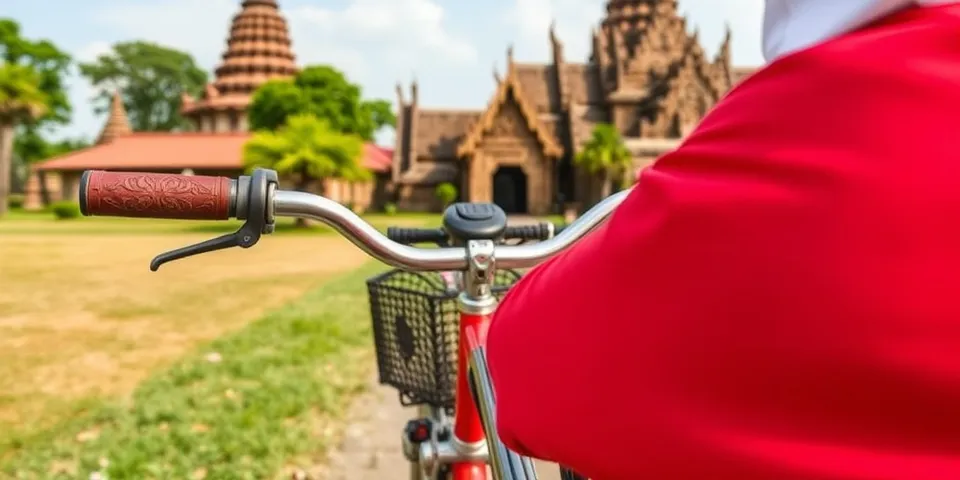
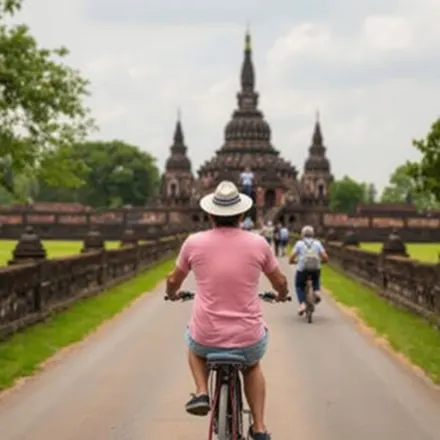
Wat Saphan Hin sits atop a hill reached by a stone stairway — the large standing Buddha at the summit surveys the entire Sukhothai plain from an elevated vantage point, and the climb rewards visitors with sweeping views and peaceful solitude. The park is best explored by bicycle, which can be rented at numerous shops near the main entrance for 30-50 THB per day. The flat terrain, well-maintained paths, and moderate distances between temples make cycling ideal even for casual riders. A morning devoted to the central zone followed by an afternoon exploring the northern and western zones creates a satisfying full-day itinerary. For those with extra time, the satellite historical park at Si Satchanalai, about 55 kilometers north, offers similarly impressive ruins in an even quieter setting. Set along the Yom River, this secondary Sukhothai settlement contains hilltop temples, ancient kilns where the kingdom's famous Si Satchanalai celadon ceramics were produced, and a fraction of the visitors found at the main park.
Highlights
- Cycle through the ancient walled city past lotus ponds reflecting 800-year-old stupas and Buddha statues
- Stand before the colossal seated Buddha at Wat Sri Chum peering through the narrow stone slit
- Watch sunrise mist rise over the central lake surrounding the island temple of Wat Sa Sri
- Study the Ramkhamhaeng inscription stone — the oldest known example of Thai script — in the national museum
- Climb the stone stairway to Wat Saphan Hin for panoramic views across the ancient Sukhothai plain
- Photograph the three Khmer-style prangs at Wat Sri Sawai predating the Thai kingdom
- Explore the quieter ruins and ancient celadon kilns at Si Satchanalai Historical Park nearby
- Experience the annual Loy Krathong festival at its birthplace with light and sound shows among the ruins
November to February offers the most comfortable temperatures with clear skies and cool mornings ideal for cycling. The Loy Krathong festival, held annually in November at the full moon, transforms the park with spectacular light shows, floating lanterns, and cultural performances — it is the highlight of the Sukhothai calendar and an unforgettable experience. March to May is extremely hot and cycling in midday sun becomes grueling. The rainy season from June to October brings green landscapes and fewer visitors, though afternoon showers can interrupt cycling plans.
Practical Information
Cost Level
Central zone entry costs 100 THB for foreigners, with additional 100 THB fees for the northern, western, southern, and eastern zones each. A combined ticket is available. Bicycle rental runs 30-50 THB per day. Electric tram tours of the central zone cost 60 THB for those who prefer not to cycle. Accommodation in New Sukhothai town starts at 300-500 THB for guesthouses and 800-1,500 THB for mid-range hotels. Local meals run 40-80 THB at market stalls. Si Satchanalai entry costs an additional 100 THB.
Tips
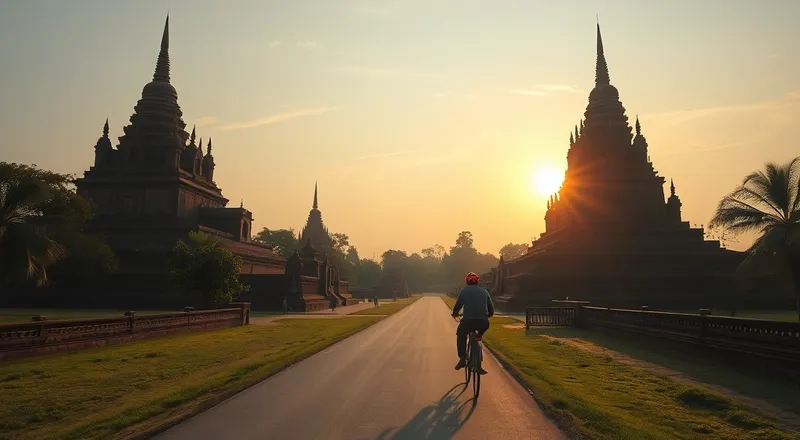
Start your park visit at 6:30 AM when gates open to enjoy the sunrise atmosphere and cooler temperatures — the most magical light occurs in the first two hours. Rent a bicycle rather than taking the tram to have freedom to explore at your own pace and access the outer zones. Bring plenty of water, sunscreen, and a hat as shade is limited between temples. The park is in Old Sukhothai, while most hotels are in New Sukhothai, 12 kilometers east — songthaews connect the two for 30 THB.
Our creators on the ground in Sukhothai share their best recommendations in their videos.
Places in this Guide
Discover the attractions and locations featured in this travel guide.
Explore Sukhothai
Sukhothai
สุโขทัยSukhothai, meaning 'Dawn of Happiness,' is the cradle of Thai civilization and home to a UNESCO World Heritage Historica...All creators from Sukhothai →Location & Orientation
Frequently Asked Questions
How do I get to Sukhothai from Bangkok?
The most convenient option is flying to Sukhothai Airport, which receives daily flights from Bangkok's Suvarnabhumi on Bangkok Airways, taking about one hour. A cheaper alternative is flying to Phitsanulok, about 60 kilometers south, which is served by budget airlines, then taking a bus to Sukhothai. Overnight buses from Bangkok's Northern Bus Terminal (Mo Chit) take approximately six to seven hours and cost 300-400 THB. Many travelers visit Sukhothai as a stop between Bangkok and Chiang Mai.
How much time do I need for Sukhothai Historical Park?
A full day is sufficient to cover the central, northern, and western zones at a comfortable pace by bicycle. If you want to include the Ramkhamhaeng Museum and do not feel rushed, two days is ideal — one day for the main park and one for Si Satchanalai Historical Park. Most visitors spend one to two nights in the area. Those arriving as a day trip from Phitsanulok can cover the central zone highlights in about four hours.
Can I visit Sukhothai without a bicycle?
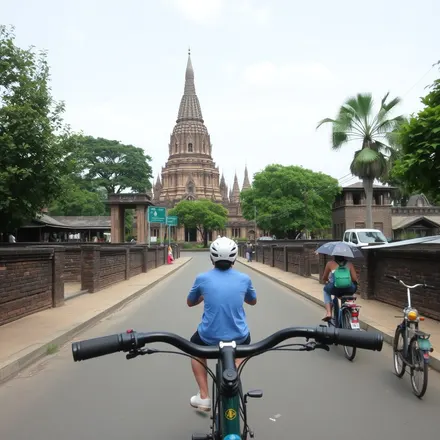
Yes. The central zone offers an electric tram service that loops past the main temples with commentary. Motorbikes can be rented in New Sukhothai for reaching the outer zones more quickly. Walking the central zone alone is feasible but time-consuming as temples are spread across a large area. However, cycling is strongly recommended — the flat terrain, paved paths, and moderate distances make it ideal even for people who rarely cycle, and the freedom to stop at quiet corners of the park is part of its magic.
Is Sukhothai worth visiting if I am already going to Ayutthaya?
Absolutely. While both are ancient Thai capitals with UNESCO-listed ruins, they offer very different experiences. Sukhothai is older, set in a more rural landscape, and best explored by bicycle through manicured parkland. Ayutthaya is grander in scale, surrounded by a modern town, and closer to Bangkok. Sukhothai's artistic style — more slender and graceful than Ayutthaya's Khmer-influenced architecture — represents a distinct chapter in Thai history. Visiting both provides a complete understanding of Thailand's cultural evolution.
What is the Loy Krathong festival like in Sukhothai?
Sukhothai is considered the birthplace of Loy Krathong, and its annual celebration in November is the grandest in the country. The historical park hosts spectacular light and sound shows projected onto the ancient temples, cultural performances, floating krathong ceremonies on the park's ponds, and fireworks. The multi-day festival draws large crowds but the atmosphere is magical. Book accommodation well in advance if visiting during Loy Krathong as Sukhothai's limited hotel capacity fills quickly.