Introduction
Sukhothai is an exceptional destination in its own right, but its real strength emerges when understood not as an isolated site but as the anchor of a UNESCO heritage corridor that stretches north and south through central-northern Thailand. The Sukhothai kingdom, at its 13th-14th century height, ruled a network of cities connected by trade routes and administrative relationships, and several of those cities retain historical parks of comparable archaeological richness to Sukhothai itself — with a fraction of the visitor traffic. Si Satchanalai to the north and Kamphaeng Phet to the south complete what historians call the Sukhothai heritage trio, and both repay a day's visit with an experience of ancient ruins in a more overgrown, atmospheric, and genuinely quiet setting than the more visited mother city. Add Phitsanulok — home to what is widely considered the most beautiful bronze Buddha image in Thailand — and the day-trip options from a Sukhothai base produce one of central Thailand's most culturally dense regional itineraries.
Overview
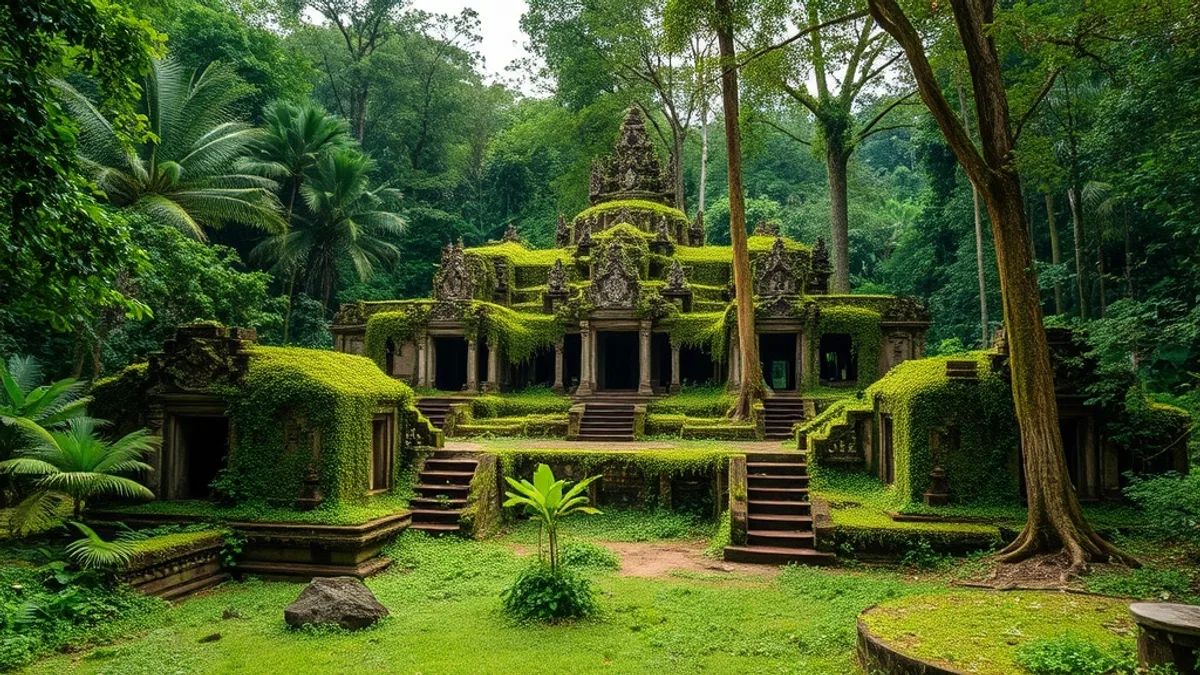
Si Satchanalai Historical Park sits 55 kilometres north of Sukhothai along Highway 101, approximately one hour by car or motorbike. Together with the adjacent Chaliang town site, it constitutes the second city of the Sukhothai kingdom — a royal settlement whose history predates Sukhothai itself and which continued as an administrative centre under the Ayutthaya kingdom after Sukhothai's decline. The park is divided into the Si Satchanalai zone and the Chaliang zone, separated by a short distance and requiring separate entry tickets (100 THB each). Si Satchanalai is consistently described by visitors who have seen both sites as the more atmospheric experience: the ruins are more heavily overgrown than Sukhothai, the visitor numbers are a fraction of the main park, and the surrounding landscape — river bends, forested ridges, and the sense of a place that has been genuinely left alone by modernity — produces an encounter with ancient ruins that is less managed and more affecting.
The centrepiece of Si Satchanalai is Wat Chang Lom — an elephant-ringed chedi of the Sri Lankan form, each elephant support carved at a scale that makes the human visitor feel appropriately small beside them. The Chaliang zone across the river holds Wat Phra Si Rattana Mahathat Chaliang, an earlier Khmer-influenced structure that predates the Sukhothai period and represents the cultural layers beneath the Thai kingdom's foundations. The Ban Ko Noi kiln site cluster (more than 200 Sawankhalok ceramic kilns) is accessible from Si Satchanalai's Chaliang zone and is the most extensive surviving royal ceramic production site in Southeast Asia.
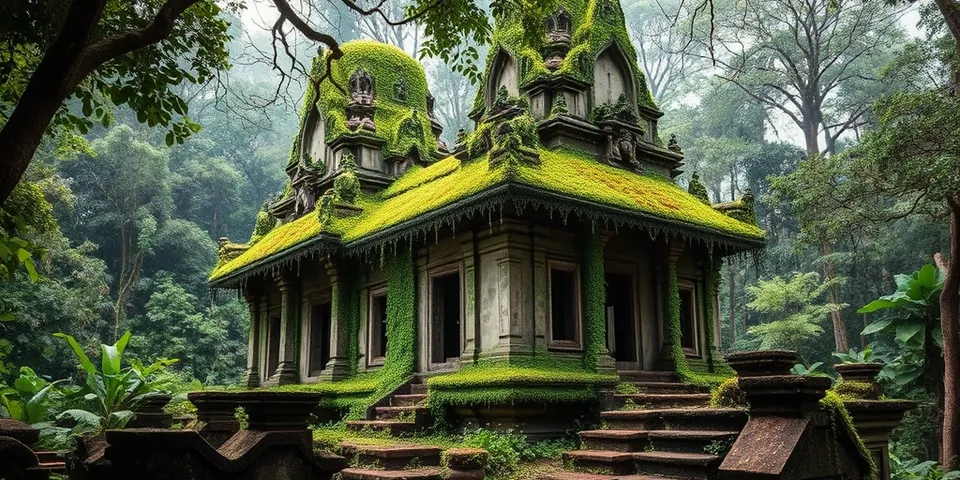
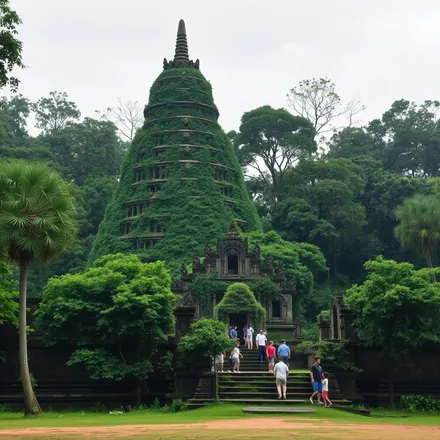
Kamphaeng Phet Historical Park, 77 kilometres south of Sukhothai, is the third major site in the heritage corridor and the least visited of the three UNESCO-listed parks. The town's name translates as Diamond Wall, referring to the fortified earthwork and moat system that surrounded the ancient city — some of which remains visible and walkable. The park's temples occupy a forested zone north of the modern town and have a particularly overgrown character: Buddha images have been reduced to serene torsos by centuries of exposure, giant trees shade the ruins in a permanent botanical embrace, and the paths between monuments see so few visitors that wildlife — including monitor lizards, hornbills, and various woodland birds — moves through the site as if the ruins were simply part of the forest.
Phitsanulok, 55 kilometres east of Sukhothai on the main highway, is Thailand's second city historically speaking — a town that served as capital during the transition between the Sukhothai and Ayutthaya periods and that houses Wat Phra Si Rattana Mahathat, home to Phra Buddha Chinnarat, a 14th-century bronze image so revered and so visually extraordinary that it is second only to the Emerald Buddha in the Thai national religious imagination. The Phitsanulok Folk Museum (near the river, free entry) and the Buddha Casting Factory — where monks and skilled craftsmen continue to cast bronze Buddha images using traditional lost-wax techniques — round out a Phitsanulok day into a genuinely rewarding cultural itinerary.
Highlights
- Si Satchanalai Historical Park — the atmospheric second city of the Sukhothai kingdom, 55km north, dramatically less visited and more overgrown
- Wat Chang Lom, Si Satchanalai — Sri Lankan-form chedi ringed by full-scale carved elephant supports, a masterpiece of Sukhothai architecture
- Ban Ko Noi kiln sites — 200+ Sawankhalok ceramic kilns on the Chaliang riverbank, the royal production complex for Southeast Asia's finest medieval ceramics
- Kamphaeng Phet Historical Park — the third UNESCO heritage site completing the Sukhothai kingdom corridor, 77km south, forested ruins with abundant wildlife
- Diamond Wall fortifications — the surviving earthwork and moat system of Kamphaeng Phet, walkable remnants of the ancient city defences
- Phra Buddha Chinnarat, Phitsanulok — Thailand's most revered and artistically extraordinary bronze image, accessible as a day trip east of Sukhothai
- Buddha Casting Factory, Phitsanulok — active workshop where traditional lost-wax bronze casting produces devotional images in continuation of a 700-year practice
- Chaliang ancient town — Khmer-influenced pre-Sukhothai ruins adjacent to Si Satchanalai, documenting the cultural layers beneath the Thai kingdom
- Regional highway driving — the roads connecting Sukhothai's day trip destinations pass through Thai agricultural lowlands seldom seen on tourist itineraries
October to March is the best period for all day trips from Sukhothai — dry roads, manageable temperatures, and the lower sun angles of the cool season produce the best light for ruins photography. Si Satchanalai and Kamphaeng Phet are both less visited than Sukhothai throughout the year, but weekends draw domestic tourists from Phitsanulok and Uttaradit — weekday visits are quieter. The Kamphaeng Phet ruins are particularly atmospheric in the early morning when mist remains among the trees. Phitsanulok (and Wat Phra Si Rattana Mahathat) is busiest during Buddhist holidays when Thai pilgrims visit the Phra Buddha Chinnarat image in large numbers — check the Thai religious calendar before timing a Phitsanulok visit.
Practical Information
Cost Level
Si Satchanalai Historical Park: 100 THB for Si Satchanalai zone + 100 THB for Chaliang zone. Transport from Sukhothai: 100-150 THB by local bus (direct service from New Sukhothai bus station) or 300-500 THB by rented motorbike fuel and fees. Kamphaeng Phet Historical Park: 150 THB. Phitsanulok day trip by bus: approximately 80 THB each way. Wat Phra Si Rattana Mahathat: free entry. Buddha Casting Factory: free to observe. Budget approximately 400-700 THB per person per day trip for transport, entry fees, and meals at destination restaurants.
Tips
Si Satchanalai requires at least a full day to appreciate properly — the site is spread enough that rushing through produces a superficial experience. Kamphaeng Phet combines well with Si Satchanalai as a two-day circuit staying one night in each town rather than returning to Sukhothai daily. For Phitsanulok, visit Wat Phra Si Rattana Mahathat early in the morning (it opens at 6 AM) before the domestic pilgrim peak, then the Buddha Casting Factory and Folk Museum in the mid-morning. The ban on photography inside the wat's main hall containing the Phra Buddha Chinnarat image is strictly enforced — be prepared to view the image without a camera in hand.
Our creators on the ground in Sukhothai share their best recommendations in their videos.
Creators who cover this spot
Discover YouTube creators who feature this topic in their videos.

Adventures Joel
British adventure vlogger exploring Thailand by motorbike.

Discover Thailand
Christian
Discover Thailand – Deutscher Thailand Reise-Creator auf YouTube.

travelventure
Marie & Jan
travelventure – Groesster deutschsprachiger Reise-Creator auf YouTube.
Places in this Guide
Discover the attractions and locations featured in this travel guide.
Explore Sukhothai
Sukhothai
สุโขทัยSukhothai, meaning 'Dawn of Happiness,' is the cradle of Thai civilization and home to a UNESCO World Heritage Historica...All creators from Sukhothai →Location & Orientation
Frequently Asked Questions
Is Si Satchanalai better than Sukhothai Historical Park?
The two sites offer complementary experiences rather than a simple hierarchy. Sukhothai is more comprehensively excavated and better explained, with the National Museum providing essential context, and its spatial design (lotus ponds, moat reflections, the Wat Mahathat complex) is deliberately composed in a way that makes it immediately compelling. Si Satchanalai is rawer, quieter, and more overgrown — the ruins here feel genuinely lost in a way that Sukhothai's more managed presentation does not. Visitors who prioritise atmospheric immersion over comprehension tend to prefer Si Satchanalai; those who want historical context and visual comprehensiveness tend to prefer Sukhothai. The ideal approach is both, spending a day at each.
How do I get to Si Satchanalai from New Sukhothai?
Direct buses run from the New Sukhothai bus station (near the night market) to Si Satchanalai town, with the journey taking approximately 1 hour and costing 50-80 THB. From Si Satchanalai town, the Historical Park is approximately 3 kilometres northwest, reachable by tuk-tuk (60-100 THB) or bicycle rental available at the park entrance. Self-drive by rented motorbike from Sukhothai is straightforward on Highway 101 — about 55 kilometres, 1 hour at a comfortable pace. Car hire with driver from New Sukhothai (full day including Si Satchanalai and return) costs approximately 1,200-1,800 THB and is the most efficient option if visiting multiple sites in the Si Satchanalai district.
What is Phra Buddha Chinnarat and why is it so significant?
Phra Buddha Chinnarat is a seated bronze Buddha image in Wat Phra Si Rattana Mahathat in Phitsanulok, cast during the late Sukhothai period (approximately 14th-15th century) and considered one of the most beautiful and spiritually powerful Buddha images in Thailand. The image is revered second only to the Emerald Buddha in the national religious imagination, and Thai kings have historically made pilgrimages to Phitsanulok to pay respect. Its artistic distinction lies in the flame halo (in the form of a Naga) surrounding the figure and the particular quality of the facial expression — serene, powerful, and intimate simultaneously. Tens of thousands of Thai pilgrims visit annually. The image has spawned hundreds of copies displayed in temples and households across Thailand.
Can I visit both Si Satchanalai and Kamphaeng Phet from Sukhothai?
Both on the same day is possible but very rushed and not recommended for visitors who want to engage with either site properly. Si Satchanalai is 55km north and Kamphaeng Phet is 77km south — visiting both means substantial driving with little time at either site. The recommended approach is to devote a full day to Si Satchanalai (and potentially Soppong and the kiln sites) and a separate full day to Kamphaeng Phet, using Sukhothai as a base. Alternatively, structure a multi-day heritage circuit: Sukhothai on Day 1, Si Satchanalai on Day 2, Kamphaeng Phet on Day 3, with Phitsanulok as a final stop on Day 4 before continuing to Bangkok or Chiang Mai.
Are all three heritage sites (Sukhothai, Si Satchanalai, Kamphaeng Phet) UNESCO listed?
Yes — all three are inscribed together as the Historic Town of Sukhothai and Associated Historic Towns, a UNESCO World Heritage Site listed in 1991. The inscription recognises the complete surviving urban fabric of the Sukhothai kingdom, including the original capital (Sukhothai Historical Park), the second city (Si Satchanalai), and the southern royal city (Kamphaeng Phet). Together they represent one of the most complete surviving examples of a medieval Southeast Asian urban system, including fortifications, temples, hydraulic infrastructure, and associated craft production sites. The three sites are treated as a single property by UNESCO but are administered separately under the Thai Fine Arts Department, each with its own entry fee and operating hours.