Introduction
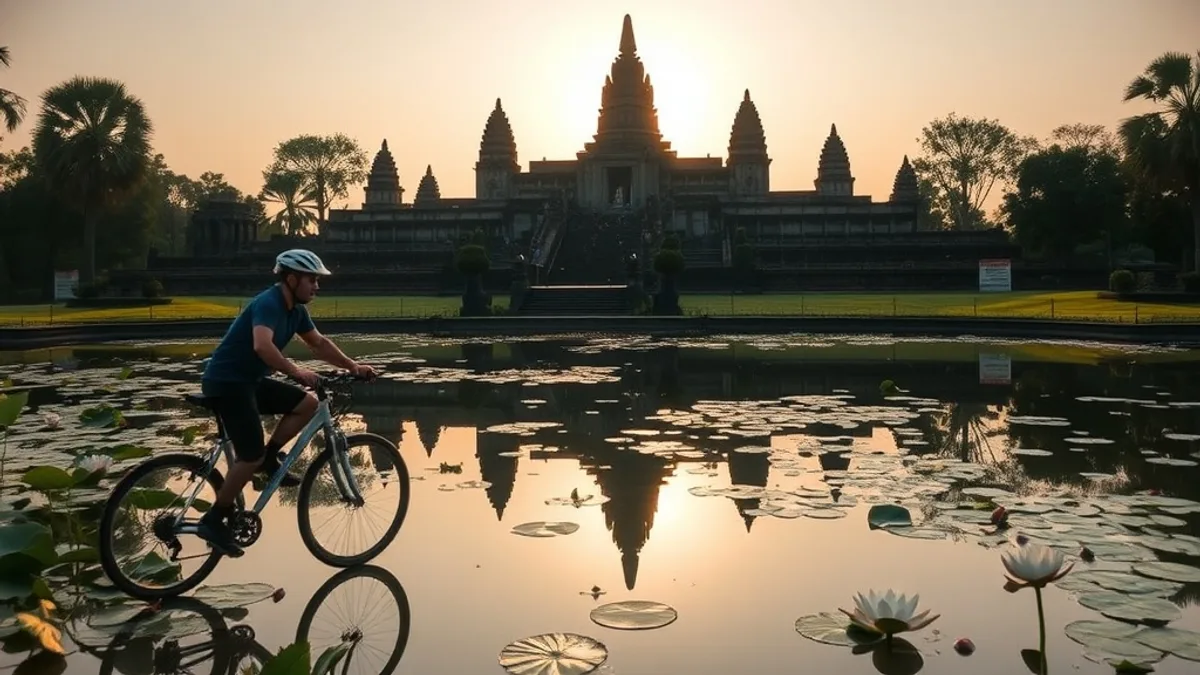
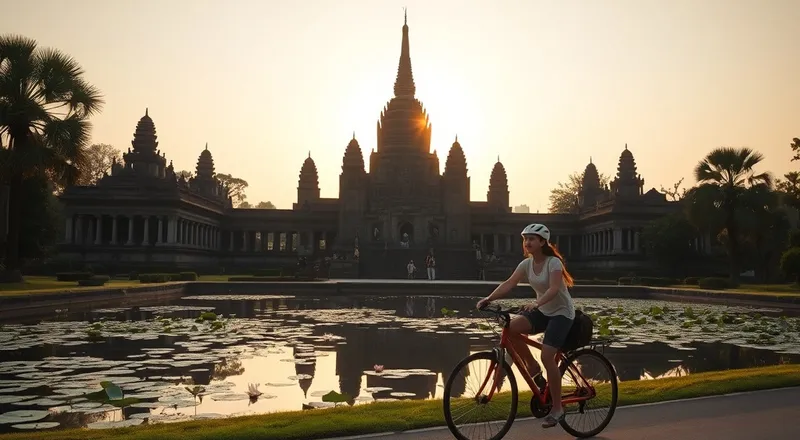
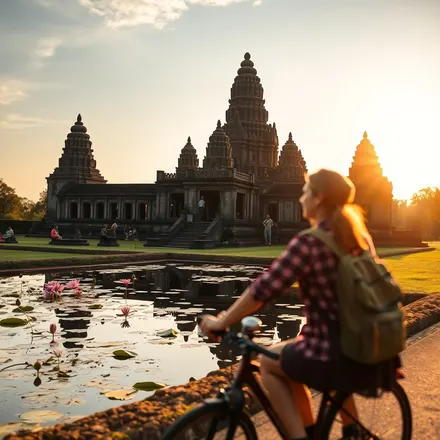
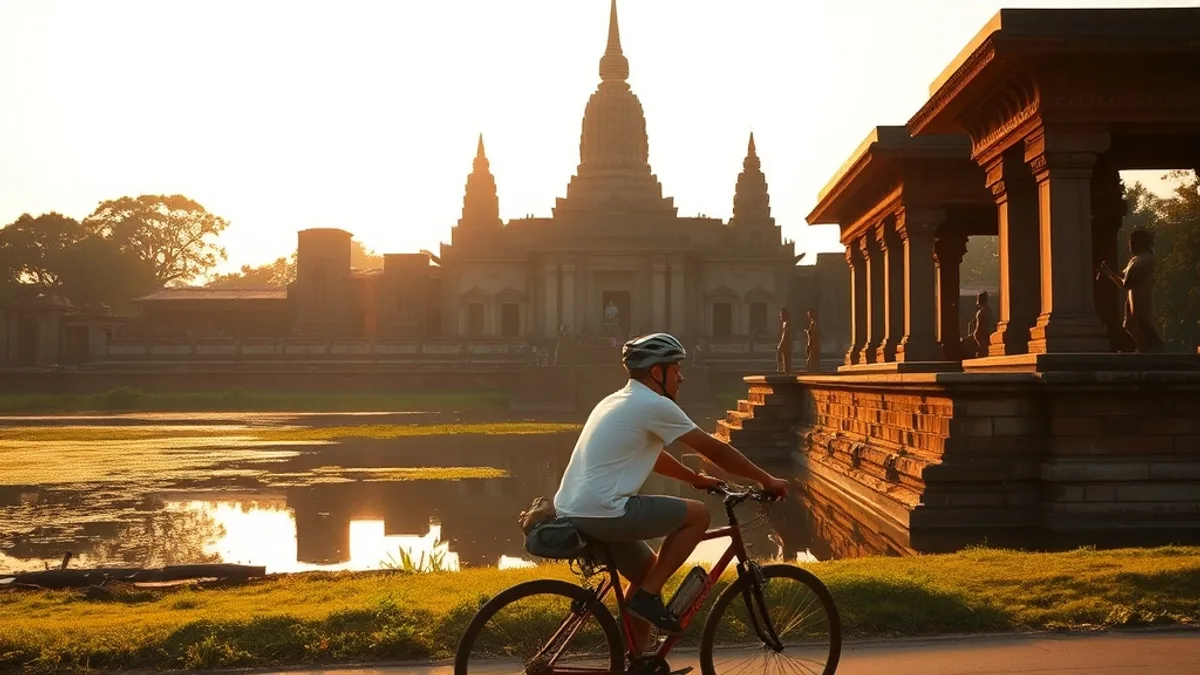
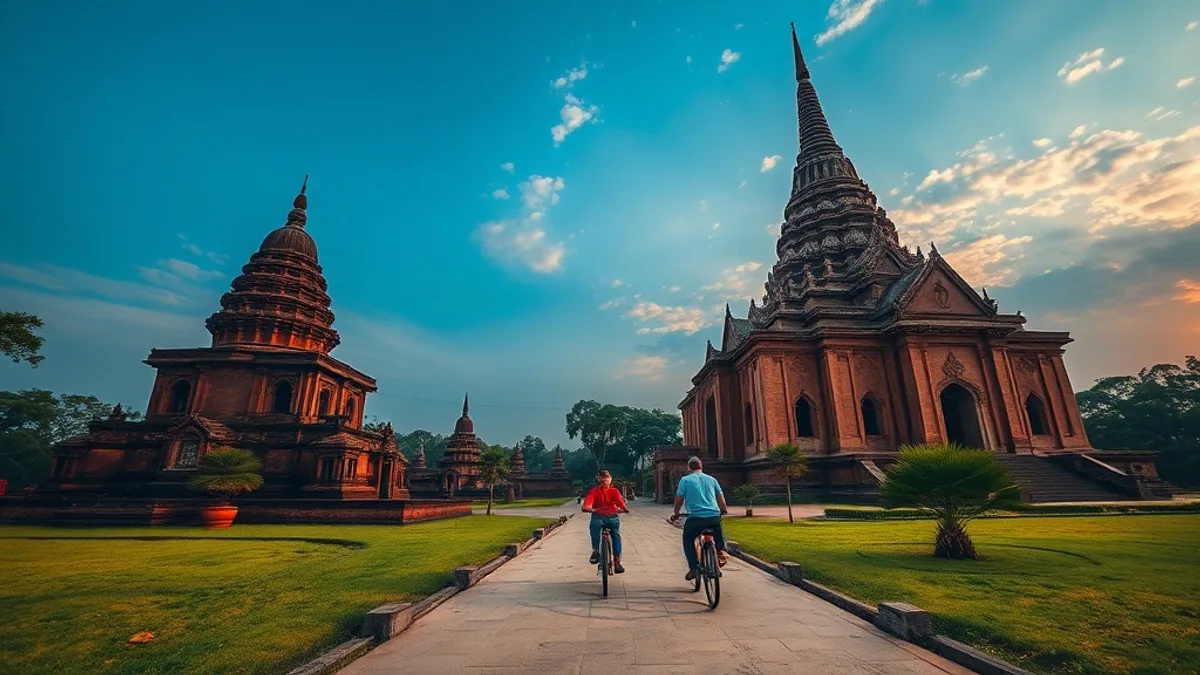
There is a prevailing view among those who have visited both Sukhothai and Ayutthaya that the former is the more affecting experience. Ayutthaya impresses with scale and dramatic decapitation; Sukhothai moves you with something subtler — a combination of spatial composition and reflected light that transforms the experience of moving through its ruins from an exercise in historical sightseeing into something closer to meditation. The key to this transformation is pace, and the key to pace is a bicycle. Sukhothai Historical Park was, whether by accident or design, laid out at exactly the right density for exploration by pedal: the main temple clusters are separated by distances manageable in ten to fifteen minutes of gentle cycling, the paths between them run through a landscape of lotus ponds and low forest where the light filters gold in the late afternoon, and the absence of motorised traffic within the central zone means that the sounds you hear while moving through the ruins are wind, birds, and the soft creak of a bicycle wheel. This is ancient Siam at the right speed.
Overview
Sukhothai Historical Park is divided into five administrative zones — the Central, North, South, East, and West zones — spread across an area of approximately 70 square kilometres, though the vast majority of significant monuments are concentrated in the Central and North zones within easy cycling distance of the main east gate. Bike rental is available from multiple operators clustered near the east gate of the Central Zone, with daily rates ranging from 30 THB for a basic single-speed to 80 THB for a better-maintained multi-speed. Helmet availability is limited — bring your own if cycling is a significant part of your trip. The park's main entrance fee for the Central Zone is 100 THB for foreigners; each additional zone (North, East, West) is priced separately at 100 THB per zone, meaning a comprehensive multi-zone exploration costs 300-400 THB in entry fees.
The Central Zone is the essential starting point and contains the park's most significant monuments. Wat Mahathat — the royal temple at the heart of the ancient city — is Sukhothai's defining structure: a vast complex of lotus-bud chedis, assembly halls, and Buddha images arranged around a central prasat (tower) that still reaches a height sufficient to anchor the entire composition. The reflection of the main chedi in the surrounding moat at golden hour is one of those images that appears on every piece of Sukhothai promotional material for good reason — it delivers on the photograph's promise in person. Plan to spend 45 minutes to one hour at Wat Mahathat; its scale and the density of its subsidiary structures reward slow exploration.
Wat Si Chum, in the northern section of the Central Zone, contains what may be the most impressive single Buddhist image accessible to visitors in all of Thailand: a massive seated Buddha called Phra Achana, 15 metres high and filling a narrow mondop (enclosed shrine) so completely that the upper body and serene face appear to emerge directly from the building's walls. The monumental scale of the image combined with the compression of the enclosing architecture creates an effect of overwhelming presence that photographs cannot adequately capture. Early morning visits when the light enters through the narrow gap above the entrance produce particularly affecting light conditions.
Cycling north from the Central Zone to the North Zone takes approximately 15-20 minutes along a tree-lined road passing through the former city's residential areas. The North Zone contains Wat Si Sanphet and several forest temples where trees have grown up through the ruins with the patient persistence of centuries, their roots clasping stone in the manner that makes Angkor Wat famous but which is less expected in Thailand. The West Zone, across the river from the main complex, contains a smaller cluster of monuments in a quieter landscape that sees significantly fewer visitors and produces the most atmospheric experience of the full park circuit. Allow a full day (6-7 hours) for a comprehensive bicycle exploration of the Central and at least two additional zones.

Highlights
- Wat Mahathat at golden hour — lotus-bud chedis and moat reflections at the royal heart of the ancient Sukhothai capital
- Phra Achana at Wat Si Chum — 15-metre seated Buddha filling its mondop entirely, one of Thailand's most affecting Buddhist monuments
- Bicycle rental from east gate — 30-80 THB/day for access to the perfectly scaled cycling landscape of the historical park
- North Zone forest temples — ancient ruins where tree roots clasp stonework in a slow, centuries-long embrace
- West Zone quietude — the least-visited zone across the river, with atmospheric ruins and almost no other visitors in the late afternoon
- Lotus pond reflections — ponds throughout the Central Zone designed to reflect the surrounding temple architecture in compositional perfection
- Sukhothai sculpture style — the earliest and many scholars argue most refined canonical Thai Buddha image tradition, visible across the park
- Evening light cycling — the park's flat terrain and shaded paths make the two hours before closing time the most beautiful for slow riding
- Si Satchanalai combination — 55km north, the second city of the Sukhothai kingdom and even quieter, combinable as a day trip
October to February is the ideal period for Sukhothai Historical Park — dry weather, comfortable temperatures (20-28°C in the day, cooler evenings), and the lower sun angles of the cool season produce the golden light that makes temple photography most rewarding. November to January is peak season; weekdays are significantly less crowded than weekends when domestic tourism fills the park. The rainy season (June-September) makes the park lush and green, fills the lotus ponds, and reduces visitor numbers dramatically, though heavy rain can make the unpaved paths between some monuments muddy and the heat and humidity remain significant. March to May is the hottest period; early morning (opening time, 6-7 AM) and late afternoon cycling is still manageable.
Practical Information
Cost Level
Historical Park entry: 100 THB per zone (Central Zone entry is the essential minimum; each additional zone is 100 THB). Bicycle rental: 30-80 THB per day near the east gate. New Sukhothai to Historical Park transport: 30-50 THB by songthaew (shared pick-up truck) or 100-150 THB by tuk-tuk one way. Accommodation in New Sukhothai: 350-1,200 THB per night. Meals in New Sukhothai: 50-150 THB including the famous Sukhothai Noodles. A comprehensive one-day Sukhothai experience including entry fees, bicycle, transport, meals, and accommodation runs approximately 800-1,500 THB per person — exceptional value for one of Southeast Asia's great archaeological sites.
Tips
The Historical Park and New Sukhothai (the modern town) are 12 kilometres apart — do not confuse accommodation bookings. Most visitors stay in New Sukhothai and take songthaew transport to the park. Start your cycling day at park opening (6-7 AM) to have Wat Mahathat and Wat Si Chum almost entirely to yourself for the first hour. Bring more water than you expect to need — the park is flat but the heat between monuments is considerable. The late afternoon (3-5 PM before 5:30 PM closing) produces the best light for photography and the coolest cycling conditions. A waterproof bag or plastic bag for your camera is wise in the rainy season.
Our creators on the ground in Sukhothai share their best recommendations in their videos.

Places in this Guide
Discover the attractions and locations featured in this travel guide.
Explore Sukhothai
Sukhothai
สุโขทัยSukhothai, meaning 'Dawn of Happiness,' is the cradle of Thai civilization and home to a UNESCO World Heritage Historica...All creators from Sukhothai →Location & Orientation

Frequently Asked Questions
How long does it take to cycle around Sukhothai Historical Park?
A thorough exploration of the Central Zone takes approximately 3-4 hours at a comfortable pace with stops for photography and contemplation at each major monument. Adding the North Zone adds 1.5-2 hours. The West Zone (across the river from the main complex) adds another 1-1.5 hours. A comprehensive day covering Central, North, and West Zones on a bicycle takes 6-7 hours of active exploration with breaks — a full and satisfying day. The East and South Zones are less concentrated in monuments and most visitors skip them on a single-day visit. The park closes at 5:30 PM; plan your arrival time accordingly to ensure you reach the zones you prioritise before closing.
Can I hire an electric bike or golf cart at Sukhothai if I don't want to cycle?
Electric bicycles are available for hire near the Central Zone east gate at prices ranging from 150-200 THB per day and are a good option for visitors who want to cover the full park without physical exertion. Golf carts can be hired with a driver for comprehensive park tours, typically for 1,000-1,500 THB for a 2-3 hour tour of the main monuments. However, the golf cart experience removes the independence and pace that makes Sukhothai most atmospheric — the ability to stop precisely when and where you choose, to sit quietly beside a pond while the light changes, or to revisit a favourite monument before closing. Pedal or electric bicycle exploration is genuinely the recommended mode for first-time visitors.
What is the difference between New Sukhothai and Sukhothai Historical Park?
New Sukhothai (or Mueang Sukhothai) is the modern town where the majority of accommodation, restaurants, banks, and services are located, situated approximately 12 kilometres east of the Historical Park. The Historical Park itself is the ancient walled city and its surrounding monument zones — an archaeological site with minimal commercial infrastructure (a visitor centre, some snack vendors, and bicycle rental near the main entrance). Most visitors stay in New Sukhothai and travel to the park by songthaew (30-50 THB, runs throughout the day) or rented motorbike. There is limited accommodation near the park itself at a higher price point. The two are connected by a pleasant road that some cyclists ride as part of an extended day — approximately 45 minutes each way by bicycle.
Is it possible to combine Sukhothai with Si Satchanalai in one day?
Combining the two sites in a single day is theoretically possible but produces a rushed experience that shortchanges both. Si Satchanalai Historical Park is 55 kilometres north of Sukhothai (approximately 1 hour by car or motorbike) and its own exploration takes 3-4 hours minimum. A day that covers Sukhothai in the morning and Si Satchanalai in the afternoon — or vice versa — leaves insufficient time for either site's most atmospheric slow exploration. The better approach is to allocate a full day to each: Sukhothai on day one, Si Satchanalai on day two. Si Satchanalai is significantly quieter than Sukhothai, more overgrown, and equally rewarding — arguably more so for visitors who prefer to feel genuinely alone among ancient ruins.
What is the best monument to visit in Sukhothai Historical Park?
Wat Mahathat and Wat Si Chum are universally cited as the essential monuments, for complementary reasons. Wat Mahathat is the most comprehensive expression of Sukhothai's spatial and architectural ambition — a royal complex of substantial scale whose relationship between chedi, pond, and surrounding landscape constitutes one of Southeast Asia's great architectural compositions. Wat Si Chum is more intimate but more immediately affecting: the experience of entering the narrow mondop and encountering Phra Achana's monumental face at close quarters is one that visitors consistently describe as unexpectedly moving. If forced to choose one, most visitors who have been to both recommend Wat Si Chum for its singular experiential intensity. In practice, they are 15 minutes apart by bicycle and both should be on every itinerary.