Introduction
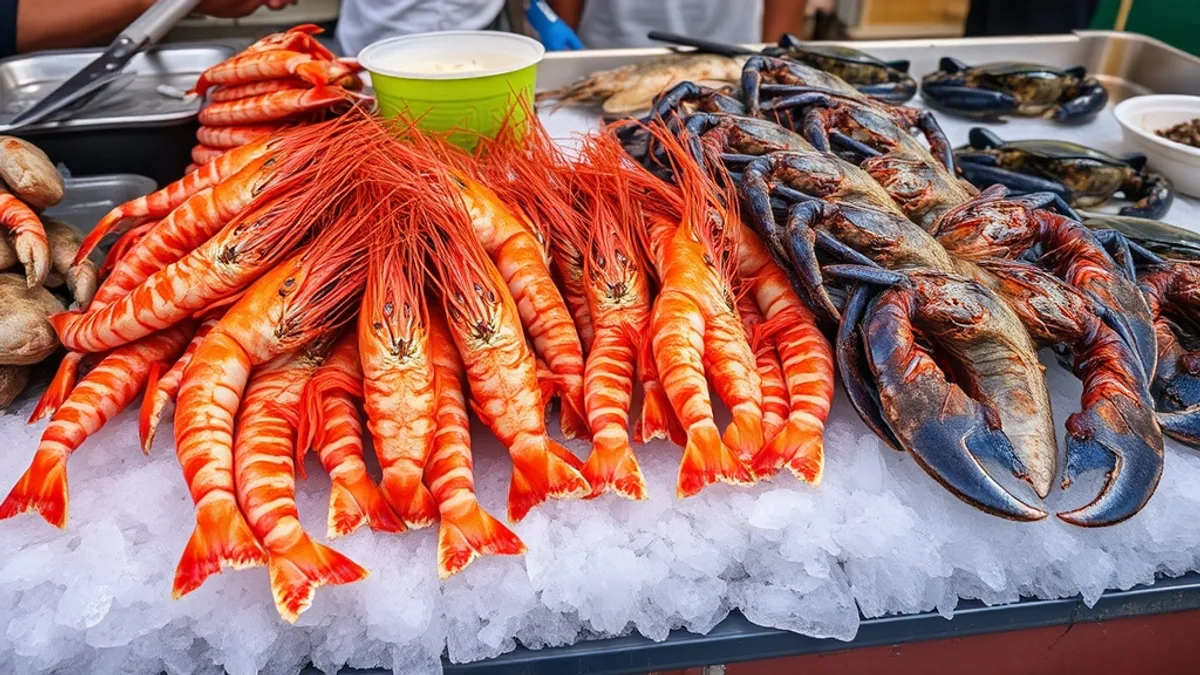
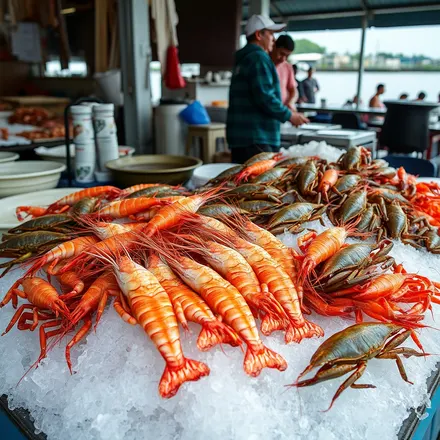
Samut Prakan sits at the confluence of the Chao Phraya River and the Gulf of Thailand, and its seafood culture reflects that privileged geography with full intensity. The province's fish markets operate on a different clock from the rest of the city — the most important transactions happen before most Bangkok residents have stirred from sleep, when ice-packed trucks arrive at the Pak Nam wholesale pier with the night's Gulf catch. Stone crabs with pale orange claws, tiger prawns that weigh 200 grams each, cockles from the mudflat farms of the estuary, and the fat-bellied squid pulled by lamp-light fishing boats further offshore — all of it moving through Samut Prakan before distribution to Bangkok's restaurants and markets. Eating here, steps from the source, at half the Bangkok price point, is one of the Eastern Seaboard's most straightforward pleasures.
Overview
The Pak Nam fish market operates at two speeds. The wholesale activity peaks between 4am and 7am, when licensed traders and restaurant buyers move quickly through the piers, filling their pickup trucks and motorbike carts with bulk orders before the sun climbs high enough to threaten the ice. By 7am, the retail market opens to the public, and this is the window most visitors should target — the selection is still excellent, the energy is high, and the price-to-quality ratio is genuinely exceptional.
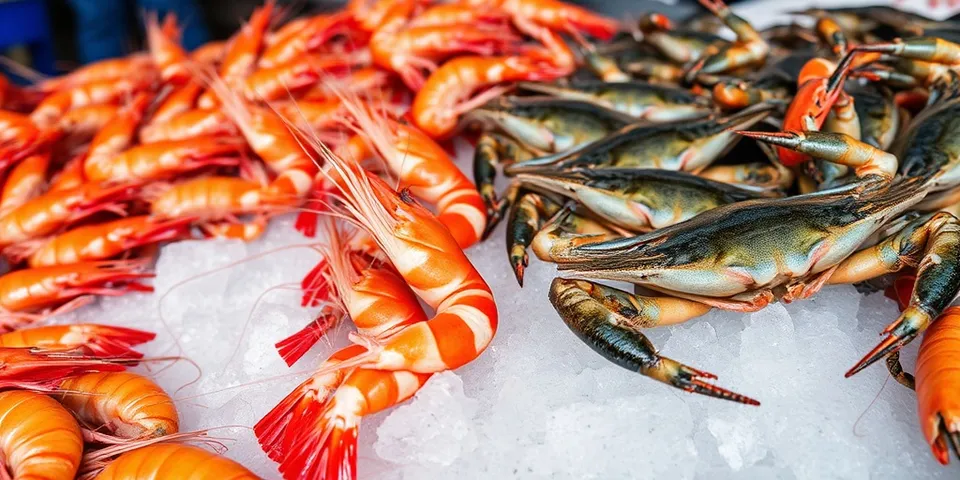
Samut Prakan's signature ingredient is the stone crab (pu hin), which is harvested from the rocky tidal areas around the estuary mouth. These crabs have particularly dense, sweet claw meat, and the province has built a genuine reputation for them among Bangkok food lovers who make the trip specifically. Stone crabs are typically sold live at the market, then steamed or fried at the riverside restaurants. A kilogram of medium stone crabs costs 400-700 THB at the market — roughly half the price of the same product in Bangkok's seafood restaurants.
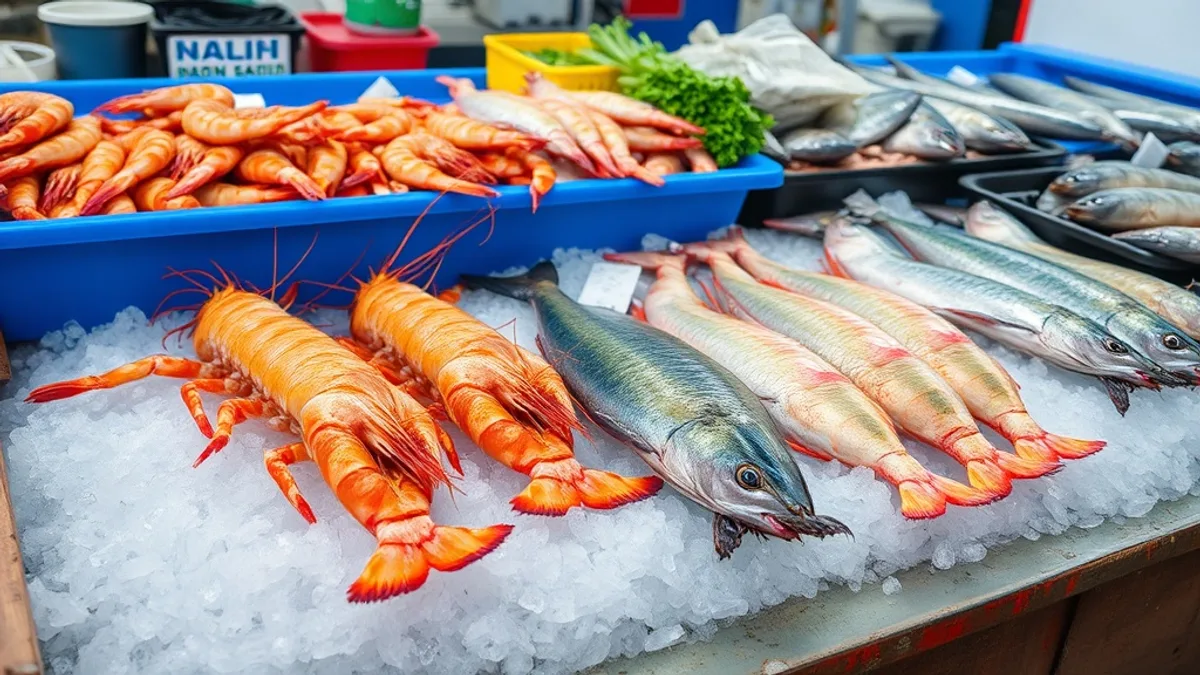
Flower crabs (pu ma) are the other great local crustacean — lighter and more delicately flavoured than stone crabs, excellent steamed with ginger and Chinese wine, or deep-fried whole with garlic and black pepper. Tiger prawns from the Gulf arrive at the market with the distinctive firm texture that only comes from truly fresh, never-frozen product. The difference in texture compared to supermarket prawns is immediately apparent to any palate.
The Hoi Tod (crispy oyster pancake) shops along the Pak Nam waterfront represent one of the great local specialties. The best version is made with fresh oysters from the estuary, egg batter crisped to lace-edged perfection on a flat iron griddle, served with bean sprouts and a fiery chili dipping sauce. Several shops along the waterfront road have been operating the same recipe for three generations, and the queues at peak hours (11am-1pm) are almost entirely Thai.
Stingray grilled over slow charcoal is another Samut Prakan speciality almost unknown outside the province. Whole rays are butterflied, marinated in a paste of lemongrass, galangal, and turmeric, then grilled gently over coconut husk charcoal until the flesh pulls cleanly from the cartilage. The result is smoky, fragrant, and deeply satisfying. Evening riverside restaurants near the Pak Nam pier are the best places to find it, priced at approximately 300-500 THB per whole ray depending on size.
Highlights
- Pak Nam wholesale and retail fish market operating from 4am with the freshest Gulf catch
- Stone crabs (pu hin) — Samut Prakan's signature seafood at 400-700 THB per kg
- Tiger prawns direct from Gulf fishing boats at half Bangkok restaurant prices
- Legendary Hoi Tod (crispy oyster pancake) shops with three-generation recipes
- Charcoal-grilled stingray — a local speciality nearly unknown outside the province
- Flower crabs steamed with ginger or fried with garlic and black pepper
- Riverside seafood restaurants at significantly lower prices than Bangkok
- Dawn activity at the pier (4-8am) for the most authentic wholesale market experience
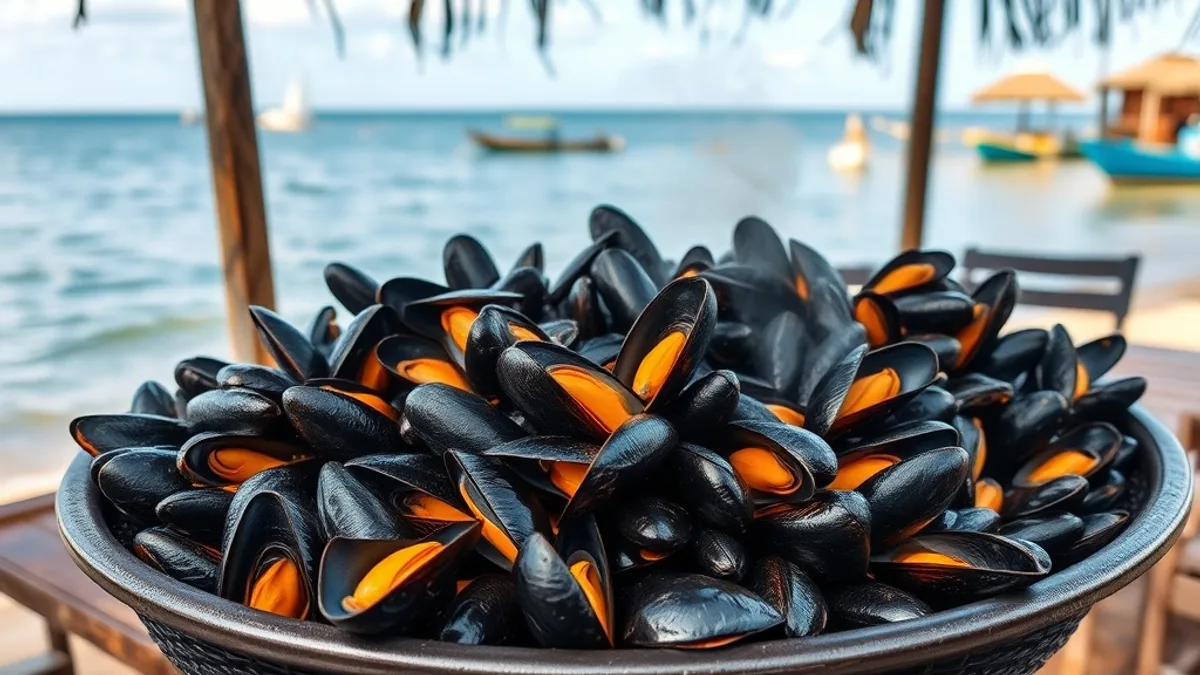
- Fresh cockles from the estuary mudflat farms, eaten raw with lime and chili
- Easy access from Bangkok by BTS to Kheha plus taxi
The retail fish market is most vibrant between 7am and 10am on any day of the week. Arriving at 7am gives you the best selection before the best cuts sell out. For seafood restaurants, lunch (11am-2pm) and early evening (5pm-8pm) are peak service times when kitchens are at their most energetic. Weekday mornings are quieter than weekends. The cool season months (November to February) are the most comfortable time to stand at open-air markets.
Practical Information
Cost Level
Prices are approximately 40-60% of equivalent Bangkok restaurant prices. Stone crabs: 400-700 THB per kg at the market. Tiger prawns: 500-900 THB per kg depending on size. Hoi Tod at established waterfront shops: 80-150 THB per plate. Grilled stingray: 300-500 THB per whole fish. A full seafood dinner for two at a riverside restaurant including several dishes, rice, and drinks typically runs 600-1200 THB — outstanding value for the quality and freshness on offer.
Tips
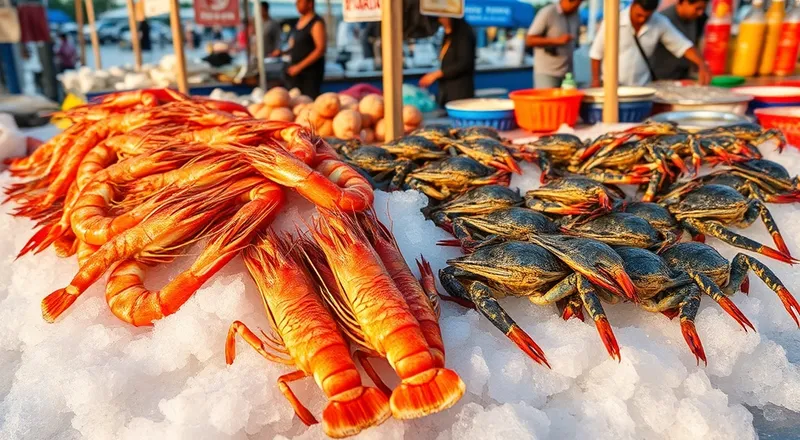
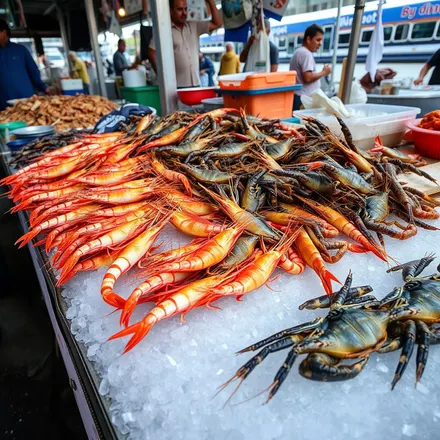
The freshest and best-priced seafood is found at the riverside restaurants near the Pak Nam pier rather than at restaurants along the main road. Point directly at the iced display to choose your seafood and indicate your preferred cooking method (steamed, fried, grilled). Most staff at local seafood restaurants speak basic English sufficient for ordering. Arrive for the Hoi Tod shops before noon — they often sell out by early afternoon on busy days. Bring cash; very few local seafood establishments accept cards.
Our creators on the ground in Samut-prakan share their best recommendations in their videos.
Places in this Guide
Discover the attractions and locations featured in this travel guide.
Explore Samut Prakan
Samut Prakan
สมุทรปราการSamut Prakan is a province bordering Bangkok to the south, offering a fascinating blend of cultural attractions and gree...All creators from Samut Prakan →Location & Orientation

Frequently Asked Questions
What is the best seafood to eat in Samut Prakan?
The province's standout products are stone crabs (pu hin) for their dense sweet claw meat, tiger prawns direct from Gulf boats, and the fresh oysters used in the famous Hoi Tod pancakes. If you can only try one thing, make it the Hoi Tod at one of the long-established shops on the Pak Nam waterfront — it is a genuinely different experience from the versions sold in Bangkok. Grilled stingray is the local speciality worth seeking out for adventurous eaters, typically available at evening restaurants near the pier.
How does ordering at a local Samut Prakan seafood restaurant work?
Most riverside seafood restaurants display their fresh catch on ice at the entrance. Walk up, point at whatever appeals, and indicate the quantity (by piece or by weight — scales are usually on the counter). The server will ask your preferred cooking method, typically steamed, fried in garlic oil, grilled, or in a curry. A simple vocabulary to know: nueng (steamed), pad kratiam (fried with garlic), yang (grilled). If in doubt, pointing at what the next table is eating and nodding enthusiastically always works. Prices are per dish or per 100 grams depending on the item.
Is it safe to eat raw shellfish at the Pak Nam market?
Raw shellfish (particularly cockles, oysters, and blood clams) is consumed routinely by Thai people at Pak Nam and is considered part of local food culture. Freshness is genuine — the product arrives at the pier the same morning. That said, travellers with sensitive digestive systems or those in risk categories (pregnancy, immunosuppression) should apply the same caution they would anywhere with raw shellfish. The cooked options — steamed, fried, grilled — are universally safe and equally delicious. The Hoi Tod oyster pancake uses fresh oysters but is cooked, making it a lower-risk choice than raw options.
What is the Hoi Tod oyster pancake and where is the best place to try it?
Hoi Tod is a Thai dish of fresh oysters mixed with egg batter and starch, poured onto a very hot flat iron griddle in a pool of oil until the edges crisp to a lace-like texture while the centre remains slightly creamy. Served with bean sprouts and a spicy chili sauce, it is one of Thailand's most distinctive street food dishes. Several shops along the Pak Nam waterfront road have operated for decades and are regarded as among the best in the country. Arrive by noon as the most popular spots often sell out on busy days. Expect to queue during weekend lunchtimes.
Can I buy seafood at the market and take it home to Bangkok?
Yes, and many Bangkok food lovers do exactly this. The retail section of the Pak Nam market sells fresh and dried seafood. Dried squid, dried fish, and dried shrimp paste make excellent take-home purchases as they travel well and keep for weeks. Fresh live crabs and prawns need to be transported in insulated boxes with ice — these are available at the market for purchase, and vendors can pack your selection for you at a small additional cost. For air travel, check airline regulations on fresh seafood in checked luggage, as the rules vary.