Introduction
Rayong is not merely a province with good seafood — it is one of the most significant fishing and food-production regions in Thailand, with a maritime economy that has shaped its cuisine into something genuinely distinct from Bangkok's coastal restaurants. The province's tiger prawns are among the country's most prized, its dried seafood products are carried home as gifts by Bangkok visitors in the same way tourists elsewhere buy spices, and its fish sauce has given birth to one of Thailand's most recognised condiment brands. Eating in Rayong means eating closer to the source than almost anywhere accessible from the capital — sitting at plastic tables on the Ban Phe waterfront with a whole grilled prawm the size of your forearm, knowing that the boat that caught it docked two hours ago.
Overview
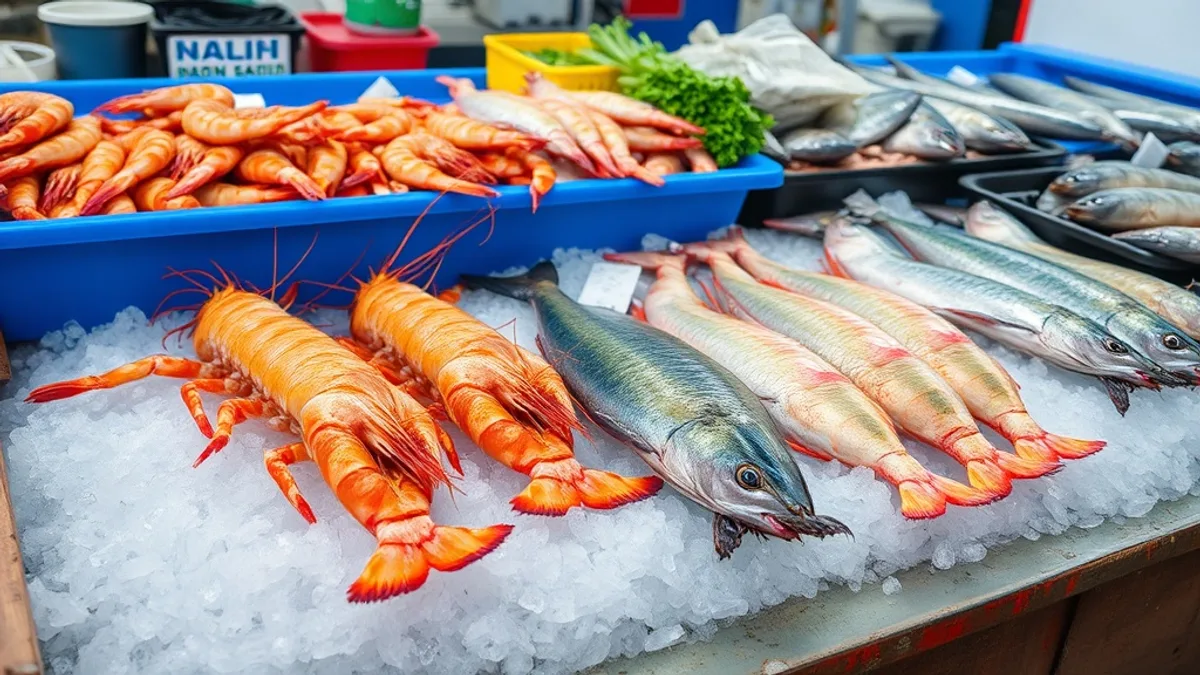
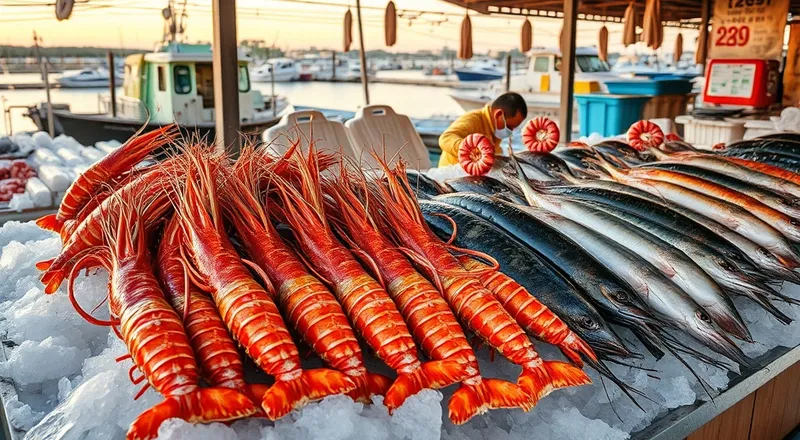
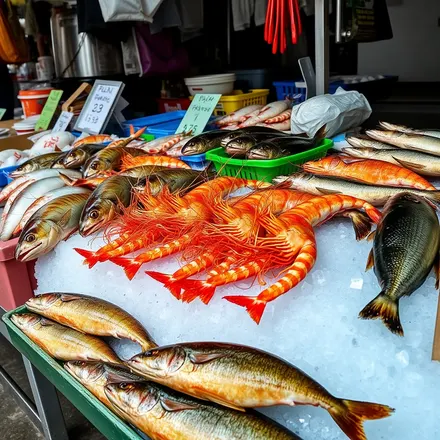
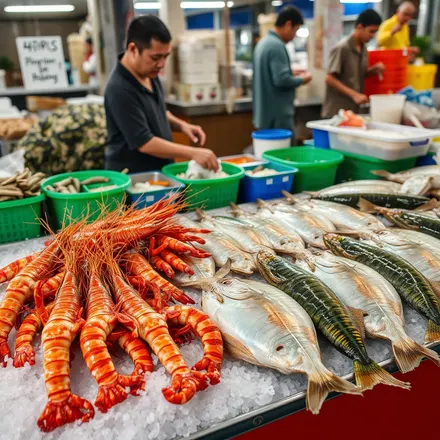
Ban Phe is the centre of Rayong's seafood universe. This working port town serves simultaneously as the departure point for Koh Samet ferries and as the province's main seafood wholesale and retail hub. The Ban Phe fish market runs along the waterfront road, and its scale is impressive — dozens of stalls display the morning's catch on ice, covering the full spectrum of Gulf marine life. The market is most active in the early morning when boat crews are unloading, but retail selling continues through the day until stock runs out, typically by early afternoon.
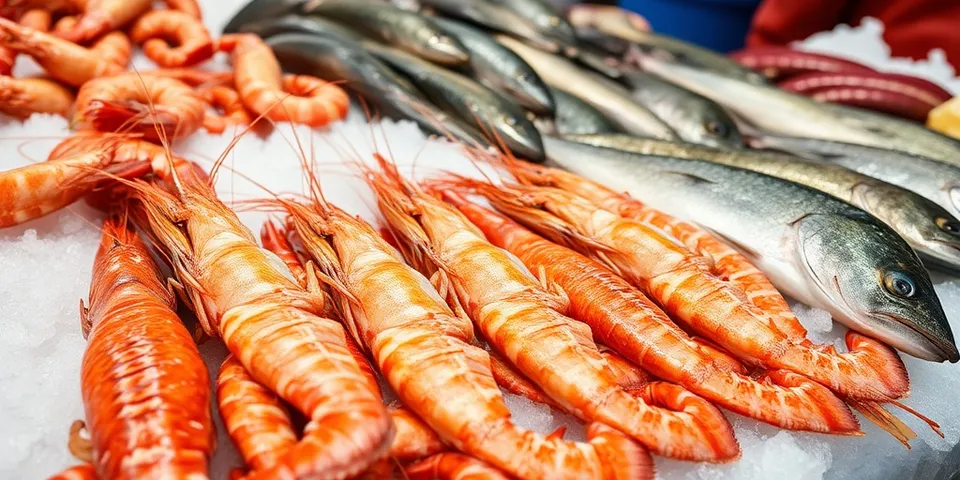
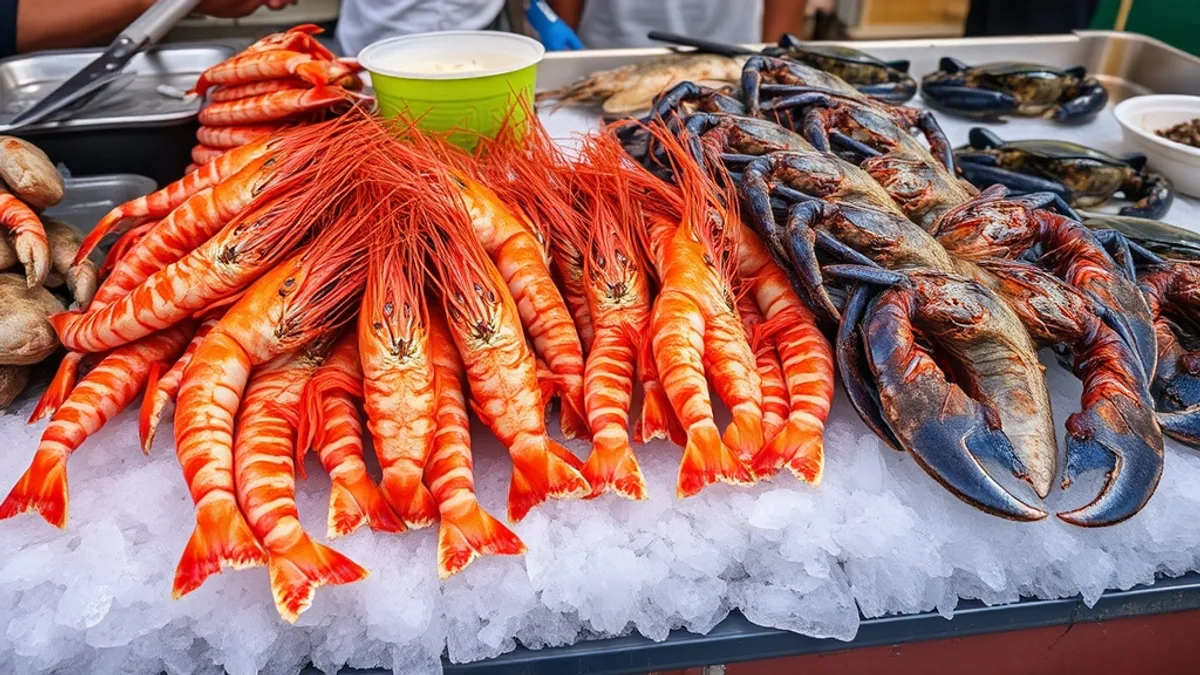
Rayong tiger prawns are the headline product. These Gulf-caught prawns — genuinely wild, not farmed — have the firm texture and clean ocean flavour that farmed versions can only approximate. They are sold by weight (500-1500 THB per kg depending on size, with the largest specimens commanding premium prices) and are typically grilled whole over charcoal with a simple baste of garlic and butter, or steamed and served with a sweet chili dipping sauce. Eating a grilled Rayong tiger prawn at a Ban Phe waterfront restaurant is one of the genuine benchmark food experiences of the Eastern Seaboard.
Dried seafood is a Rayong institution. The shops along the main road in Ban Phe and along Highway 3 sell an extraordinary variety of dried and semi-dried products: dried squid (flat-pressed and slightly sweet), dried fish in multiple curing styles, dried shrimp paste, and seasoned dried cuttlefish. These products are the standard gift that Bangkok-based Thais request when friends visit Rayong — they keep for weeks and concentrate the flavour of the sea into portable, gifting-appropriate form. Budget 200-500 THB for a selection of dried seafood take-home gifts.
Som Tam Pa, the eastern seaboard variant of papaya salad, deserves specific mention. Unlike Bangkok-style Som Tam Thai (sweet and mild), Som Tam Pa uses raw fermented freshwater crab (pu pla ra) as a key ingredient, creating a dramatically spicier and more pungent result. This is the version consumed throughout eastern Thailand and Isaan, and Rayong serves it with the full regional intensity. Approach with respect if you are unfamiliar with fermented crab flavours.
Rayong fish sauce is a significant industrial food story. The Tiparos brand — one of Thailand's most exported fish sauces — has its origins in the Rayong region, and the distinctive amber fish sauce produced here has shaped Thai cuisine globally. Some seafood restaurants in Ban Phe offer to let guests try their house-aged fish sauce as a condiment comparison.
Highlights
- Ban Phe fish market — Rayong's primary seafood wholesale and retail hub on the waterfront
- Wild-caught Rayong tiger prawns at 500-1500 THB per kg — among Thailand's finest
- Grilled whole tiger prawn over charcoal at Ban Phe waterfront restaurants
- Extensive dried seafood shops for take-home gifts (dried squid, fish, shrimp paste)
- Som Tam Pa — the intensely spiced eastern seaboard papaya salad with fermented crab
- Tiparos fish sauce origins — Rayong's contribution to global Thai cuisine
- Morning wholesale market activity at Ban Phe pier (4-8am most productive)
- Retail seafood market continues through early afternoon
- Point-and-choose ordering from ice displays at all market restaurants
- Combination with Koh Samet ferry departure from the same waterfront
The Ban Phe fish market operates year-round. Morning hours (6am-10am) are best for the full market experience with maximum variety and the freshest product. Seafood restaurants along the waterfront are busiest at lunch (11am-2pm) and early evening (5-8pm) — both excellent meal windows. Weekdays are notably quieter than weekends. The cool season (November to March) is the most comfortable time to sit at outdoor plastic-table waterfront restaurants.
Practical Information
Cost Level
Tiger prawns: 500-1500 THB per kg depending on size. Grilled whole prawn (per piece, restaurant): 200-400 THB. Som Tam Pa at a local shop: 60-100 THB. Seafood meal for two at a mid-range Ban Phe restaurant with multiple dishes, rice, and drinks: 600-1200 THB. Dried seafood take-home gifts: 200-500 THB per selection. Overall prices are approximately 30-50% lower than equivalent Bangkok seafood restaurants.
Tips
Walk the length of the Ban Phe fish market before buying anything — compare the freshness and prices across multiple stalls before committing. The best-quality tiger prawns have firm, translucent flesh with heads fully intact. Avoid prawns with blackened head joints (a sign of age). For dried seafood gifts, the shops along the main road offer better variety and lower prices than the tourist-oriented stalls near the pier. Bring extra cash — most market stalls do not accept cards.
Our creators on the ground in Rayong share their best recommendations in their videos.
Creators who cover this spot
Discover YouTube creators who feature this topic in their videos.

Eat Street Repeat
Eat Street Repeat is a USA-based creator documenting Thailand's authentic street food culture since 2015.

Mark Wiens
American food travel creator based in Bangkok specializing in cinematic Thai street food and culinary documentation.

Thai Food Quest
American food enthusiast documenting Thailand's regional cuisine from Bangkok street carts to northern hill tribe recipes.
Places in this Guide
Discover the attractions and locations featured in this travel guide.
Explore Rayong
Rayong
ระยองRayong is a coastal province east of Bangkok that combines beautiful beaches with a thriving fishing industry and abunda...All creators from Rayong →Location & Orientation
Frequently Asked Questions
What makes Rayong tiger prawns special compared to other Thai prawns?
Rayong tiger prawns are primarily wild-caught from the Gulf of Thailand rather than farmed, which gives them significantly firmer flesh texture and a cleaner, more complex marine flavour. Farmed prawns (which dominate supermarkets and most mid-range restaurants) are raised in brackish ponds and develop a somewhat blander, softer product. The wild-caught Rayong specimens also tend to be larger on average. The difference is immediately apparent in taste and texture — the wild prawn holds together when grilled and has a pronounced sweetness that farmed versions rarely achieve.
Is dried squid from Rayong really a common Thai gift?
Yes, genuinely. The practice of bringing back dried seafood from Rayong (or Chanthaburi, or Trat) when visiting from Bangkok is deeply embedded in Thai social culture — it is the eastern equivalent of bringing back northern sausage from Chiang Mai or southern palm sugar from the deep south. The dried squid from Ban Phe is flat-pressed, slightly sweet-cured, and sold in sealed packets at seafood shops throughout town. It keeps for several weeks at room temperature and is eaten as a snack, often with cold beer. Buying some to take back is not being a tourist — it is participating in a genuine local custom.
What is Som Tam Pa and how spicy is it?
Som Tam Pa is the eastern seaboard version of the iconic Thai papaya salad (Som Tam). Unlike the Bangkok-style Som Tam Thai (relatively sweet and balanced) or even Som Tam Thai with salted egg, Som Tam Pa uses raw fermented freshwater crab (pu pla ra) as a key ingredient. This gives the dish a strongly pungent, fermented flavour base with an intensely spicy heat from Thai bird's eye chillies. It is significantly more challenging for unaccustomed palates than the Bangkok version. Order 'nit noi phet' (a little spicy) if you want a gentler introduction — the vendor will understand and adjust accordingly.
When is the Ban Phe fish market most active?
The wholesale market at Ban Phe pier is most active from approximately 4am to 7am when fishing boats are unloading and licensed traders are buying in bulk. For visitors, the retail market opening from about 7am offers the same morning energy with public access — this is the window between 7am and 10am that gives you maximum selection and freshness before the best cuts are sold out. The market continues in reduced form through the early afternoon, but the selection and energy is significantly lower after 11am. Plan to arrive by 8am for the optimal experience.
Can I buy fresh seafood at Ban Phe market and have it cooked for me?
Yes, and this is a very common approach at the waterfront seafood restaurants. Several restaurants adjacent to the market allow you to purchase fresh fish or shellfish from the market stalls and bring it to them for cooking, charging a modest preparation fee (typically 50-100 THB per dish). This gives you maximum control over freshness and species selection while still enjoying a proper restaurant preparation. Alternatively, most restaurants have their own fresh displays — point at what you want and specify how you would like it cooked. Either approach works seamlessly at the Ban Phe waterfront.