Introduction
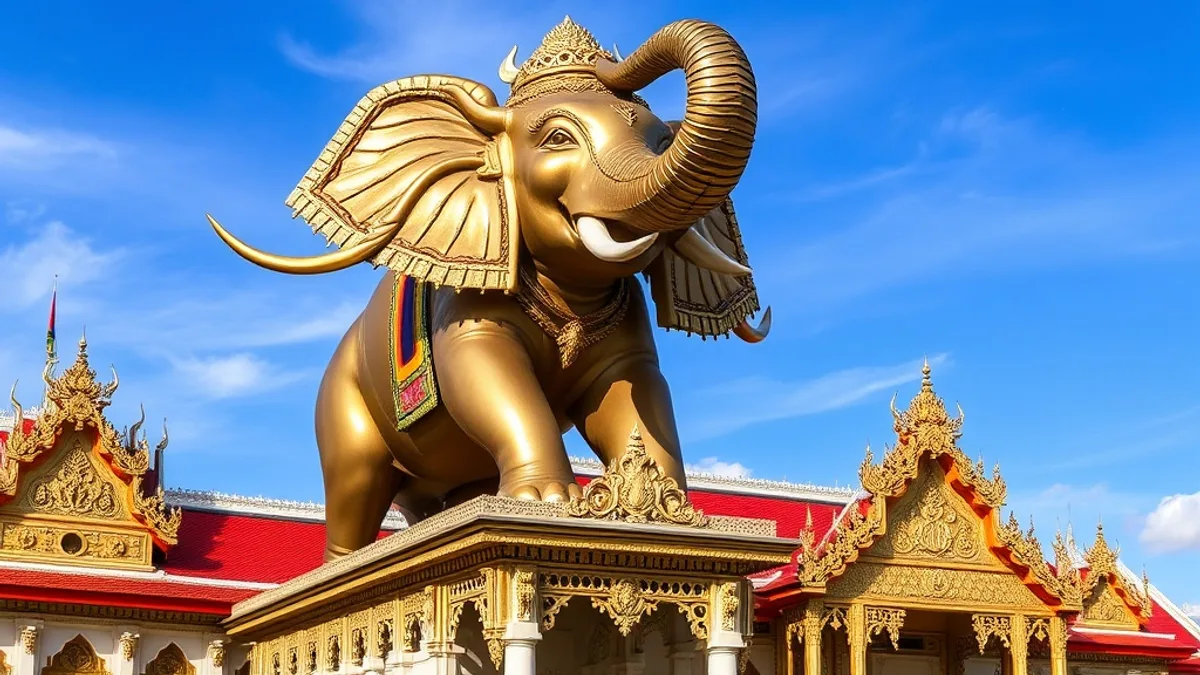
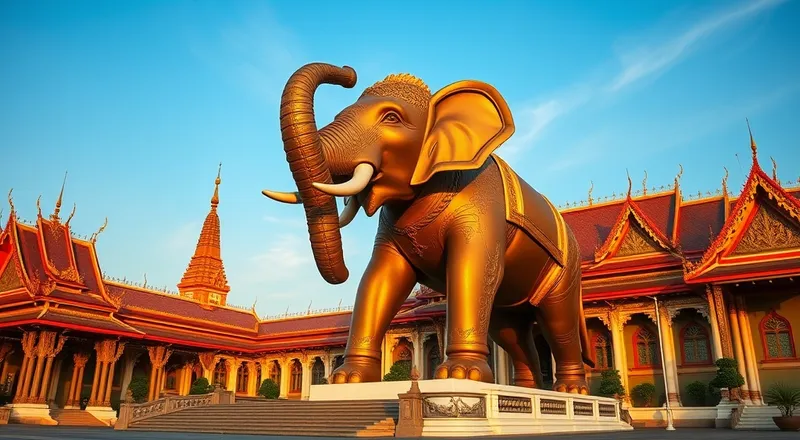
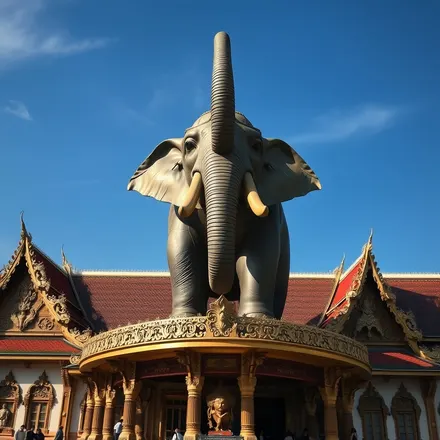
Rising above the flat plains of Samut Prakan with surreal magnificence, the Erawan Museum is one of Thailand's most visually extraordinary buildings — a colossal bronze three-headed elephant standing more than 30 metres tall atop an ornate Thai-European hybrid structure. Built by the same visionary philanthropist behind the Ancient City, billionaire Lek Viriyaphant, the museum is simultaneously a place of religious devotion, artistic achievement, and cultural philosophy. What appears from the outside as a spectacular curiosity reveals itself inside as a deeply considered spiritual space. Visitors ascend through three symbolic realms — the earthly, the celestial, and the divine — each housed within distinct architectural environments filled with Thai antiques, Buddhist relics, and breathtaking decorative arts. The hollow interior of the elephant body itself contains a breathtaking stained glass ceiling that floods the chamber with coloured light, creating an atmosphere unlike anything else in Thailand.
Overview
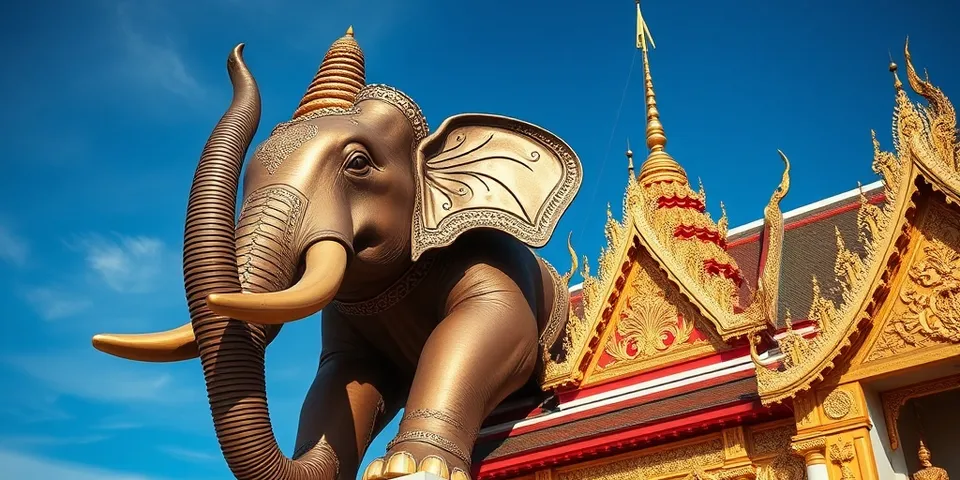
The Erawan Museum's exterior announces itself with absolute confidence — the three-headed elephant, known as Erawan in Hindu cosmology (and as Airavata in Sanskrit), stands as the mythological mount of the god Indra, ruler of the heavens. In Thai Buddhist culture, the three heads symbolise the three jewels of Buddhism: the Buddha, the Dharma, and the Sangha. Lek Viriyaphant constructed the museum as a vessel for his extensive collection of Thai cultural artefacts and as a monument to his belief that Thai heritage must be preserved and celebrated.
The visit begins on the ground floor, the Lower Earth realm, which houses an extensive collection of Thai ceramics, Bencharong porcelain, and decorative artefacts spanning multiple centuries and dynasties. The pieces here range from delicate miniature items to enormous ceremonial vessels, and the display quality rivals that of Bangkok's finest museums. Moving upward through the Middle Earth, visitors encounter the most comprehensive display of Thai decorative arts in the museum: Khon dance masks, royal regalia reproductions, lacquerwork, and intricately carved wooden furniture from various regional traditions.
The ascent into the Heavenly Realm — the interior of the elephant body itself — is the museum's defining experience. A spiral staircase winds upward into the bronze structure, and the chamber at the top opens into a circular space illuminated by a magnificent stained glass dome. The glass panels, created by international artisans to Viriyaphant's specifications, depict cosmological themes in deep blues, golds, and reds that suffuse the space with an almost cathedral-like quality. Sacred Buddha relics are enshrined here, and the atmosphere carries genuine spiritual weight that visitors of all beliefs tend to find moving.
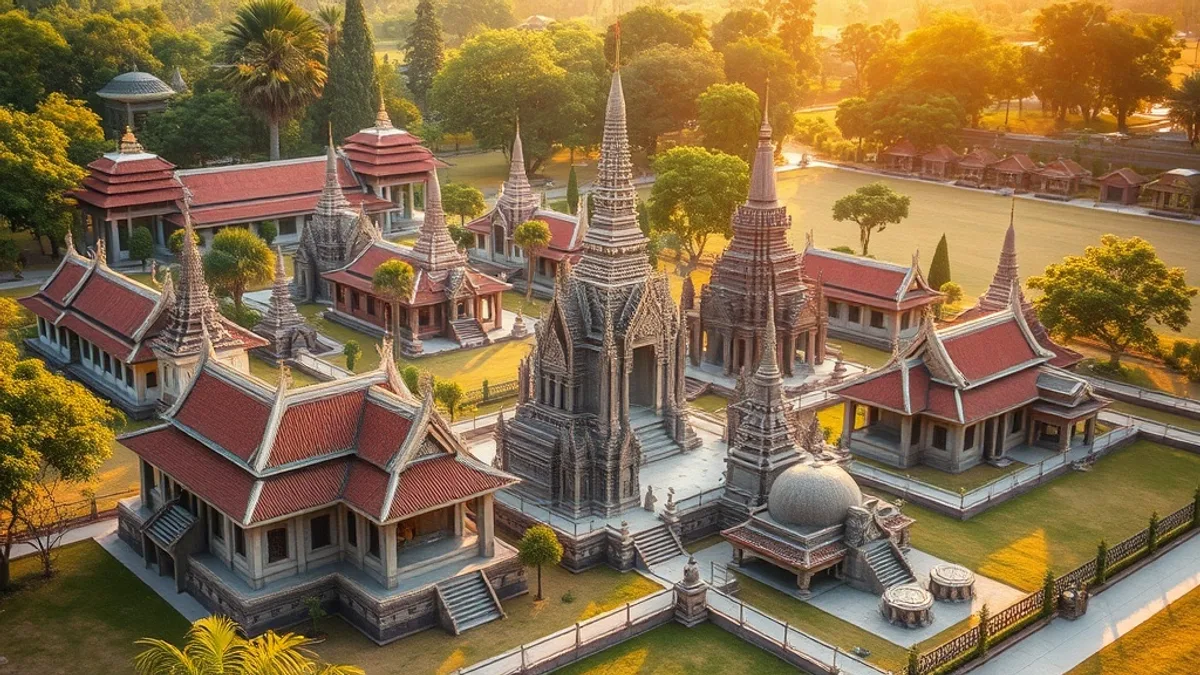
The surrounding grounds feature formal Thai gardens, a large ornamental pond, and several smaller shrines. The main building sits on an elevated platform reached by a grand staircase flanked by mythological guardian figures. Entry is 400 THB, which is justified by the scale and quality of what is presented. Photography is permitted in most areas except directly around the most sacred Buddha relics. Plan at least two hours for a complete visit, and allow time to sit in the gardens afterward.
Highlights
- Three-headed bronze Erawan elephant statue standing over 30 metres tall — one of Thailand's most iconic structures
- Stained glass dome inside the elephant body creating a cathedral-like sacred chamber
- Lower Earth gallery with centuries of Thai ceramics and Bencharong porcelain
- Middle Earth Thai decorative arts including Khon masks and royal lacquerwork
- Sacred Buddha relics enshrined in the Heavenly Realm
- Formal Thai gardens and ornamental pond surrounding the main building
- Combined ticket available with Ancient City Muang Boran
- Only 20 minutes from Bangkok by BTS and Grab
- Photography opportunities unlike anywhere else in Thailand
- Built by the same philanthropist as the Ancient City — a coherent cultural legacy
The museum is open daily from 8am to 5pm. Arriving between 8am and 10am gives you the best chance of quiet galleries and good natural light through the stained glass dome. Midday visits are perfectly manageable indoors. Avoid Thai public holidays when domestic visitor numbers increase sharply. The cool season (November to February) makes garden exploration most pleasant, but the interior galleries are air-conditioned year-round.
Practical Information
Cost Level
Entry is 400 THB per adult, 200 THB for children. A combined ticket with the Ancient City Muang Boran is available for approximately 500 THB total — a significant saving worth taking if you plan to visit both in one day. The museum has a small cafe and gift shop on site. Budget 600-800 THB per person for the combined Samut Prakan day trip including transport from Bangkok, both entry fees, and a simple lunch.
Tips
Dress modestly — shoulders and knees covered — as the upper elephant chamber is an active place of worship and Buddhist etiquette applies. Remove shoes before entering shrine areas. The staircase up into the elephant is narrow; if you have mobility concerns, the lower and middle earth galleries are still highly worthwhile on their own. The afternoon light through the stained glass is particularly spectacular if you time your ascent for around 3pm.
Our creators on the ground in Samut-prakan share their best recommendations in their videos.
Places in this Guide
Discover the attractions and locations featured in this travel guide.
Explore Samut Prakan
Samut Prakan
สมุทรปราการSamut Prakan is a province bordering Bangkok to the south, offering a fascinating blend of cultural attractions and gree...All creators from Samut Prakan →Location & Orientation
Frequently Asked Questions
How do I reach the Erawan Museum from Bangkok?
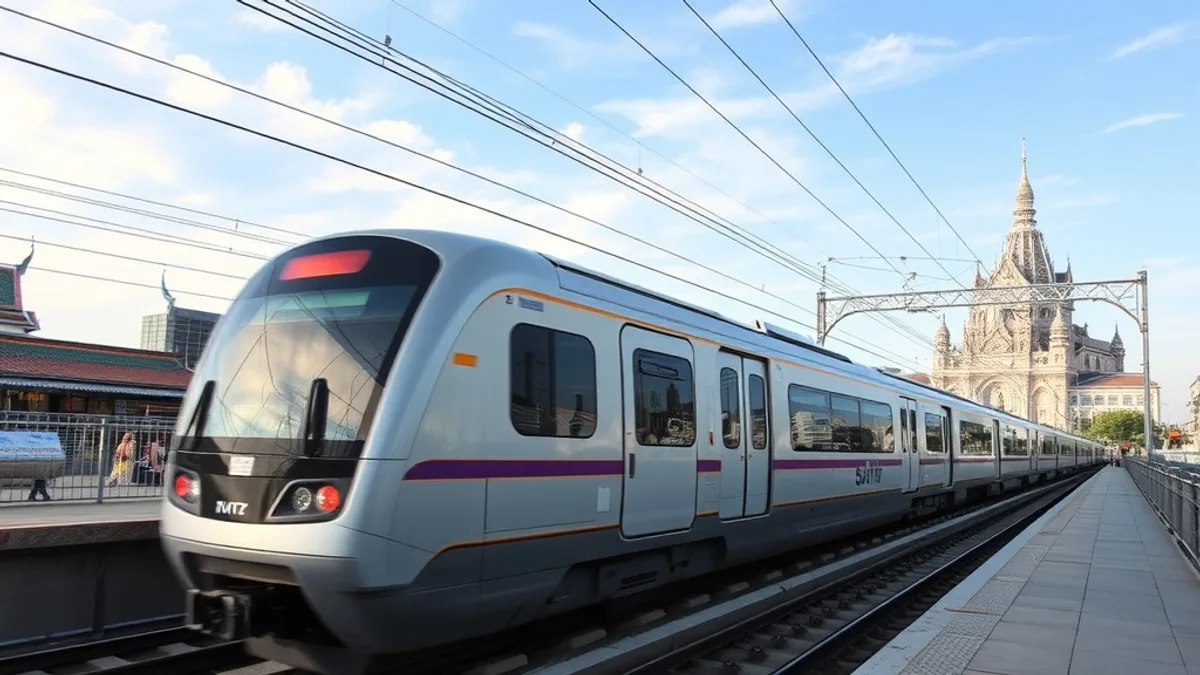
Take the BTS Sukhumvit Line to Bearing or Udom Suk station, then take a taxi or Grab to the museum — approximately 15-20 minutes and 80-150 THB depending on traffic. Alternatively, the BTS extension now runs to Kheha, from which the museum is about 10 minutes by Grab. The museum address is Sukhumvit Road km 7, Samut Prakan. Google Maps navigation is reliable for this destination. Most Grab drivers know it well. The journey from central Bangkok (Asok/Nana) takes around 45 minutes total door to door.
What does the three-headed elephant symbolise?
The three-headed elephant, known as Erawan in Thai (Airavata in Sanskrit), is the divine mount of Indra, king of the gods in both Hindu and Buddhist cosmology. In Thai culture, the three heads represent the three jewels of Buddhism: the Buddha (the enlightened teacher), the Dharma (his teachings), and the Sangha (the community of monks). Lek Viriyaphant chose this symbol deliberately as a representation of Thai spiritual heritage. The elephant form itself carries deep cultural significance in Thailand as a symbol of power, wisdom, and royal authority.
Is the Erawan Museum religiously active or purely a museum?
It is genuinely both. The lower and middle floors function primarily as museum galleries displaying Thai cultural artefacts. The upper Heavenly Realm inside the elephant body is an active place of Buddhist worship where sacred relics are enshrined, monks sometimes pray, and Thai devotees come to make offerings. Visitors are welcome regardless of religion, but the space deserves the same respectful behaviour you would give any active place of worship — quiet voices, no disruptive photography near altars, and modest dress throughout the building.
How much time should I allow for the Erawan Museum?
Allow a minimum of 90 minutes to see all three floors properly without rushing. Two to two-and-a-half hours is more comfortable, especially if you want time in the gardens and the gift shop. The gallery content is dense and rewarding — the ceramics and decorative arts collections alone justify extended browsing. If combining with the Ancient City in a single day, visit the Erawan Museum first (arriving at 8am when it opens), spend 90 minutes there, then head to the Ancient City for the rest of the morning and afternoon.
What should I wear to the Erawan Museum?
Dress modestly — covered shoulders and knees are required, particularly in the upper Heavenly Realm shrine areas. This applies to both men and women. Sarongs and shoulder coverings are sometimes available at the entrance for those who arrive unprepared, but it is more considerate to come appropriately dressed. Comfortable walking shoes are recommended as there are multiple staircases and garden paths. The interior is cool (air-conditioned on the lower floors) but the elephant chamber above can be warmer, so light breathable fabric within the modesty guidelines works best.