Introduction
Inland from Rayong's famous beaches, a different kind of abundance defines the landscape. The province sits at the western edge of Thailand's most productive tropical fruit belt — the arc of fertile land stretching east through Chanthaburi and Trat that produces the majority of the country's premium durian, rambutan, mangosteen, and longan. During the fruit season, which runs roughly from April through September with different varieties peaking at different months, the roads south of Rayong pass through orchards where the air carries the complex sweet-sour scent of ripening fruit. Visiting an orchard during peak season — tasting durian directly from the tree under the guidance of a farmer who has tended that tree for thirty years — is one of the most distinctive and least touristic experiences available on the Eastern Seaboard.
Overview
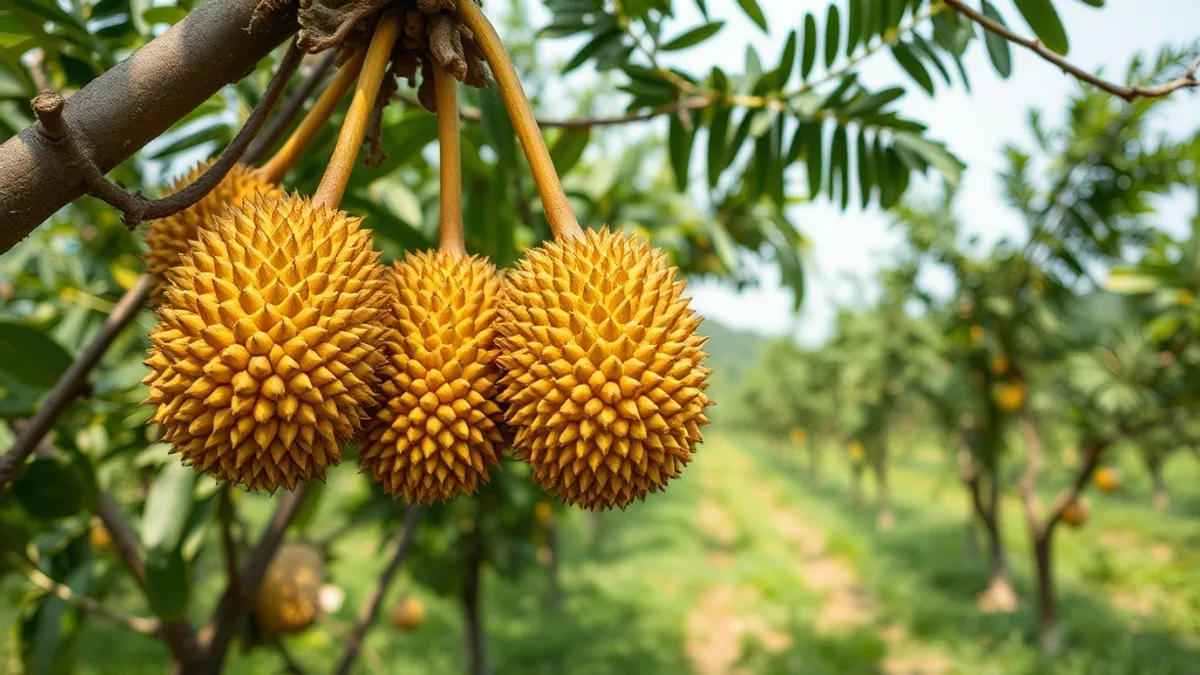
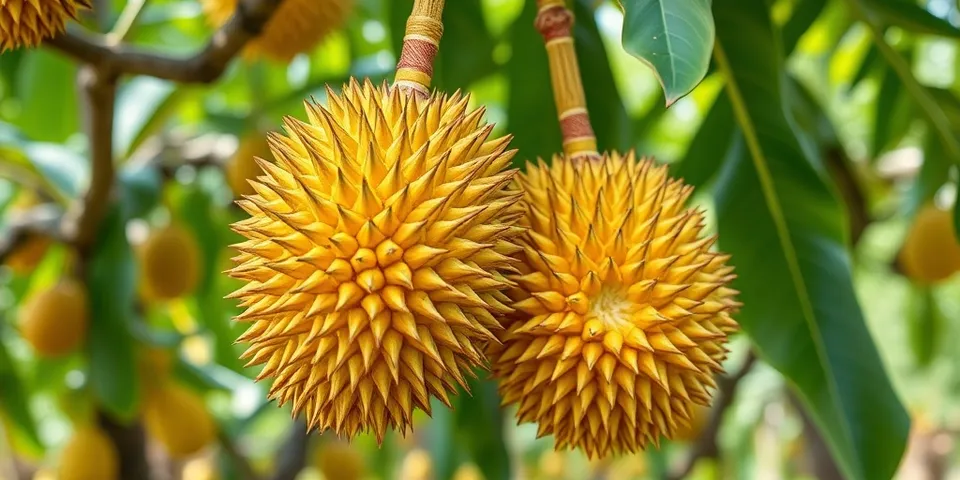
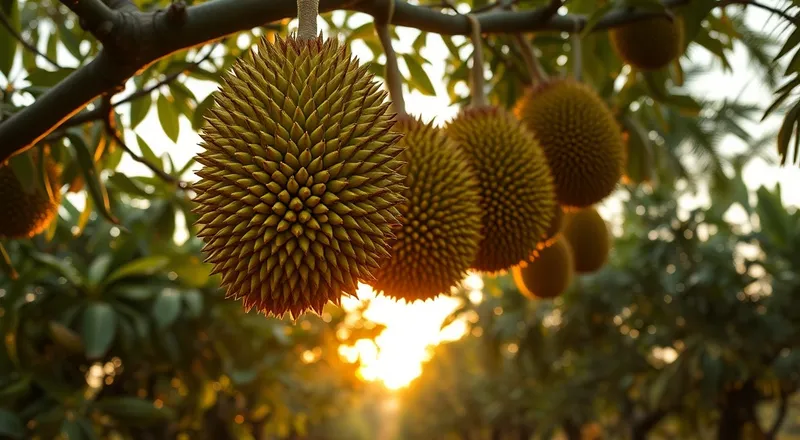
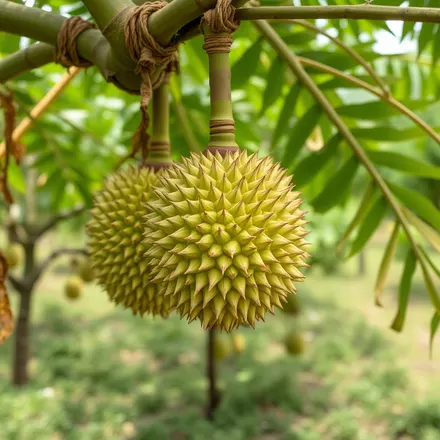
Durian is the dominant fruit in Rayong's agricultural identity. The province produces several revered varieties: Monthong (golden pillow), the most popular with its mild, custard-rich flavour; Chanee (gibbon) with its stronger aroma and more complex bitterness; and Kanyao (long stem), an older variety prized by connoisseurs for its fibrous texture and concentrated sweetness. The durian season runs approximately May through August, with the precise peak varying by a few weeks each year depending on rainfall. Prices during peak season at the orchard gate are substantially lower than in Bangkok markets: a premium whole Monthong weighing 3-5 kilograms might cost 300-600 THB at the farm, compared to 500-1000 THB at a Bangkok fruit stall.
Orchard visits open to the public during peak season typically cost 300-600 THB per person for entry that includes guided orchard walking and tasting. The experience of eating freshly-harvested durian — still warm from the afternoon sun, opened by the farmer with a single precise cut — converts many visitors who had previously been intimidated by the fruit's reputation. The controlled, guided tasting approach allows for genuine appreciation of quality differences between varieties in a way that buying from a market stall cannot replicate.
Rambutan (June-August) is the most visually spectacular of the season's offerings. The hairy red and yellow fruits hang in dense clusters from trees that droop under the weight of the harvest, and an orchard in full bearing is one of Thailand's most photogenic agricultural scenes. The fruit itself — peeled to reveal translucent white flesh around a central seed — is delicate, refreshing, and far better fresh from the tree than at any distance from harvest.
Mangosteen (April-June) is called the Queen of Fruits in Thailand, and the deep purple orbs from Rayong and Chanthaburi are considered the country's finest. The flesh inside is white, segmented, and combines tartness with floral sweetness in a way that justifies the royal designation. Longan (August-September) completes the major fruit calendar with its lychee-like flesh and thin brown skin.
Highway 36 running south from Rayong town is lined with fruit stalls during the season, many of them farm-direct operations where prices are lower and quality higher than in Bangkok's markets. Refrigerated courier services operate from Ban Phe and Rayong town, allowing visitors to ship boxes of fresh fruit to Bangkok for 200-400 THB, a service widely used by Thai visitors who want to share the harvest with friends and family.
Highlights
- Monthong, Chanee, and Kanyao durian varieties at orchard gate prices far below Bangkok
- Guided orchard tasting visits at 300-600 THB including fruit tasting
- Rambutan harvest season (June-August) — spectacular orchard photography
- Mangosteen season (April-June) — Thailand's most revered tropical fruit
- Longan harvest (August-September) completing the fruit calendar
- Highway 36 fruit stalls with direct-from-farm pricing during season
- Refrigerated courier services to ship fresh fruit to Bangkok (200-400 THB per box)
- Western edge of Thailand's most productive tropical fruit belt
- Comparing Rayong durian with Chanthaburi varieties during the season
- Farm homestay and agro-tourism options available through local community networks
Fruit season runs April through September, with individual variety peaks: mangosteen April-June, durian May-August (peak June-July), rambutan June-August, longan August-September. The overlap period of June-July when durian and rambutan are simultaneously at peak offers the fullest orchard experience. Outside fruit season the province is still pleasant, but the orchards are not accessible to visitors and the roadside stalls have limited stock.
Practical Information
Cost Level
Orchard visit entry: 300-600 THB per person (includes guided tour and tasting). Durian at orchard gate: 80-200 THB per kg (Monthong, season pricing). Rambutan: 30-80 THB per kg. Mangosteen: 80-150 THB per kg. Highway 36 roadside stalls: similar pricing to orchard gate, significantly below Bangkok retail. Refrigerated courier to Bangkok: 200-400 THB per box. A full fruit orchard morning including two orchard visits and roadside purchases typically costs 800-1500 THB per person.
Tips
Call ahead to confirm specific orchards are open before visiting — hours and access vary during the season and some farms require advance booking, particularly for group visits. The farmer's guidance on reading a ripe durian (sound the shell with your knuckle — a hollow resonance indicates good ripeness) is genuinely educational. Don't eat durian and then take alcohol within a few hours — the combination is strongly inadvisable according to both Thai tradition and digestive science. Bring cash; farm shops do not accept cards.
Our creators on the ground in Rayong share their best recommendations in their videos.

Places in this Guide
Discover the attractions and locations featured in this travel guide.
Explore Rayong
Rayong
ระยองRayong is a coastal province east of Bangkok that combines beautiful beaches with a thriving fishing industry and abunda...All creators from Rayong →Location & Orientation
Frequently Asked Questions
What are the different varieties of durian in Rayong and which should I try first?
Rayong produces three main commercial varieties. Monthong (golden pillow) is the most popular and widely recommended for first-timers — it has a mild, creamy, butterscotch-like flavour with minimal pungency and a firm, dry texture. Chanee (gibbon) has a stronger aroma and more pronounced bitterness that connoisseurs prefer but first-timers often find challenging. Kanyao (long stem) is the rarest and most expensive, valued for its concentrated flavour and fibrous texture. Start with Monthong, progress to Chanee, and treat Kanyao as a milestone for the genuinely converted. A good orchard guide will let you taste all three and explain the differences.
How do I know if a durian at a roadside stall is ripe?
A ripe durian emits a clearly noticeable aroma — if you can smell it from arm's length it is ready. The spines at the base should have some give when pressed. Tapping the shell with your knuckle produces a hollow, resonant sound in a ripe fruit; an unripe one sounds dense and dull. The visible seams between the segments widen as ripeness increases. Most importantly: buy from experienced roadside vendors who taste-test their own stock, point at what other customers are buying, and ask the vendor to open it before purchase — any reputable seller will do this without hesitation.
Can I visit fruit orchards outside of season?
Most orchards are private working farms that only open to visitors during harvest season when the fruit is available. Outside of April-September, the trees are in various stages of growth and flowering, and the farms generally do not offer guided tours. However, the Rayong countryside is pleasant to drive through year-round, and some year-round agricultural tourism operations exist — check with local guesthouses for current options. The King's Initiative projects in the region sometimes offer agricultural tourism outside main season.
Is Rayong durian better than Chanthaburi durian?
This is a question that generates passionate debate among Thai fruit aficionados, similar in intensity to wine region debates. Chanthaburi, Rayong's eastern neighbour, is generally regarded as the larger and more famous durian-producing province, and some connoisseurs argue that Chanthaburi's soil conditions produce slightly superior Monthong. Rayong advocates counter that their smaller-scale, more attentive farming produces equally fine fruit with more individual character. The practical answer: both provinces produce excellent durian, the difference requires a well-educated palate to detect, and trying both during a combined Rayong-Chanthaburi trip is a perfectly valid research strategy.
Can I ship fresh durian home from Rayong?
Within Thailand, yes — refrigerated courier services from Ban Phe and Rayong town ship vacuum-packed fresh durian to Bangkok for 200-400 THB per box, typically arriving the same or next day. Several vendors near the fruit markets specialise in this service. For international shipping, whole fresh durian is prohibited on aircraft (banned by most airlines due to the aroma) and regulated at borders. Frozen durian pulp is commercially exported but is a significantly different product. For overseas visitors, the most practical option is enjoying as much as possible while in the province.