Introduction
Seen from the water at eye level, Krabi reveals a dimension that no beach or viewpoint can replicate. Sea kayaking through the province's extraordinary coastal landscape — past limestone karsts rising sheer from the water, through low cave entrances into hidden tidal lagoons, along serpentine mangrove channels where monitor lizards sun themselves on exposed roots — offers an encounter with nature that is both intimate and genuinely wild. The Ao Thalane area north of Krabi Town is regarded by many as the finest mangrove kayaking environment in southern Thailand: a labyrinth of waterways sheltered between karst hills, teeming with wildlife, and largely free of motorized boat traffic. Beyond Ao Thalane, the sea caves of Bor Thor, the lagoon islands of Koh Hong, and the twilight paddle routes at sunset provide a full spectrum of paddling experiences. This guide covers everything from booking a guided half-day tour to planning a longer self-guided coastal adventure.
Overview
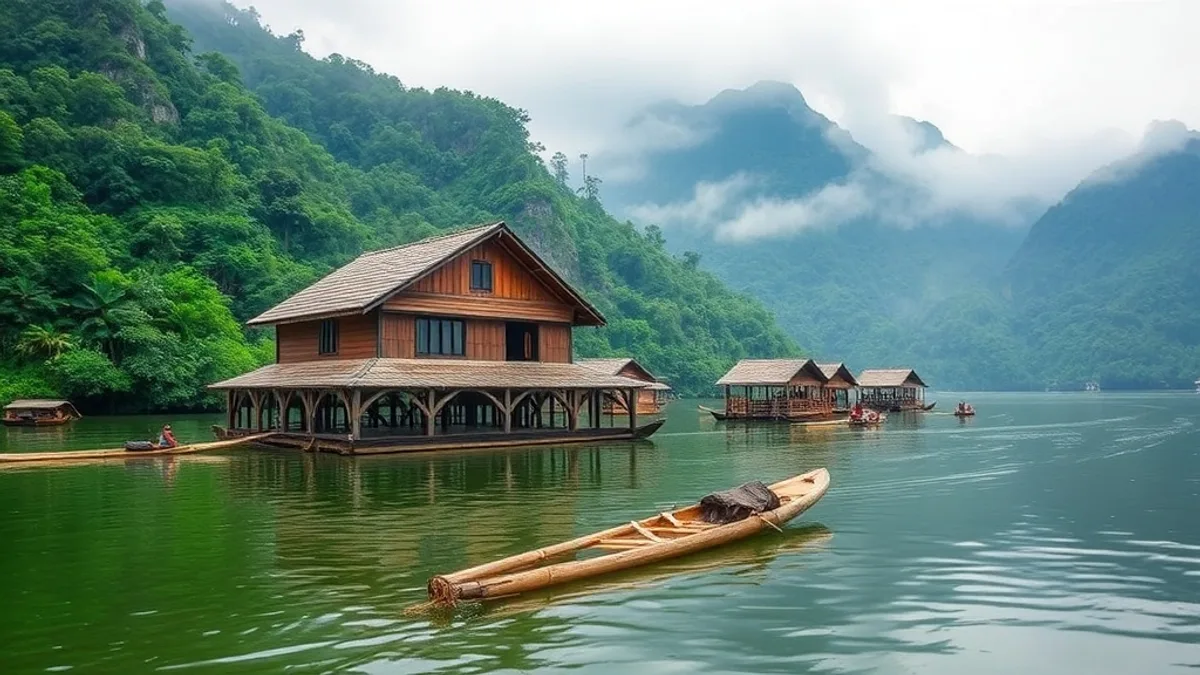
Ao Thalane bay, approximately 40 kilometers north of Krabi Town along Route 4, is the departure point for what most operators rate as the best mangrove kayaking experience in the region. The bay is surrounded by a dramatic horseshoe of limestone karst hills, their forested sides dropping straight into the calm brown-green water. From here, a network of mangrove channels extends inland for several kilometers, navigable by kayak at most tide levels. The mangroves are home to a remarkable density of wildlife: long-tailed macaques move noisily through the canopy above; purple herons stand motionless in the shallows; mudskippers — the extraordinary fish that walk on land — skitter across the exposed mud at low tide; and the occasional dusky langur (spectacled leaf monkey) watches from the treetops. Most guided tours of Ao Thalane include a stop for swimming and lunch at a sheltered beach within the bay.
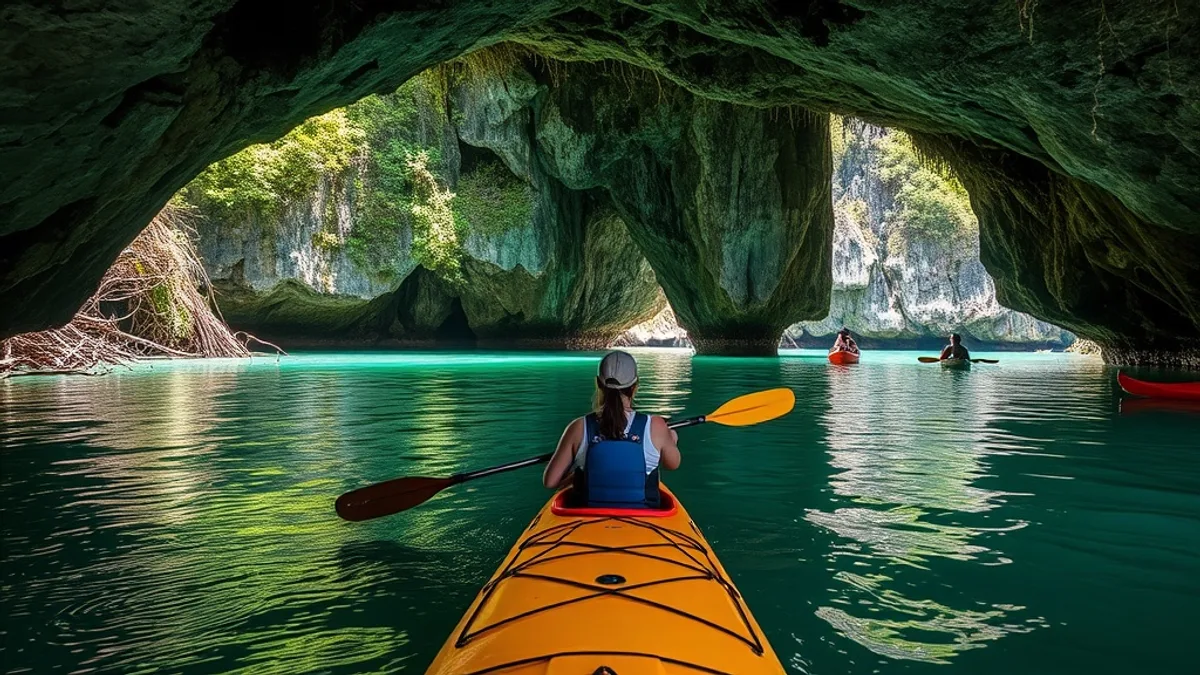
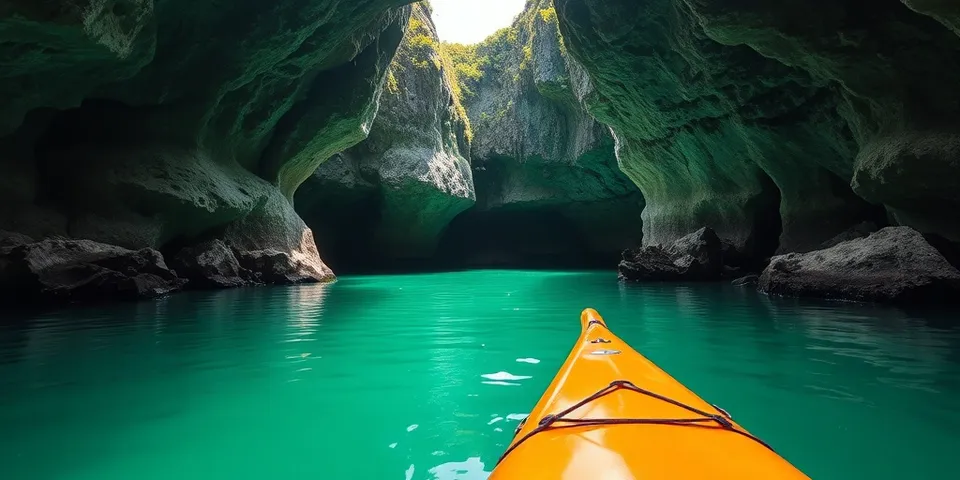
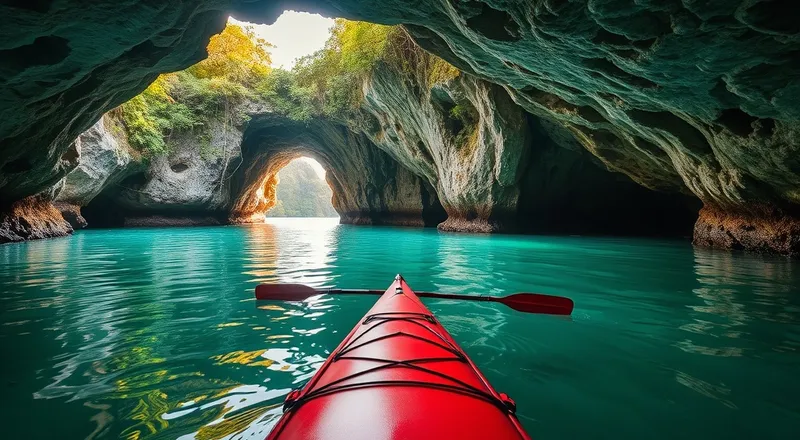
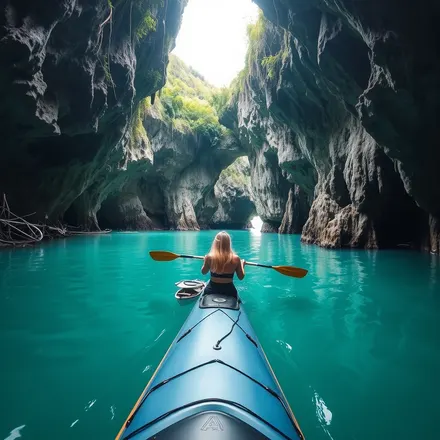
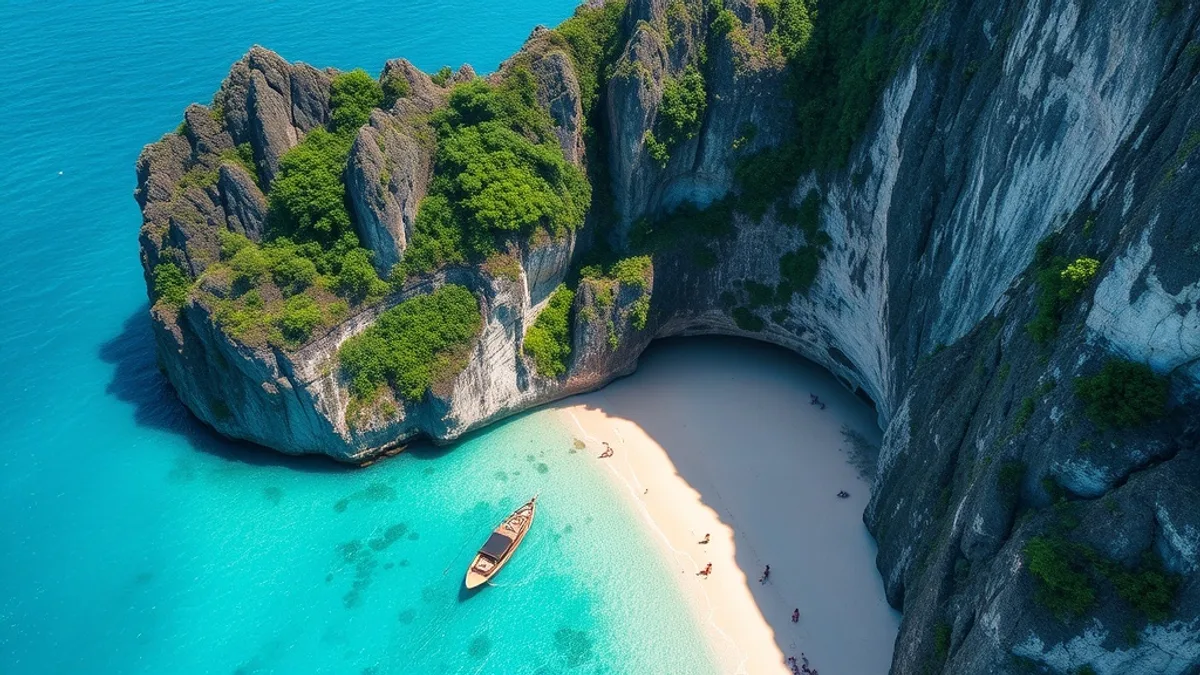
The sea caves of Bor Thor, reached by a combination of road and short paddle from a launch point near Khao Kanab Nam, offer the most adventurous kayaking in the region. These tidal caves — dark tunnels through the limestone that are only navigable by kayak when the water level is low enough to allow passage — emerge into secret hongs (enclosed lagoons). Inside, shafts of light filter down through gaps in the roof, illuminating the still water in an ethereal green glow. The walls are covered in stalactites, cave swallows nest in the upper chambers, and the sound of dripping water and distant waves creates a sensory experience unlike anything else in Thailand. Cave kayaking is tide-dependent and requires a knowledgeable guide — attempting caves without experience of the tidal windows is genuinely dangerous.
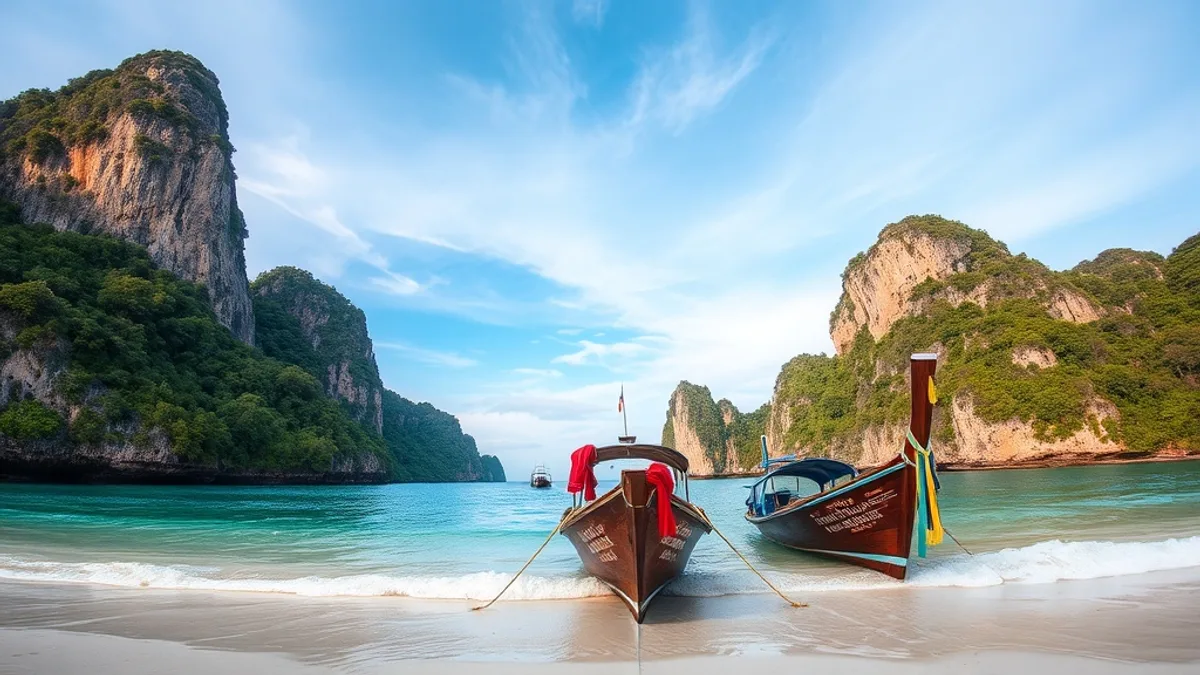
Koh Hong Island, reachable in around 45 minutes by longtail from Ao Nang and featuring a famous interior lagoon, also offers excellent sea kayaking around its outer coastline. Paddling the perimeter of the Koh Hong group at dawn, with mist rising off the water and the karsts emerging from the haze, is one of those experiences that travel writers exhaust superlatives attempting to describe. Self-guided kayak rental is available at some guesthouses near Ao Nang for 300–500 THB per day, though tide awareness and basic navigation skills are essential for independent paddling around the islands.
Sunset kayaking tours have become increasingly popular as an evening activity from Ao Nang. Departing around 3–4 PM, these guided paddles typically cover a route through mangroves and around nearby karst formations, timing the return to coincide with the golden hour over the Andaman horizon. The combination of perfect amber light on limestone rock and still water makes for extraordinary photography. Most sunset tours cost 600–900 THB per person including equipment and a guide, and cover 8–12 kilometers of paddling over three to four hours — a comfortable distance for beginners.
For physically fit and experienced paddlers interested in a more challenging itinerary, self-guided multi-day kayaking routes along the Krabi coast are possible with advance planning and appropriate equipment. The stretch from Ao Thalane to Klong Muang covers approximately 30 kilometers of coastline passing several uninhabited beaches, mangrove systems, and offshore karst islands. Camping on isolated beaches is technically possible but requires carrying all supplies and carefully planning around weather and tidal windows. Local kayak rental shops in Ao Nang and Krabi Town can advise on routes and logistics for independent multi-day paddling.
Highlights
- Paddle through the mangrove labyrinth of Ao Thalane while spotting macaques, herons, and mudskippers
- Navigate tidal sea caves at Bor Thor and emerge into hidden stalactite-draped lagoons
- Circle the Koh Hong island group at dawn with mist rising off the water
- Join a sunset kayaking tour through mangroves timed for golden hour on the Andaman
- Explore the sheltered waterways of the Ao Thalane horseshoe on a half-day guided tour
- Spot dusky langurs and long-tailed macaques in the mangrove canopy from water level
- Wade into the Koh Hong interior lagoon after kayaking to the cave entrance
- Self-guide along the Krabi coastline between karst formations and empty beaches
- Combine sea kayaking with a traditional Thai lunch stop on a sheltered beach
The dry season from November through April offers the calmest sea conditions and best visibility for sea cave paddling. Ao Thalane and inland mangrove routes can be paddled year-round as they are sheltered from ocean swells, but rainfall during the monsoon (May–October) can make conditions uncomfortable. Sea cave tours at Bor Thor are tide-dependent: operators will only run them when the water level is low enough to allow safe passage through the cave tunnels — typically a 2–4 hour window around low tide. Always book cave kayaking tours at least one day in advance to allow operators to plan around the tide schedule.
Practical Information
Cost Level
Half-day guided mangrove tour (Ao Thalane): 400–800 THB per person in a group. Full-day guided tour including lunch and multiple stops: 900–1,500 THB. Sea cave tour at Bor Thor with guide: 800–1,200 THB. Sunset kayaking tour from Ao Nang: 600–900 THB. Self-guided kayak rental per day: 300–500 THB for a single kayak. Private guided day: 2,500–4,000 THB for a custom itinerary. Transport to Ao Thalane from Krabi Town is typically included in guided tours; add 400–600 THB round-trip taxi if arranging independently.
Tips
No kayaking experience is required for guided mangrove and calm-water tours — operators provide brief instruction before departure and double kayaks are available for nervous beginners. Wear clothes that can get wet; a dry bag for valuables and camera equipment is essential. Apply sunscreen before departure as you cannot apply it on the water without contaminating the mangrove ecosystem. Bring insect repellent for dawn and dusk mangrove paddling. Most operators provide water and a snack; confirm what is included when booking. Tipping guides is customary (50–100 THB per person) for a well-executed tour.
Our creators on the ground in Krabi share their best recommendations in their videos.

Places in this Guide
Discover the attractions and locations featured in this travel guide.
Explore Krabi
Krabi
กระบี่Krabi is known for spectacular limestone cliffs, turquoise water and some of Thailand's most beautiful beaches. Island h...All creators from Krabi →Location & Orientation
Frequently Asked Questions
Do I need kayaking experience for Ao Thalane mangrove tours?
No prior kayaking experience is required for the guided mangrove tours at Ao Thalane. The waterways are sheltered and calm, and operators provide brief paddling instruction before departure. Double kayaks (two-person) are available and recommended for first-timers as they are more stable and easier to navigate. The pace of guided tours is relaxed enough to accommodate all fitness levels. The only requirement is a basic comfort level near water — strong swimming ability is not necessary as life jackets are provided.
What wildlife can I see on a Krabi kayaking tour?
Ao Thalane and the surrounding mangrove systems support impressive wildlife density. Long-tailed macaques are almost guaranteed on any morning tour, moving noisily through the mangrove canopy. Dusky langurs (spectacled leaf monkeys) are less common but regularly sighted. Bird life is rich: purple herons, kingfishers, brahminy kites, and various egrets are frequently seen. In the water, mudskippers are ubiquitous on exposed mud at low tide — these extraordinary fish can breathe air and move on land using their fins. Monitor lizards, some reaching nearly two meters in length, are occasionally spotted on the banks.
How dangerous is sea cave kayaking at Bor Thor?
Sea cave kayaking with an experienced, qualified guide is a safe and manageable activity for most adults. The danger arises from the tidal element: the cave entrances are only passable within a specific window around low tide, and misjudging the timing can trap kayakers inside with rising water. Reputable operators only run cave tours when conditions are safe and always send guides who know the specific tidal windows for each cave. Attempting caves independently without this knowledge is genuinely dangerous and should not be done. Book only with established, well-reviewed operators.
How far in advance should I book a kayaking tour in Krabi?
For standard mangrove and sunset tours from Ao Nang, booking one to two days in advance is usually sufficient. For sea cave tours at Bor Thor, book at least one to two days ahead to allow operators to confirm the tidal schedule and organize appropriate group sizes. During peak season (December–February), popular tour operators fill quickly and advance booking of three to five days is advisable. Many Ao Nang guesthouses and travel agents can arrange kayaking tours on short notice during the quieter shoulder season.
Can I rent a kayak and paddle independently around Krabi?
Independent kayak rental is available from several shops in Ao Nang for 300–500 THB per day for a single kayak. This is a good option for calm paddling around the immediate bay and along the nearby coastline. For more ambitious routes — to offshore islands or through tidal caves — independent paddling requires navigational competence, knowledge of local currents and tidal patterns, and appropriate safety equipment. Beginners should not attempt paddling to offshore islands alone. Always inform someone of your planned route and estimated return time when paddling independently.