Introduction
Kanchanaburi Province is best known internationally for its Second World War history, but the province itself is one of the largest in Thailand and encompasses an extraordinary variety of natural landscapes: the wide River Kwai and its tributaries, limestone mountains rising to over 2,000 metres at the Myanmar border, primary forest in three major national parks, Karen and Mon village communities in the valleys, and a river culture — bamboo raft houses, longtail boat travel, floating restaurants — that is unique to western Thailand. For visitors who approach Kanchanaburi as a nature and adventure destination alongside its history, the province rewards with experiences that few other parts of Thailand can replicate: white water in the rainy season, jungle treks to minority villages, nighttime wildlife spotting in Sai Yok National Park, and mornings on the river in the mist that feel entirely far from ordinary travel.
Overview
The River Kwai — actually two rivers, the Kwai Yai and the Kwai Noi, which meet near Kanchanaburi town — and their tributaries form the backbone of adventure tourism in the province. The rivers run through increasingly remote terrain as you travel northwest toward the Myanmar border, passing through limestone gorges, beneath forested cliffs, and between Karen and Mon villages that have been here for centuries.
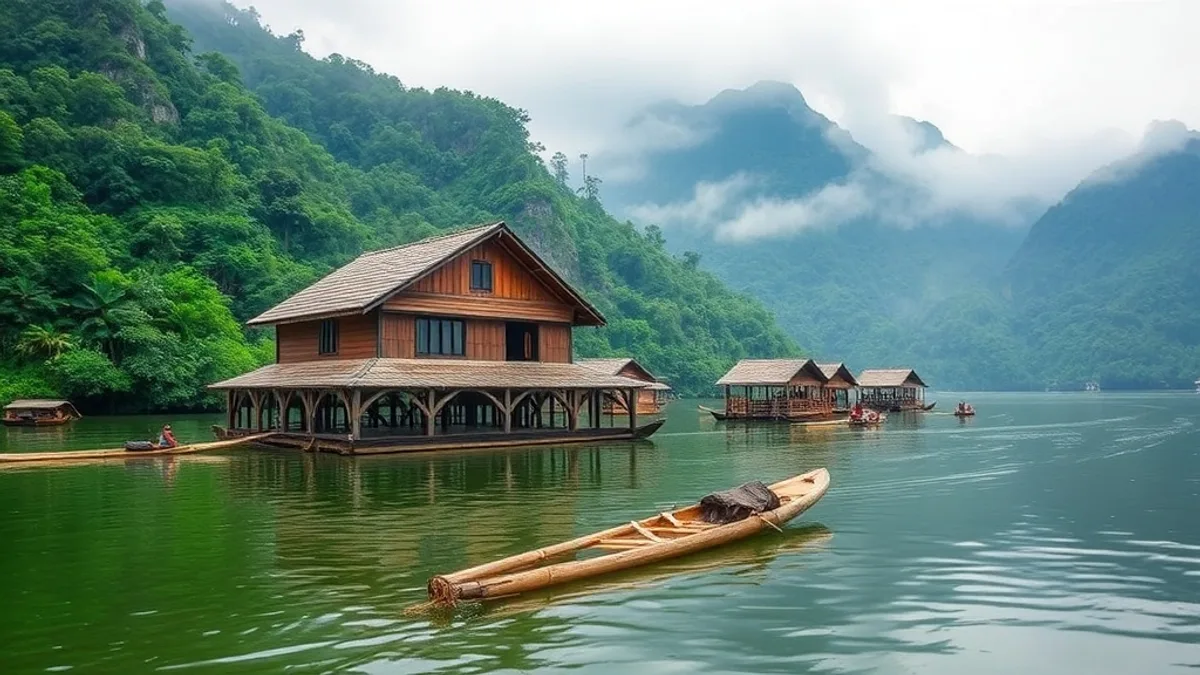
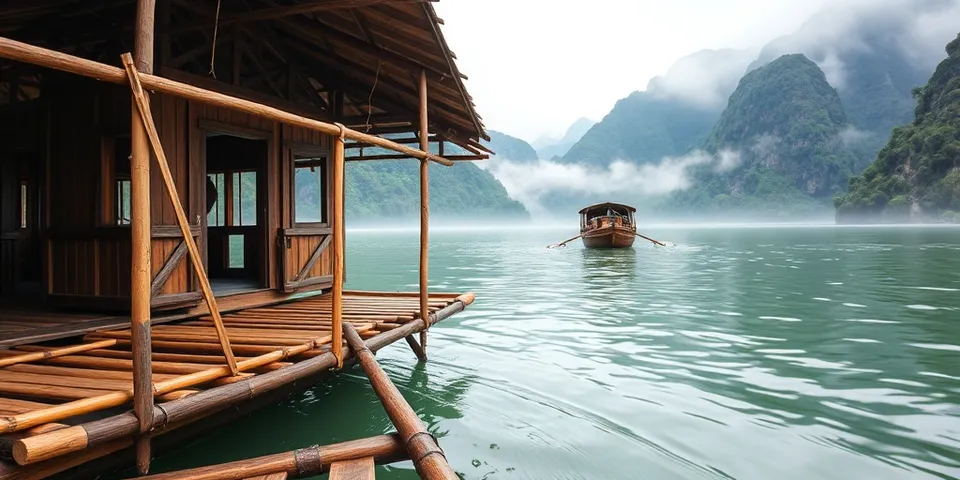
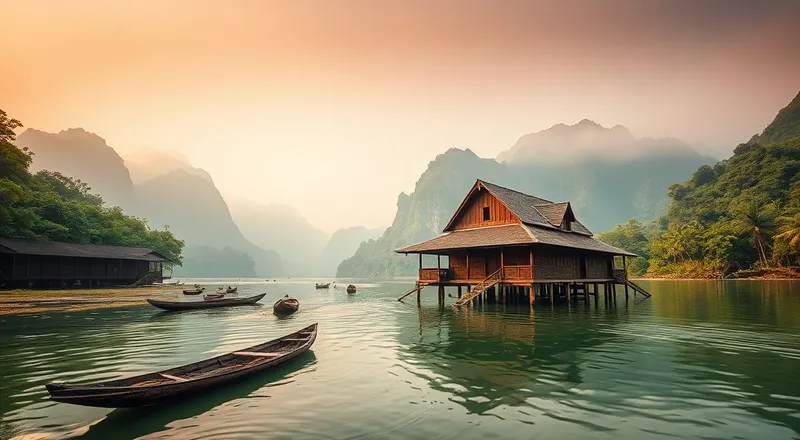
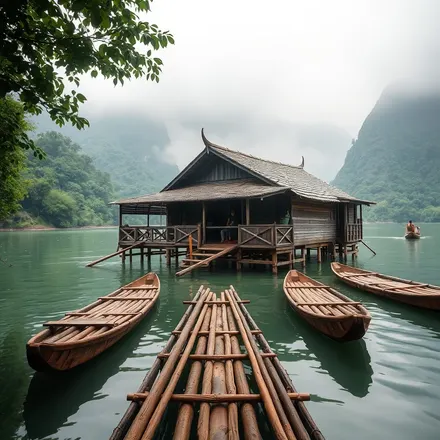
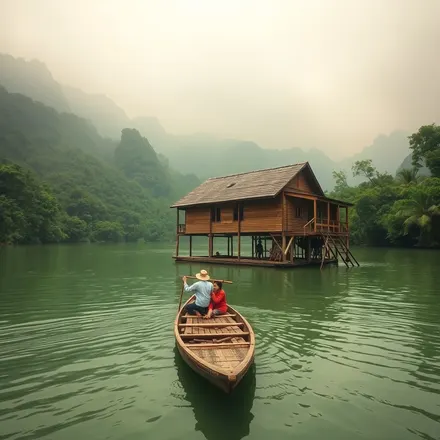
Floating raft houses are among the most distinctive accommodation options in Thailand and the River Kwai is where the tradition is most developed. These structures — bamboo platforms or simple wooden buildings built on floating pontoons, moored along the riverbank or anchored mid-stream — range from very basic wooden rooms with shared facilities at 600-800 THB per night to more comfortable resorts with private bathrooms, electricity, and restaurant service at 1,500-2,500 THB. The experience of sleeping on the river — rocking gently with passing boats, hearing the jungle at night, waking to mist lifting off the water — is genuinely memorable and unlike any hotel experience. Most floating accommodation is located upstream from Kanchanaburi town toward the Sai Yok and Erawan areas.
White water rafting on the Kwai Noi operates primarily during the rainy season from June to October, when water levels rise enough to activate the Grade 2-3 rapids in the middle section of the river above Sai Yok. This is genuine white water — not theme park rafting — and the surrounding jungle scenery makes the runs particularly beautiful. Several operators in Kanchanaburi town offer full-day rafting programs including transport, a guide, and lunch at a riverside camp for approximately 1,200-2,000 THB per person. Safety standards vary; look for operators using certified guides and providing helmets and life jackets as standard equipment.
Bamboo raft drifting is the leisurely counterpart to white water rafting — a slow float downstream on a traditional bamboo platform, propelled by a standing boatman with a pole, through calm stretches of the river. The pace is meditative, the perspective from water level is different from any boat, and the bamboo rafts can navigate into narrower channels and shallow side streams that motorized boats cannot access. Half-day drifting trips cost around 400-800 THB per person and are available year-round from operators near the bridge and along the Kwai Noi.
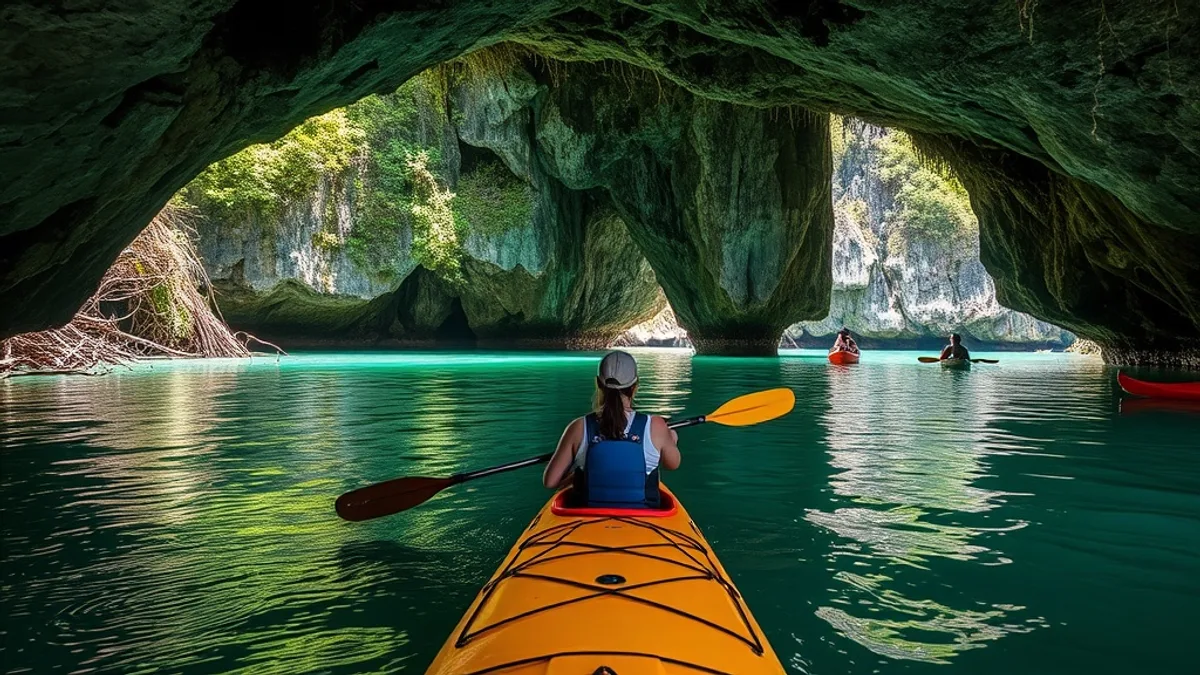
Kayaking from Kanchanaburi town allows independent exploration of the river system at your own pace. Kayak rental costs approximately 200-300 THB per day for a basic single kayak, with guided kayaking tours running 600-1,200 THB for half-day excursions. The stretch of the Kwai Noi south of Kanchanaburi town passes through a working agricultural landscape with river traffic — longtail boats, fishing canoes, occasional tour boats — that provides plenty of interest.
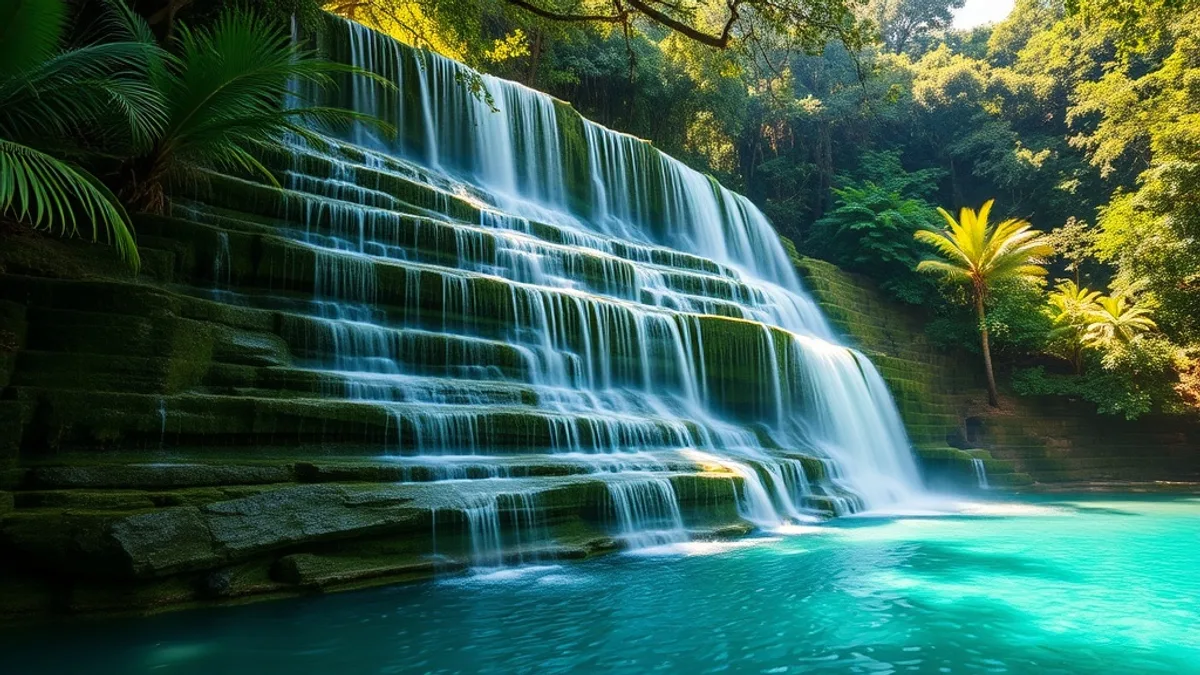
Sai Yok National Park, 104 kilometres northwest of Kanchanaburi, is among the finest wildlife habitats in western Thailand. The park contains Sai Yok Yai Waterfall, which falls directly into the Kwai Noi River, and Sai Yok Noi Waterfall nearby. The primary forest of the park is home to Kitti's hog-nosed bat — the world's smallest mammal, found only in this region — gibbons, langurs, leopard cats, and an enormous variety of birds. The Hintok River Camp within the park offers night safari programs with spotlighting, which are among the best wildlife experiences available in the province.
Jungle trekking to Karen and Mon villages in the hills northwest of Kanchanaburi connects the natural and cultural dimensions of the province. The Three Pagodas Pass area near Sangkhlaburi, three hours from Kanchanaburi town, is one of the most culturally interesting border zones in Thailand — a community of Mon refugees, Karen villages, and the famous wooden bridge over the Songkalia River that locals walk daily across the border. Multi-day trekking programs in this area run 2,000-4,000 THB per person per day with certified operators.
Highlights
- Sleep on a floating raft house on the River Kwai for a night on the water unlike any hotel experience
- White water raft the Grade 2-3 rapids of the Kwai Noi during the June-October rainy season
- Drift downstream on a traditional bamboo raft through jungle-lined stretches of the river
- Kayak the Kwai Noi south of town for a self-guided river exploration at your own pace
- Night safari at Sai Yok National Park to spot gibbons, langurs, and nocturnal wildlife
- Visit Sai Yok Yai Waterfall where a cascade falls directly into the Kwai Noi River
- Trek to Karen and Mon villages northwest of Kanchanaburi for cultural encounters beyond standard tours
- Explore the Three Pagodas Pass border area near Sangkhlaburi — Mon and Karen communities at the Myanmar border
- Combine river adventures with a morning at Erawan National Park for a full nature day
For white water rafting, June to October is the essential window when the Kwai Noi has enough flow for Grade 2-3 rapids. For raft house stays and bamboo drifting, November to February offers the most comfortable temperatures and clear skies. Sai Yok National Park wildlife is most active in the cooler months but the waterfall is most dramatic after the rainy season. Kayaking is pleasant year-round but the river runs faster and higher during the rainy season — beginners should visit in the dry season. The Three Pagodas Pass area is accessible year-round but mountain trails can be muddy from June to October.
Practical Information
Cost Level
Raft house accommodation: 600-800 THB per night (basic), 1,500-2,500 THB (mid-range with facilities). White water rafting full-day programs: 1,200-2,000 THB per person. Bamboo raft drifting half-day: 400-800 THB per person. Kayak rental: 200-300 THB per day. Night safari Sai Yok: 500-800 THB per person. Multi-day trekking programs to Karen villages: 2,000-4,000 THB per person per day. Sai Yok National Park entry: 200 THB international visitors. A full adventure day combining activities costs approximately 1,500-3,000 THB per person excluding accommodation.
Tips
Book raft house accommodation at least a week in advance for the November-February high season — the best riverside properties fill quickly. For white water rafting, choose operators who are members of the Thai Adventure and Ecotourism Association and check that guides hold current certification. The morning mist on the River Kwai is most dramatic from November to January — raft house guests who wake early for sunrise on the water are rewarded with photographs that capture Kanchanaburi's natural beauty as powerfully as any of its famous historical sites.
Our creators on the ground in Kanchanaburi share their best recommendations in their videos.
Places in this Guide
Discover the attractions and locations featured in this travel guide.
Explore Kanchanaburi
Kanchanaburi
กาญจนบุรีKanchanaburi is a province steeped in both natural beauty and wartime history, best known for the Bridge over the River ...All creators from Kanchanaburi →Location & Orientation
Frequently Asked Questions
Are floating raft houses on the River Kwai safe and comfortable?
Raft houses range from very basic to genuinely comfortable depending on operator and price point. Mid-range floating resorts at 1,500-2,500 THB per night offer private en-suite bathrooms, reliable electricity, fans or air conditioning, and good restaurant service on the water. Basic raft houses at 600-800 THB have shared facilities and may have limited electricity. Safety standards have improved significantly in recent years — reputable operators use solid pontoon construction and comply with provincial regulations. The main practical consideration is that raft houses can move slightly with river current and passing boat wash, which some guests find pleasant and a small minority find disorienting. Check recent reviews before booking.
When is the best time for white water rafting in Kanchanaburi?
White water rafting on the Kwai Noi operates during the monsoon season from June to October when rainfall in the hills raises the river level sufficiently to activate the Grade 2-3 rapids in the middle valley. The peak rafting months are July, August, and September when water volume is highest. The dry season (November to May) reduces the river to levels too shallow for meaningful rapids, and most operators suspend rafting programs from around November to June. June and October — the beginning and end of the rainy season — offer the best combination of adequate water volume and manageable safety conditions for beginners.
What is Three Pagodas Pass and is it worth the journey?
Three Pagodas Pass is a historic border crossing between Thailand and Myanmar at an elevation of about 1,400 metres in the Tenasserim Hills, approximately 200 kilometres northwest of Kanchanaburi near the town of Sangkhlaburi. The 'three pagodas' are a cluster of three small white chedis at the pass marking the border — historically one of the main overland routes between the two countries. Sangkhlaburi itself is one of the most interesting and culturally distinctive towns in Thailand, home to a large Mon refugee community who fled conflict in Burma, Karen communities, and a famous hand-built wooden bridge. The area is worth the three-hour journey from Kanchanaburi for visitors with extra time in the province.
Can I see wild gibbons near Kanchanaburi?
Yes. Sai Yok National Park, about 104 kilometres northwest of Kanchanaburi town, has a healthy population of lar gibbons (white-handed gibbons) in its primary forest. Gibbon calls — high-pitched, melodic whoops that carry through the forest at dawn — are almost guaranteed to be heard early morning in the park. Visual sightings are common along the forest trails, particularly in the early morning before 9 AM when gibbons are most active and before the midday heat drives them higher into the canopy. The park also hosts pileated gibbons in some sections. Dedicated gibbon watching programs are available through some local operators and significantly increase the chance of close encounters.
Is kayaking on the River Kwai suitable for beginners?
The river sections near Kanchanaburi town and the middle Kwai Noi are suitable for beginners during the dry season when the river runs calm and slow. Several operators offer guided half-day kayaking tours specifically designed for newcomers, with basic paddling instruction before launching and guides accompanying the group throughout. In the rainy season the river runs higher and faster — beginners should wait for the dry season or join a guided tour with an experienced operator who can assess real-time conditions. Life jackets are provided by all licensed operators and are non-negotiable regardless of the visitor's swimming ability.