Introduction
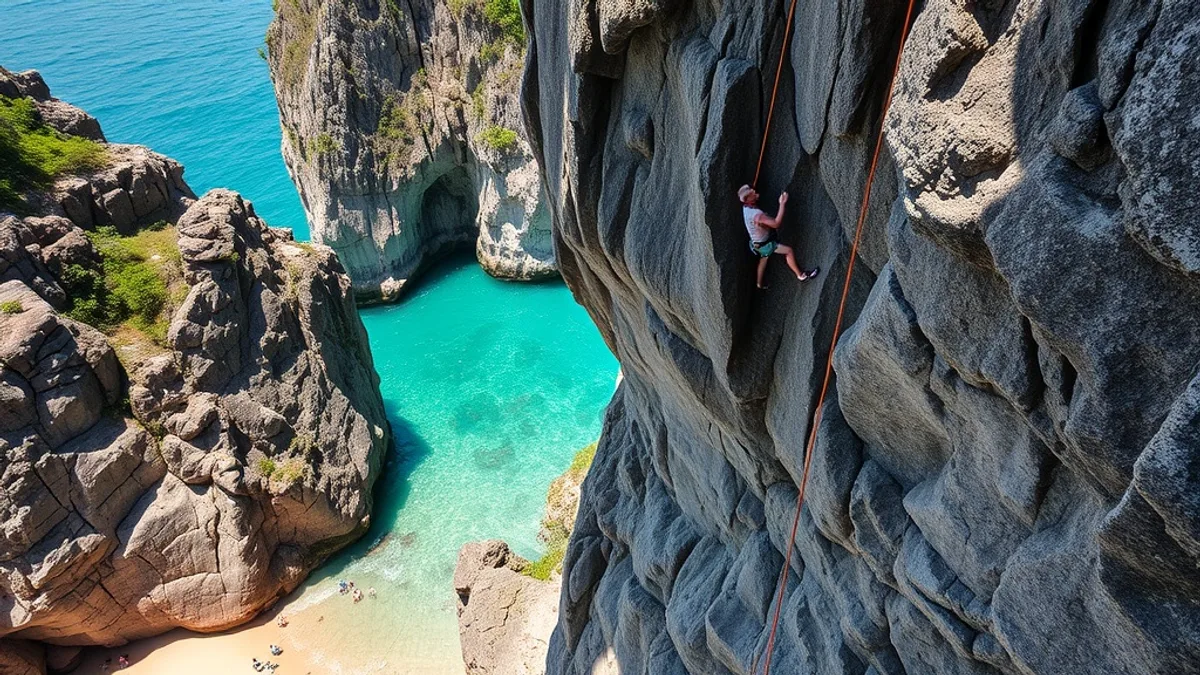
Krabi's limestone karst towers rising vertically from the Andaman Sea create one of the most dramatic rock climbing settings in the world. Railay Beach and neighboring Tonsai Beach — both accessible only by longtail boat — concentrate some 700 established climbing routes on walls that range from gently sloping beginner slabs to severely overhanging stalactite curtains that challenge the world's best sport climbers. The combination of world-class climbing, impossibly beautiful scenery, and cheap accommodation has made this corner of southern Thailand a destination that draws climbers from across Europe, Australia, and beyond, many of whom arrive for a week and stay for a season. Whether you have never tied in before or have been climbing for years, Krabi's limestone walls offer a route at precisely your level, with the added reward of a turquoise sea visible from every belay station. This guide covers everything from getting there to the best routes, schools, and how to combine climbing with the rest of what Krabi offers.
Overview
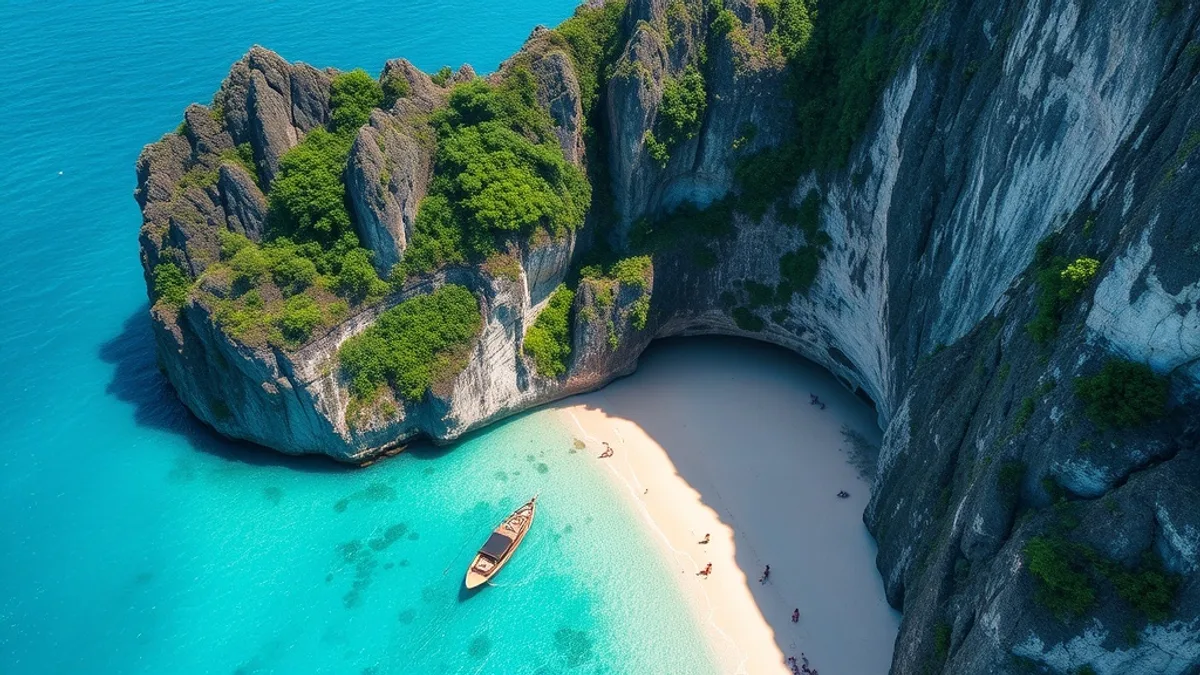
Railay Beach is the epicenter of Krabi's climbing scene, and its geography explains why: three beaches separated by dramatic karst headlands, each beach face offering different climbing orientations, aspects, and difficulty grades. Railay East, the mangrove-fringed beach where longtails arrive, sits at the base of the main climbing walls. Five minutes' walk through the jungle isthmus leads to Railay West, the beautiful white-sand swimming beach. A third walk through increasing jungle density leads to Phra Nang, arguably the most beautiful beach in Thailand, where the Princess Cave wall offers some of the most photographed climbing in the world against a backdrop of cerulean sea and towering karst.
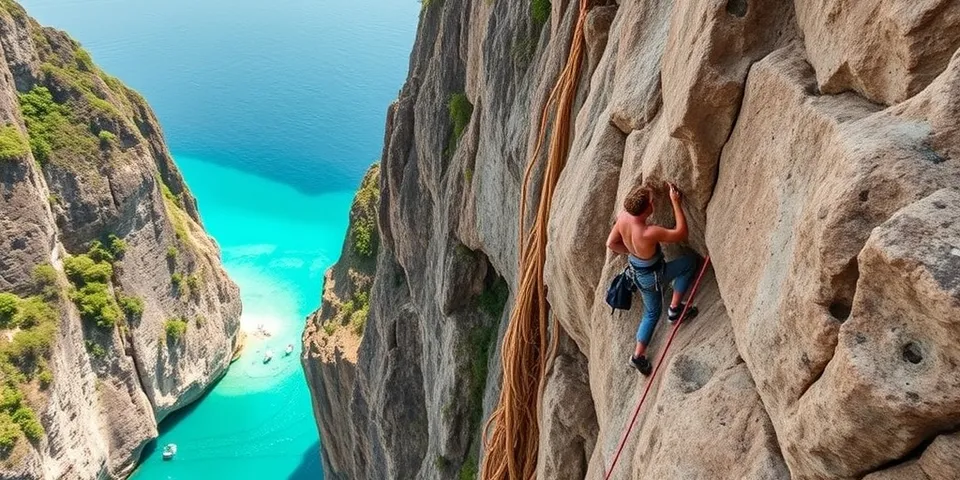
The most famous beginner area is the Muay Thai Wall on the eastern side of Railay, where a cluster of routes graded 5a to 6a provide an ideal introduction to limestone sport climbing. The rock quality here is excellent — pocketed and featured limestone that is friendly to inexperienced hands — and the setting, looking out over the mangroves toward the distant karst islands, is spectacular. Several climbing schools operate from the base of this wall and beginners can expect to be clipping their first bolts within an hour of arriving for a lesson. Half-day introductory courses cost 800–1,200 THB per person including all equipment; full-day courses covering multiple routes and an introduction to belaying run 1,500–2,500 THB.
For more experienced climbers, the technical grades and sheer scale of routes increase dramatically on the main face of Thaiwand Wall and the overhanging sections of the Diamond Cave area. Tiger Wall, one of the most famous routes in Asia, follows a line up an enormous orange-stained limestone face above the sea — a climb that demands both technical skill and mental commitment on its upper sections. Routes here are predominantly graded 7a to 8b, requiring solid lead climbing ability and a comfort with exposure. Most established routes are well-bolted, a reflection of the development work done by visiting climbers over three decades.
Tonsai Beach, reached by a short scramble over the rocky headland from Railay West at low tide (or by longtail boat), has a distinct character from its more developed neighbor. Long a backpacker enclave, Tonsai has cheaper accommodation, simpler food, and an informal climbing culture centered around the bouldering area at the beach's western end. The Tonsai bouldering circuit offers dozens of problems on excellent rock within a few minutes of the beach — an ideal way to spend time between sport climbing days. The beach itself is not suitable for swimming (rocky and affected by tides) but the climbing community here is welcoming and knowledge is freely shared.
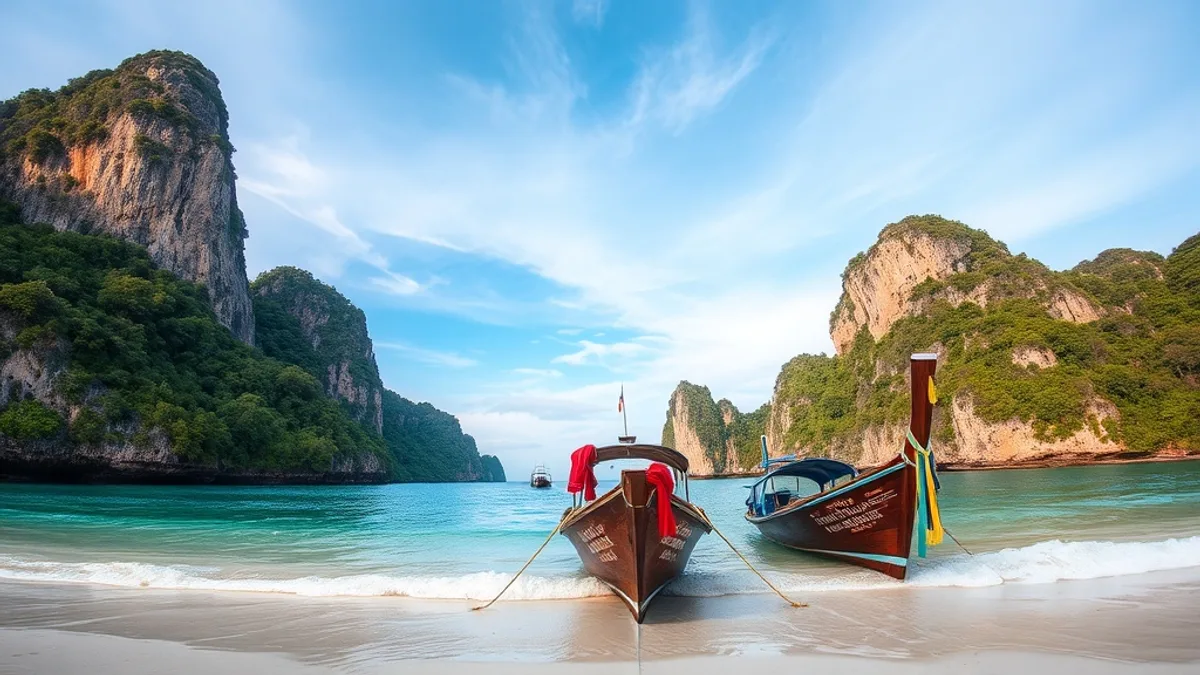
Getting to Railay is part of the adventure: it is accessible only by longtail boat from Ao Nang or Krabi Town. From Ao Nang, boats run continuously during daylight hours from the beach, taking roughly 15 minutes and costing 100–150 THB per person. After dark, boats are available by private charter (negotiate the price at the beach; typically 300–500 THB for the boat). Equipment rental is widely available at climbing shops on Railay — a full harness, shoes, and belay device rental costs around 150–250 THB per day — but bringing your own shoes if you climb regularly makes a significant comfort difference.
Highlights
- Clip your first bolts on beginner routes at Muay Thai Wall with a certified guide
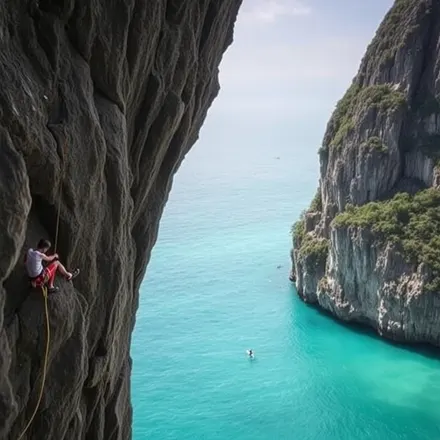
- Take in the extraordinary view from mid-route on Phra Nang Beach wall, sea below and karst above
- Challenge yourself on Tiger Wall, one of Asia's most iconic advanced limestone routes
- Boulder at Tonsai Beach among the informal international climbing community
- Arrive by longtail boat at sunrise before the crowds for a full day on the walls
- Learn sport climbing technique at one of Railay's established schools in a half-day course
- Combine a climbing day with afternoon swimming at Railay West's white-sand beach
- Explore the stalactite-draped overhang routes in the Diamond Cave area at intermediate grades
- Watch advanced climbers on Thaiwand Wall from Railay East for pure vertical theatre
The best climbing season in Krabi runs from November through April during the dry season. The limestone dries quickly after rain, but wet conditions make the rock dangerously slippery and monsoon months (May–October) see many routes become effectively unclimbable for days at a time. November and December offer the best balance of dry conditions, moderate temperatures, and manageable crowds. January and February are peak season — the weather is ideal but Railay becomes very crowded. March and April remain excellent with slightly thinner crowds.
Practical Information
Cost Level
Half-day beginner climbing course: 800–1,200 THB per person. Full-day guided climbing: 1,500–2,500 THB. Equipment rental (harness, shoes, device): 150–250 THB per day. Private guiding for experienced climbers: 2,500–4,000 THB per day. Longtail boat from Ao Nang to Railay: 100–150 THB per person (shared) or 300–500 THB private. Accommodation on Railay ranges from 800 THB (basic fan bungalow at Tonsai) to 6,000 THB+ (resort on Railay West). Budget a full climbing day at 2,000–3,500 THB per person all in including equipment, guide, and boat.
Tips
Book climbing courses directly with schools on Railay rather than through Ao Nang hotels to avoid commission markups. Closed-toe climbing shoes are available to rent; bring your own chalk bag as rental availability varies. Sunscreen is essential — limestone reflects significant UV, and routes face the full afternoon sun. The rock gets hot in the afternoon; plan serious climbing for morning starts. Carry enough water for the day as the walls can be remote from refreshment points. Always check equipment thoroughly before trusting it, regardless of rental source.
Our creators on the ground in Krabi share their best recommendations in their videos.
Creators who cover this spot
Discover YouTube creators who feature this topic in their videos.

Adventures Joel
British adventure vlogger exploring Thailand by motorbike.
Krabi Explorer
German travel creator focused on documenting Krabi province and Andaman coast destinations in southern Thailand.

Lost LeBlanc
Canadian travel filmmaker specializing in cinematic luxury travel content from Thailand and Southeast Asia.
Places in this Guide
Discover the attractions and locations featured in this travel guide.
Explore Krabi
Krabi
กระบี่Krabi is known for spectacular limestone cliffs, turquoise water and some of Thailand's most beautiful beaches. Island h...All creators from Krabi →Location & Orientation
Frequently Asked Questions
Do I need prior experience to rock climb at Railay Beach?
No prior experience is required. Railay has an excellent infrastructure for complete beginners, with multiple qualified climbing schools offering introductory courses from half a day upward. Instructors will teach you how to tie in, how to use the equipment safely, and the basic movement skills on the rock. The Muay Thai Wall beginner area has routes so well-suited to first-timers that many people complete their first climb within an hour of arriving. Children from around eight years old regularly take introductory courses with appropriate supervision.
How do I get to Railay Beach for climbing?
Railay is only accessible by longtail boat — there is no road connection because the headlands on either side are impassable. From Ao Nang beach, longtails run continuously during daylight hours and the trip takes about 15 minutes. Cost is 100–150 THB per person on a shared boat. From Krabi Town pier, boats depart several times daily (the journey is around 45 minutes and costs 150–200 THB). After dark, private boat charter is the only option at a negotiated price, typically 300–500 THB for the boat.
What is the difference between Railay and Tonsai for climbing?
Railay is the more developed option, with established climbing schools, equipment rental shops, a wide range of accommodation, and multiple restaurant options. It suits beginners and those who want guided instruction alongside a comfortable beach holiday. Tonsai is rawer and cheaper, attracting a more hardcore climbing community and backpacker crowd. Tonsai has excellent bouldering and the atmosphere is more spontaneous — climbers share knowledge freely and there is a genuine community feel. Most climbers end up visiting both. Tonsai is accessible on foot from Railay West at low tide.
Is the climbing at Krabi suitable for families with children?
Yes, Railay is genuinely family-friendly for climbing. The beginner walls at Muay Thai Wall are low-angle enough to be achievable for children from around eight years old with proper supervision and instruction. Climbing schools are experienced in working with young beginners. The setting — with a beautiful beach five minutes away — means non-climbing parents have an enjoyable day while others climb. Check with climbing schools before booking regarding minimum age requirements as these vary slightly between operators.
Can I rent climbing equipment at Railay without taking a course?
Yes, equipment rental (harness, shoes, belay device) is available from climbing shops on Railay for around 150–250 THB per day without any obligation to take a course. However, if you are not an experienced climber, renting equipment and attempting routes alone is genuinely dangerous — limestone sport climbing requires specific skills and knowledge of fixed protection systems. The rental shops will typically ask about your experience level. For anyone without solid sport climbing experience, taking at minimum a half-day refresher course on arrival is strongly recommended.