Introduction
Koh Samui's food scene is one of its most underrated attractions. While the island is famous for its beaches and nightlife, the depth and quality of its culinary offerings — from freshly grilled lobster served on plastic chairs at a beachside shack to elegant riverside dining at Fisherman's Village — consistently surprises first-time visitors. The island sits at a crossroads of Thai culinary traditions: southern Thai cooking with its bold, coconut-heavy curries and fermented shrimp pastes, central Thai classics, and a thriving seafood culture fed by the Gulf of Thailand's daily catch. Add Friday night walking street markets, inland morning markets where local women sell sticky rice wrapped in banana leaves, and street stalls serving dishes that cost 50 THB and taste of pure authenticity, and you have the makings of a genuinely memorable food destination. This guide covers where, what, and how to eat well on Koh Samui at every budget.
Overview
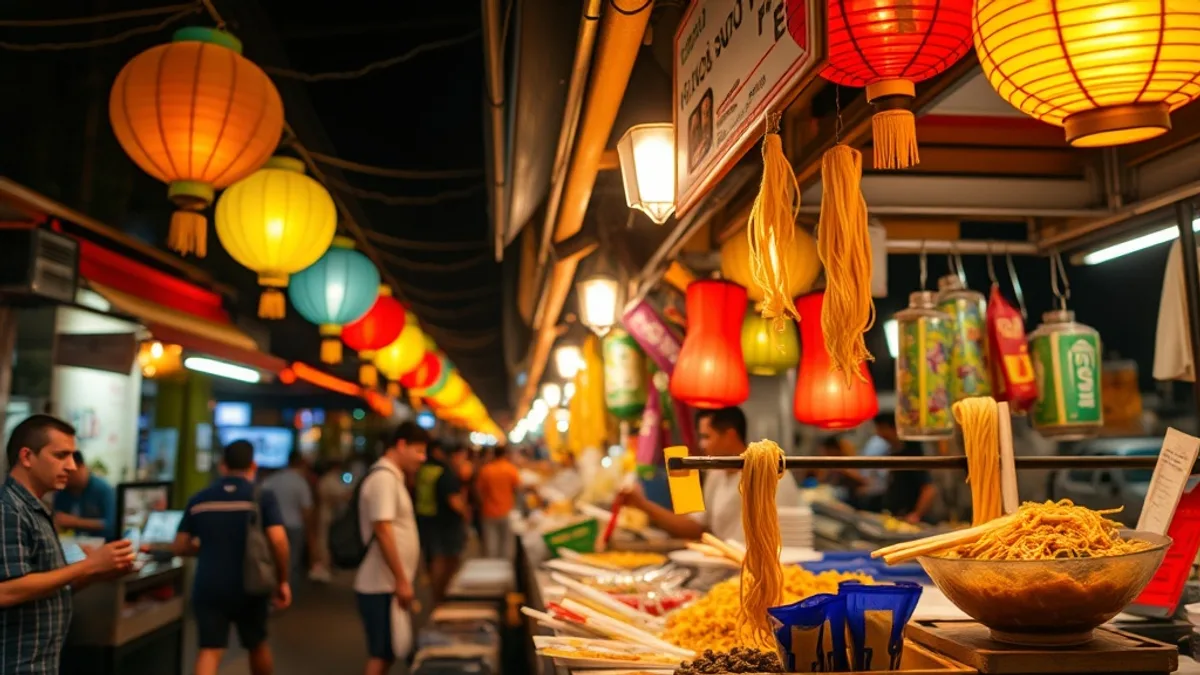
Fisherman's Village in Bophut, on the island's north coast, hosts the most celebrated food market on Koh Samui: the Friday Walking Street. From roughly 5 PM until 11 PM, the village's atmospheric colonial-era shophouse street fills with food stalls, craft vendors, and live music. The food quality is consistently excellent — fresh pad thai made to order, grilled satay skewers basted with peanut sauce, kanom krok (coconut rice pancakes) cooked in cast-iron pans, fresh spring rolls, mango sticky rice, and plates of freshly steamed mussels. The setting, with restored Chinese-Portuguese architecture lit by paper lanterns, elevates what is essentially a night market into something closer to a cultural event. Arrive by 6 PM to eat comfortably before the crowds peak. Budget roughly 200–400 THB for a generous selection of dishes.
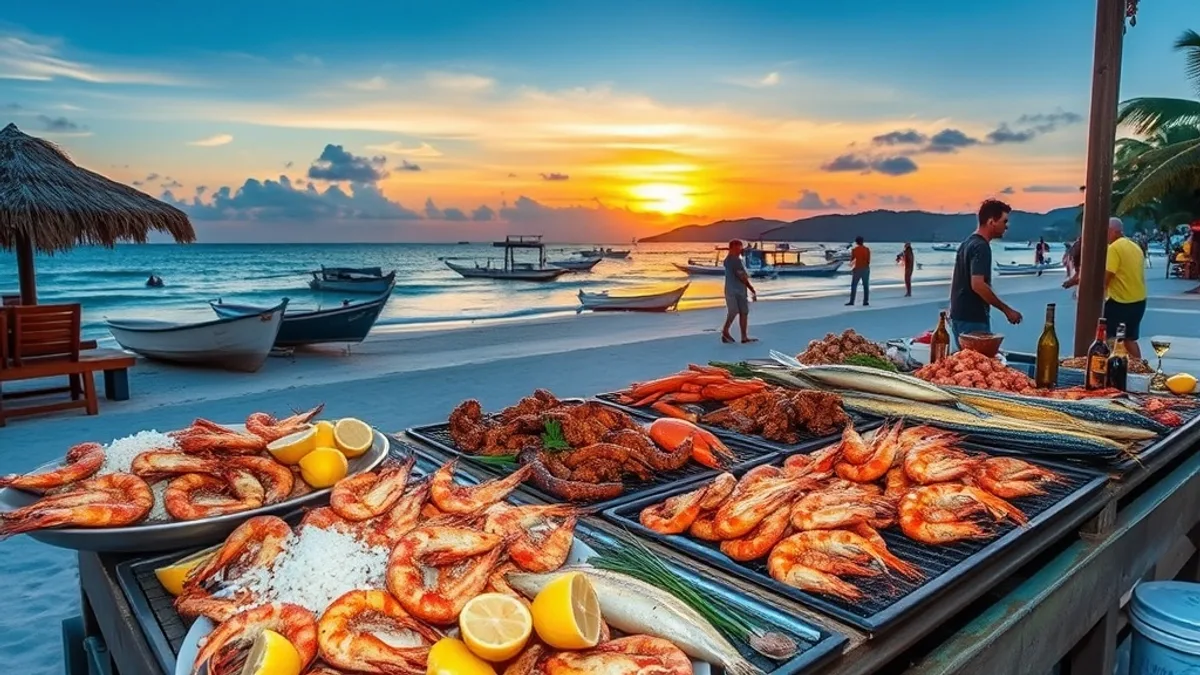
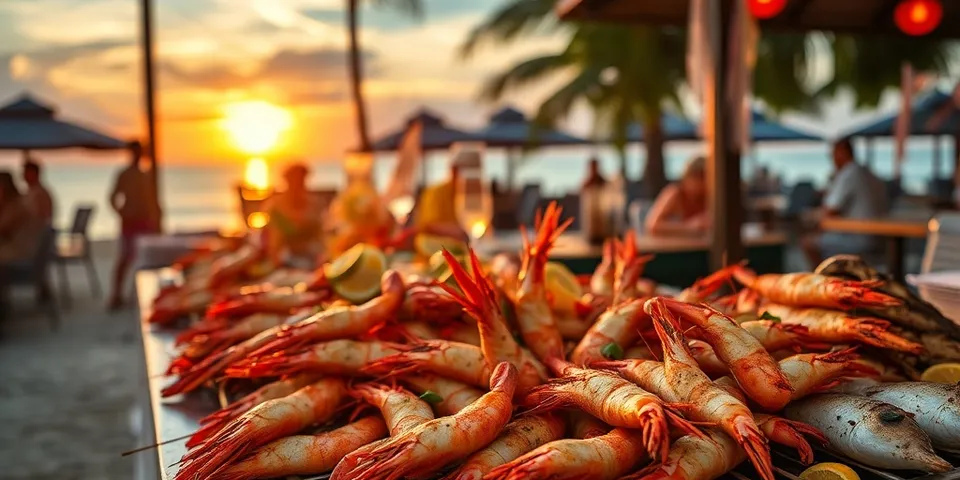
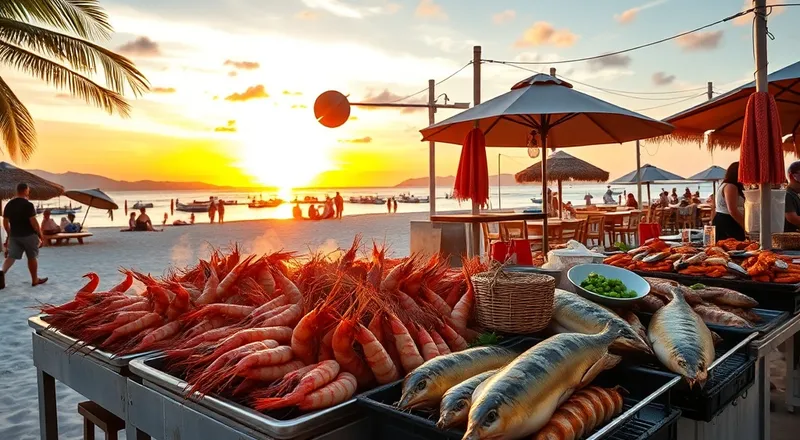
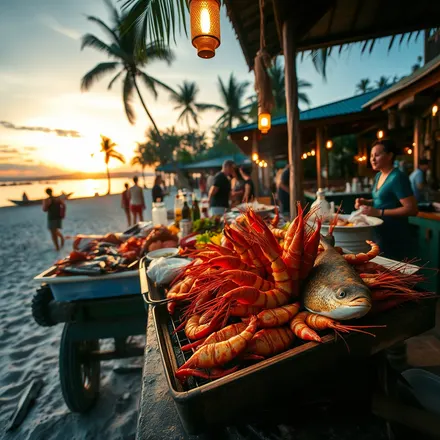
For daily fresh seafood, the string of restaurants along the beach in Chaweng and particularly in the quieter Ban Rak area just north of Chaweng offer the most direct connection between the morning's catch and the evening's meal. Look for restaurants displaying tanks of live crab and lobster or piles of fresh shellfish on ice at the entrance. Common choices include grilled tiger prawns with garlic butter, steamed whole fish with lime and chili, stir-fried crab with yellow curry powder, and the ever-popular seafood tom yam. Prices at these beachside spots are higher than at inland restaurants but still reasonable — a feast of seafood for two typically costs 800–1,500 THB depending on the choice of fish and shellfish.
Nathon, the island's quiet administrative capital on the west coast, hosts the best daily morning market on Koh Samui. Begin arriving before 8 AM to find the full range of local food: freshly made roti canai (Muslim-influenced flatbread served with curry), sticky rice with mango or coconut milk, fermented sausages, grilled corn, fresh coconut water served in the shell, and an array of Thai desserts using pandan and taro. The market is predominantly attended by locals rather than tourists, and prices reflect this — most items cost 20–50 THB. A bowl of Khao Tom (rice porridge with fish and fresh ginger) from the soup stalls makes an ideal breakfast for around 60 THB.
Chaweng Beach Road and the sois running off it host a dense concentration of street food stalls that come alive from around 6 PM. Look for the pad kra pao (basil stir fry) specialists serving with a crispy egg, the mango sticky rice vendors whose carts are identifiable by their bamboo steam baskets, and the som tam (green papaya salad) stalls where you can specify your spice level. The Chaweng Night Bazaar is a covered market on the main road offering both food and goods — the food section at the back is better value and more interesting than the tourist-facing stalls at the front. For a genuinely local Samui experience at Chaweng, follow Thai patrons rather than tourist crowds.
Massaman curry — rich with coconut milk, potato, roasted peanuts, and whole spices including cinnamon and cardamom — is one of the defining dishes of southern Thailand and reaches near-perfect form on Koh Samui, where it is typically served with slow-cooked beef or chicken and plain steamed rice. Order it at any restaurant displaying a handwritten menu in Thai; if the menu is entirely in English with photographs, the curry is likely tourist-adjusted. The same principle applies to Gaeng Tai Pla (fermented fish curry), which is intensely flavored and an acquired taste but an authentic pillar of the regional cuisine.
Highlights
- Browse Fisherman's Village Friday Walking Street for fresh street food in a lantern-lit setting
- Feast on live crab, grilled tiger prawns, and steamed fish at Chaweng beachside seafood restaurants
- Rise early for Nathon morning market — the most authentic local food experience on the island
- Order Massaman curry made the southern Thai way with whole spices and slow-cooked beef
- Try kanom krok coconut rice pancakes fresh from the cast-iron pan at market stalls
- Navigate the Chaweng Night Bazaar food section for cheap, crowd-pleasing local dishes
- Find som tam specialists on the side streets and specify your heat level from mild to authentic
- Sample fresh coconut water, roti canai, and sticky rice at the Nathon morning market
- Discover Lamai's local restaurant strip for home-style Thai cooking away from tourist menus
Street food stalls and markets operate primarily in the morning (6–10 AM for breakfast markets) and evening (5–11 PM for night markets and walking streets). The Friday Walking Street in Fisherman's Village is weekly and weather-dependent — it occasionally cancels in heavy rain. The seafood restaurants along the beach are open for lunch and dinner year-round. Visiting outside peak season (May–October) means shorter queues and more attentive service at popular spots.
Practical Information
Cost Level
Street food and market meals cost 40–120 THB per dish. A filling lunch from a local restaurant with two dishes and rice runs 150–250 THB. Beachside seafood restaurants charge 300–600 THB for a main course fish dish, with a full meal for two costing 1,000–2,000 THB including drinks. Tourist-facing restaurants on the main Chaweng strip charge 20–30% more than equivalent quality at local spots. The Friday Walking Street in Fisherman's Village typically costs 200–400 THB per person for a satisfying mix of dishes.
Tips
The golden rule of eating well in Thailand applies strongly on Koh Samui: follow the Thai patrons. A plastic-stool street stall surrounded by locals is almost invariably better and cheaper than a laminated-menu restaurant on the tourist strip. Carry small cash denominations — most market vendors do not accept cards. If you have dietary restrictions, learn the Thai phrases for your requirements: 'kin jay' (vegetarian/vegan), 'phet nit noi' (a little spicy), and 'mai sai prik' (no chili). Samui's tap water is not safe to drink; stick to bottled water or drinks from reputable vendors.
Our creators on the ground in Koh-samui share their best recommendations in their videos.
Places in this Guide
Discover the attractions and locations featured in this travel guide.
Explore Koh Samui
Koh Samui
เกาะสมุยKoh Samui combines a tropical island paradise with modern infrastructure. Popular with long-stay tourists and expats who...All creators from Koh Samui →Location & Orientation


Frequently Asked Questions
When is the Fisherman's Village Friday Walking Street?
The Friday Night Walking Street at Fisherman's Village in Bophut runs every Friday evening from approximately 5 PM to 11 PM. It is open year-round but occasionally cancels during very heavy monsoon rain. The market occupies the main colonial shophouse street of the village. Arrive between 5–6 PM for the best selection and space to move comfortably; after 7 PM it can become very crowded. Parking is available in nearby side streets and the beach road.
Where is the best seafood on Koh Samui?
For fresh seafood in a beach setting, the restaurants along the northern end of Chaweng Beach and in the Ban Rak area consistently receive strong local recommendations. Look for places with visible fresh catch on ice or live tanks at the entrance. The Nathon pier area on the west coast also has excellent, less touristy seafood restaurants where locals eat. For a premium dining experience, several restaurants at Fisherman's Village offer refined Thai seafood at higher price points but in a beautiful setting.
What is the local specialty food of Koh Samui?
Koh Samui's cuisine draws heavily from southern Thai traditions. Massaman curry, Gaeng Som (sour curry with tamarind), and Tom Kha (coconut milk soup) are all local staples done particularly well here. Fresh seafood dishes — especially steamed whole fish with lime and chili sauce, and stir-fried crab — reflect the island's coastal location. Khanom Jeen (fermented rice noodles served with curry sauce) is a popular local breakfast. Coconut-based desserts, including fresh coconut ice cream served in the shell, are an island specialty.
How much should I budget for food per day on Koh Samui?
A budget food day eating entirely from street stalls and local restaurants can cost as little as 300–500 THB per person including three meals. A comfortable mid-range food budget covering a market breakfast, local lunch restaurant, and beachside seafood dinner runs 800–1,500 THB per day. Dining predominantly at tourist restaurants, resort restaurants, and the more upscale end of Fisherman's Village can push the daily food budget to 2,000–4,000 THB. The island genuinely rewards those who seek out local eateries.
Is street food safe to eat on Koh Samui?
Street food from busy, high-turnover stalls is generally safe and the way millions of travelers eat across Thailand without incident. Choose stalls where food is cooked fresh to order in front of you, avoid pre-cooked food sitting in the open for extended periods, and stick to hot dishes. The highest-risk items are raw salads and ice in drinks from unknown sources. Traveler's stomach issues in Thailand are more often caused by excess alcohol than by street food. Most experienced Thailand travelers eat street food daily without problem.