Introduction
Most visitors come to Koh Samui for its beaches, but the island's interior holds a different kind of beauty entirely. Dense tropical jungle covers the central highlands, cut through by streams that tumble down to the coast in a series of waterfalls ranging from easily accessible family attractions to genuinely wild jungle cascades requiring a proper hike to reach. Na Muang Waterfall, the largest and most famous, pours over a natural purple-tinged rock formation into a pool perfect for swimming. Hin Lad Waterfall, near Nathon on the west coast, rewards those who make the climb with solitude and a series of tiered pools wrapped in cathedral-like jungle. Beyond the waterfalls, Koh Samui's interior offers hiking trails, ethical elephant sanctuaries, a butterfly garden, and the island's highest viewpoints. This guide takes you away from the beach and into the verdant heart of one of Thailand's most underrated natural landscapes.
Overview
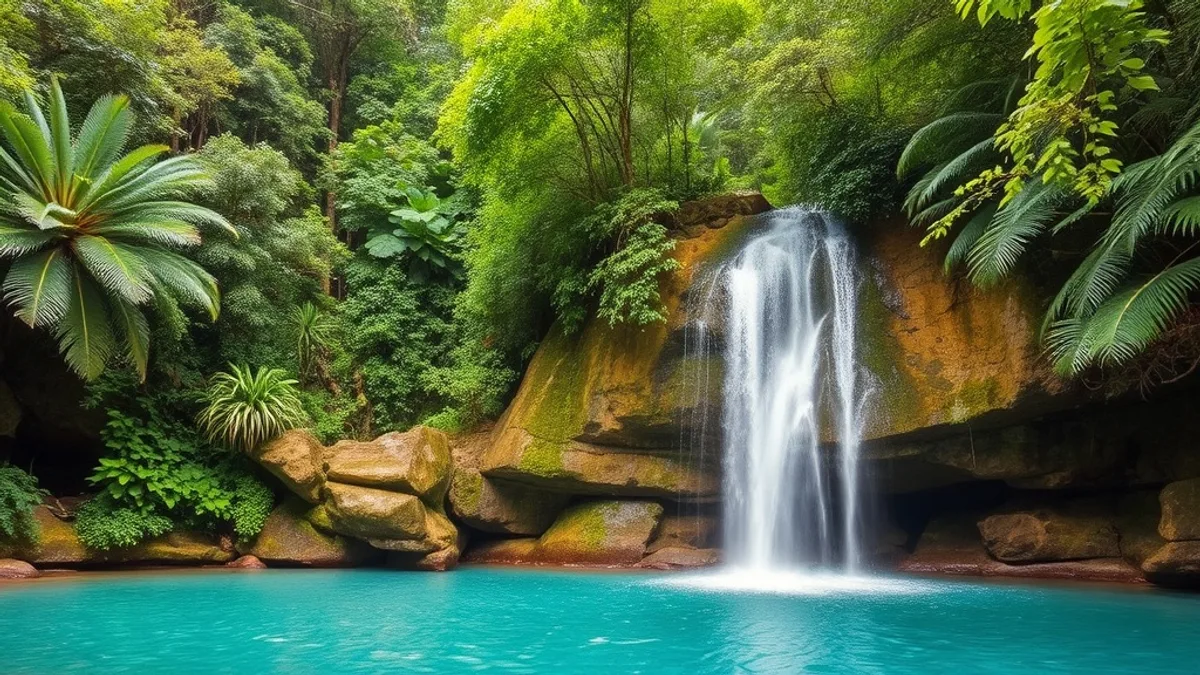
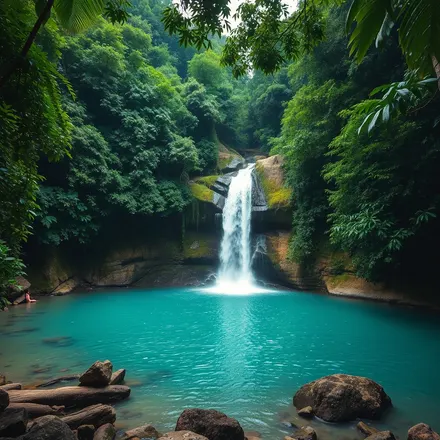
Na Muang Waterfall is the undisputed centrepiece of Koh Samui's natural attractions. Located in the island's southern interior, accessible via a clearly signposted road off Route 4169, the falls consist of two separate drops connected by a forest trail. Na Muang 1 is the lower and more easily reached, a broad curtain of water falling around 20 meters over purple-tinged limestone rock into a wide, swimmable pool at its base. The purple coloring of the rock — caused by minerals in the water — gives the falls a distinctive appearance unlike most others in Thailand. The short walk to Na Muang 1 is paved and suitable for all fitness levels, making it the most visited waterfall on the island. During the dry season the flow can diminish to a trickle, but from September through December the falls are at their most spectacular.
Na Muang 2, reached via a 1.4-kilometer trail from the lower falls, is a different experience entirely. The path winds through proper jungle — tall trees filtering the light, insects chirping, the occasional rustle of unseen animals in the undergrowth — before arriving at a narrower, higher waterfall that drops directly into a deep natural pool. The hike takes roughly 30–45 minutes each way and is moderately challenging, with some uneven terrain. The reward is a pool you are likely to have largely to yourself outside of high season, with enough natural shade to make it a genuine place to linger rather than just photograph. Elephant rides were formerly offered on the trail to Na Muang 2, but ethical traveler awareness has made these increasingly rare; focus instead on the elephants at the sanctuary operations described below.
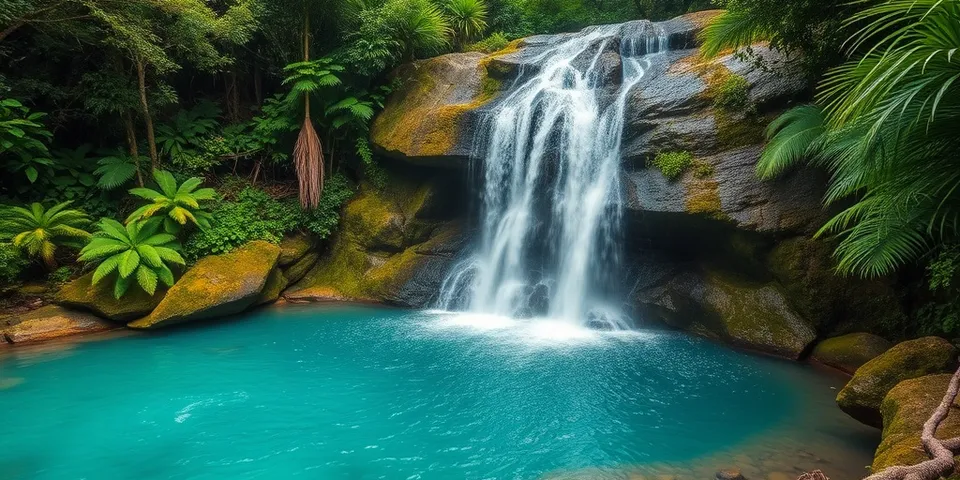
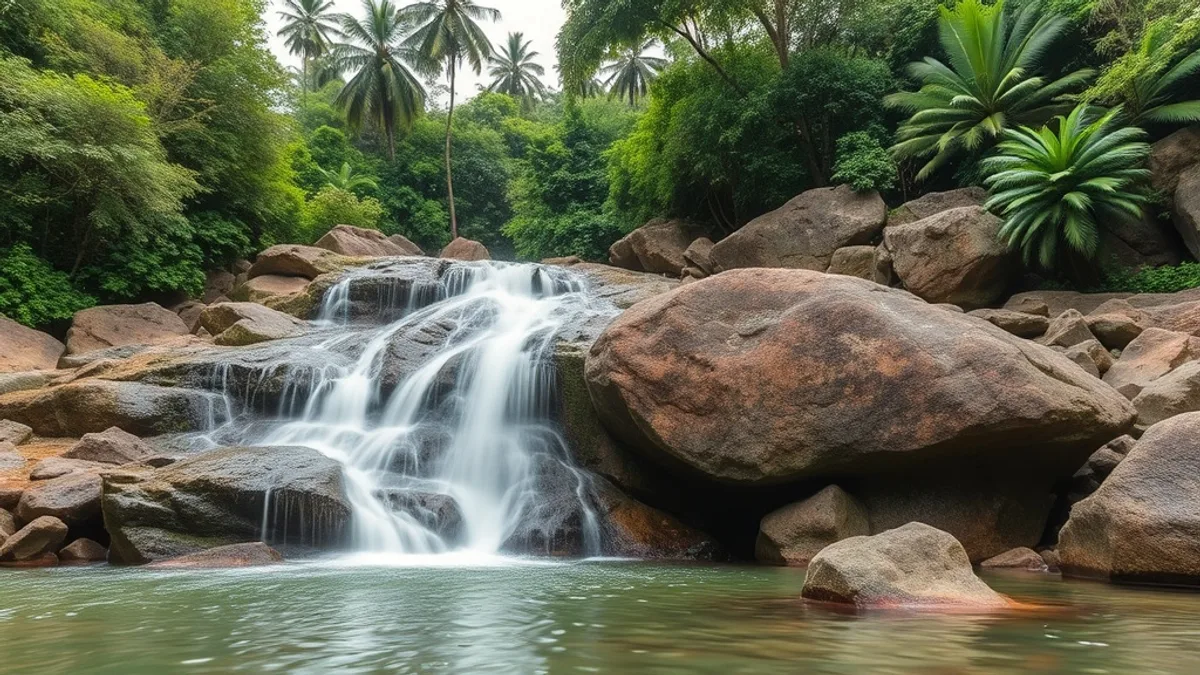
Hin Lad Waterfall, on the western side of the island near the town of Nathon, offers a more off-the-beaten-path experience. The trail to the falls passes through a working temple complex before entering dense jungle on a path that requires some navigation skill. The waterfall itself is a series of tiered pools cascading down a rocky hillside — not as dramatic as Na Muang but arguably more beautiful in its quieter way. Bring sandals that can get wet, as reaching the upper pools requires wading through the stream itself. The almost complete absence of other tourists at Hin Lad is its greatest asset.
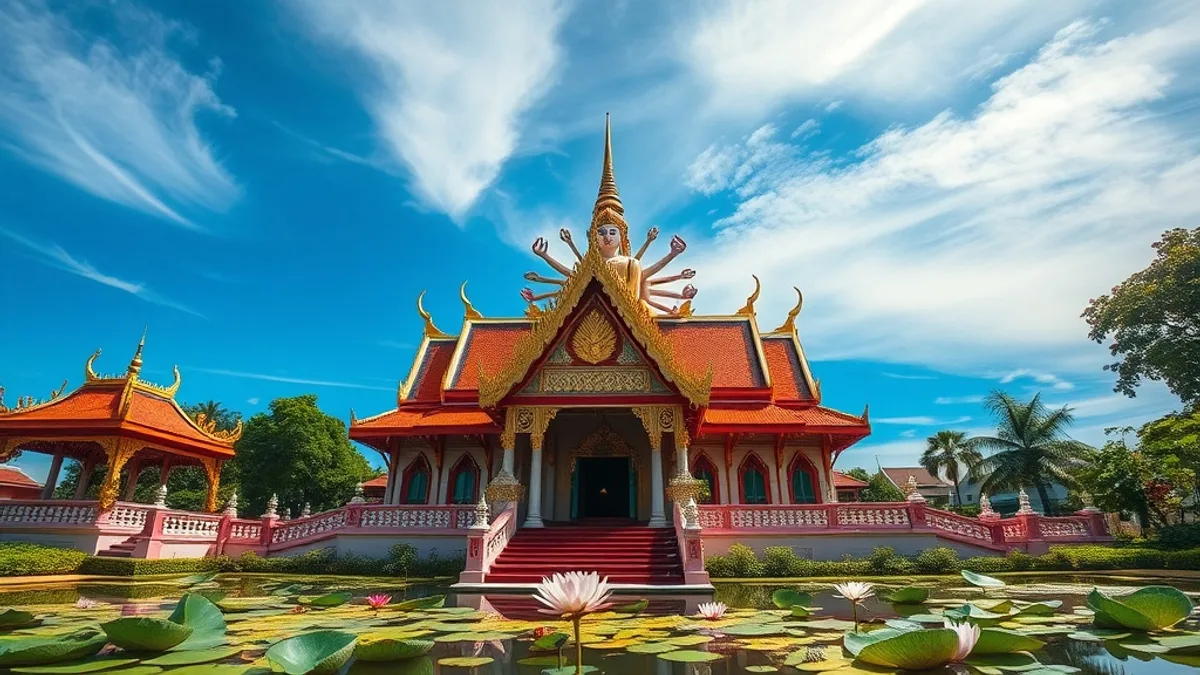
Tarnim Waterfall, also called Magic Garden or Secret Buddha Garden, combines natural beauty with cultural intrigue. Set in the hills above Nathon, the site incorporates dozens of carved stone statues — Buddhas, mythological creatures, and abstract forms — placed among the natural rock formations of a small waterfall over several decades by a local fruit farmer named Nimol Suwat. The garden has a genuinely magical, slightly otherworldly atmosphere, particularly in morning mist. The road to reach it is steep and only suitable for SUVs or motorbikes; car drivers should proceed with caution.
For those interested in wildlife, Samui Elephant Sanctuary near the center of the island is one of the genuinely ethical elephant experiences in southern Thailand. Rescued from trekking and logging work, the elephants here live in a large natural enclosure and visitors interact with them on their own terms — feeding, bathing in the river, and observing natural behaviors. Booking in advance is essential as daily visitor numbers are strictly limited. The butterfly garden near the central highlands area is a pleasant half-hour stop, home to dozens of tropical species in a large net enclosure.
Highlights
- Swim in the purple-tinged natural pool at the base of Na Muang 1 Waterfall
- Hike the jungle trail to Na Muang 2 for a wilder, crowd-free waterfall experience
- Discover the tiered pools of Hin Lad Waterfall on the quieter west coast
- Explore the magical statue garden and cascades at Tarnim Secret Buddha Garden
- Visit Samui Elephant Sanctuary for an ethical encounter with rescued elephants
- Trek jungle trails to the island's highest viewpoints for panoramic Gulf views
- Spot tropical butterflies at the island's butterfly garden near the central highlands
- Follow forested streams through the interior on self-guided hiking routes
- Visit Na Muang Safari Park for wildlife encounters including crocodiles and birds of prey
The waterfalls are most impressive from September through December when the monsoon has fully charged the streams. However, this is also the island's wet season — be prepared for sudden downpours, and avoid jungle trails immediately after heavy rain as paths become slippery. The dry season from January to August offers easier hiking but reduced water flow. Early morning visits (before 10 AM) avoid both the midday heat and the arrival of tour groups at the main Na Muang site.
Practical Information
Cost Level
Entry to Na Muang Waterfall costs 200 THB per person for foreigners (includes both falls). Hin Lad Waterfall is free. Tarnim Secret Buddha Garden charges around 80 THB. Samui Elephant Sanctuary tours are priced at 2,500–3,500 THB per person including transport, and the higher price point reflects genuine ethical operation costs. The butterfly garden costs around 200 THB. A full nature day including multiple attractions and a rented scooter can be done for 2,000–3,000 THB per person all in.
Tips
Wear closed-toe shoes or sandals with grip for any waterfall trails — flip-flops are inadequate and dangerous on wet rock. Bring water, sunscreen, and insect repellent. The jungle interior is significantly cooler than the beaches, but humidity is high year-round. Do not attempt jungle trails during or immediately after heavy rain. For Na Muang 2, hiring a local guide (available at Na Muang 1 for around 200–300 THB) improves both safety and the experience.
Our creators on the ground in Koh-samui share their best recommendations in their videos.
Places in this Guide
Discover the attractions and locations featured in this travel guide.
Explore Koh Samui
Koh Samui
เกาะสมุยKoh Samui combines a tropical island paradise with modern infrastructure. Popular with long-stay tourists and expats who...All creators from Koh Samui →Location & Orientation
Frequently Asked Questions
Can you swim at Na Muang Waterfall on Koh Samui?
Yes, both Na Muang 1 and Na Muang 2 have natural pools at their base where swimming is possible and popular. The pool at Na Muang 1 is larger and more accessible, with flat rocks nearby perfect for sitting. Na Muang 2's pool is deeper and more secluded. Always check conditions before swimming — after heavy rain, currents at the base of waterfalls can be deceptively strong. The water is fresh and pleasantly cool, making a swim genuinely refreshing in the tropical heat.
How do I get to the waterfalls from Chaweng Beach?
From Chaweng, Na Muang Waterfall is approximately 12 kilometers by road — about 25–30 minutes by scooter or songthaew. The falls are clearly signposted from Route 4169. By scooter, follow the main ring road (4169) south from Chaweng toward Lamai, then turn inland on the clearly marked road. Alternatively, many local tour operators offer half-day waterfall excursions from Chaweng for around 500–800 THB per person including transport, which is good value if you prefer not to navigate independently.
Is Samui Elephant Sanctuary ethical?
Samui Elephant Sanctuary is widely regarded as one of the more ethical elephant experiences in southern Thailand. The elephants are rescue animals that no longer perform tricks, give rides, or are made to paint. Visitors observe and interact with them in a large semi-natural enclosure. As with any wildlife venue, do your own research before booking — look for operations that do not use bullhooks, allow elephants to roam freely, and limit daily visitor numbers. Avoiding any venue that offers elephant riding remains the most important ethical principle.
Are the jungle trails on Koh Samui safe to hike alone?
The trails to Na Muang 1 and Hin Lad Waterfall are straightforward and suitable for solo hiking with basic preparation. Na Muang 2 is more challenging and the trail can be confusing at junctions — a local guide is recommended for first-timers. For off-trail exploration or longer routes into the central highlands, always go with a guide. Tell your accommodation where you are going and carry a fully charged phone. Mobile signal exists on most of the main trails but can be patchy in the deeper jungle.
What other natural attractions are in Koh Samui's interior?
Beyond the main waterfalls, the island's interior holds several rewarding discoveries. The viewpoints along the central ridge road offer sweeping panoramas over both coasts on clear days. The Secret Buddha Garden (Tarnim) combines natural waterfalls with folk art carvings for a uniquely atmospheric experience. The butterfly garden provides a colorful half-hour encounter with tropical species. For those wanting a longer outdoor day, the island's ring road passes through genuinely rural communities where coconut plantations and small farms give a sense of Samui before tourism transformed its coastline.