Introduction
Kanchanaburi holds a singular place in the history of the Second World War in Asia. Along this stretch of the Mae Klong and Kwai rivers, in the jungle hills that rise toward the Myanmar border, the Japanese Imperial Army constructed the Thailand-Burma Railway between 1942 and 1943 using the forced labor of Allied prisoners of war and hundreds of thousands of Asian workers. The human cost was catastrophic. Today, Kanchanaburi preserves this history through a collection of cemeteries, museums, and preserved railway sections that together constitute one of the most significant WWII memorial complexes in the world. This guide approaches all of them with the respect the subject demands, helping visitors understand what happened here and how to engage with the memorials in a way that honors those who died.
Overview
The Thailand-Burma Railway — 415 kilometres of single-track line built through dense jungle, across rivers, and over mountain passes in under thirteen months — was one of the most extraordinary and brutal engineering feats of the twentieth century. The Japanese Imperial Army undertook it to supply the Burma campaign and support their planned westward advance toward India. They used a workforce that included approximately 60,000 Allied POWs (British, Australian, Dutch, and American) and an estimated 200,000-250,000 Asian laborers conscripted or deceived from across occupied Southeast Asia. The physical conditions — tropical disease, starvation rations, relentless overwork, and the deliberate violence of guards — produced a death rate among the workforce that shocks those who encounter the full statistics. The railway became known as the Death Railway long before the war ended.
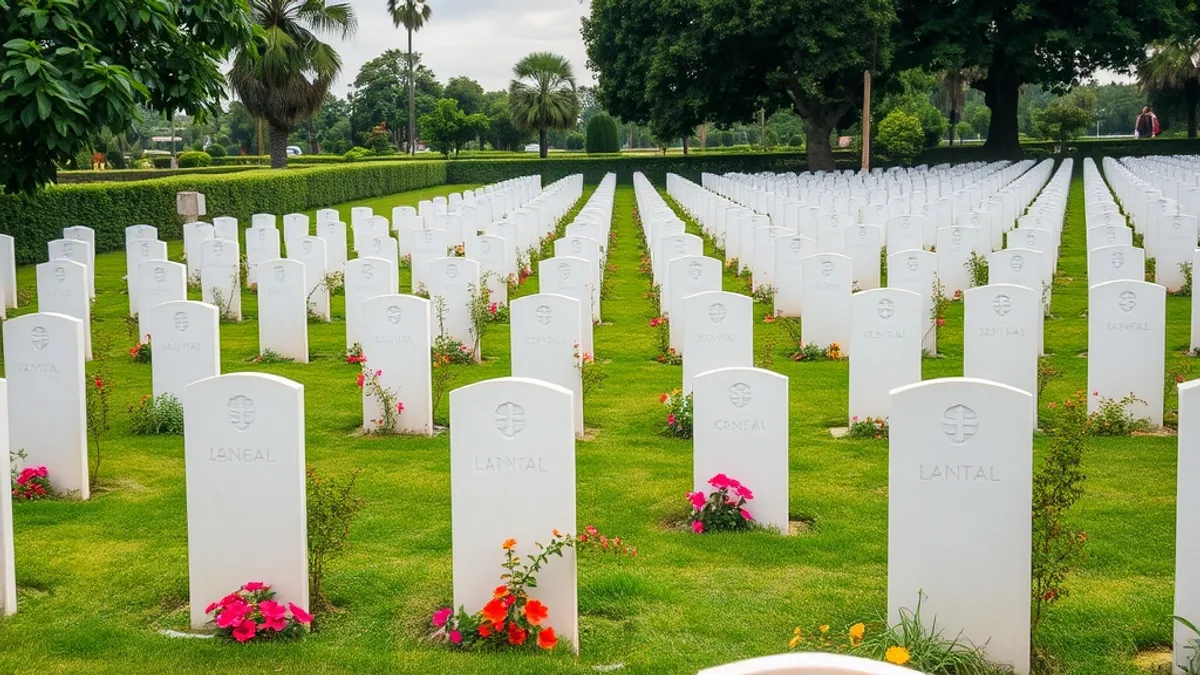
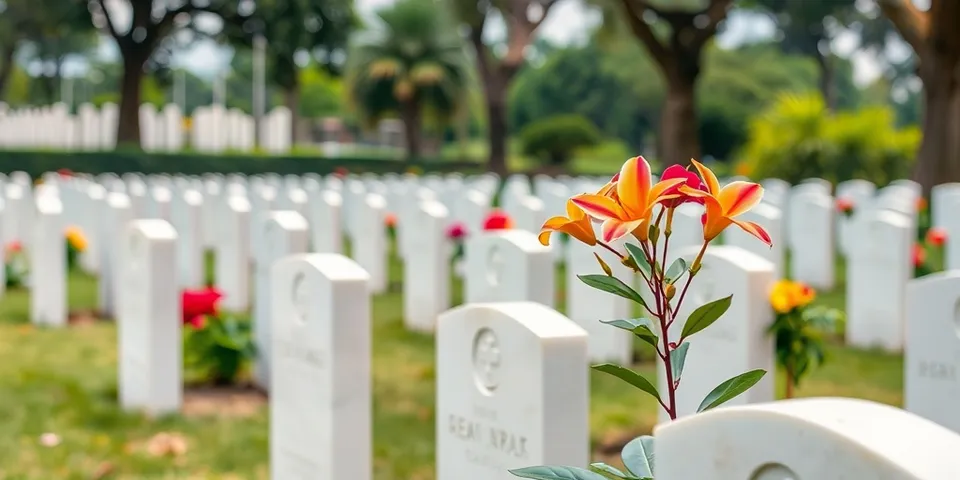
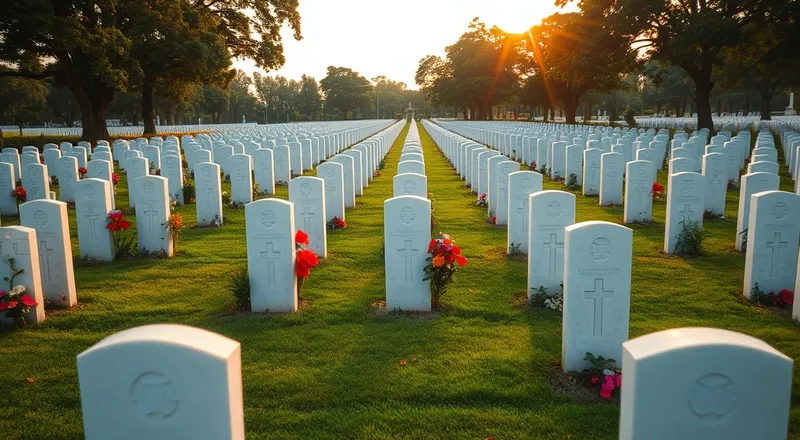
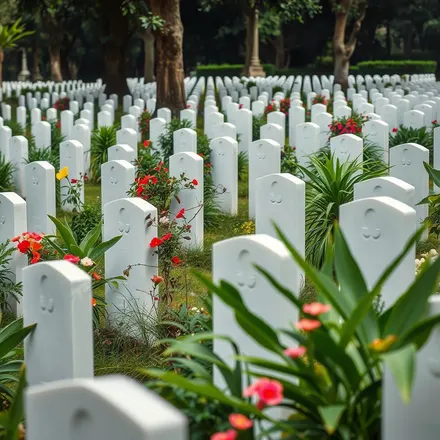
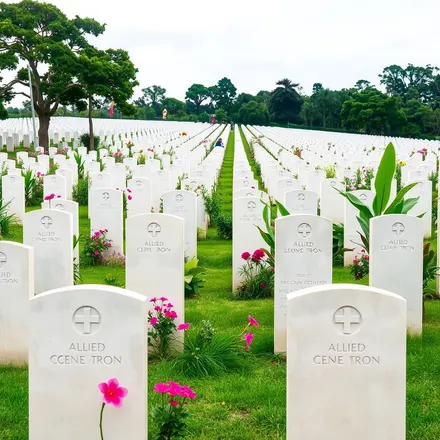
The Kanchanaburi Allied War Cemetery, maintained by the Commonwealth War Graves Commission on a quiet street a short walk from the town centre, is the most visited memorial site in the province. The cemetery contains 6,982 graves of Allied servicemen who died during the construction of the railway or in the POW camps along its route. The graves are arranged in neat rows under flowering trees and immaculately tended tropical gardens. Each headstone carries the soldier's name, rank, regiment, age, and a short personal inscription chosen by his family. Walking among them — reading the young ages, the regimental badges, the words a mother or wife chose across an ocean of grief — is among the most affecting experiences in Thailand. No admission is charged and the grounds are open daily during daylight hours.
The Chung Kai Allied War Cemetery, located across the river about four kilometres from the town centre, contains 1,750 graves and is significantly quieter and less visited than the main cemetery. The site of a major POW camp during the railway construction, Chung Kai has a more intimate, melancholy atmosphere — the graves sit beneath larger trees, the surrounding neighborhood is a working Thai community, and the absence of tour groups for much of the day creates a genuine solitude. Reaching Chung Kai requires a short boat trip across the Kwai Noi or a longer drive, but the effort is repaid with a more contemplative experience.
The Thailand-Burma Railway Centre Museum is the finest historical institution in Kanchanaburi and the essential starting point for understanding the full scope of what happened here. Opened in 2003 after decades of planning and research, the museum presents the history of the Death Railway in a thorough, chronological, and deeply human account. Using firsthand testimony from former POWs, Japanese military records declassified after the war, engineering surveys, personal photographs, and hundreds of recovered artifacts, the museum tells the story from the Imperial Japanese Army's strategic rationale through to the post-war trials of war criminals. The exhibits are balanced — they do not use spectacle for its own sake but they do not flinch from the evidence of systematic cruelty. Entry is 200 THB for international visitors and the museum is closed on Mondays.
The JEATH War Museum, established in 1977 by the abbot of Wat Chaichumphon, was the first museum in Kanchanaburi dedicated to the Death Railway. Its name comes from the nationalities involved: Japan, England, Australia/America, Thailand, and Holland. The museum is housed in a reconstruction of a bamboo POW hut and contains an atmospheric collection of photographs, drawings made by POWs during captivity, personal letters, camp artifacts, and wartime memorabilia. The visual evidence here is more graphic than the Railway Centre Museum — the photographs of malnourished prisoners are deeply disturbing. Entry costs approximately 80 THB.
Hellfire Pass Memorial Museum, operated by the Australian government's Department of Veterans' Affairs, lies approximately ninety kilometres northwest of Kanchanaburi near the town of Thong Pha Phum. The museum commemorates the most grueling section of the railway construction — a cutting through solid rock that required workers to labor through the night by torchlight, earning it the name Hellfire Pass from the POWs who described the scene as resembling hell. The museum is exceptionally well-designed, with personal testimonies from Australian veterans forming the emotional core of the presentation. A two-kilometre walking trail passes through the original cutting, where visitors can walk the same ground that cost so many lives. Entry is free. The journey from Kanchanaburi is worthwhile — Hellfire Pass represents perhaps the most moving single site in the entire WWII memorial landscape of western Thailand.
Highlights
- Pay respects at the Kanchanaburi Allied War Cemetery — 6,982 graves maintained by the Commonwealth War Graves Commission
- Visit the quieter Chung Kai Allied War Cemetery across the river for a more contemplative experience
- Spend two hours at the Thailand-Burma Railway Centre Museum for the most authoritative Death Railway history
- Explore the JEATH War Museum's bamboo hut reconstruction and firsthand POW artwork
- Make the journey to Hellfire Pass Memorial Museum for the most powerful memorial experience in western Thailand
- Walk through the original Hellfire Pass cutting on the two-kilometre trail
- Ride the Death Railway train to Nam Tok on the surviving section of the original line
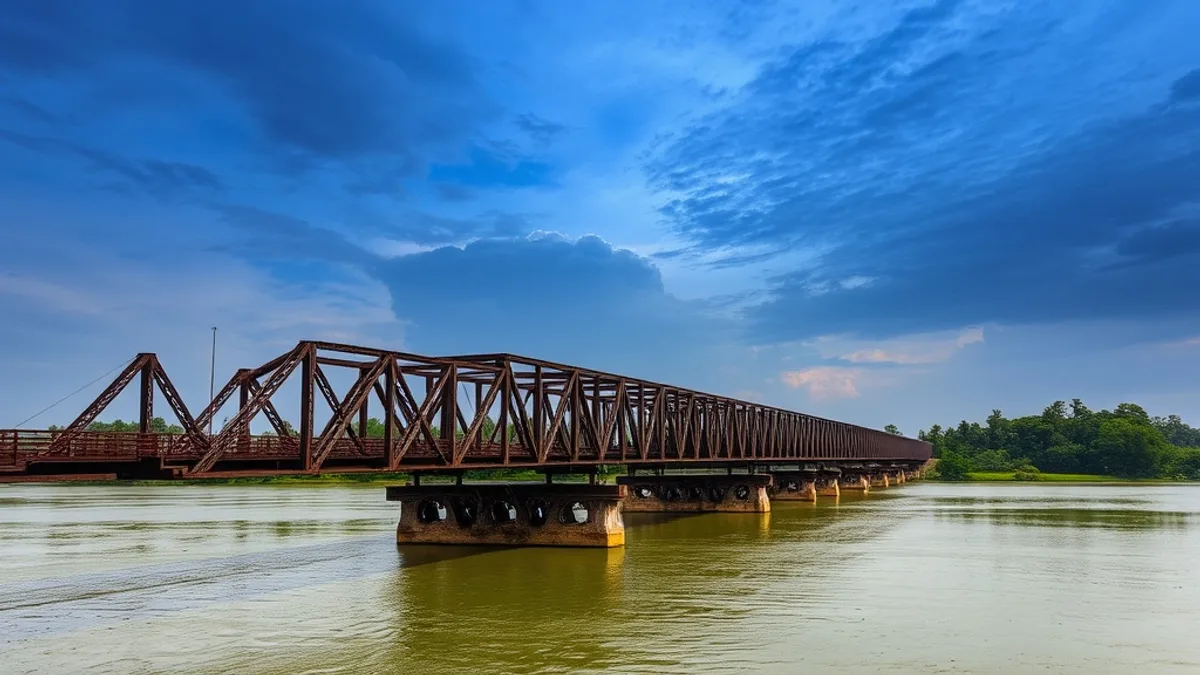
- Combine the Kanchanaburi museums with the Bridge on the River Kwai for a comprehensive WWII day
- Attend the River Kwai Bridge Week in late November for the annual light and sound commemoration
Kanchanaburi's WWII memorials are worth visiting year-round as the museums and cemeteries are unaffected by weather. The coolest and most comfortable visiting season is November to February. Anzac Day (April 25) and Remembrance Day (November 11) draw significant numbers of Australian, British, and Dutch visitors for formal commemorative services at the war cemeteries — deeply moving occasions that are open to the public. The River Kwai Bridge Week festival in late November includes WWII-themed events alongside the light and sound show. Avoid Thai public holidays if you prefer quiet cemetery visits.
Practical Information
Cost Level
The Allied War Cemeteries (both Kanchanaburi and Chung Kai) are free to visit. The Thailand-Burma Railway Centre Museum charges 200 THB for international visitors. The JEATH War Museum charges approximately 80 THB. Hellfire Pass Memorial Museum is free. The Death Railway train to Nam Tok costs around 100 THB for third class. A full WWII history day including the Railway Centre, JEATH Museum, both cemeteries, and the bridge area can be done for under 500 THB excluding transport. A hired driver for the full day covering all sites including the ninety-kilometre drive to Hellfire Pass runs approximately 2,000-2,500 THB.
Tips
Begin at the Thailand-Burma Railway Centre Museum before visiting the cemeteries — the historical context transforms the experience of walking among the graves from a mournful encounter with names into a deeply human engagement with specific stories and lives. If you can make only one journey outside Kanchanaburi town, make it to Hellfire Pass — the combination of the museum and the walk through the cutting is the single most powerful WWII experience in the region. Dress respectfully at the cemeteries: quiet behavior, no loud music, and thoughtful regard for others who may be visiting to grieve.
Our creators on the ground in Kanchanaburi share their best recommendations in their videos.
Creators who cover this spot
Discover YouTube creators who feature this topic in their videos.

Adventures Joel
British adventure vlogger exploring Thailand by motorbike.

Bald and Bankrupt
British travel creator specializing in off-the-beaten-path exploration of Thai communities and culture.

Wolters World
Mark Wolters is an American university professor providing honest travel advice and detailed analysis of Thailand destinations.
Places in this Guide
Discover the attractions and locations featured in this travel guide.
Explore Kanchanaburi
Kanchanaburi
กาญจนบุรีKanchanaburi is a province steeped in both natural beauty and wartime history, best known for the Bridge over the River ...All creators from Kanchanaburi →Location & Orientation
Frequently Asked Questions
What is the difference between the Thailand-Burma Railway Centre Museum and the JEATH War Museum?
The Thailand-Burma Railway Centre Museum (opened 2003) is the more comprehensive and academically rigorous institution, presenting the full history of the Death Railway through a chronological narrative supported by primary source documents, Japanese military records, firsthand testimony, and hundreds of artifacts. It takes two hours to visit properly and its approach is balanced and educational. The JEATH War Museum (established 1977) is smaller, more personal in character, and housed in a bamboo POW hut reconstruction. Its photographic evidence is more graphic and the artifacts include original POW drawings and letters of immediate emotional impact. Both are worth visiting, but the Railway Centre should come first as it provides the essential framework for understanding everything else.
Can I visit the Kanchanaburi and Chung Kai cemeteries in the same day?
Yes, both cemeteries can be visited in the same day without difficulty. The Kanchanaburi Allied War Cemetery is in the town centre and takes about 45-60 minutes for a thoughtful walk. Chung Kai is four kilometres away across the river — the most atmospheric approach is a short longtail boat crossing from the riverside near the town centre, which takes about ten minutes and costs around 30-50 THB per person. Alternatively a tuk-tuk or bicycle can reach Chung Kai by road in about twenty minutes. Many visitors find Chung Kai, with its greater solitude and intimate atmosphere, the more moving of the two.
Why is Hellfire Pass called by that name?
Hellfire Pass is a cutting through solid rock in the hills northwest of Kanchanaburi that required months of excavation during the most intense phase of railway construction in 1943. The Japanese Imperial Army ordered work to continue around the clock to meet the accelerated construction schedule. The only illumination at night came from burning bamboo torches, oil lamps, and bonfires, and Allied POWs who survived described the scene of gaunt, emaciated men swinging hammers and chisels in the flickering firelight as looking exactly like their mental image of hell. The name Hellfire Pass was coined by the prisoners themselves and has remained the permanent name for this section of the railway. The cutting is 75 metres long and required POW labor teams to work sixteen-hour shifts by hand.
Are war criminals ever held accountable for the Death Railway?
Yes, war crimes trials were held by the Allied powers after Japan's surrender in 1945. The International Military Tribunal for the Far East (Tokyo War Crimes Tribunal, 1946-1948) tried senior Japanese military commanders. Separate British and Australian military tribunals in Singapore and Rangoon tried officers and guards responsible for specific POW camps along the railway. Several officers directly responsible for the worst conditions were convicted and executed, while others received prison sentences. However, the trials were widely considered incomplete — many perpetrators were never charged, and the prioritization of Cold War geopolitical relationships with Japan led to commutations and early releases in the 1950s. The full legal accounting that survivors and families sought was never delivered.
How should I behave when visiting the war cemeteries at Kanchanaburi?
The cemeteries are active memorials maintained by the Commonwealth War Graves Commission and they continue to receive family members of the fallen from Australia, Britain, the Netherlands, and other countries. Behavior that is natural at a regular historical site — loud conversation, group selfies, hurried walkthroughs — feels inappropriate here and is disrespectful to others who may be present to grieve. Walk quietly, read the headstone inscriptions with attention, and take photographs respectfully and without flash. The inscriptions that families chose for headstones — brief words from mothers, wives, and parents written across decades — are among the most moving texts you will encounter in Thailand.