Introduction
There are places in Thailand where beauty and tragedy have become permanently intertwined, and Kanchanaburi is the most powerful of them. The iron bridge that spans the River Kwai at the edge of the provincial town is not the most spectacular structure in the country, but it carries a weight of history that few monuments anywhere in Southeast Asia can match. Built by Allied prisoners of war and forced Asian laborers under the Japanese Imperial Army during World War II — at a cost of more than 100,000 lives — the Death Railway and its famous bridge have become one of the most poignant sites of twentieth-century remembrance in Asia. This guide approaches Kanchanaburi with the gravity the place deserves, while also conveying the genuine beauty of the River Kwai valley, the quality of the museums that tell this story, and the deep human meaning of the Allied War Cemetery that awaits every visitor who comes here.
Overview
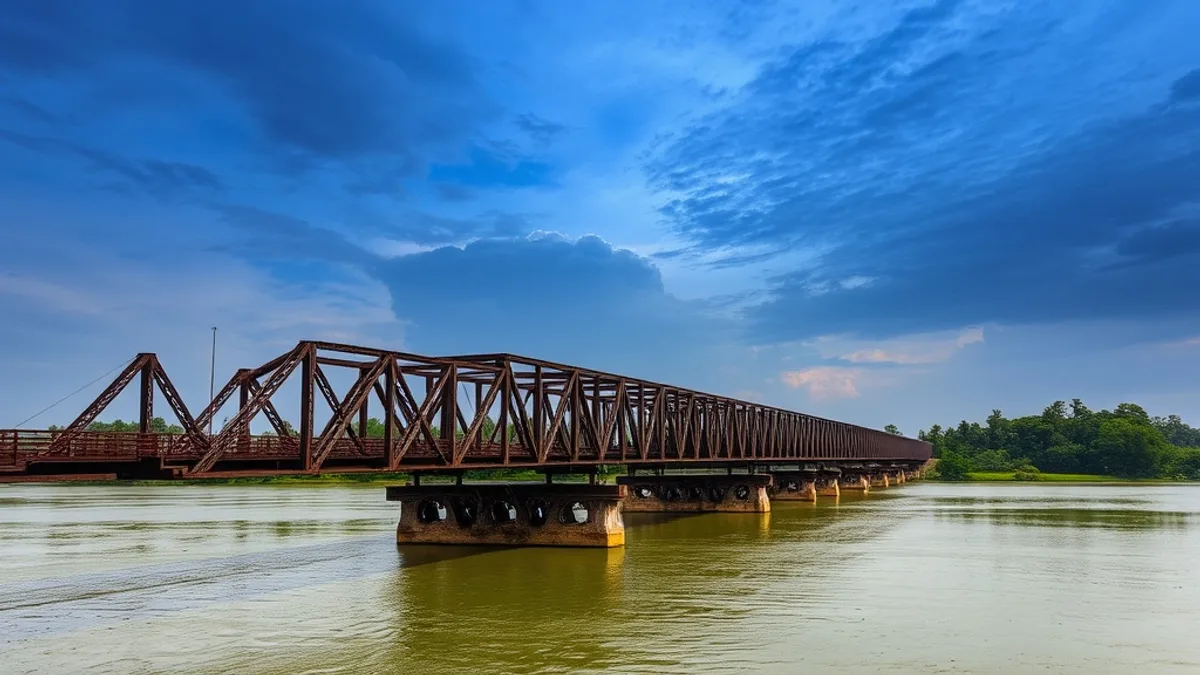
The Bridge on the River Kwai — correctly, the bridge over the Mae Klong River at the point known as the Kwai Yai — was constructed as part of the Thailand-Burma Railway, a 415-kilometre line built by the Japanese Imperial Army between October 1942 and October 1943 to supply their forces in Burma and support their planned invasion of India. The project was undertaken under extreme time pressure, in tropical jungle conditions, using a workforce of approximately 60,000 Allied prisoners of war (British, Australian, Dutch, and American) and an estimated 200,000-250,000 Asian laborers (Thai, Malay, Burmese, Javanese, and Tamil). The combination of brutal forced labor, chronic malnutrition, untreated disease — cholera, dysentery, malaria, and tropical ulcers above all — and outright violence by guards resulted in the deaths of approximately 16,000 Allied POWs and between 80,000 and 100,000 Asian laborers. The line was completed in under thirteen months, a construction pace that the Japanese proudly described as miraculous. The human cost earned it a different name: the Death Railway.
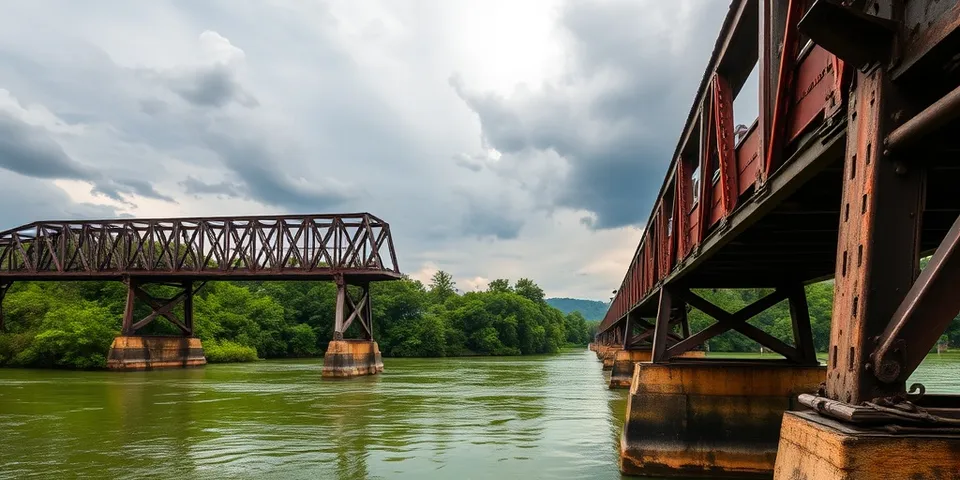
The bridge itself is a somewhat underwhelming structure physically — a modest iron railway bridge, the curved spans of which were replaced after Allied bombing in 1945, with the two straight original spans surviving. What makes it profound is context: standing on the bridge and looking down at the green river below, you are standing on something built by men who were dying. The bridge is open to pedestrians and you can walk its full length, stepping aside into alcoves when the twice-daily tourist train passes. The experience of walking across, with the river below and the jungle-covered hills beyond, is quietly devastating once you carry the history.
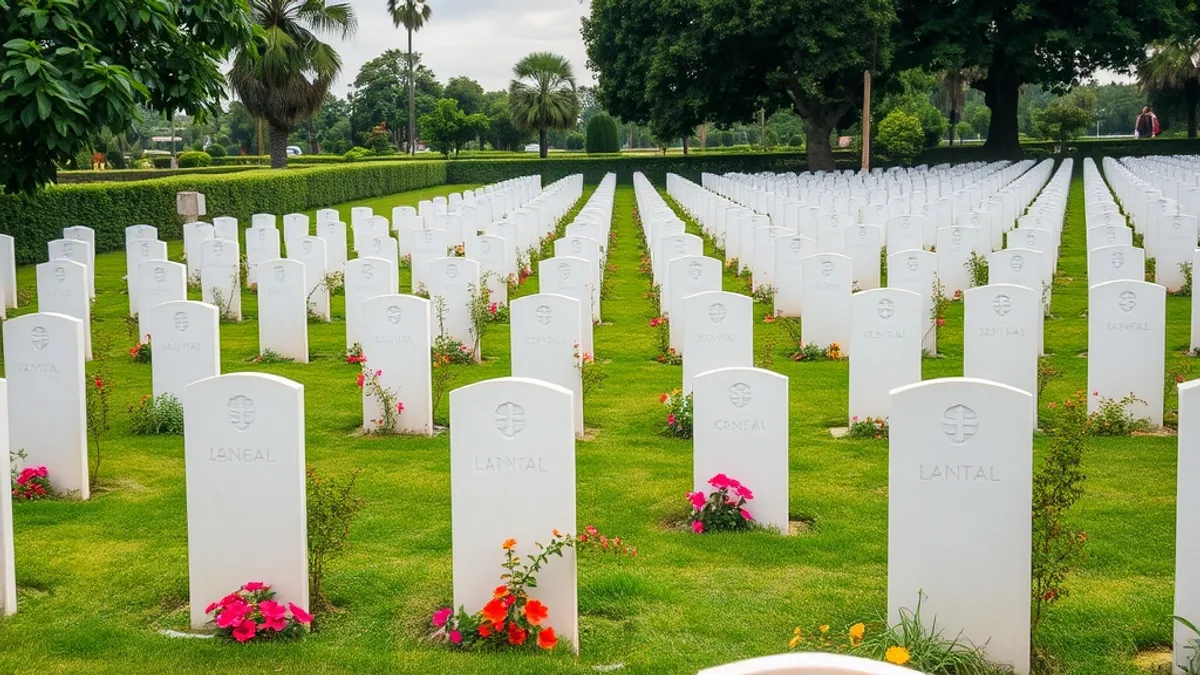
The Allied War Cemetery, maintained immaculately by the Commonwealth War Graves Commission, lies in the town a short walk from the bridge. It contains 6,982 graves, each with a simple stone marker bearing the soldier's name, rank, regiment, and age. Many are heartbreakingly young — nineteen, twenty-one, twenty-three years old. The cemetery is maintained with extraordinary care: tropical flowers bloom around every grave, the grass is perfectly trimmed, and the atmosphere of peaceful grief is undisturbed by any commercial activity. This is the most moving place in Kanchanaburi and deserves at least an hour of quiet contemplation.
The Thailand-Burma Railway Centre Museum, located near the war cemetery, is the best single historical resource in Kanchanaburi. Opened in 2003, it presents a thorough, chronological account of the railway's construction using firsthand testimony from former POWs, Japanese records, engineering drawings, personal photographs, and recovered artifacts. The museum is balanced and unflinching — it does not excuse the perpetrators while it honors the victims — and it provides essential context for understanding everything else you will see in Kanchanaburi. Allow two hours minimum.
The JEATH War Museum, established in 1977, was the first museum dedicated to the Death Railway and takes its name from the nationalities involved: Japan, England, Australia/America, Thailand, and Holland. It is housed in a reproduction of a bamboo POW hut and displays photographs, artworks by former prisoners, and personal testimonies. More graphic than the Railway Centre museum, it has an older, rawer quality that some visitors find more immediate. The Death Railway Museum elsewhere in town provides additional exhibits. Together the museums form one of the most comprehensive WWII memorial complexes in Asia.
The train journey on the Death Railway from Kanchanaburi to Nam Tok station is one of the most historically charged scenic rail journeys in Asia. The three-hour round trip (with a stop at Wang Po viaduct, where the track clings to a cliff face above the river) operates twice daily on regular State Railway of Thailand trains, not a tourist excursion, which adds to its authenticity. The section over the Wang Po viaduct — constructed partly over a rock face at the edge of the river gorge — is genuinely spectacular and was built at a terrible cost.
Highlights
- Walk across the original iron Bridge on the River Kwai and reflect on the history it carries
- Pay respects at the Allied War Cemetery — 6,982 immaculately maintained graves in a garden of remembrance
- Spend two hours at the Thailand-Burma Railway Centre Museum for the most complete account of the Death Railway
- Ride the Death Railway train from Kanchanaburi to Nam Tok on the original line built by POWs
- Experience the dramatic Wang Po viaduct section where tracks cling to cliff faces above the river
- Visit the JEATH War Museum for firsthand POW testimonies and recovered personal artifacts
- Attend the River Kwai Bridge Week in late November for light and sound shows at the bridge
- Explore both the Kanchanaburi and Chung Kai Allied War Cemeteries for different atmospheres of remembrance
- Combine bridge and museum visits with an evening at a riverside restaurant watching the sunset over the Kwai
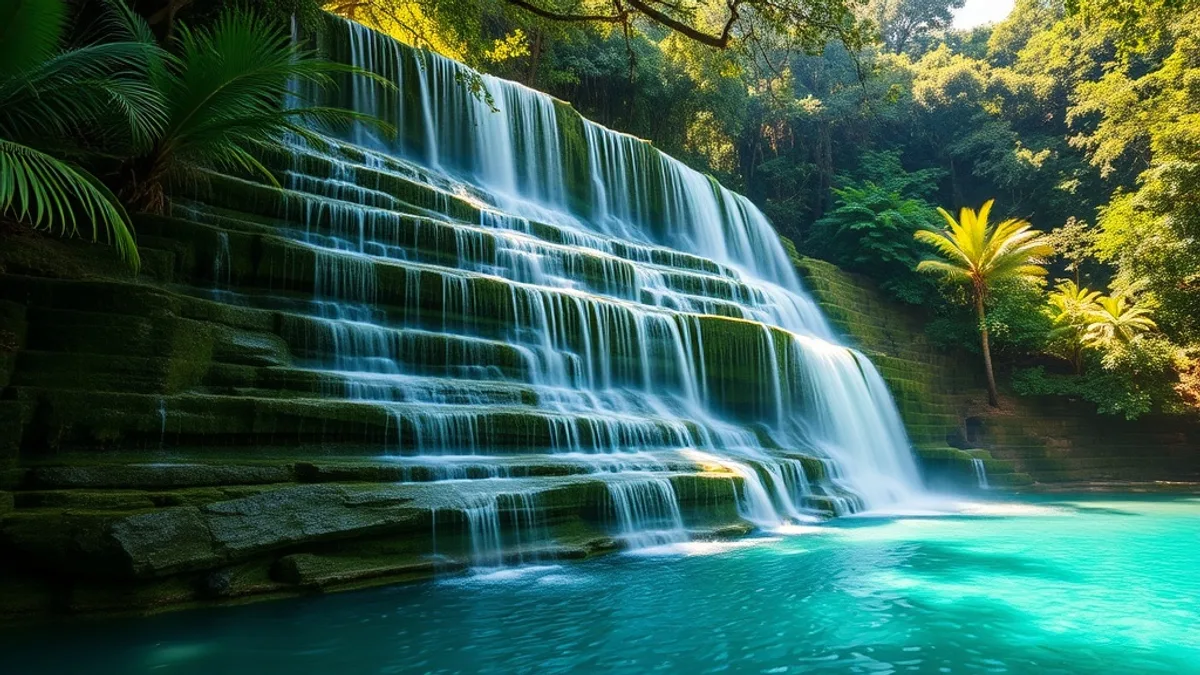
Kanchanaburi is worth visiting year-round but the most comfortable weather runs from October to February. The River Kwai Bridge Week festival in late November (typically the last week of the month) is the most theatrical time to visit, with nightly light and sound shows re-enacting the Allied bombing of the bridge, and a large market along the riverfront. The rainy season from June to September fills the river and produces dramatically green surroundings, though the famous Erawan Falls nearby are at their most spectacular in July-August. March to May can be oppressively hot — visit museums in the morning and retreat to air-conditioned spaces in the afternoon.
Practical Information
Cost Level
The bridge itself is free to walk across. The Allied War Cemetery charges no admission. The Thailand-Burma Railway Centre Museum costs 200 THB for international visitors. The JEATH War Museum charges approximately 80 THB. The Death Railway train from Kanchanaburi to Nam Tok and back costs 100-200 THB for third-class seats — no reservation needed, just buy on the platform. Kanchanaburi is reachable from Bangkok by bus for around 120 THB one way or by train for a similar price. Mid-range riverside hotels cost 600-1,500 THB per night.
Tips
Visit the Allied War Cemetery first thing in the morning when the grounds are still fresh, the light is soft, and few other visitors are present. The midday hours bring the most tour groups — use this time for museums, which are air-conditioned. The Death Railway train departs Kanchanaburi station at around 10:30 AM and 4:30 PM — the morning departure allows you to return by early afternoon and combine with museum visits. Book riverside accommodation to hear the river at night and wake to mist over the water in the cooler months.
Our creators on the ground in Kanchanaburi share their best recommendations in their videos.
Creators who cover this spot
Discover YouTube creators who feature this topic in their videos.

Adventures Joel
British adventure vlogger exploring Thailand by motorbike.

Bald and Bankrupt
British travel creator specializing in off-the-beaten-path exploration of Thai communities and culture.

Global Travel Mate
Jeroen is a Dutch expat documenting Bangkok's urban landscape through bicycle exploration and cultural observation.

Places in this Guide
Discover the attractions and locations featured in this travel guide.
Explore Kanchanaburi
Kanchanaburi
กาญจนบุรีKanchanaburi is a province steeped in both natural beauty and wartime history, best known for the Bridge over the River ...All creators from Kanchanaburi →Location & Orientation
Frequently Asked Questions
Is the current Bridge on the River Kwai the original wartime structure?
Partially. The bridge was bombed by Allied aircraft in 1944 and 1945, and the two curved central spans were destroyed and later replaced after the war. The two straight spans at either end of the bridge are original wartime construction and were built by POW labor. The current bridge is therefore a mix of original and post-war sections. The films and most popular accounts are imprecise about this — the bridge in David Lean's 1957 film was actually a constructed prop in Sri Lanka, not filmed in Thailand at all. The real bridge is a more modest structure than the dramatic cinematic version, but the historical weight it carries is far greater.
How many people died building the Death Railway?
Historical estimates place the Allied POW death toll at approximately 12,000-16,000 men out of a total workforce of around 60,000. The toll among Asian laborers — mainly Thai, Burmese, Malay, and Javanese workers, many of whom were deceived about conditions or outright conscripted — is estimated at between 80,000 and 100,000, though records were poor and the true number may be higher. The primary causes of death were cholera, malaria, dysentery, and beriberi, exacerbated by starvation rations and the brutal pace of construction, particularly during the 'Speedo' period from June to October 1943. The entire 415-kilometre railway was completed in one year at a cost that averages to roughly 250 deaths per kilometre.
Can I still ride a train on the Death Railway?
Yes. The State Railway of Thailand operates regular passenger trains on the surviving section of the Death Railway between Kanchanaburi and Nam Tok, a journey of approximately three hours each way. These are ordinary third-class trains, not tourist excursions — wooden bench seats, open windows, and the smell of the jungle coming through at speed. The most spectacular section is the Wang Po viaduct, where the track runs along a wooden trestle clinging to a cliff face directly above the river. Trains depart Kanchanaburi station twice daily in each direction. The Wang Po viaduct section alone justifies the journey.
What is the River Kwai Bridge Week festival?
The River Kwai Bridge Week is an annual festival held in the last week of November, centered on the famous iron bridge. The main attraction is a nightly light and sound show staged at the bridge, depicting the wartime construction and the Allied bombing raids using theatrical lighting, recorded narration, fireworks, and re-enacted scenes. The surrounding area fills with a large riverside fair, food stalls, cultural performances, and a market. The show runs at approximately 7:30 PM each evening during the festival week. It is popular with Thai domestic tourists and foreign visitors alike — accommodation books out early, so reservations well in advance are essential if planning to attend.
How do I get from Bangkok to Kanchanaburi?
Kanchanaburi is approximately 130 kilometres west of Bangkok and reachable by several means. The cheapest is the direct bus from Bangkok's Southern Bus Terminal (Sai Tai Mai) — buses run frequently throughout the day and the journey takes about two to two-and-a-half hours at a cost of around 100-130 THB. The train from Bangkok Thonburi station is more scenic and atmospheric — two trains daily, taking about two and a half hours, at around 100 THB for third class. Many Bangkok tour operators run organized day trips to Kanchanaburi, but an overnight stay is strongly recommended to do the museums and Death Railway train ride justice.