Introduction
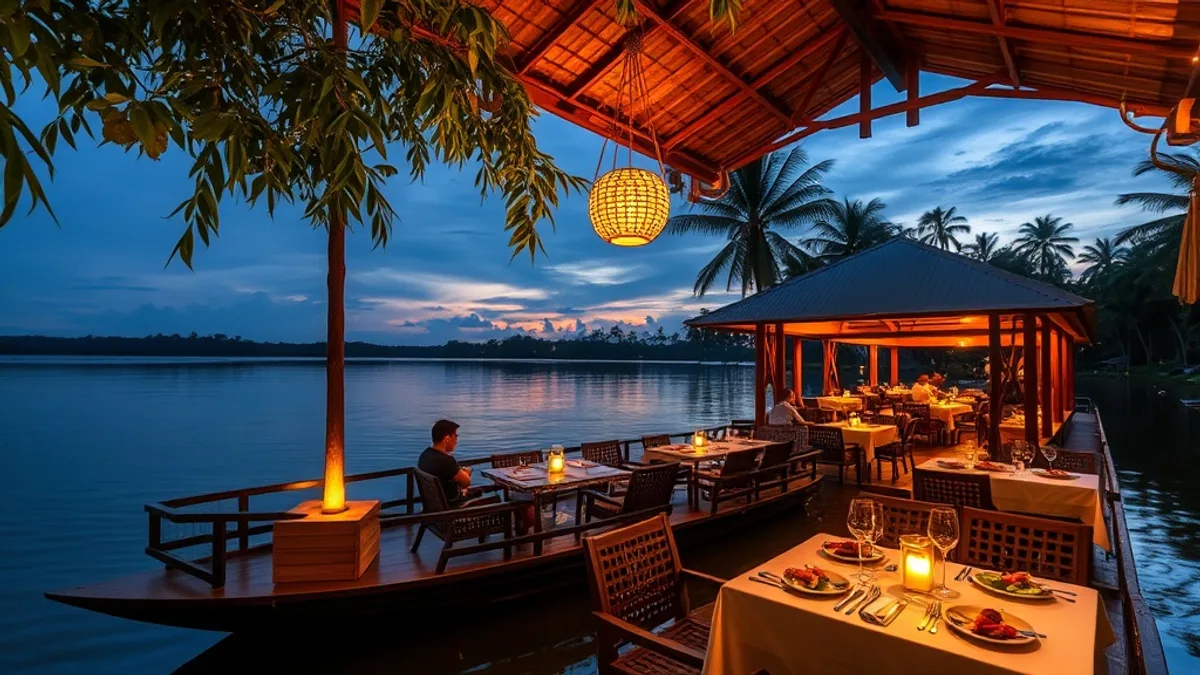
As the sun drops behind the limestone hills west of Kanchanaburi and the River Kwai shifts from green to gold to dark, the town transforms. The solemn WWII museums close for the night, the tour buses depart for Bangkok, and Kanchanaburi reverts to being what it actually is for the people who live here — a provincial river town with its own food culture, its own social rhythms, and a relationship with the water that defines daily life as much as any history. The night market along the riverside, the floating restaurants moored on the Kwai, the weekend walking street with its grilled meats and coconut pancakes: this is Kanchanaburi after dark, and it is a completely different experience from the one most visitors come for. The food here draws on the western Thai tradition with distinct influences from the Mon and Karen communities of the border region, and eating it on a raft floating over the river is one of Thailand's most pleasantly incongruous dining experiences.
Overview
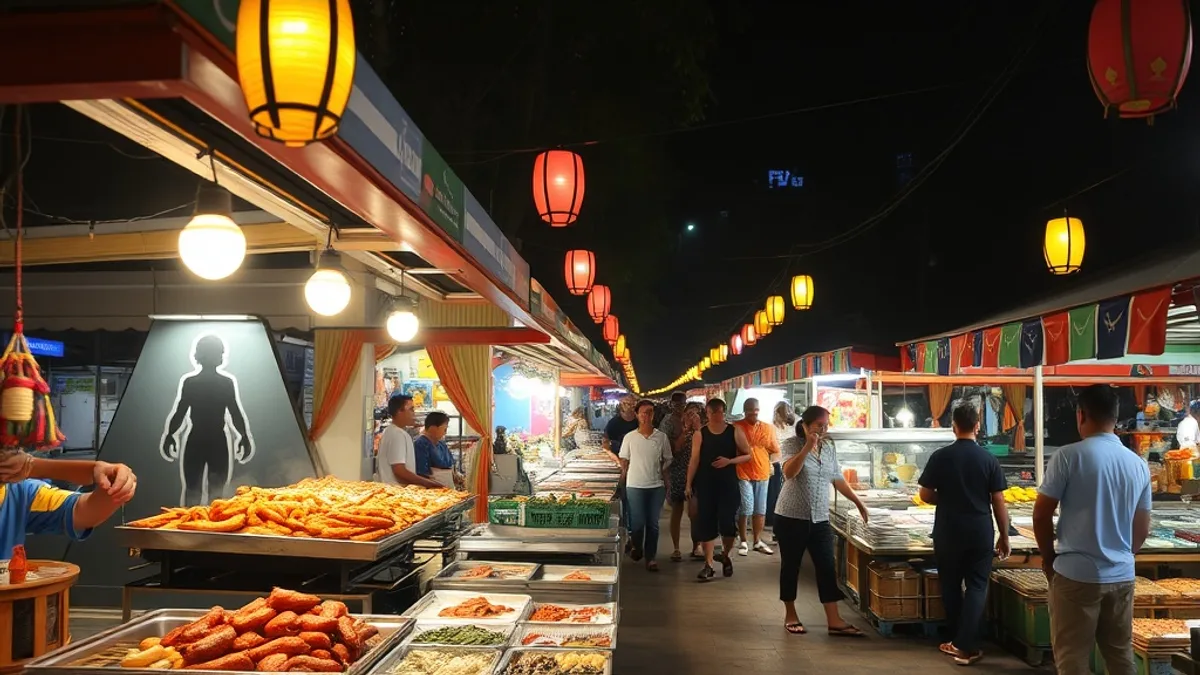
Kanchanaburi's night market occupies the area near the city centre along and adjacent to the main road parallel to the river, operating every evening from approximately 5 PM to 10 PM. The market is primarily aimed at local residents and workers rather than tourists — prices are genuine street food level, the stalls cycle through regular daily offerings rather than tourist-oriented menus, and the atmosphere is that of a working town's evening market rather than a staged experience. Grilled skewers of pork, chicken, and squid cost 10-15 THB each. Noodle soups — both boat noodles (Guay Tiew Rua) in their intensely flavoured pork bone broth and the simpler clear broth versions — run 40-60 THB per bowl. Som Tum papaya salad stalls operate alongside rice dishes and deep-fried snacks.
The weekend Walking Street market, operating on Saturday and Sunday evenings near the bridge area, is a livelier and more varied affair. Local crafts, secondhand goods, and a wider variety of food stalls join the regular street food vendors, and live music — typically a small Thai pop band on a modest stage — provides soundtrack. The Walking Street draws more visitors than the daily market but remains primarily a community gathering rather than a tourist spectacle. The best food stalls here are the ones that have been operating in the same spot for years, recognized by their queue of local regulars.
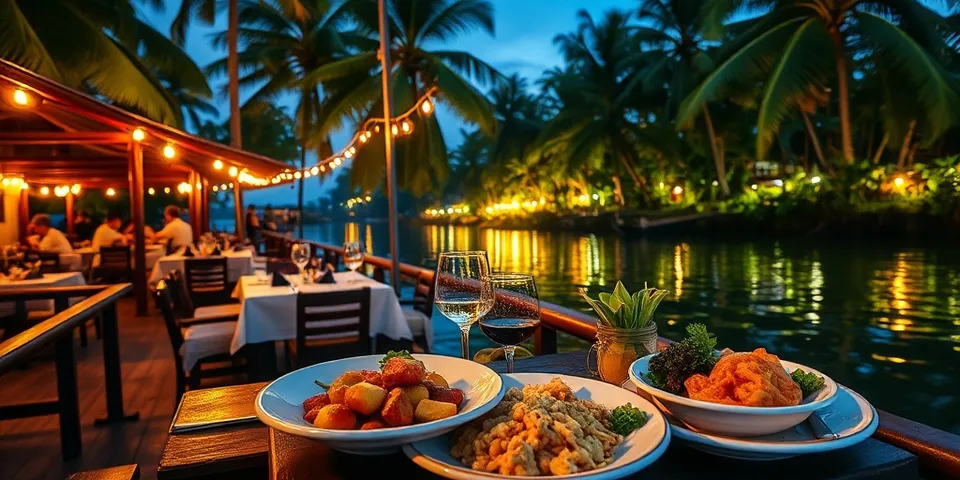
Kanchanaburi's distinctive regional dishes reflect its position at the meeting point of central Thai and border cultures. Gaeng Hanglay — a Northern/Western Thai pork belly curry of Burmese origin, slow-cooked with ginger, turmeric, and tamarind until the meat is falling apart — appears on restaurant menus but is best eaten from the stalls that make it daily in large clay pots. The flavour is deeper and more complex than central Thai curries, with less heat and more aromatic warmth. Nua Khem is salted and dried beef, a local speciality particularly associated with Kanchanaburi, traditionally sun-dried on bamboo frames — it is sold at the market and eaten as a snack or accompanying rice. Kanom Krok — coconut milk pancakes cooked in cast iron molds, crispy on the outside, soft and slightly sweet within — are ubiquitous at the night market and make the ideal between-meal snack.
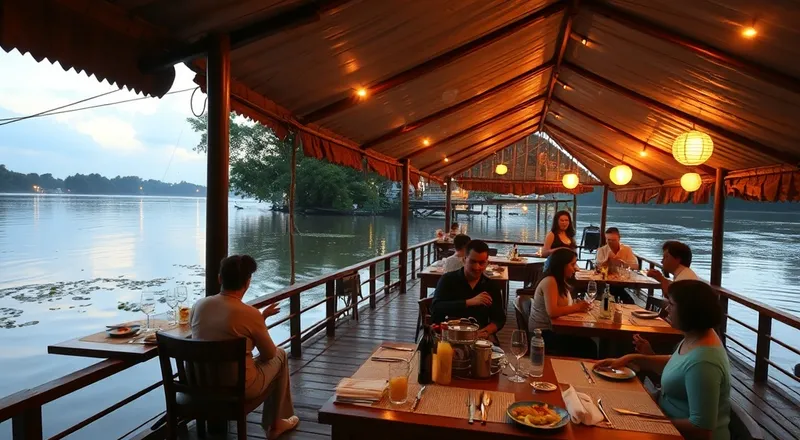
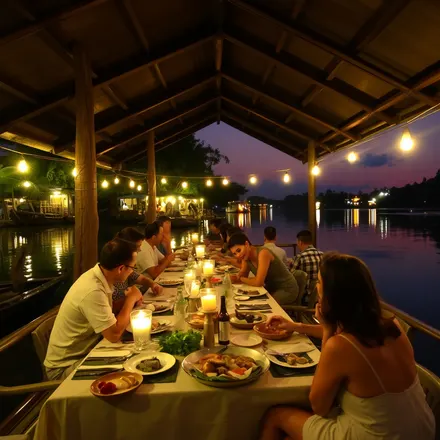
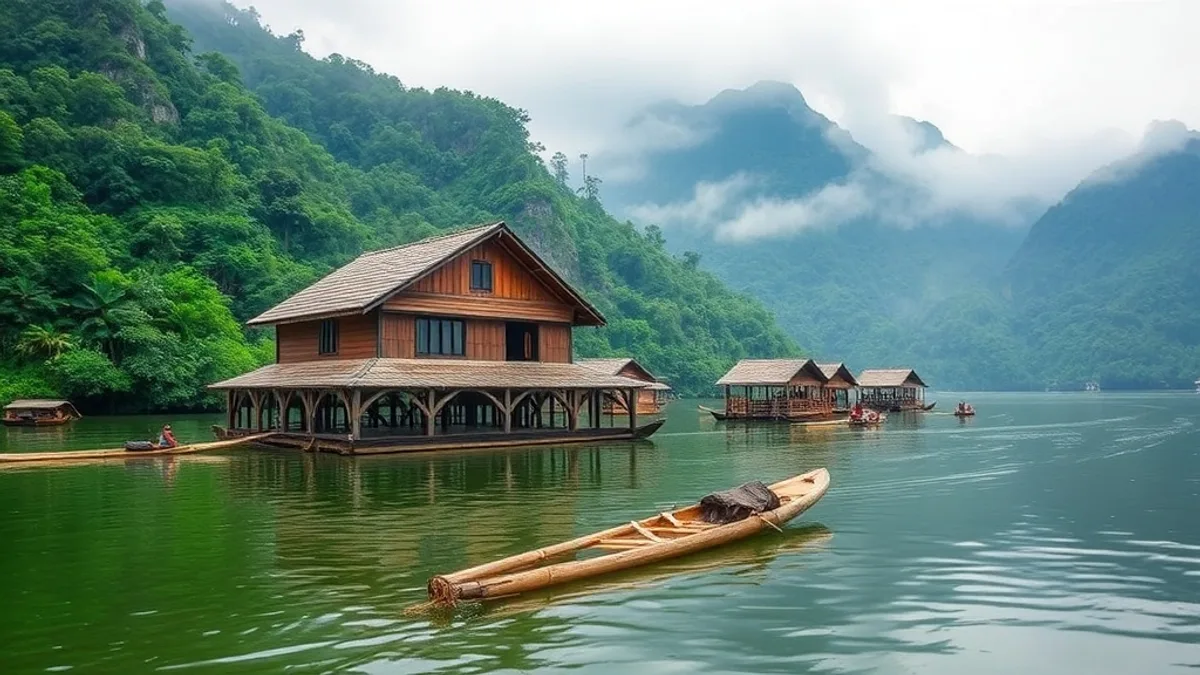
The floating restaurants moored along the Kwai Noi and Kwai Yai are among the most atmospheric dining settings in Thailand. These are not tourist gimmicks but operating restaurants on fixed pontoon structures, some of which have been in the same riverside location for twenty or thirty years. The menus are standard Thai river fish dishes — steamed whole fish in lime and chili, deep-fried snakehead fish with mango salad, river prawn dishes — alongside Chinese-Thai standards. A meal for two with drinks costs approximately 400-800 THB. The experience of eating on the water as longtail boats pass and the river darkens toward evening is difficult to replicate anywhere else in Thailand.
Local drinking culture in Kanchanaburi revolves around Chang or Leo beer (40-60 THB per bottle), and Chang Whisky — the local blended whisky, served over ice with soda water in the Thai manner — is a feature of almost every night out. The riverside bar stretch near the bridge area has a handful of small venues with live music that operate late, drawing a mixed local and traveler crowd. The music is typically Thai pop or covers of international hits, the prices are provincial rather than Bangkok-caliber, and the atmosphere is easy and unpretentious.
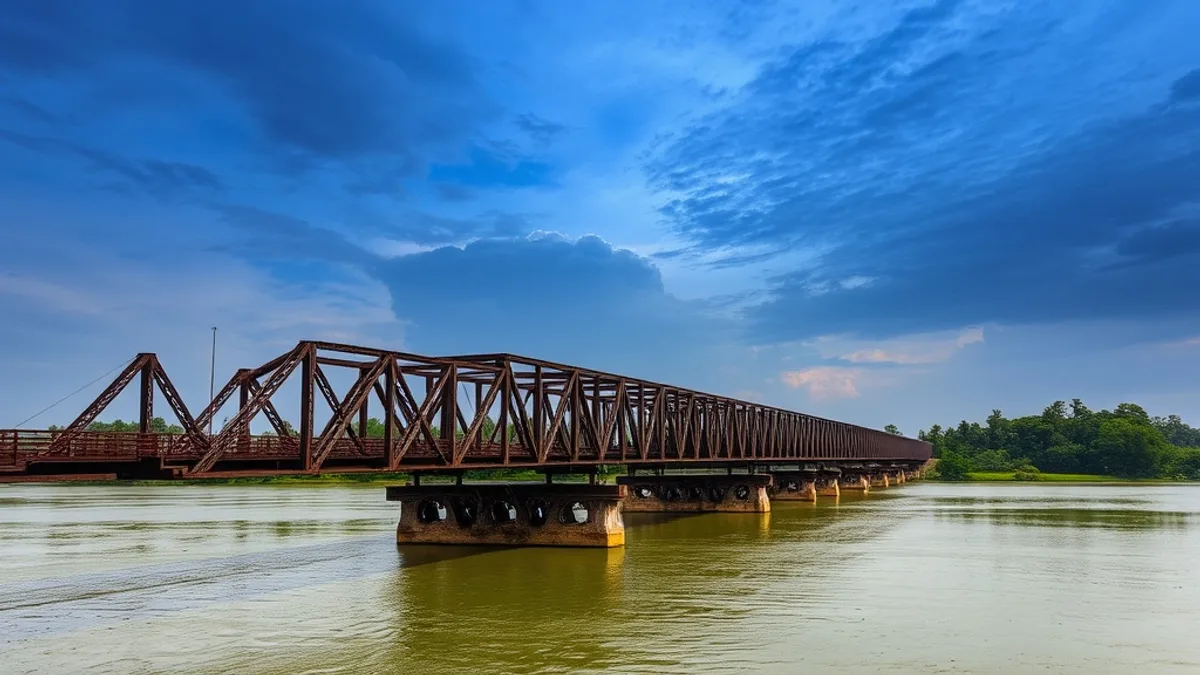
The combination of a boat dinner and a night market visit makes an ideal Kanchanaburi evening. Take a night longtail boat tour first — departing from the main riverside pier, lasting about thirty minutes, with views of the illuminated bridge and the dark river — then eat at a floating restaurant before walking the night market for dessert and snacks. Total cost for the evening including the boat trip, a full river fish dinner for two, market snacks, and drinks is approximately 600-1,200 THB per person.
Highlights
- Eat at a floating restaurant on the River Kwai — steamed fish, river prawns, and Thai curries on the water
- Try Gaeng Hanglay pork belly curry at the night market, Kanchanaburi's signature slow-cooked dish
- Taste Kanom Krok coconut pancakes fresh from cast iron molds at the daily market
- Pick up Nua Khem dried salted beef from market vendors — an authentic local speciality
- Explore the weekend Walking Street market near the bridge for local crafts and live music
- Take a night longtail boat tour to see the illuminated bridge and the dark River Kwai
- Drink Chang beer or whisky with soda at a riverside bar with views across the water
- Watch the cooking at boat noodle stalls — the Guay Tiew Rua broth is a Kanchanaburi speciality
- Combine market, floating restaurant, and night boat into a full evening on the Kwai for 600-1,200 THB
The night market operates year-round. The most pleasant outdoor eating conditions are from November to February when evening temperatures drop to 20-25 degrees Celsius — sitting by the river after dark is genuinely comfortable rather than sweaty. The rainy season from June to October brings occasional showers that can temporarily disrupt market stalls and river dining, but the floating restaurants cover their terraces and most stalls have awnings. The dry hot season from March to May is manageable in the evening when the heat of the day has dissipated, though the riverside can remain warm. The River Kwai Bridge Week in late November transforms the riverside area with additional food stalls and entertainment.
Practical Information
Cost Level
Street food at the night market: 10-15 THB per skewer, 40-60 THB per noodle bowl, 20-30 THB for Kanom Krok. Floating restaurant dinner for two with drinks: 400-800 THB total. Chang beer: 40-60 THB per bottle at riverside bars. Night longtail boat tour: approximately 150-300 THB per person (agree on price before boarding). Weekend Walking Street: similar street food prices with slightly more craft and souvenir options. The entire evening — boat tour, floating restaurant dinner for two, market snacks, drinks — can be done for under 1,500 THB for two people.
Tips
The floating restaurants fill up on weekend evenings — arrive before 7 PM to secure a riverside table with water views. For the best Kanom Krok, look for stalls where a queue of locals is already waiting — the coconut pancakes must be eaten immediately from the mold and do not transport well. Agree on a price for the night longtail boat tour before boarding and confirm the duration — 30 minutes is the standard, longer tours cost proportionally more. The daily night market is better for local food; the weekend Walking Street is better for crafts and a more festive atmosphere.
Our creators on the ground in Kanchanaburi share their best recommendations in their videos.
Creators who cover this spot
Discover YouTube creators who feature this topic in their videos.

Eat Street Repeat
Eat Street Repeat is a USA-based creator documenting Thailand's authentic street food culture since 2015.

Thai Food Quest
American food enthusiast documenting Thailand's regional cuisine from Bangkok street carts to northern hill tribe recipes.

travelventure
Marie & Jan
travelventure – Groesster deutschsprachiger Reise-Creator auf YouTube.
Places in this Guide
Discover the attractions and locations featured in this travel guide.
Explore Kanchanaburi
Kanchanaburi
กาญจนบุรีKanchanaburi is a province steeped in both natural beauty and wartime history, best known for the Bridge over the River ...All creators from Kanchanaburi →Location & Orientation
Frequently Asked Questions
What is Gaeng Hanglay and where can I find the best version in Kanchanaburi?
Gaeng Hanglay is a slow-cooked pork curry of Burmese-Shan origin that has become deeply embedded in the food cultures of western and northern Thailand. The dish uses pork belly or shoulder cooked for several hours with ginger, galangal, turmeric, tamarind, shallots, garlic, and a complex dry spice mix that typically includes coriander seed, cumin, and chili. The result is a rich, deeply savory curry with minimal heat and pronounced aromatic warmth. In Kanchanaburi the best versions are found at the daily night market from stalls that have been cooking the same recipe for decades — look for the stalls with clay pots over charcoal, usually near the centre of the market. A single serving with rice costs around 50-70 THB.
Are the floating restaurants on the River Kwai genuinely good, or are they tourist traps?
The quality varies, but the best floating restaurants in Kanchanaburi are genuinely excellent and primarily serve Thai locals rather than tourists. The river fish dishes — whole steamed fish in lime and chili broth, deep-fried snakehead fish with spicy salad, grilled river prawns — are among the freshest and best-prepared in the region, sourced daily from local fishermen on the Kwai Noi. Avoid the largest, most conspicuously tourist-oriented floating restaurants near the bridge and instead walk fifteen to twenty minutes upstream along the riverside where smaller family-run establishments serve the same food at better prices with fewer trinkets on the tables. A full meal for two with Chang beer costs 400-600 THB at these venues.
What is Nua Khem and how is it traditionally made?
Nua Khem is a traditional Thai preserved beef product made by cutting beef into thin slices, rubbing generously with salt and sometimes fish sauce, and drying in direct sunlight on bamboo frames for one to two days. The drying intensifies the flavor, concentrates the protein, and produces a firm, chewy texture. Once dried, the beef is typically deep-fried briefly in oil which puffs and crisps the exterior while keeping the interior tender. It is eaten as a snack with sticky rice or as an accompaniment to main meal dishes. Kanchanaburi-style Nua Khem tends to be less heavily salted than versions from the northeast, with a slightly sweeter note from the drying process. The best is made by market vendors who produce it daily and sell it fresh-fried.
Is there live music in Kanchanaburi and where?
Yes. Kanchanaburi has a modest but genuine live music scene concentrated along the riverside bar strip near the bridge area. Small venues with simple stages host Thai pop bands, acoustic sets, and covers of both Thai and international music from around 8 PM until midnight or later. The music is primarily Thai pop and mor lam in style, with occasional rock or reggae influences depending on the venue. The atmosphere is local and unpretentious — these are bars for Kanchanaburi residents who want a beer and live music rather than international-tourist-oriented nightlife. The weekend Walking Street also features live musical performances, typically from 7 PM.
What is the night boat tour on the River Kwai like and how do I book one?
Night longtail boat tours depart from the main riverside pier area near the bridge in the evenings, typically from around 6 PM onwards. The tours last approximately 30-45 minutes and cruise the river past the illuminated bridge, floating restaurants, and dark jungle banks. The combination of water reflections, warm lighting from the raft houses and restaurants, and the cool evening air on the river is genuinely atmospheric. Boats are available for private hire by negotiation directly at the pier — agree on price and duration before boarding. A reasonable price for a private boat carrying up to six people for 30 minutes is 300-500 THB total. No advance booking is required; simply walk to the pier in the evening.