Introduction
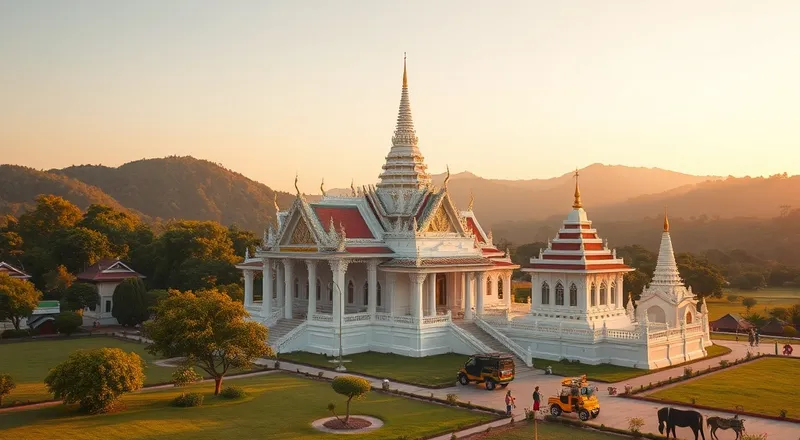
Chiang Rai sits at Thailand's northernmost frontier, a province where misty mountains, ancient hill tribe cultures, and visionary contemporary art converge in unexpected ways. Most visitors arrive with the White Temple on their must-see list, but quickly discover that this small city punches far above its weight in cultural richness. Artist Chalermchai Kositpipat's dazzling Wat Rong Khun is just the starting point — the Blue Temple, the Black House museum, and a growing collection of artist-driven attractions have transformed Chiang Rai into an open-air gallery unlike anywhere else in Thailand. Beyond the art, the province offers the legendary Golden Triangle where Thailand meets Laos and Myanmar, hill tribe villages where traditional ways of life persist, and tea plantations carpeting mountainsides in neat green rows. Cooler temperatures and a slower pace make Chiang Rai a welcome counterpoint to the heat and intensity of Thailand's more famous tourist centers. This guide explores the essential sights, practical logistics, and hidden gems that make Chiang Rai one of northern Thailand's most rewarding destinations.
Overview
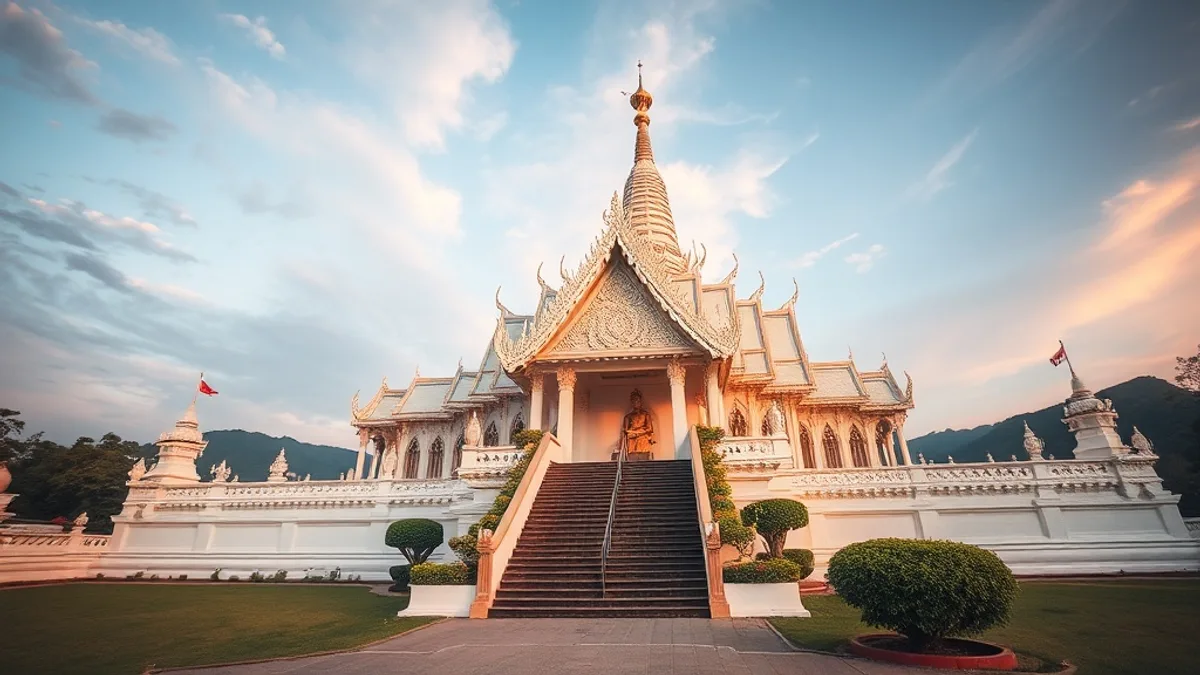
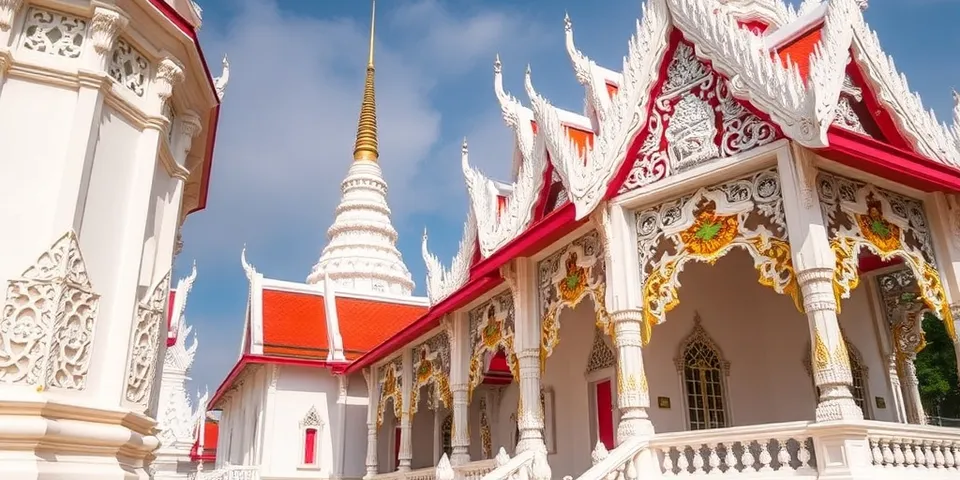
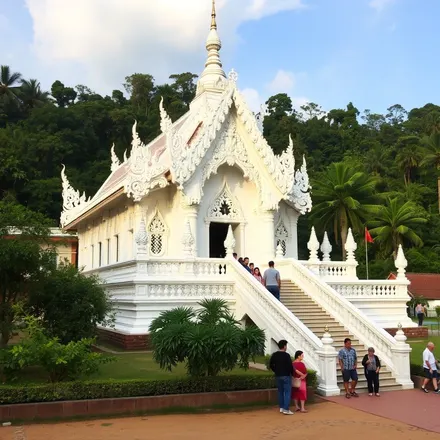
Wat Rong Khun, universally known as the White Temple, stands as the masterwork of national artist Chalermchai Kositpipat, who began construction in 1997 and continues to add elements to this day with a planned completion around 2070. The temple is designed entirely in white with mirrored glass fragments creating a shimmering effect that symbolizes the purity of Buddha's teachings. Approaching the main hall, visitors cross a bridge flanked by hundreds of sculpted hands reaching upward from a symbolic hell — a dramatic and haunting entry that has made the temple one of the most photographed buildings in Thailand. Inside, the murals blend traditional Buddhist imagery with startlingly modern pop culture references, from Hollywood superheroes to space shuttles, creating a commentary on desire and temptation that surprises first-time visitors. The temple grounds include gardens, ponds, and a golden building housing the restrooms — themselves an elaborate work of art. No admission fee is charged for Thai visitors, while international visitors pay a modest 100 THB entrance fee.
Across town, the Blue Temple — Wat Rong Suea Ten — offers a completely different artistic vision. Built on the site of an ancient ruined temple, its electric blue interior features a massive white seated Buddha surrounded by elaborate murals painted by Putha Kabkaew, a student of Chalermchai. The temple is free to enter and significantly less crowded than its white counterpart, making it an excellent early morning visit when light streams through the decorative windows. The Black House, or Baan Dam Museum, is the creation of the late artist Thawan Duchanee. This sprawling complex of over forty dark wooden and black-painted structures houses a provocative collection of animal skins, bones, horns, and artistic installations that explore themes of death and darkness — a deliberate artistic contrast to the White Temple's focus on spiritual purity. The grounds feel like wandering through a surreal dream, part traditional Lanna architecture and part avant-garde gallery.
The Golden Triangle, where the Mekong and Ruak rivers converge to form the border between Thailand, Laos, and Myanmar, lies about an hour northeast of Chiang Rai city. Once infamous for opium production, the region has reinvented itself with the Hall of Opium museum documenting the history and impact of the drug trade, a massive golden Buddha statue overlooking the river junction, and boat trips across to the Laotian side for a brief passport-stamped visit. The area surrounding Chiang Rai offers excellent opportunities to visit hill tribe communities, though responsible tourism practices are essential. The Yao, Akha, and Lahu peoples maintain villages in the surrounding mountains, and several community-based tourism programs allow respectful visits that directly benefit the villages. Singha Park, the sprawling estate owned by the beer brand, provides a family-friendly day out with tea and coffee plantations, zip-lining, cycling routes, and a small zoo set against a mountain backdrop.
Highlights
- Marvel at the shimmering White Temple and its modern pop-culture murals blending Buddhist and contemporary art
- Explore the electric blue interior and serene white Buddha of the uncrowded Blue Temple
- Wander the surreal Black House museum complex with its collection of dark art installations
- Stand at the Golden Triangle viewpoint where Thailand, Laos, and Myanmar meet at the river confluence
- Taste locally grown tea and coffee at plantations on the cool mountain slopes around Chiang Rai
- Visit hill tribe villages through responsible community-based tourism programs
- Photograph the ornate Wat Huay Pla Kang with its towering white Guan Yin statue
- Browse the lively Chiang Rai Night Bazaar for handicrafts, street food, and live music
November to February delivers Chiang Rai's most pleasant weather with cool mornings, clear skies, and daytime temperatures around 25-28 degrees Celsius. December and January can see nighttime temperatures drop below 15 degrees in the city and even colder in the mountains — bring a jacket. March to May is the hot and smoky season as agricultural burning fills the air with haze. June to October brings rain but also lush green landscapes and fewer tourists.
Practical Information
Cost Level
Chiang Rai is very affordable compared to southern beach destinations. Guesthouses start at 300-500 THB, mid-range hotels run 800-1,500 THB. Street food meals cost 40-80 THB, sit-down restaurants 100-250 THB. White Temple entry is 100 THB for foreigners, Blue Temple and Black House each around 80-100 THB. A hired car with driver for a full day covering the major temples runs 1,500-2,000 THB. Golden Triangle day trips cost 1,000-1,800 THB from town.
Tips
Visit the White Temple right when it opens at 8 AM to beat the tour bus crowds that arrive from Chiang Mai mid-morning. Pair the White Temple with the Blue Temple and Black House in a single morning circuit — they form a natural artistic trilogy. For the Golden Triangle, combine with a visit to the Hall of Opium museum which requires at least two hours to explore properly. Rent a motorbike to explore the countryside at your own pace, but be prepared for winding mountain roads.
Our creators on the ground in Chiang-rai share their best recommendations in their videos.
Places in this Guide
Discover the attractions and locations featured in this travel guide.
Explore Chiang Rai
Chiang Rai
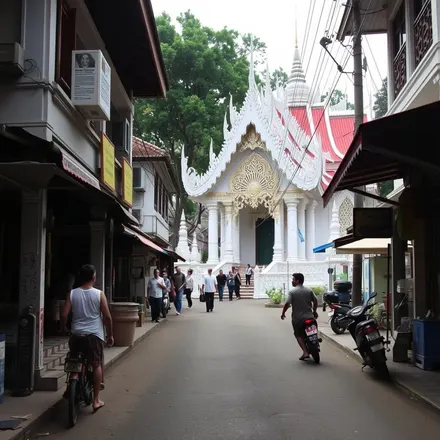
เชียงรายChiang Rai is northern Thailand's cultural gem, sitting at the crossroads of Thailand, Laos, and Myanmar at the famed Go...All creators from Chiang Rai →Location & Orientation
Frequently Asked Questions
Can I visit Chiang Rai as a day trip from Chiang Mai?
Yes, day trips from Chiang Mai are common and many tour operators offer them. The drive takes about three hours each way via the modern highway. A typical day trip covers the White Temple, Blue Temple, Black House, and sometimes a tea plantation. However, this pace is rushed and leaves little time at each stop. Staying at least one or two nights in Chiang Rai allows you to add the Golden Triangle, night bazaar, and explore at a more relaxed pace.
How much time should I spend in Chiang Rai?
Two full days is the minimum to cover the essential art temples and the Golden Triangle without feeling rushed. Three days allows you to add hill tribe visits, Singha Park, and the night bazaar. Visitors interested in trekking or exploring the mountain scenery around Doi Mae Salong and Doi Tung should plan four to five days. The city itself is compact and walkable, so you spend less time on urban logistics than in larger Thai cities.
Is the White Temple a real functioning temple?
Yes, Wat Rong Khun is a functioning Buddhist temple where monks reside and religious ceremonies take place. However, it is primarily famous as an art installation and the personal vision of artist Chalermchai Kositpipat, who self-finances its construction. Unlike traditional Thai temples that follow strict architectural rules, the White Temple freely mixes classical Buddhist elements with contemporary art, making it unique in the country. Visitors should still dress respectfully with covered shoulders and knees.
What is the Golden Triangle like today?
The Golden Triangle has transformed completely from its opium-producing past into a peaceful tourist and commercial zone. The Thai side features a large golden Buddha statue, the informative Hall of Opium museum, riverside restaurants, and boat trips. You can take a short longtail boat ride to a Laotian market island for souvenirs. The viewpoint where the three countries meet is scenic but the area is quite commercialized. The Hall of Opium museum is the genuine highlight and well worth the visit.
What should I wear when visiting temples in Chiang Rai?
All temples in Chiang Rai require modest dress: covered shoulders and knees for both men and women. The White Temple is particularly strict about this — sarong wraps are sometimes available at the entrance but it is better to come prepared. Shoes must be removed before entering any temple building. Lightweight long trousers or a maxi skirt with a t-shirt covering the shoulders is the easiest approach for temple-hopping across the city.