Introduction
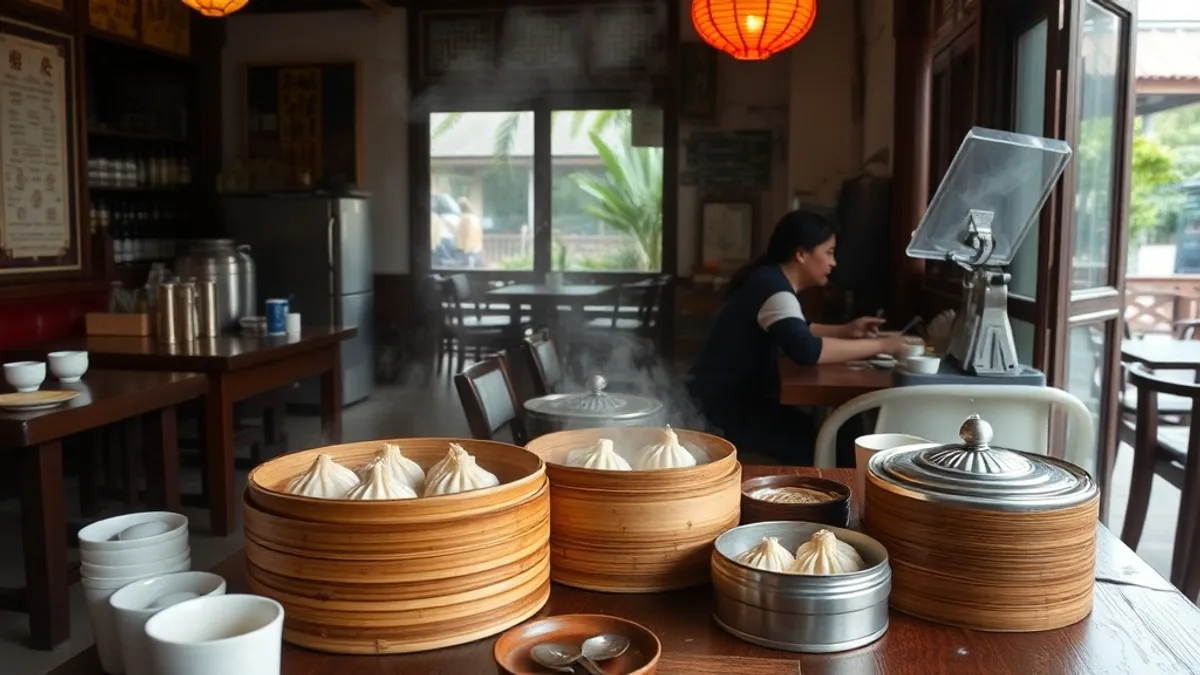
Trang is famous across Thailand for two things: the extraordinary island archipelago off its Andaman coast, and its morning dim sum. The second of these surprises virtually every visitor who encounters it for the first time. Dim sum — the Cantonese tradition of small steamed and fried dumplings, buns, and pastries served in bamboo steamers — exists in various forms across Thailand's Chinese-heritage cities, but nowhere outside Trang does it function as the defining daily ritual of an entire community in quite the way it does here. In the traditional Hokkien Chinese coffee shops that line the older streets of Trang town, the morning dim sum service begins before 6 AM and operates on a first-come-first-served basis until the day's supply is sold out — typically by 10 AM, and often considerably earlier on weekends. This is not a tourist attraction. It is breakfast, and the social cornerstone of daily life for a significant part of Trang's population.
Overview
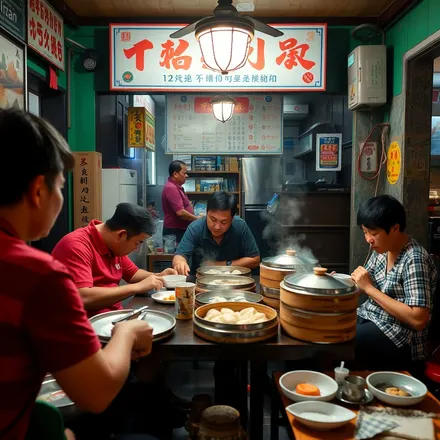
The roots of Trang's dim sum tradition reach back to the 19th century, when Hokkien Chinese immigrants arrived in the town in substantial numbers as part of the broader movement of southern Chinese communities throughout the Malay Peninsula and Gulf of Thailand region. These immigrants brought with them a food culture built around rice, pork, and the morning coffee-and-pastry rituals of the kopitiam — the traditional Chinese coffee shop that remains the social hub of Chinese-Thai communities across peninsular Thailand to this day. In Trang, however, the morning food tradition evolved with a particular emphasis on dim sum that was absent or less developed in other Thai cities of similar heritage. The result, sustained across multiple generations, is a breakfast culture entirely unlike anything found elsewhere in Thailand: local residents ordering rounds of steamed baos, char siu buns, taro dumplings, and turnip cakes alongside glasses of kopi — strong robusta coffee poured from a cloth sock filter over sweetened condensed milk — in the wood-panelled interior of coffee shops that have changed remarkably little in seventy years.
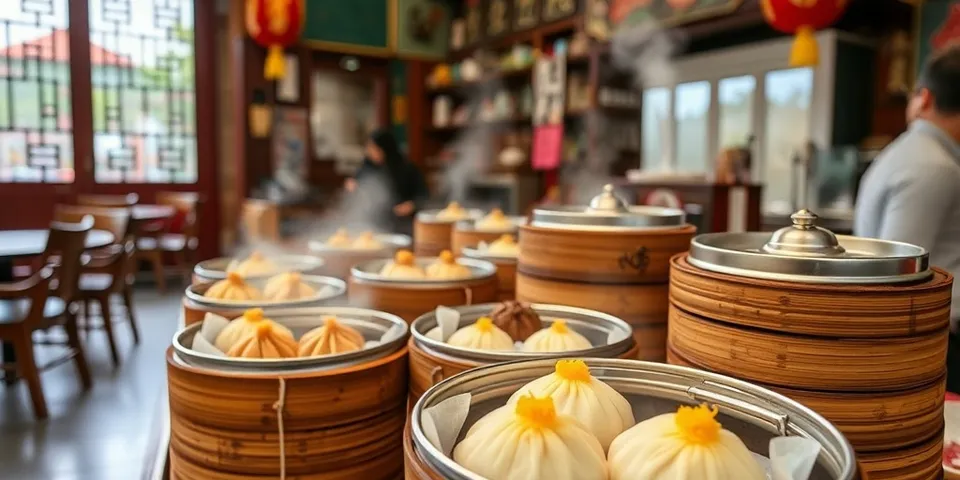
The Trang dim sum repertoire is distinct from the Cantonese versions familiar to international visitors. The Hokkien influence produces a style that is somewhat less delicate than Hong Kong dim sum and rather more generously flavoured — the char siu pork filling is sweeter and more intensely seasoned, the steamed baos (salapao) have a denser, chewier texture, and the taro dumplings include a crispy fried exterior that produces a textural contrast absent in the steamed version. Specific Trang dim sum items to seek include the Ku Chai fried chive dumplings (a Trang speciality rarely found in this quality elsewhere), the crispy deep-fried taro cakes (wu gok-style with a web-like exterior and savoury pork filling), and the turnip or radish cake (chai tow kway) served fried until the exterior is golden and slightly caramelised. Prices are deliberately, almost defiantly affordable: individual dim sum pieces run 15-30 THB, a comprehensive dim sum breakfast for two costs 150-250 THB, and the kopi coffee is 25-35 THB per glass.
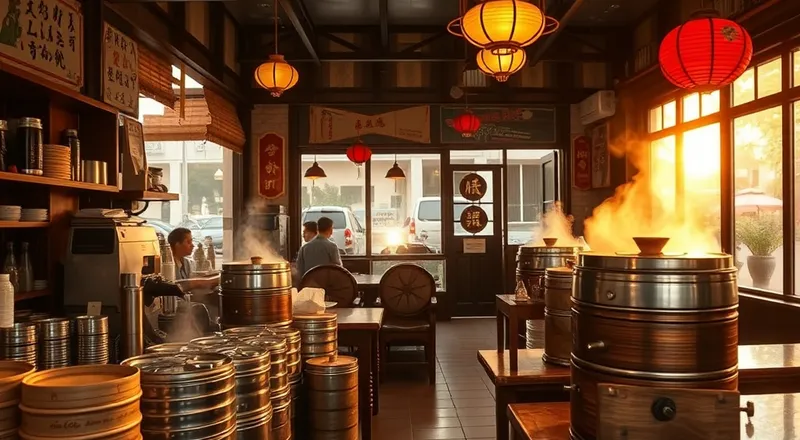
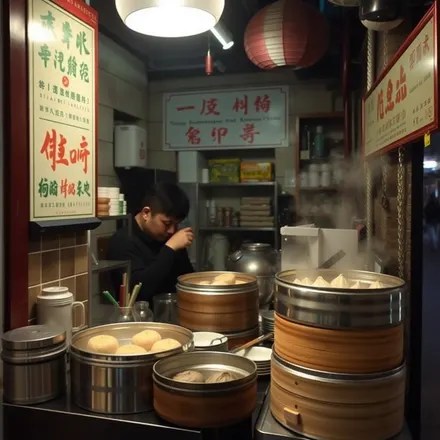
The most celebrated dim sum establishments in Trang are Koh Teng (a third-generation family operation on Viset Road that has been serving the same morning menu since the 1950s) and Anong (slightly more accessible to first-time visitors but no less authentically local). At Koh Teng, the atmosphere is an education in itself: the original wood-and-tile interior, the rows of bamboo steamers stacked behind the counter, the practised efficiency of the family working the kitchen in a space that is almost comically small given the volume of food it produces. Tables fill quickly after 7 AM on weekdays and by 6:30 AM on weekends — arrive early or prepare to stand. The ordering process at traditional Trang dim sum shops involves visiting the counter to select from whatever is currently available rather than ordering from a menu, as the range changes throughout the morning as items sell out.
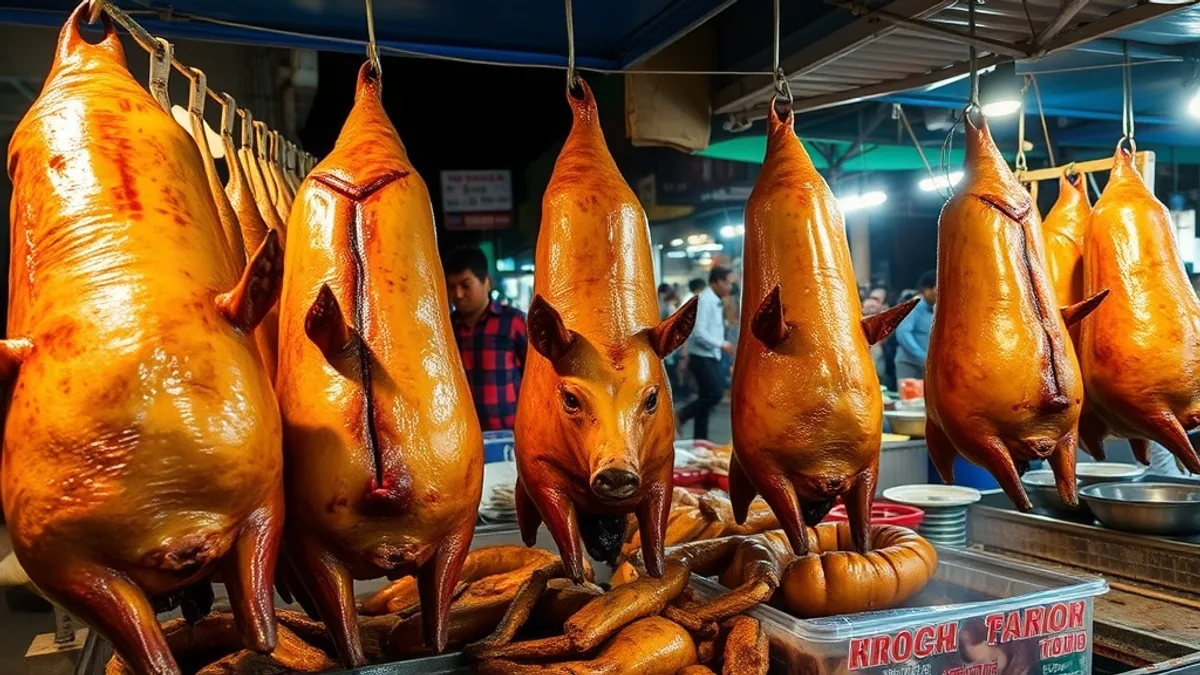
Trang's Chinese food culture extends well beyond dim sum into a broader daily food landscape worth exploring. The town has several excellent roast duck and char siu shops operating from mid-morning, where hanging lacquered ducks and glistening pork collar cuts are sliced to order over jasmine rice — a lunch tradition that represents exceptional value at 60-80 THB per plate. Chinese New Year in Trang transforms the town dramatically for the two-week festival period: paper lanterns fill the streets of the Chinese district, lion dance performances occupy the courtyards of Chinese temples, and the food scene expands with special seasonal dishes available only during the festival that food-focused visitors time their Trang visits specifically to coincide with.
Highlights
- Koh Teng coffee shop — the third-generation institution at the heart of Trang's morning dim sum tradition since the 1950s
- Ku Chai fried chive dumplings — a Trang Hokkien speciality rarely found in this quality anywhere else in Thailand
- Crispy fried taro cakes (wu gok-style) — web-like exterior, savoury pork filling, and a textural contrast unique to Trang's style
- Kopi coffee poured through a cloth sock filter over condensed milk — the non-negotiable morning companion to dim sum
- Individual dim sum pieces at 15-30 THB — a comprehensive breakfast for two at 150-250 THB
- Anong dim sum shop — slightly more accessible entry point for first-time visitors to Trang's morning food tradition
- Turnip cake (chai tow kway) fried golden and caramelised — a Trang morning staple with satisfying crunch
- Roast duck and char siu shops operating from mid-morning — lacquered duck over rice for 60-80 THB
- Chinese New Year festival — lion dances, lanterns, and seasonal dim sum dishes available nowhere else in the year
The Trang dim sum morning service runs from approximately 5:30-6 AM until sold out — typically by 9-10 AM on weekdays and by 8-8:30 AM on weekends. The ideal visiting time is between 7 and 8 AM on a weekday morning, when the full range of items is still available and the social atmosphere of the coffee shops is at its peak. Arriving after 9 AM significantly limits your options. The Chinese New Year period (late January or February depending on the lunar calendar) represents the pinnacle of Trang's Chinese food culture and is worth planning a visit around specifically for food enthusiasts.
Practical Information
Cost Level
Trang dim sum is among the most extraordinary food value experiences in Thailand. Individual dim sum pieces: 15-30 THB each. A comprehensive dim sum breakfast sampling 8-10 different items: 150-250 THB per person. Kopi coffee: 25-35 THB. Iced Thai tea: 20-30 THB. Roast duck over rice for lunch: 60-80 THB. Char siu pork rice: 55-75 THB. A full morning food circuit including dim sum breakfast, mid-morning coffee, and a roast duck lunch costs approximately 300-400 THB per person — a remarkable quantity and quality of food for the price.
Tips
Visit the traditional dim sum shops (Koh Teng, Anong) before the tourist-facing cafes in Trang town that may offer dim sum as a menu item at higher prices. At the counter-service establishments, point confidently at what you want — the vendors are experienced with non-Thai-speaking visitors and the language barrier is minimal. Order more than you think you need: the pieces are small and the range of items is the point. Never skip the kopi — the coffee at the traditional Trang kopitiam is genuinely outstanding by any standard and integral to the morning ritual. Bring cash in small denominations as traditional kopitiam shops rarely accept cards.
Our creators on the ground in Trang share their best recommendations in their videos.
Creators who cover this spot
Discover YouTube creators who feature this topic in their videos.
Eat Street Repeat
Eat Street Repeat is a USA-based creator documenting Thailand's authentic street food culture since 2015.
Mark Wiens
American food travel creator based in Bangkok specializing in cinematic Thai street food and culinary documentation.
Thai Food Quest
American food enthusiast documenting Thailand's regional cuisine from Bangkok street carts to northern hill tribe recipes.
Places in this Guide
Discover the attractions and locations featured in this travel guide.
Explore Trang
Trang
ตรังTrang is one of southern Thailand's best-kept secrets, offering pristine islands, hidden beaches, and a unique culinary ...All creators from Trang →Location & Orientation

Frequently Asked Questions
How is Trang's dim sum different from Chinese dim sum in Bangkok or Hong Kong?
Trang's dim sum tradition is rooted in the Hokkien (Fujian) Chinese immigrant community rather than in the Cantonese tradition that dominates most international dim sum restaurants. Hokkien dim sum tends toward heartier, more intensely flavoured preparations: the baos are denser and chewier, the pork fillings are sweeter and more robustly seasoned, and several items are unique to this tradition — particularly the fried chive dumplings and the style of turnip cake preparation. The kopitiam setting — traditional coffee shop with wooden furniture and cloth-filtered robusta coffee — is also distinctly Hokkien-Peranakan rather than the purpose-built yum cha restaurant format of Cantonese tradition. The social experience of morning dim sum in Trang feels closer to a traditional Southeast Asian coffee shop than to a Hong Kong dim sum palace.
Is Koh Teng the only good dim sum shop in Trang?
Koh Teng is the most celebrated, but Trang has several other traditional dim sum coffee shops worth visiting. Anong is frequently recommended alongside Koh Teng and has a slightly more relaxed atmosphere that some first-time visitors find easier to navigate. Several unnamed traditional kopitiam on the streets around the Trang clock tower area and along the older Chinese shophouse streets serve morning dim sum of comparable quality to the famous names. The general principle is that any traditional coffee shop with stacked bamboo steamers visible behind the counter is likely to be serving authentic morning dim sum — the famous name establishments simply have the most consistent historical reputation.
What should I definitely order at a Trang dim sum shop?
The essential Trang dim sum order covers five items: the salapao (steamed bao with char siu pork filling — assess the quality of the dough texture as a general indicator), the Ku Chai fried chive dumpling (the most distinctly Trang item in the repertoire), the taro cake either steamed or fried, the char siu bun in its slightly crispier baked version if available, and the turnip cake fried on the griddle. Alongside these, order one glass of kopi (hot or iced) and, if available, a Por Pia Tod spring roll from whoever is frying them near the front counter. This selection samples the full range of the tradition and costs approximately 150-200 THB per person.
Do the traditional dim sum shops in Trang have English menus?
The majority of traditional Trang kopitiam dim sum shops do not have English menus, and several have no menu in any language — ordering is done by pointing at visible items or approaching the steamer counter and indicating what you want. This sounds daunting but is actually quite manageable: the range of items is limited, everything is visually identifiable, and the vendors are experienced with non-Thai-speaking visitors. Having the Thai names of a few key items written down is useful (ซาลาเปา for salapao, กุยช่าย for ku chai, เผือก for taro cake), but pointing and nodding is the primary ordering technology and works reliably. Staff at the more well-known establishments often have some English.
Is there anything to do in Trang town beyond the dim sum and food scene?
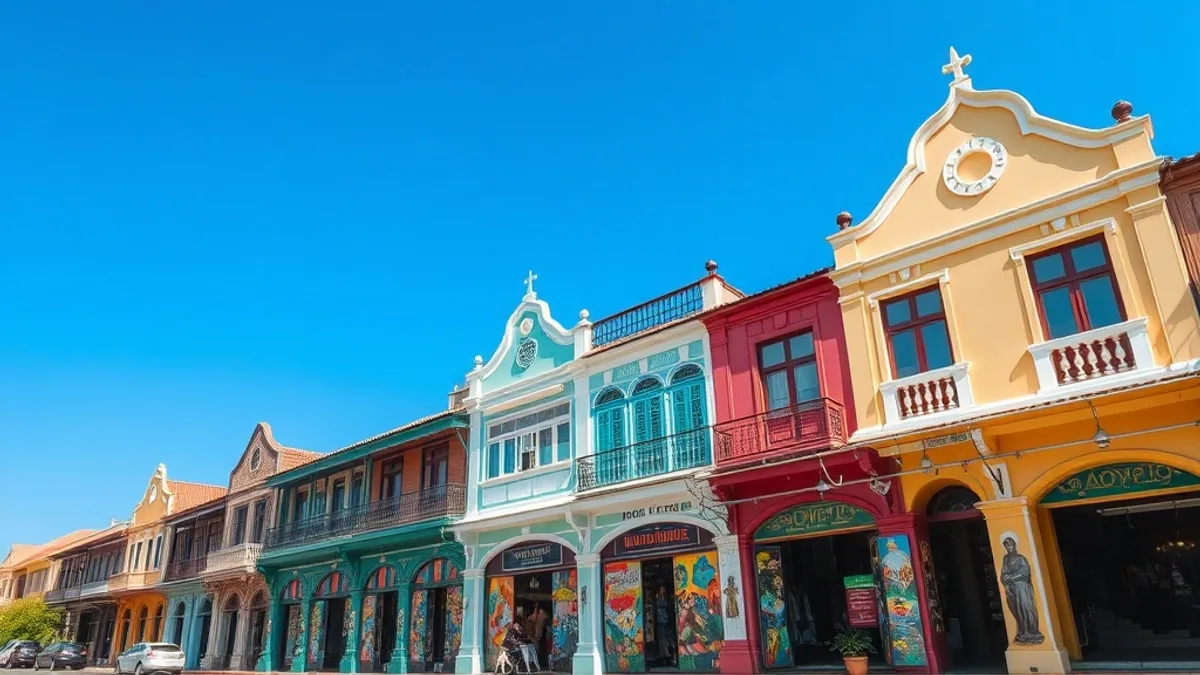
Trang town's Chinese heritage extends into a genuinely interesting architectural landscape: the older streets around the clock tower and railway station area contain well-preserved shophouse rows with decorative facades dating to the early 20th century, several active Chinese temples that are among the most visually striking in the south, and the Trang Municipal Museum which provides context on the town's Hokkien Chinese heritage and rubber plantation history. The Trang Clock Tower area is a pleasant evening walking destination. For day trips, the Andaman coastline and Pak Meng Beach are 40 kilometres west, and the islands are accessible from there. Trang works well as a two-night base: one day for the morning food culture and town exploration, one day for the islands.