Introduction
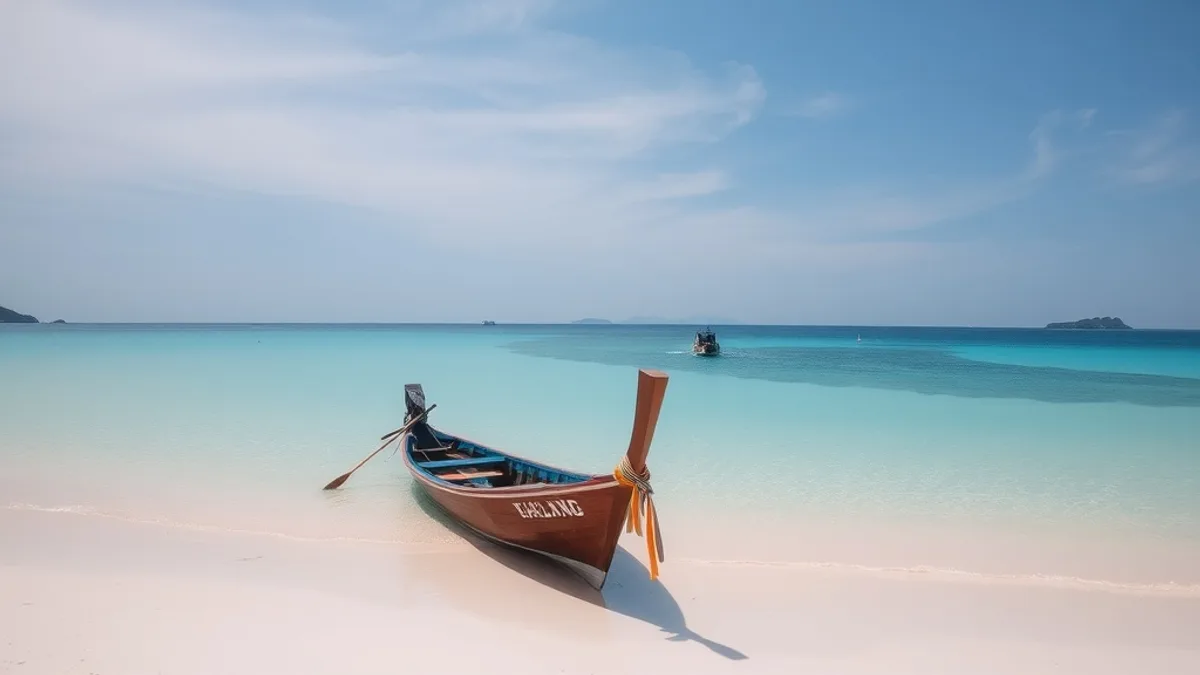
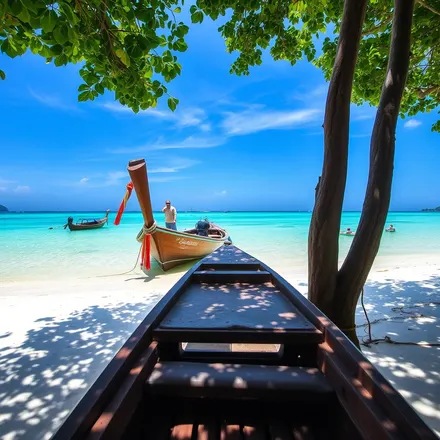
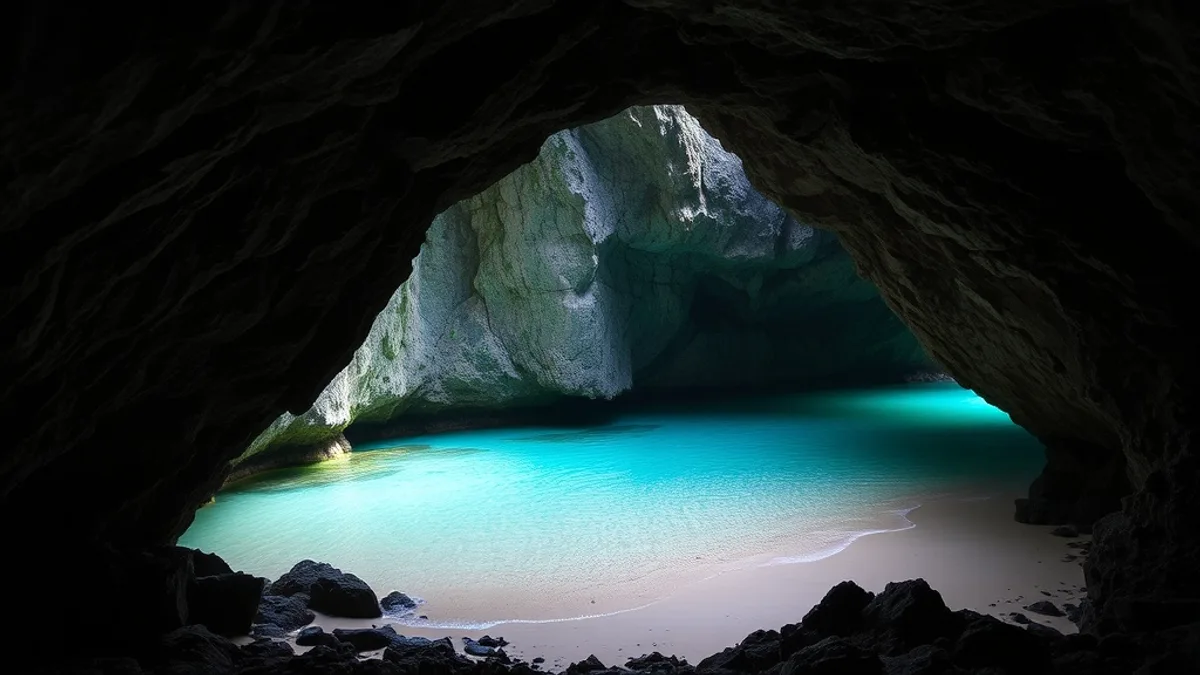
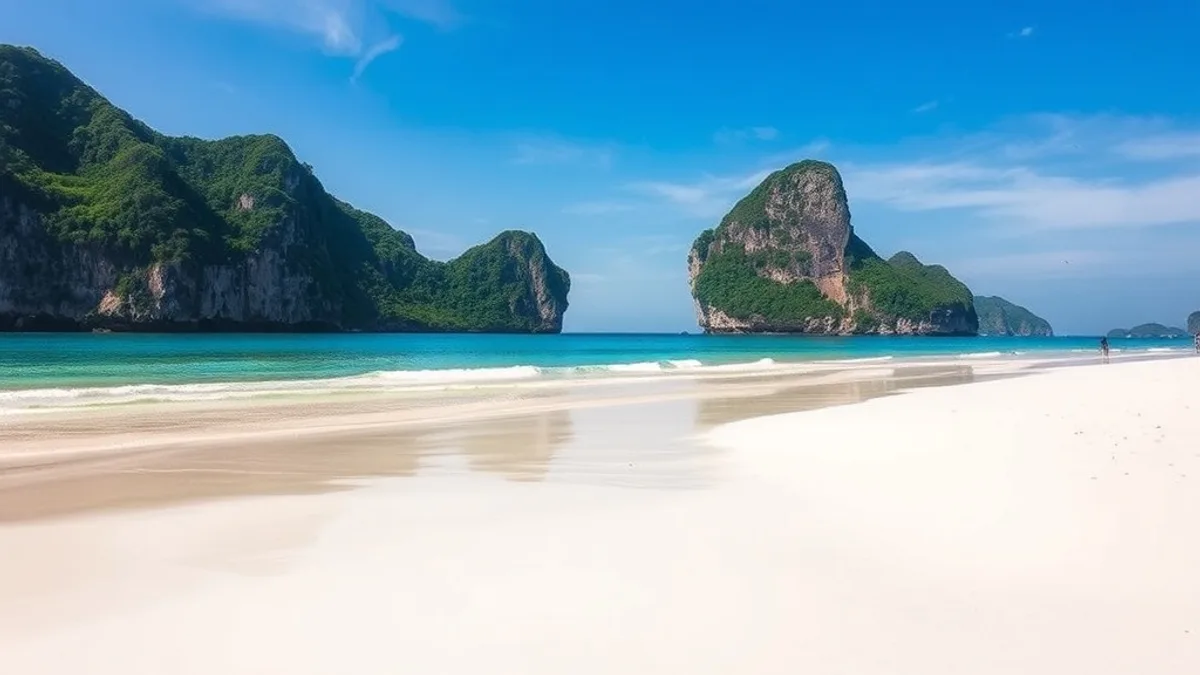
If you have spent time on the islands of Krabi or Phuket and wondered what those places must have felt like twenty years ago — before the longtail traffic jams, the beachfront generator noise, the floating pontoons selling overpriced Singha — Trang's island archipelago offers a working answer. The six main islands off Trang's Andaman coast share the same dramatic limestone karst scenery, the same hyaline turquoise water, and the same quality of coral reef as their more famous neighbours to the north, but they remain stubbornly, gloriously unpolished. On Ko Kradan, widely considered one of Thailand's most beautiful beaches, you can still lay a towel on white sand and have the entire shoreline to yourself at mid-morning. On Ko Mook, the extraordinary Emerald Cave contains a hidden lagoon that makes you feel like the first person to have found it. On Ko Libong, wild dugongs graze seagrass beds close enough to shore to observe from the beach. Trang's islands are not undiscovered — but they are genuinely undervisited, and that difference changes everything.
Overview
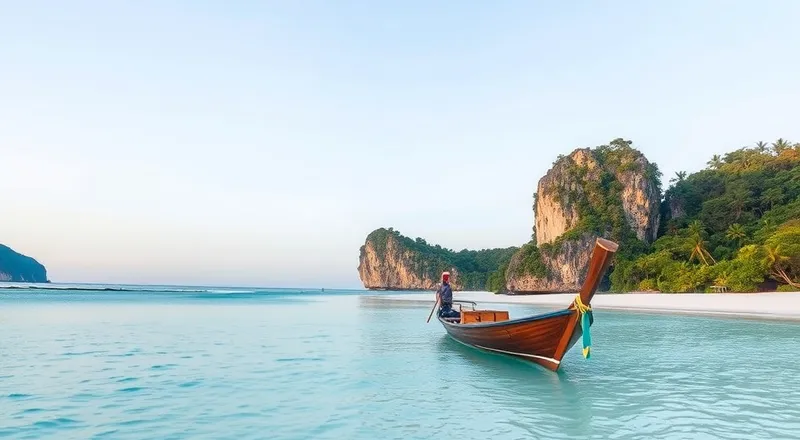
The Trang archipelago comprises six main islands and numerous smaller outcroppings arrayed along approximately 50 kilometres of Andaman coastline, roughly between Pak Meng Beach in the north and the mangrove-fringed Kantang estuary in the south. Ko Ngai (also written Ko Hai) sits at the northern end of the cluster and is the most resort-developed of the group — several bungalow and mid-range hotel operations line its beach, and day-trip boats from Pak Meng pier call here regularly. The snorkeling reef that wraps around Ko Ngai's southern tip is among the most consistently rewarding in the Trang archipelago, with healthy hard coral formations and diverse fish populations that include regular sightings of reef sharks in the deeper channels. Ko Mook, roughly in the middle of the island chain, is famous primarily for Tham Morakot (the Emerald Cave) but repays longer exploration: the small fishing village on its eastern coast functions as a genuine community rather than a tourist facility, with a mosque, a school, and the rhythms of daily life entirely intact. Ko Kradan, to the south, is the showpiece of the group — its beach on the island's western side is a legitimate candidate for any honest ranking of Thailand's most beautiful beaches, combining fine white sand, perfectly graduated shallow water, and a fringing reef accessible directly from the shoreline with minimal swim.
Ko Libong is the largest island in the Trang archipelago and the most ecologically significant. Its extensive seagrass meadows support one of the last remaining populations of dugong — the large, shy marine mammals also known as sea cows — in Thailand's inshore waters. Ko Libong is part of the Libong Archipelago Wildlife Reserve, and the dugong population here, while small, is sufficiently established that patient observers willing to sit quietly in a kayak or on a boat offshore have a genuine probability of sightings during the early morning feeding hours. The island has a small and welcoming community of predominantly Muslim Thai Malay residents, several basic guesthouses and homestays, and the kind of bicycle-paced daily life that makes multi-day stays a pleasure. Ko Cheuk and Ko Waen are small, relatively shallow-reef islands between Ko Mook and Ko Kradan that are typically visited as snorkeling stops on day-trip circuits rather than as overnight destinations.
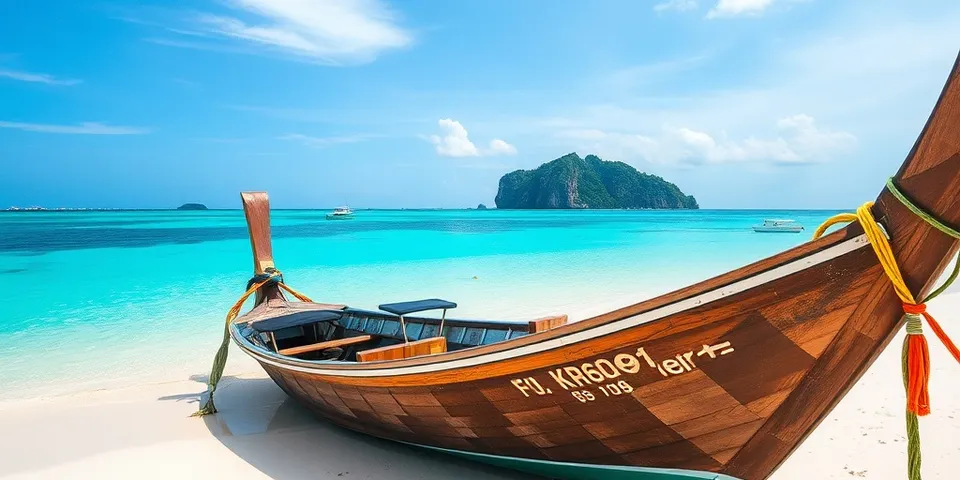
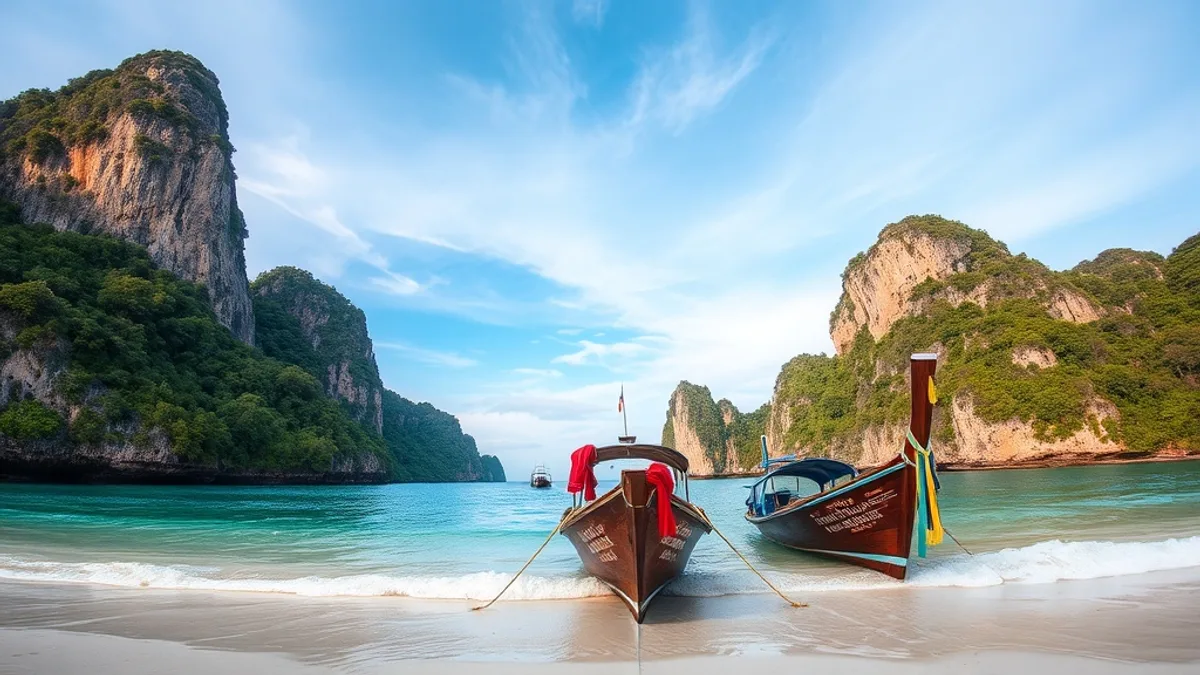
The practical logistics of exploring the Trang archipelago have improved significantly in recent years without becoming the kind of over-managed tourist machinery that has compromised the experience on islands further north. The two main departure points for island trips are Pak Meng Beach (reached by songthaew from Trang town for approximately 50 THB) and the Kuantungku pier near Pak Meng village. Daily speedboat day-trip circuits covering Ko Ngai, Ko Mook, Ko Kradan, and the Emerald Cave run from approximately 1,200-1,800 THB per person depending on the operator, and most include snorkeling equipment, lunch, and national park fees. The alternative — chartering a longtail boat for independent island exploration — runs approximately 2,500-3,500 THB per day for the boat regardless of passenger numbers, making it economical for groups of four or more. For travellers who prefer to island-hop independently and stay overnight, the combination of Ko Ngai, Ko Mook, and Ko Libong covers the most diverse range of experiences, with longtail connections running between the islands most mornings during the dry season.
Snorkeling quality in the Trang archipelago is genuinely excellent, particularly around Ko Ngai, Ko Kradan, and the reefs between Ko Cheuk and Ko Waen. The water clarity is highest between November and April when the northeast monsoon keeps the Andaman Sea relatively calm and visibility can reach 15-20 metres on the best days. The coral coverage has held up better here than on more heavily visited reefs further north — partly a function of lower visitor pressure and partly the result of effective national park management in the Hat Chao Mai Marine National Park, which covers most of the archipelago. Sea turtles are regularly sighted on the reefs around Ko Kradan and Ko Mook, and the deeper channels between islands occasionally produce encounters with manta rays during the prime November-January period.
Highlights
- Ko Kradan — one of Thailand's genuinely most beautiful beaches, still uncrowded, with reef snorkeling from the shoreline
- Tham Morakot (Emerald Cave) on Ko Mook — swim 80m through pitch darkness to reach a hidden lagoon open to the sky
- Ko Libong dugong sanctuary — wild sea cows grazing seagrass beds, observable from kayak in early morning
- Ko Ngai reef snorkeling — healthy hard coral, reef sharks, and diverse fish in exceptionally clear water
- Independent longtail charter for 2,500-3,500 THB per day — full island freedom for groups of four or more
- Ko Mook fishing village — a working Muslim Thai Malay community completely indifferent to tourism
- Manta ray encounters in the deep channels between islands, November through January
- Pak Meng Beach as a sunset base — wide bay, seafood restaurants, and the entire archipelago on the horizon
- Ko Cheuk and Ko Waen snorkeling stops — shallow coral gardens and almost no other boats
The dry season from November through April is the optimal window for Trang island exploration: calm Andaman seas, maximum snorkeling visibility (15-20 metres), and the most reliable longtail and speedboat operations. February and March offer the best all-round conditions — past the peak Christmas and New Year surge but still within the prime weather window. During the southwest monsoon (May-October), rough seas make small boat operations irregular and some island crossings genuinely uncomfortable — always confirm conditions locally before departing. The Emerald Cave can only be accessed at specific tidal windows regardless of season.
Practical Information
Cost Level
Trang islands are significantly more affordable than Krabi or Phuket. Organised day-trip circuits from Pak Meng: 1,200-1,800 THB per person including snorkeling equipment, lunch, and park fees. Longtail charter for full day: 2,500-3,500 THB per boat. National park entry fee: 200 THB per person (applicable to Hat Chao Mai and Ko Libong wildlife reserve). Basic bungalow accommodation on Ko Mook or Ko Ngai: 400-800 THB per night. Ko Libong homestay: 500-700 THB per night including meals. Snorkeling equipment rental at Pak Meng: 100-150 THB per day.
Tips
Book day-trip operators through guesthouses in Trang town rather than the first operator at Pak Meng pier — the town-based operators tend to use better-maintained boats and more experienced guides. For the Emerald Cave, confirm that your operator knows the current tidal window for entry before departing — attempting the swim outside the correct tidal range is potentially dangerous. Bring reef-safe sunscreen only — conventional sunscreens are actively harmful to the coral that makes these reefs worth visiting. For Ko Libong dugong sightings, hire the park-certified local guides rather than attempting independent observation, as they know the feeding locations and appropriate approach distances.
Our creators on the ground in Trang share their best recommendations in their videos.
Places in this Guide
Discover the attractions and locations featured in this travel guide.
Explore Trang
Trang
ตรังTrang is one of southern Thailand's best-kept secrets, offering pristine islands, hidden beaches, and a unique culinary ...All creators from Trang →Location & Orientation
Frequently Asked Questions
How do the Trang islands compare to Krabi's islands for snorkeling?
The snorkeling quality in the Trang archipelago is genuinely comparable to the best sites in Krabi — particularly around Ko Ngai, Ko Kradan, and the reef between Ko Cheuk and Ko Waen. The critical difference is visitor density: the reefs around Railay and Ko Phi Phi receive hundreds of snorkelers daily during peak season, which creates physical reef damage and significantly reduces fish activity through constant disturbance. The Trang reefs, receiving a fraction of that pressure, retain higher coral coverage and more active fish populations. Water clarity is similar between the two areas during peak dry season. The main trade-off is infrastructure: Trang has fewer accommodation options, less variety in boat departure times, and a smaller tourism support ecosystem, which is precisely what keeps it less crowded.
Is it possible to visit the Trang islands without an organised tour?
Yes — independent island exploration is entirely practical for confident travellers. Longtail boats operate between the main islands on a loose schedule during dry season mornings (check at Kuantungku pier the evening before for the next day's departures). The most practical independent itinerary is to base yourself on Ko Mook (several guesthouses, the most central position in the archipelago) and take day trips to Ko Kradan and Ko Ngai by longtail. Ko Libong is best reached from the mainland via the Kantang ferry rather than from the other islands. Chartering a longtail for a full day gives maximum flexibility and is economical for groups. The Emerald Cave is best visited with a guide for the first time due to tidal timing considerations.
Are there dugong sightings guaranteed at Ko Libong?
No wildlife sighting can be guaranteed, and the Ko Libong dugongs are no exception — they are genuinely wild animals in a large marine environment. However, the probability of sighting them is meaningfully higher here than almost anywhere else in Thailand because the population is resident and the seagrass beds they feed on are close to the island's shoreline. Early morning kayak trips with local park guides during the November-April period produce sightings on a significant proportion of outings. The guides working under the Ko Libong Archipelago Wildlife Reserve permit system have years of accumulated knowledge of the animals' feeding patterns and behavioural rhythms that meaningfully increases the probability of a sighting.
What is the best base for exploring the Trang archipelago?
For day trips only, Trang town itself is the most practical base — the accommodation is better value, the food scene is excellent (the dim sum and roast pork culture is a destination in itself), and regular songthaews connect to Pak Meng pier within about 45 minutes. For multi-day island exploration, basing yourself on Ko Mook provides the most central position within the archipelago: the Emerald Cave is on the same island, Ko Ngai and Ko Kradan are within easy longtail reach, and the small fishing village provides enough daily life infrastructure to make extended stays comfortable. Ko Ngai has better resort accommodation but less authentic island character. Ko Libong is worth one or two nights specifically for the dugong experience.
When is the Trang islands peak tourist season and how crowded does it get?
Peak season for the Trang islands runs from late December through early February, coinciding with European and Australian school holidays and the best weather window. Even during this peak period, the islands are dramatically less crowded than comparable Krabi destinations — Ko Kradan at peak season in Trang is roughly equivalent to Ko Phi Phi on a quiet Tuesday in terms of visitor density. The genuinely uncrowded window is March and April, when weather is still excellent but most international tourists have returned home. Thai domestic tourism increases during the Thai New Year (Songkran) period in mid-April, which creates brief peak conditions but remains manageable. The shoulder season of November and May can produce occasional rough weather but also occasional complete solitude on beaches that would justify feature spreads in international travel magazines.