Introduction
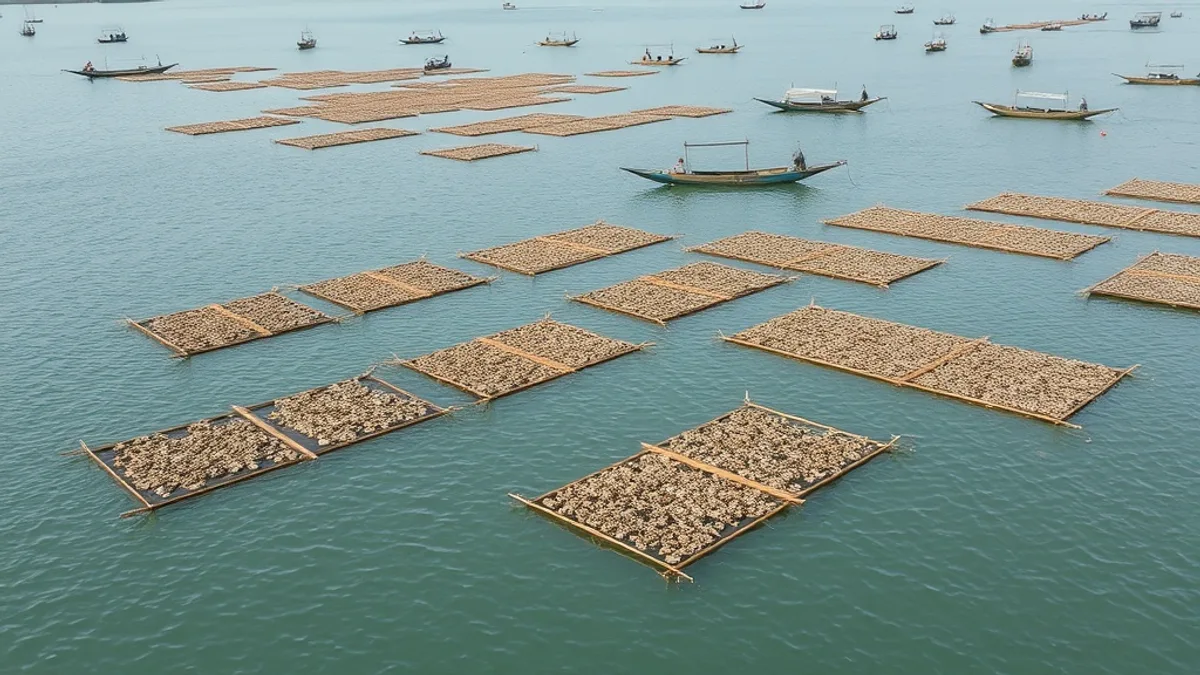
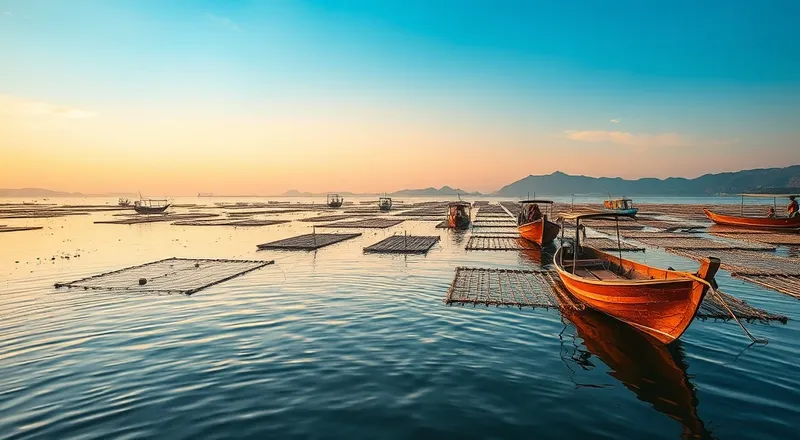
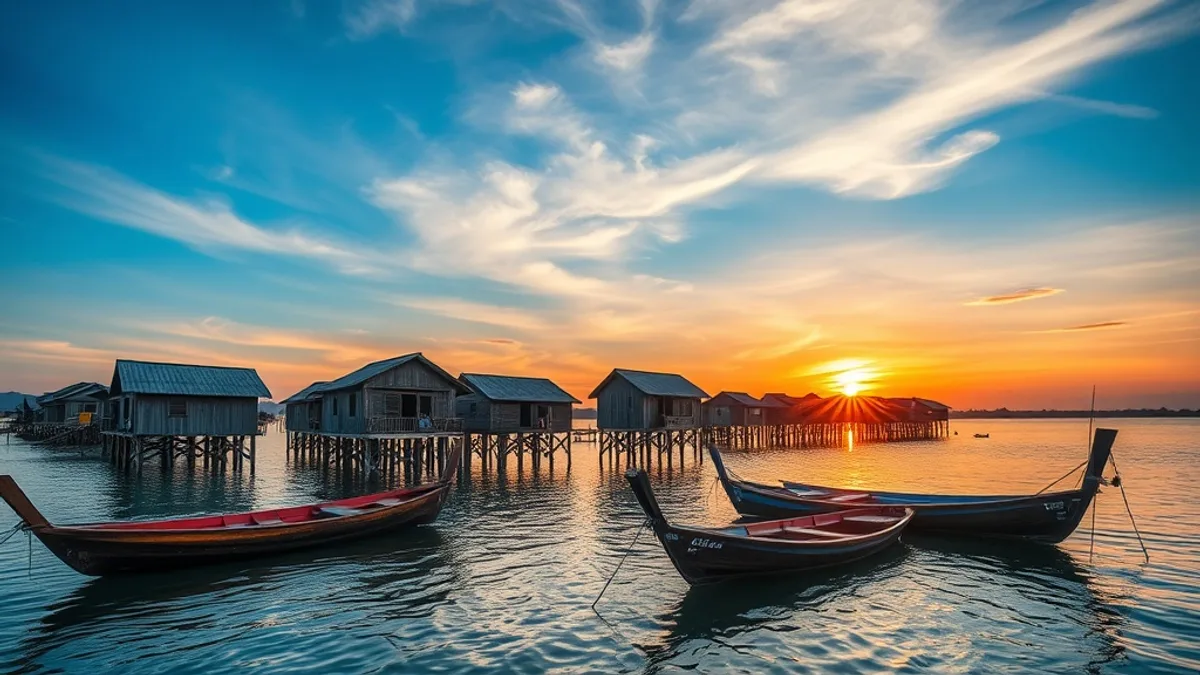
Ban Don Bay is the quiet soul of Surat Thani province — the stretch of sheltered gulf water that curves around the city's northern edge, dotted with the floating bamboo rafts of oyster farms, fringed by mangrove stands and the weather-beaten timber houses of fishing communities that have worked these waters for generations. The bay is the source of Surat Thani's most celebrated culinary export and one of the most productive oyster aquaculture zones in Thailand, but it is also a landscape of striking visual beauty: the kind of calm, purposeful waterscape where the distinction between work and life blurs pleasantly, and where a slow afternoon spent watching long-tail boats move between the raft clusters produces a genuinely restorative form of quiet. This guide covers the bay not as a tourist attraction but as a living coastal environment — one that rewards the traveller prepared to engage with it on its own unhurried terms.
Overview
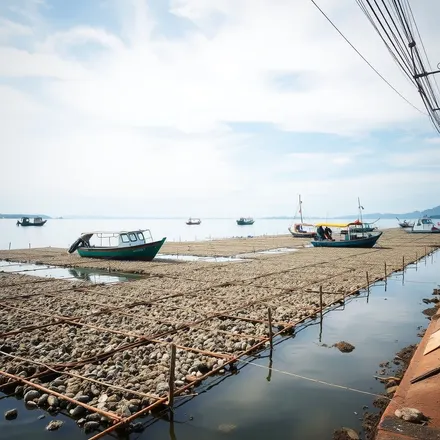
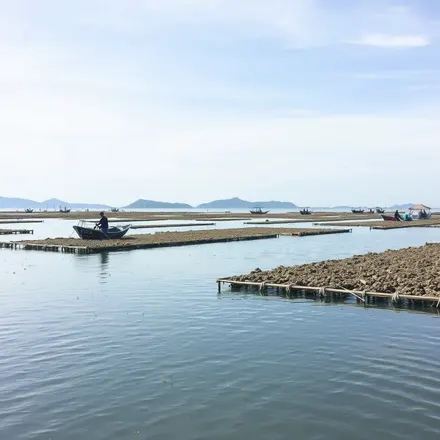
The oyster industry of Ban Don Bay operates on a scale that is difficult to appreciate until you are actually out on the water. Hundreds of bamboo and wooden raft structures extend across significant sections of the bay, each one supporting the rope-and-mesh systems from which Pacific oysters are suspended in the nutrient-rich gulf waters for eighteen months to two years before harvest. The technique used here — a form of longline aquaculture adapted by local families from traditional methods over several generations — produces oysters of unusual size and consistent quality that supply restaurants and markets across southern Thailand. Several oyster farming families accept visitors for informal tours of their raft operations, accessible by long-tail boat from the Ban Don waterfront for approximately 200-300 THB per person. These are working farms, not tourist experiences, and the visits are correspondingly authentic: rubber-booted farmers demonstrating the sorting and cleaning process, the dense smell of seawater and iodine, the satisfying weight of a freshly harvested cluster of shells. Arranging a raft visit is easiest through the seafood restaurants on the Ban Don waterfront, most of which have direct connections to supplying farms.
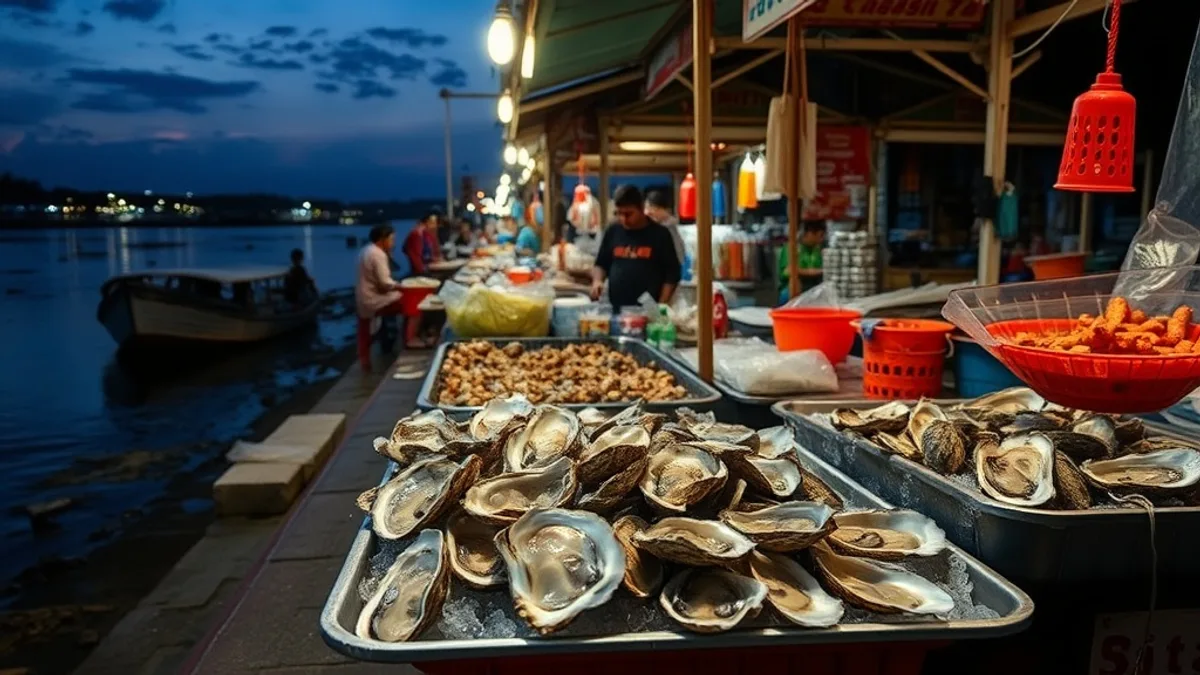
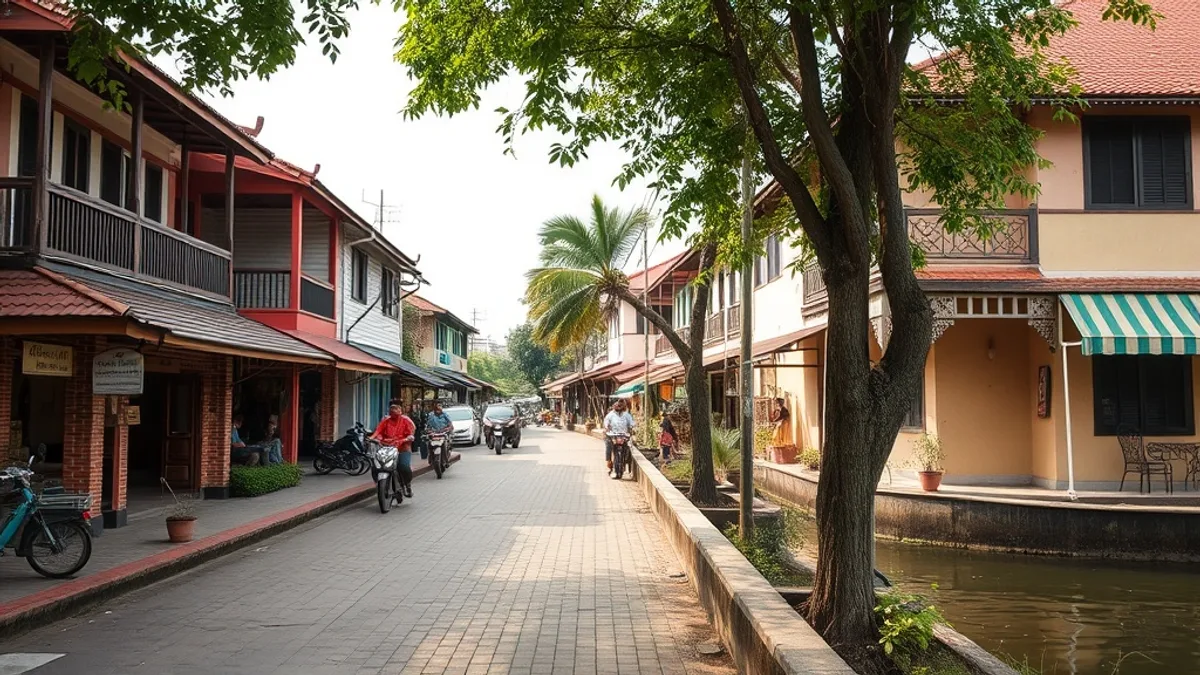
The Ban Don waterfront itself — the old riverside promenade that runs along the southern edge of the bay — is one of the most atmospheric urban spaces in Surat Thani province. Unlike the more commercial areas near the main ferry terminals, the Ban Don area retains a strong sense of its history as a working port town: the Chinese shophouses along the waterfront streets date to the late 19th and early 20th centuries when Surat Thani was an important transit point for tin and rubber exports, and their faded facades and ground-floor businesses — ship chandlers, ice suppliers, net repair workshops — suggest continuity with a commercial past that has largely disappeared from more modernised Thai cities. The seafood restaurants here are notably different from tourist-oriented establishments: long rows of tables under corrugated iron awnings, ice-filled display cases of that morning's catch arranged at the entrance, and a menu that changes daily depending on what the boats have brought in. Grilled sea bass with garlic and chilli, steamed grouper with ginger and soy, stir-fried water morning glory, and the omnipresent Hoy Dong pickled oysters make up the essential Ban Don waterfront meal.
Surat Thani is Thailand's largest coconut-producing province, and the agricultural landscape that surrounds Ban Don Bay reflects this with a visual consistency that becomes almost meditative: coconut palms extending in every direction, the ground beneath them carpeted with fallen fronds, and the regular rhythm of coconut collection vehicles working their way along the farm access tracks. The coconut processing facilities on the northern outskirts of town accept visitors with advance arrangement and provide an education in the scale of the industry — Thailand exports hundreds of thousands of tonnes of coconut products annually, and a significant proportion originates in this province. The roadside stalls along Highway 401 between Surat Thani town and Don Sak sell freshly cracked coconuts, coconut ice cream, and young coconut water at prices so low they function almost as an ambient feature of the landscape.
For travellers with a full afternoon, the combination of a long-tail boat tour of the oyster farms, lunch at a Ban Don waterfront seafood restaurant, and a sunset walk along the river promenade provides one of the most satisfying and genuinely local experiences available in Surat Thani province. The Don Sak pier area, 70 kilometres to the east, is technically part of Ban Don Bay's wider coastal zone and offers a different perspective: here the scale of the ferry traffic to the gulf islands creates a constant choreography of large vessels and small, the cargo boats and the passenger ferries and the longtail water taxis all moving within sight of each other across water that is perfectly calm for most of the year.

Highlights
- Floating oyster raft tours by long-tail boat from Ban Don waterfront — working farms, not tourist operations
- Hoy Dong pickled oysters fresh from the bay at waterfront seafood restaurants — Surat Thani's most celebrated culinary speciality
- Ban Don riverside promenade with original Chinese shophouse architecture dating to the late 19th century
- Coconut plantation landscape — Surat Thani is Thailand's largest coconut-producing province
- Fresh daily-catch seafood at Ban Don waterfront restaurants: grilled sea bass, steamed grouper, morning glory stir-fry
- Sunset from the Tapi River waterfront as fishing boats return from the gulf
- Long-tail boat exploration of Ban Don Bay mangrove channels and fishing village waterways
- Roadside fresh coconut stalls along Highway 401 — young coconut water, ice cream, and cracked whole coconuts
- Don Sak pier area — the choreography of ferry traffic against the backdrop of the gulf islands on the horizon
Ban Don Bay is most pleasant between November and April when the Gulf of Thailand is calm and visibility for boat tours is excellent. The oyster harvest season peaks between November and February, which is when the freshest product arrives at waterfront restaurants. Avoid the September-October period when northeast monsoon weather occasionally makes small boat trips uncomfortable. Sunsets from the Ban Don waterfront are best from October through February when the sky clears in the late afternoon after any morning rain. The coconut harvest has no single peak season — the palms produce year-round in this climate.
Practical Information
Cost Level
Ban Don Bay is one of the most affordable seafood experiences in southern Thailand. A long-tail boat tour of the oyster farms runs 200-400 THB per person depending on group size and negotiation. A full seafood lunch at a Ban Don waterfront restaurant with multiple dishes and drinks costs 300-500 THB per person. Individual oyster portions at seafood stalls run 80-120 THB for a generous serving. A whole fresh-cracked coconut from roadside stalls is 20-30 THB. The promenade walk and coastal exploration cost nothing beyond transport — motorbike rental in Surat Thani (250-350 THB per day) is the most practical option for exploring the bay independently.
Tips
When arranging an oyster raft tour, use the waterfront seafood restaurants as intermediaries rather than approaching boat operators independently — the restaurants have established relationships with reliable operators and can negotiate fair terms. Confirm that any boat trip to the oyster farms includes basic safety equipment (life jackets). For the Ban Don waterfront restaurants, arrive before noon for the widest selection of fresh catch — popular spots can sell out of premium items by early afternoon. The best photography of the bay is from small channels between the oyster raft clusters, particularly in the early morning light, when the flat water creates near-perfect reflections of the raft structures.
Our creators on the ground in Surat-thani share their best recommendations in their videos.
Places in this Guide
Discover the attractions and locations featured in this travel guide.
Explore Surat Thani
Surat Thani
สุราษฎร์ธานีSurat Thani serves as the gateway to Thailand's most popular Gulf islands, including Koh Samui, Koh Phangan, and Koh Tao...All creators from Surat Thani →Location & Orientation
Frequently Asked Questions
Can I visit an oyster farm independently or do I need to arrange a tour?
Independent visits to the oyster farms require a boat, and the floating raft structures are not accessible from shore. The most practical approach is to ask at one of the seafood restaurants on the Ban Don waterfront — virtually all of them have direct relationships with supplying farms and can arrange a long-tail boat trip at short notice. These informal arrangements typically cost 200-400 THB per person for a one-to-two-hour visit depending on group size and season. There are no organised tour operators running scheduled oyster farm trips; this is an entirely locally-managed experience that works best when approached with flexibility and a willingness to communicate directly with waterfront restaurant owners.
Are the Ban Don Bay oysters safe to eat raw?
The Hoy Dong preparation — marinating raw oysters in garlic, chilli, lime juice, and fish sauce — is a traditional southern Thai food practice that has been followed by local communities for generations without the food safety concerns associated with raw bivalve consumption in Western markets. The acidity of the marinade provides some antimicrobial effect, and the rapid turnover at busy stalls means the oysters are genuinely fresh. That said, travellers with vulnerable immune systems, pregnant women, or those with shellfish sensitivities should exercise the same caution they would with raw shellfish anywhere in the world. The cooked preparations — grilled oysters, Hoy Tod oyster omelette — carry no elevated risk and are equally delicious.
How far is Ban Don from the main Surat Thani town centre?
The Ban Don area is the original historic waterfront district of Surat Thani and is effectively part of the town rather than a separate location — it sits approximately 2-3 kilometres from the central Talat Kaset market area, easily reached by songthaew for 15-20 THB or by rented motorbike in under ten minutes. This is distinct from Don Sak, the main ferry terminal for the gulf islands, which is 70 kilometres east of town and requires either a bus or private transport. Many first-time visitors confuse 'Ban Don' with 'Don Sak' — they are quite different places serving very different functions within the Surat Thani transport and food landscape.
What is the best seafood restaurant on the Ban Don waterfront?
The Ban Don waterfront restaurant scene changes constantly as family-run establishments open, close, or relocate, making specific name recommendations unreliable over time. The most effective strategy is to walk the length of the promenade and choose the restaurant with the most occupied tables during lunch and early dinner service — local residents are reliable indicators of consistent quality and freshness. Look for restaurants with live seafood tanks or ice-filled display cases arranged visibly at the entrance, which indicate that the catch is genuinely fresh rather than stored. Avoid air-conditioned restaurants facing the tourist hotels, which tend to charge significantly more for similar quality.
Is Surat Thani really Thailand's largest coconut producer?
Yes — Surat Thani consistently ranks as Thailand's largest single-province producer of coconuts, accounting for a substantial share of the country's total output. The combination of the province's warm, humid climate, its extensive flat agricultural land, and the well-established processing infrastructure built up over more than a century of commercial cultivation makes it the dominant player in a crop that is fundamental to Thai cooking and export agriculture. The coconuts grown here supply coconut milk processors, desiccated coconut manufacturers, and coconut oil producers across Thailand and internationally. For visitors, the practical manifestation of this is the extraordinary freshness and flavour of coconut products purchased anywhere in the province — coconut milk used in local curries tastes noticeably richer than what you will find in tourist destinations further north.