Introduction
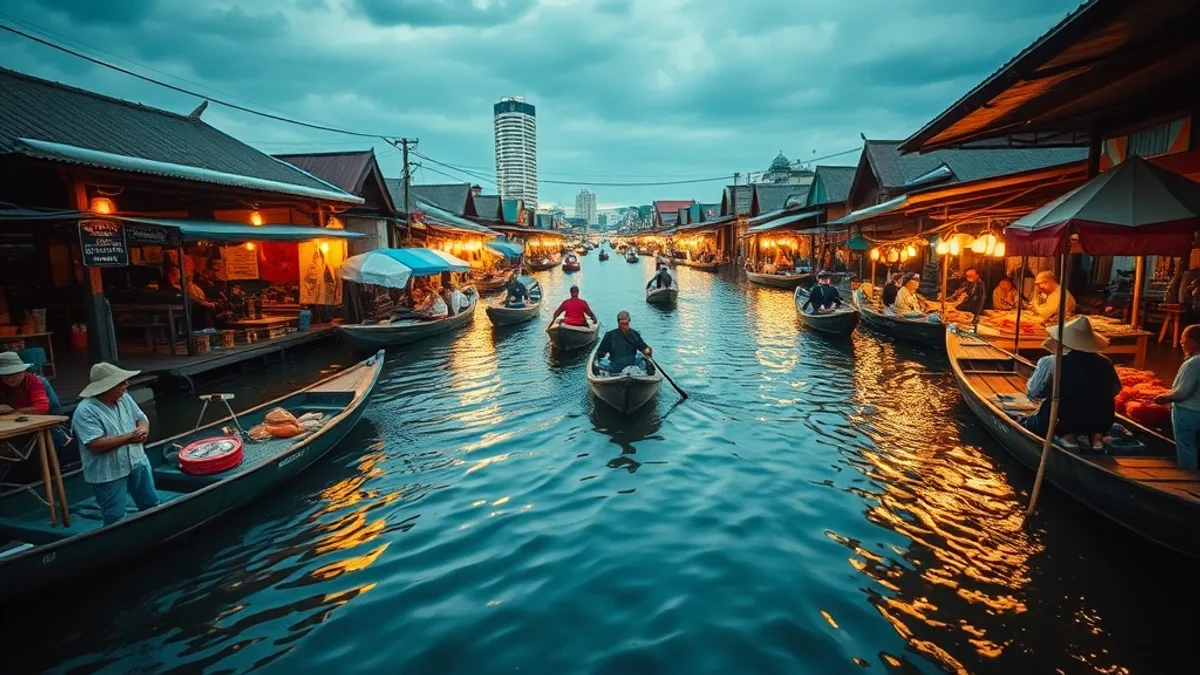
At the point where the Chao Phraya River finally surrenders itself to the Gulf of Thailand, the old town of Pak Nam holds a world that almost no foreign traveller ever sees. This is Samut Prakan at its most authentic — a working Thai river town with crumbling colonial customs warehouses along the waterfront, longtail boats threading between fishing vessels, and dawn fish markets where the catch from the previous night arrives in ice-packed crates. Most visitors to the province go straight to the Ancient City or Erawan Museum and never discover this parallel world of genuine river life. That invisibility is precisely the appeal. The Pak Nam riverside offers rare access to a Thailand that functions entirely on its own terms, untouched by the tourism apparatus, where the rhythms of tides, fishing seasons, and river commerce have shaped daily life for centuries.
Overview
Pak Nam — meaning 'mouth of the water' — was historically the most important customs point on the Chao Phraya River, the gatekeeper through which all maritime trade entering Bangkok had to pass. Colonial-era European trading houses established warehouses here in the nineteenth century, and some of these atmospheric structures still stand along the waterfront, their faded facades now occupied by wholesale seafood businesses and modest restaurants. Walking the riverfront road in the early morning is one of those rare Bangkok-area experiences that feels genuinely removed from modernity.
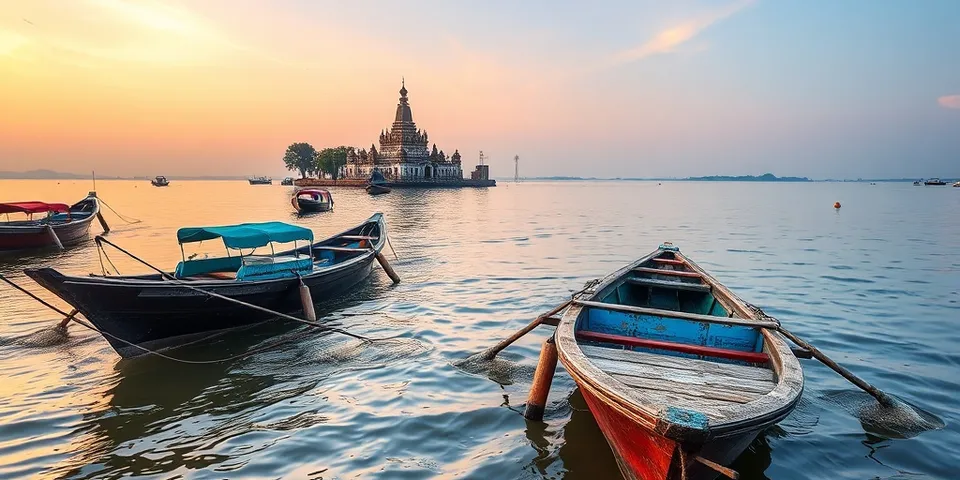
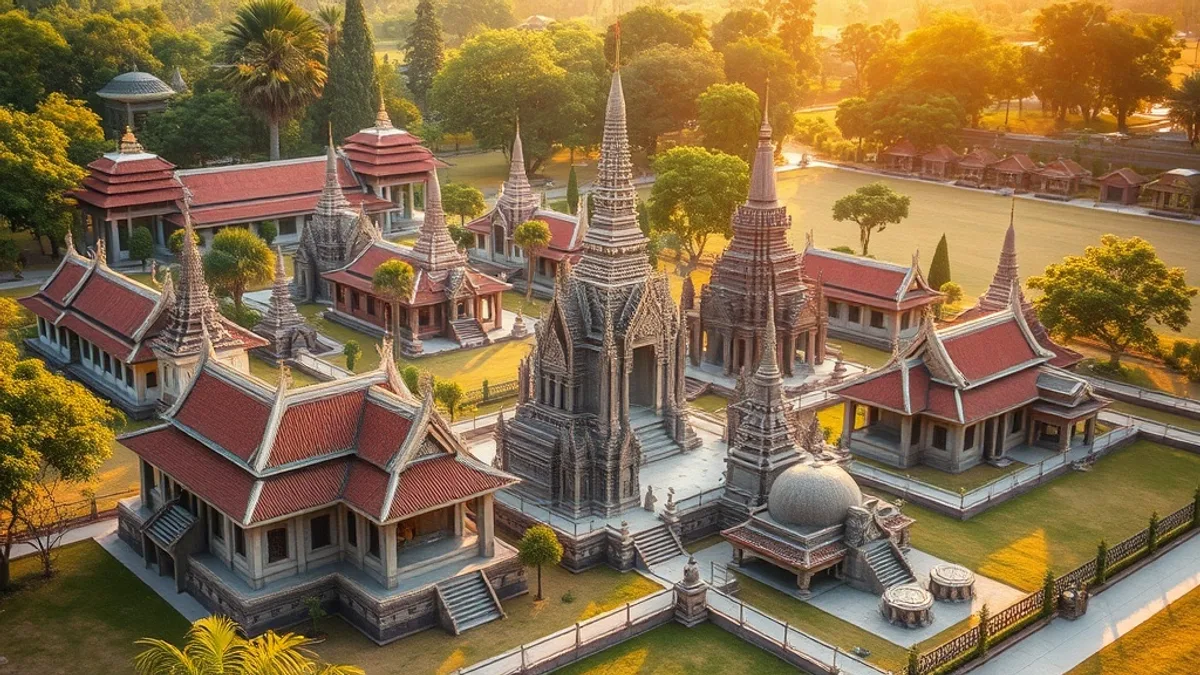
The most compelling excursion from Pak Nam is the short ferry to Phra Samut Chedi, a Buddhist temple situated on a tiny island in the middle of the river mouth. The crossing takes roughly 15 minutes by local ferry (departing regularly from the main pier, approximately 10 THB), and the sight of the white chedi rising from the water as you approach remains quietly spectacular. The temple is active and respected by local communities, with the annual Phra Samut Chedi fair in October drawing pilgrims from across the region. The island itself is small enough to walk entirely in 20 minutes, and the views back across the river mouth to the mainland offer fine perspectives on the industrial-maritime character of the estuary.
Along the Pak Nam waterfront, local food vendors set up from dawn with equipment and menus unchanged in decades. Grilled fish, boat noodles, fresh coconut water, and Thai iced coffee served in plastic bags are the staples. The morning market near the main ferry pier runs until around 9am and is the most productive time to explore — later in the day the waterfront quietens considerably and some vendors pack up by noon.
The photographic possibilities here are rich and underexploited. The contrast between the enormous container ships passing through the estuary and the traditional wooden fishing boats in the foreground creates compelling compositions. The old customs warehouses, rusting iron gates, and painted wooden ferry boats offer textures that reward patient exploration. Early morning fog sometimes settles over the river in the cool season, adding a layer of atmosphere that is essentially impossible to find closer to Bangkok's tourist centre.
Highlights
- Virtually tourist-free riverfront in working Pak Nam town at the Chao Phraya estuary
- 15-minute ferry to Phra Samut Chedi — a Buddhist temple on a small island in the river mouth
- Colonial-era customs warehouses along the waterfront with 19th-century character
- Dawn fish market near the main pier with fresh Gulf catch arriving daily
- Longtail boats and working fishing vessels on the river — authentic maritime Thailand
- Annual Phra Samut Chedi temple fair in October with pilgrims from across the region
- Exceptional photography contrasting industrial shipping with traditional river life
- Local street food at waterfront stalls unchanged in decades
- Cool season morning mist over the estuary for atmospheric photography
- Easily combined with Ancient City and Erawan Museum for a full Samut Prakan day
Dawn to 9am is the optimal window for the fish market, fresh vendors, and the softest light on the river. The Phra Samut Chedi ferry runs throughout the day from approximately 7am to 5pm. The cool season (November to February) is the most comfortable and occasionally delivers the morning river mist that makes photography here exceptional. The October temple fair at Phra Samut Chedi is a special occasion worth planning around if your dates align.
Practical Information
Cost Level
The Pak Nam riverside itself costs nothing to explore. The ferry to Phra Samut Chedi is approximately 10-20 THB each way. Street food breakfast along the waterfront runs 60-150 THB. A full riverside lunch at one of the local restaurants is 150-300 THB per person. This is one of the cheapest and most authentic day trip options accessible from Bangkok — the entire experience including transport costs under 500 THB per person.
Tips
Come early — by 10am the waterfront market has largely dissolved and the area becomes much quieter. The Phra Samut Chedi ferry pier is a short walk south from the main market area; ask locals for 'tha rua Phra Samut Chedi' if you get turned around. Bring cash as no vendors here accept cards. A modest dress is appreciated at the temple island. The riverfront road can be slippery near the fish pier in the early morning — watch your footing.
Our creators on the ground in Samut-prakan share their best recommendations in their videos.
Creators who cover this spot
Discover YouTube creators who feature this topic in their videos.
bangkokandmore
Martin Borsetti is a German content creator based in Bangkok documenting the city's street food scene and local culinary culture.
Discover Thailand
Christian
Discover Thailand – Deutscher Thailand Reise-Creator auf YouTube.
Life to go
Daniel & Jessi
Life to go – Deutsche Weltreise- und Thailand-Creator auf YouTube.
Places in this Guide
Discover the attractions and locations featured in this travel guide.
Explore Samut Prakan
Samut Prakan
สมุทรปราการSamut Prakan is a province bordering Bangkok to the south, offering a fascinating blend of cultural attractions and gree...All creators from Samut Prakan →Location & Orientation
Frequently Asked Questions
How do I get to Pak Nam riverfront in Samut Prakan?
Take the BTS Sukhumvit Line to Kheha station (the southern terminus), then take a Grab or local taxi to Pak Nam waterfront — approximately 15 minutes and 60-100 THB. Alternatively, from BTS Bearing station, songtheaws (shared pickup trucks) run toward Pak Nam for around 15 THB. If driving, follow Sukhumvit Road south past the Erawan Museum and continue to the Pak Nam roundabout, then turn toward the river. The waterfront area is compact and easily walkable once you arrive.
What is Phra Samut Chedi and how do I visit?
Phra Samut Chedi is a revered Buddhist temple built on a small island in the mouth of the Chao Phraya River. A sacred Buddha image within the temple is considered highly auspicious, and Thai devotees come from great distances to pay respects, particularly during the annual October temple fair. To visit, walk to the ferry pier on the Pak Nam waterfront (signposted, or ask locals) and take the short boat crossing for around 10-20 THB each way. Ferries run regularly throughout the day. Dress modestly and remove shoes before entering the main temple building.
Is there anything to eat at the Pak Nam riverfront?
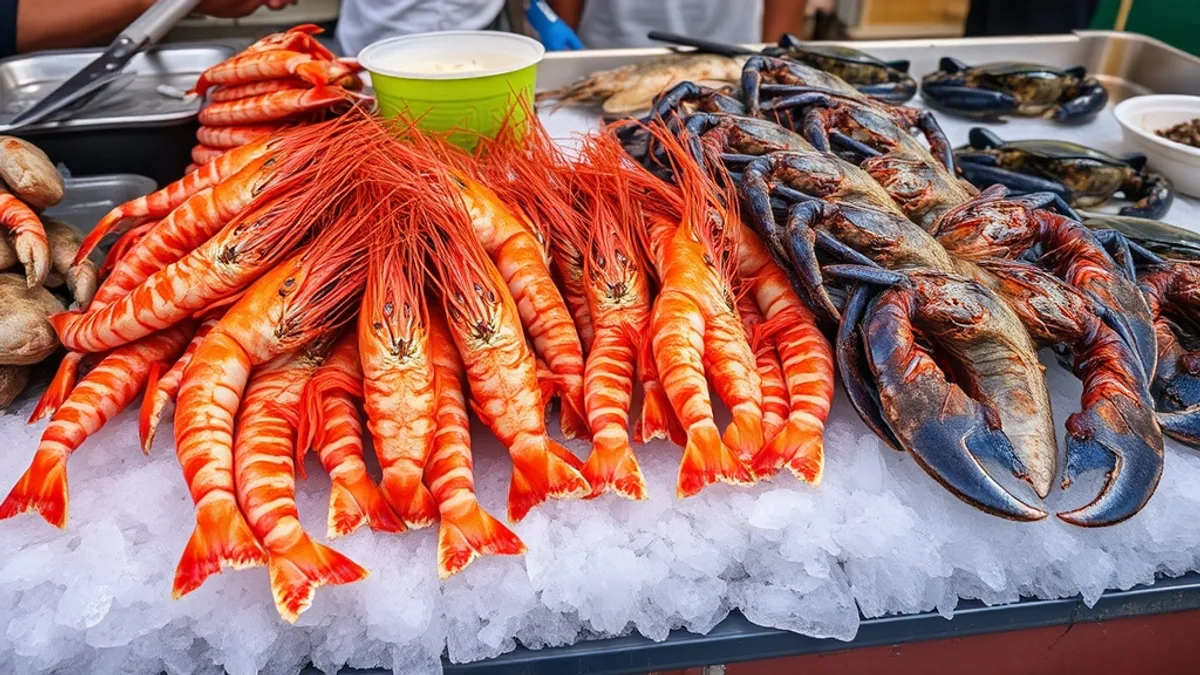
Yes, and the food is a genuine highlight. The dawn market near the main pier (running roughly 5am to 9am) has vendors selling grilled seafood, boat noodles, fresh fruit, and Thai breakfast staples at very local prices. Several proper restaurants along the waterfront road open from mid-morning, serving fresh Gulf seafood — crab, prawns, and local fish — at prices significantly below Bangkok levels. The lack of tourist menus means pointing at other tables' dishes is the most efficient ordering strategy, and it always works.
How does Pak Nam compare to Bangkok's other riverside areas?
Pak Nam is the opposite of Bangkok's tourist riverside areas like Maharaj Pier or Asiatique. There are no boutique restaurants, craft beer bars, or international food stalls — just working Thailand. The piers are functional, the warehouses are occupied by trade rather than galleries, and the restaurants have plastic chairs and no English menus. This is precisely its value. Visitors seeking authentic Thai riverine culture rather than a curated riverside experience will find Pak Nam one of the most rewarding places in the entire Bangkok metropolitan area.
Can I photograph the industrial shipping and working boats?
Photography of the river, boats, and waterfront is freely possible and entirely accepted. The working character of the estuary — container ships from the Gulf passing large traditional wooden vessels — creates remarkable documentary photography opportunities. For close-up boat photography, the morning hours when fishermen are returning with the night's catch are most productive. Be aware that some commercial dock areas have security — stay on the public riverside road and you will have no issues. Always ask before photographing individual workers up close.