Introduction
Beneath the resort brochure image of Phuket — the infinity pools, the Bangla Road neon, the endless beach clubs — runs a culinary tradition of remarkable depth and distinctiveness that most beach-focused visitors never discover. Phuket's food culture is southern Thai in its bones, which means it is spicier, more complex, and less coconut-softened than the Thai food familiar to most Western visitors from Bangkok restaurants. It is also a uniquely Phuket cuisine — shaped by the island's Chinese immigrant heritage into dishes that exist nowhere else in Thailand, carrying Hokkien flavour profiles grafted onto southern Thai spice logic to produce something entirely original. Oh tao, the Phuket oyster cake, has no equivalent anywhere else in the country. Moo hong, the braised pork belly dish that appears on every serious local restaurant menu, carries a sweetness and aromatic depth that traces directly to Chinese grandmother cooking in the island's nineteenth-century tin mining settlements. Pad Mee Phuket, the island's distinctive yellow-noodle stir fry, uses a combination of ingredients that differs from any other regional noodle dish in Thailand. To eat well in Phuket is to eat locally, and to eat locally means finding the markets, the hawker stalls, and the neighbourhood restaurants where this singular food culture expresses itself most honestly.
Overview
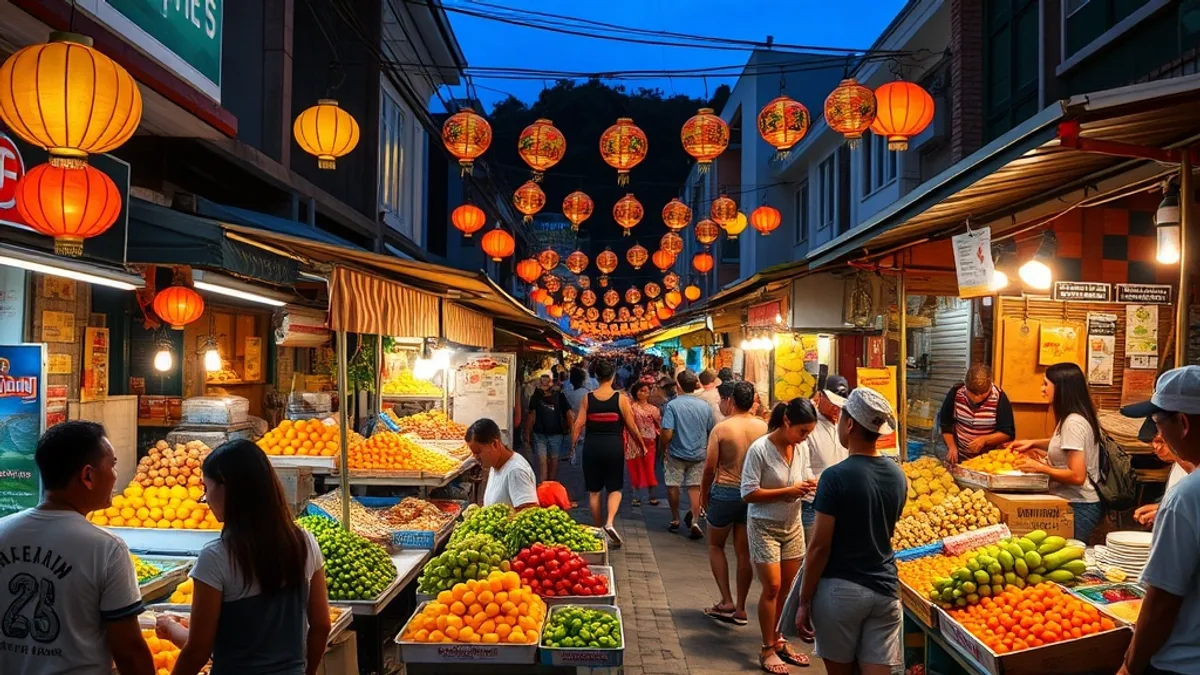
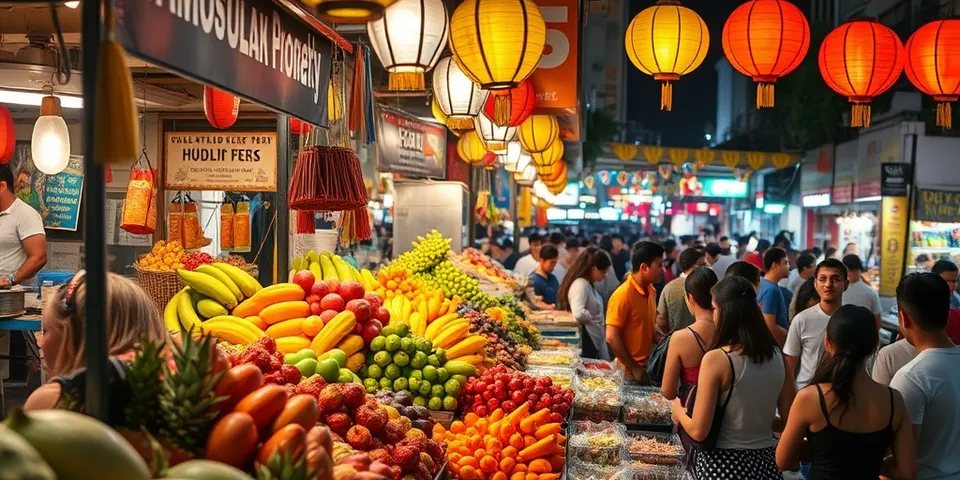
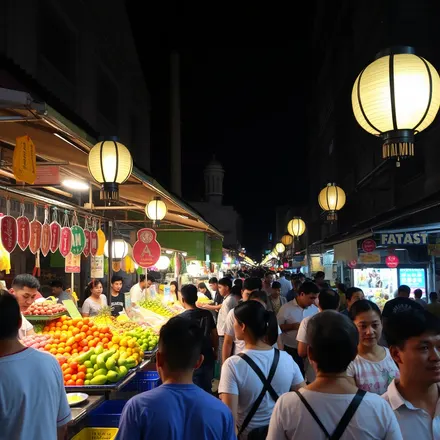
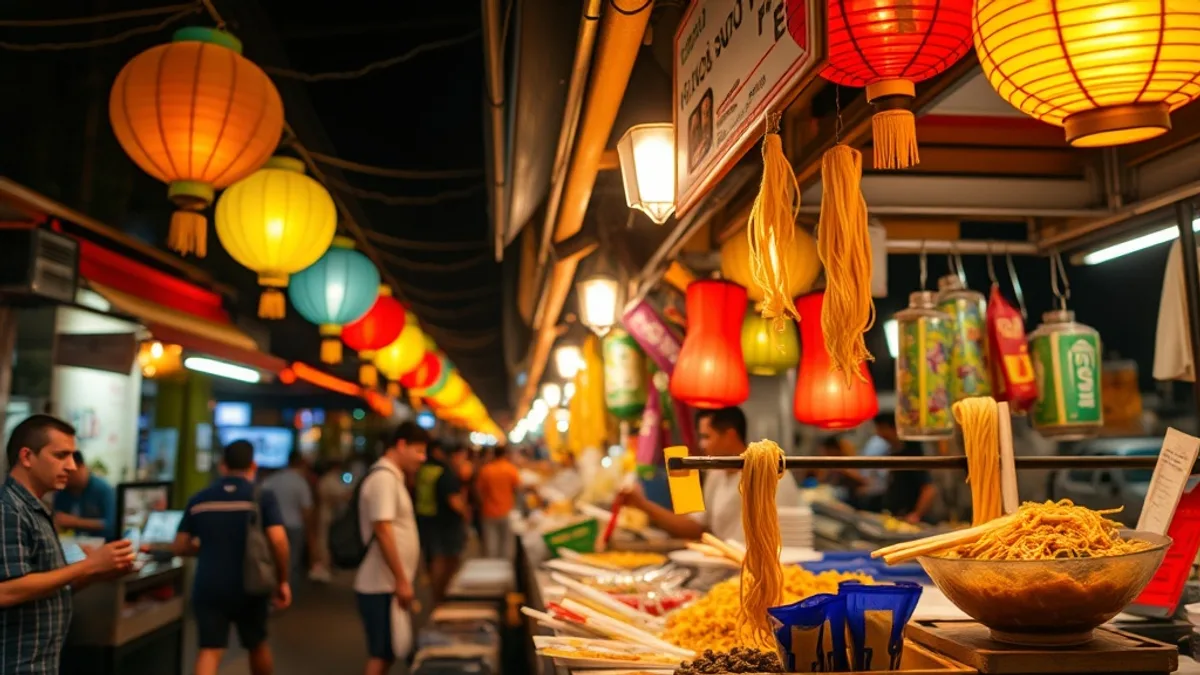
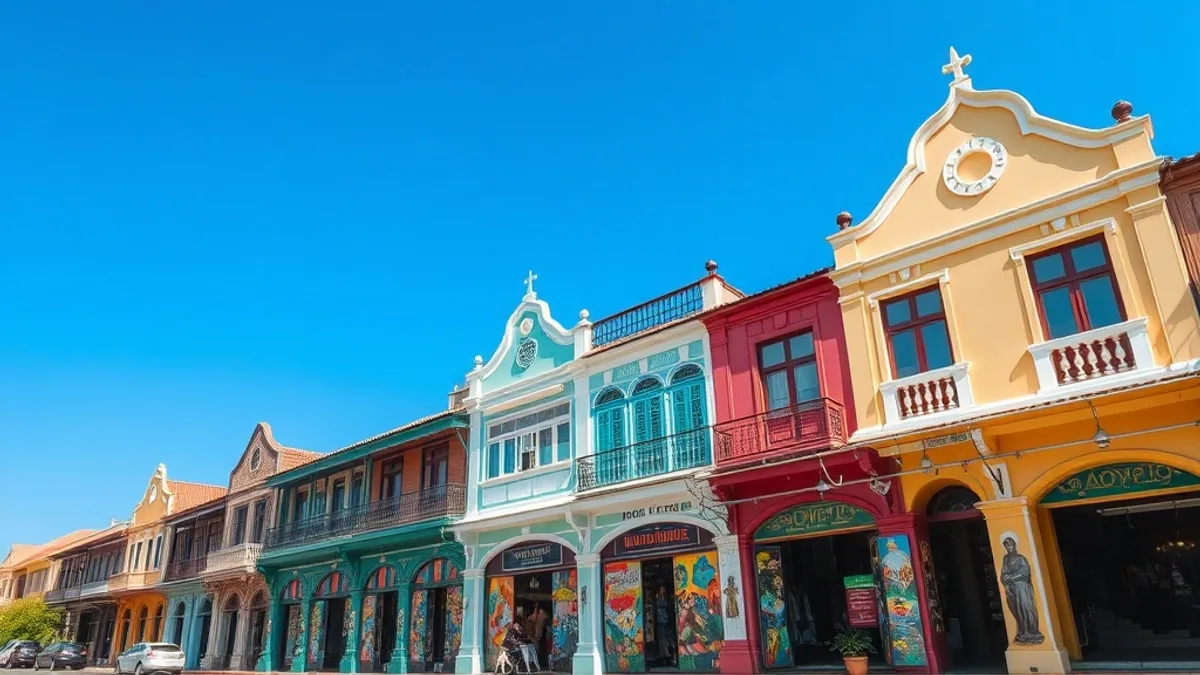
The Phuket Old Town Walking Street, held every Sunday evening from approximately 5 PM along Thalang Road in the heart of the historic neighbourhood, is the best single introduction to Phuket's street food culture available to visitors. The market closes the road to vehicles and fills it with a dense arrangement of food stalls operated primarily by local vendors selling authentic Phuket specialities at prices that reflect the local economy rather than tourist expectations. The full range of Phuket's distinctive food culture appears here: oh tao (the oyster cake, a crispy griddle-fried patty made from oysters, taro, and egg batter with a sweet-sour tamarind dipping sauce), satay pork and chicken skewers with a peanut sauce quite different from the Bangkok version, grilled corn with coconut cream baste, freshly made roti canai with condensed milk and banana filling, and dozens of traditional Thai sweet snacks including khanom krok (coconut rice pudding in dimpled iron pans), khanom buang (crispy Thai crepes with shredded coconut and egg yolk filling), and steamed pandanus leaf packets containing sticky rice and palm sugar. Prices at the Sunday Walking Street typically run 40-80 THB per item. The market also has a strong craft and artisan dimension — street food and Old Town shopping combine naturally here.
Chillva Market, located on Yaowarat Road near the north end of Phuket Town, operates Thursday through Sunday evenings and targets a younger, predominantly local crowd with a mix of street food stalls, indie fashion vendors, craft beer bars, and live music stages set within a deliberately casual outdoor environment of shipping containers and string lights. The food at Chillva is somewhat more experimental than at the Sunday Walking Street — alongside the standard Thai market fare there are Phuket-style fusion dishes, artisan ice cream in flavours using local tropical fruit, and cocktail trucks that would not look out of place at a Bangkok rooftop bar. It is a useful window into how Phuket's younger generation interprets its own food culture: with pride in local ingredients but enthusiasm for contemporary formats. Admission is free and it operates from approximately 5 PM until midnight.
Malin Plaza Patong on Rat-U-Thit Road in Patong occupies an interesting position in the Phuket food landscape — a permanent market structure catering primarily to tourists but with a core of hawker stalls serving genuine Thai food at reasonable prices amid the international food court options. For visitors staying in Patong who want authentic southern Thai dishes without the 30-minute trip to Phuket Town, Malin Plaza delivers: grilled seafood sold by weight from fresh display cases, satay stalls, pad thai cooked to order, fresh fruit vendors, and a rotating selection of regional Thai dishes from the permanent stalls at the back of the market. Prices are higher than Old Town equivalents — expect to pay 100-180 THB for main dishes at the seafood stalls — but still represent good value relative to Patong's beach restaurant alternatives.
The defining Phuket-specific dishes demand separate attention. Oh tao is the dish locals most consistently name as the one food outsiders cannot find anywhere else: the oyster cake is made from fresh oysters mixed into a batter of rice flour and taro, griddle-fried in lard until crispy at the edges and soft at the centre, then topped with bean sprouts, Chinese chives, and a fried egg before being served with sweet tamarind sauce and a pot of fresh red chillies. It is available at dedicated oh tao stalls throughout Old Town, at the Sunday Walking Street, and at the Ranong Road day market. Moo hong is found at virtually every traditional Phuket restaurant — pork belly slow-braised in a master stock of soy sauce, fish sauce, rock sugar, and five-spice until it reaches a lacquered, yielding texture and a flavour that is simultaneously intensely savoury and gently sweet. Tiger prawns and other fresh Andaman seafood appear on menus throughout the island at prices that reflect genuine freshness — whole grilled prawns at the Chao Fah Night Market near Rawai run 350-500 THB per 100 grams, expensive by Thai standards but exceptional quality by any.
Highlights
- Phuket Old Town Sunday Walking Street — the best single evening for authentic Phuket street food from 5 PM on Thalang Road
- Oh Tao (Phuket oyster cake) — crispy griddle-fried oyster and taro patty with tamarind sauce, unique to Phuket island
- Moo Hong (braised pork belly) — Hokkien-influenced pork dish, slow-braised in five-spice master stock, found in every traditional restaurant
- Pad Mee Phuket — the island's distinctive yellow noodle stir-fry with a flavour profile unlike any other regional Thai noodle dish
- Chillva Market (Thu-Sun) — younger local crowd, craft beer bars, artisan ice cream, indie vendors and contemporary street food formats
- Malin Plaza Patong — the most accessible hawker market for visitors staying in Patong, with fresh grilled seafood by weight
- Fresh Andaman tiger prawns and grilled whole fish at Chao Fah Night Market near Rawai fishing village
- Roti canai with condensed milk and banana — Malaysian-influenced flatbread, a Phuket breakfast institution
- Khanom krok — coconut rice pudding in dimpled cast iron pans, a walking street staple available for 30-40 THB
Phuket's street food markets operate best in the cooler dry season from November to April. The Sunday Old Town Walking Street operates year-round in all weather (light rain rarely stops the market). Chillva Market runs Thursday to Sunday evenings year-round. For fresh seafood, early morning visits to the Ranong Road market in Phuket Town (7-10 AM) access the freshest daily catch. All markets operate from late afternoon into the evening — arriving at 5 PM gives good access before peak crowds at 7-8 PM.
Practical Information
Cost Level
Southern Thai street food prices are generally slightly higher than northern Thai equivalents, reflecting higher ingredient costs for fresh seafood. At the Sunday Walking Street and Chillva Market, most snacks and dishes cost 40-100 THB. Oh tao portions: 60-80 THB. A plate of moo hong with rice at a traditional restaurant: 100-150 THB. Fresh grilled tiger prawns at seafood markets: 350-500 THB per 100g. Roti canai: 30-50 THB. A thorough street food evening at the Sunday Walking Street covering six to eight dishes and drinks costs approximately 400-700 THB per person.
Tips
The Old Town Sunday Walking Street gets very crowded between 7-9 PM — arrive by 5:30 PM for comfortable browsing and the freshest items before popular stalls sell out. Most Phuket street food is significantly spicier than the adjusted versions served at tourist restaurants — if spice tolerance is a concern, specify 'mai phet' (not spicy) when ordering. Fresh seafood purchased at markets should always be cooked immediately; never accept seafood that does not smell fresh. The Ranong Road day market in Phuket Town is the best place to buy fresh tropical fruit at local prices — significantly cheaper than resort area supermarkets.
Our creators on the ground in Phuket share their best recommendations in their videos.
Places in this Guide
Discover the attractions and locations featured in this travel guide.
Explore Phuket
Phuket
ภูเก็ตPhuket is Thailand's most popular island and a playground for expats, luxury travellers and content creators. White beac...All creators from Phuket →Location & Orientation

Frequently Asked Questions
What is the must-try dish that is unique to Phuket?
Oh tao, the Phuket oyster cake, is the dish that local food authorities consistently identify as the most distinctively Phuket item on the island's culinary map. This crispy griddle-fried preparation of fresh oysters, taro, and egg batter — served with bean sprouts, Chinese chives, and a sweet tamarind dipping sauce — exists in this precise form nowhere else in Thailand. The dish traces to the Hokkien Chinese community of nineteenth-century Phuket and remains an authentic living connection to that heritage. The best examples are found at dedicated stalls in Old Town, including the long-running operation on Thalang Road and several vendors at the Sunday Walking Street.
Where is the best place to eat street food in Phuket if I am staying in Patong?
For visitors based in Patong, the most accessible authentic street food options are Malin Plaza on Rat-U-Thit Road (within walking distance, permanent hawker stalls serving genuine Thai dishes at 100-180 THB) and the local food stalls on the side streets behind the beach road. For a genuinely excellent street food experience, the 20-30 minute Grab ride to Phuket Old Town for the Sunday Walking Street is strongly recommended and represents the best food value on the island. The journey costs approximately 150-200 THB by Grab. Alternatively, the Chillva Market in Phuket Town operates Thursday through Sunday and is worth the trip from Patong.
Is Phuket street food safe to eat?
Phuket street food is generally safe to eat when standard precautions are followed. The rapid turnover of freshly cooked food at busy market stalls ensures minimal storage time. For seafood dishes specifically, always verify that items are cooked thoroughly and avoid pre-cooked seafood displayed at room temperature. The Sunday Old Town Walking Street and Chillva Market have high local attendance, which is the most reliable indicator of food quality and safety. Avoid raw salads or unpeeled fruit from street vendors. Carry hand sanitiser for use before eating at stalls where handwashing facilities are not visible. Shellfish dishes like oh tao are best eaten freshly cooked rather than from stalls where items have been sitting pre-made.
What is the difference between Phuket food and regular Thai food?
Phuket cuisine sits at the intersection of three culinary traditions: southern Thai cooking (characterised by intense heat, pungent fermented pastes, and liberal use of fresh turmeric and galangal), Hokkien Chinese cooking (introduced by the tin mining community in the nineteenth century and contributing braised preparations, soy-based sauces, and noodle dishes), and Malay cooking (influencing the use of coconut, roti, and certain spice combinations in the island's south and east). The result is distinctive — spicier than Bangkok Thai, richer and more complex than standard southern Thai, and containing several dishes that exist nowhere else in the country. It is also generally less sweet than the central Thai food that dominates international Thai restaurants.
When does the Sunday Walking Street in Phuket Old Town take place?
The Phuket Old Town Walking Street (often called the Sunday Night Market or Lard Yai Market) takes place every Sunday evening from approximately 5 PM to 10 PM on Thalang Road in the historic Old Town district. The road is closed to vehicles from around 4:30 PM and vendors begin setting up in the early afternoon. The market operates year-round regardless of weather. The best time to arrive for food exploration is between 5 PM and 7 PM when the widest selection of freshly prepared items is available before popular stalls sell out. The market combines street food, local crafts, street performers, and live music — plan a minimum of two hours to explore it properly.