Introduction
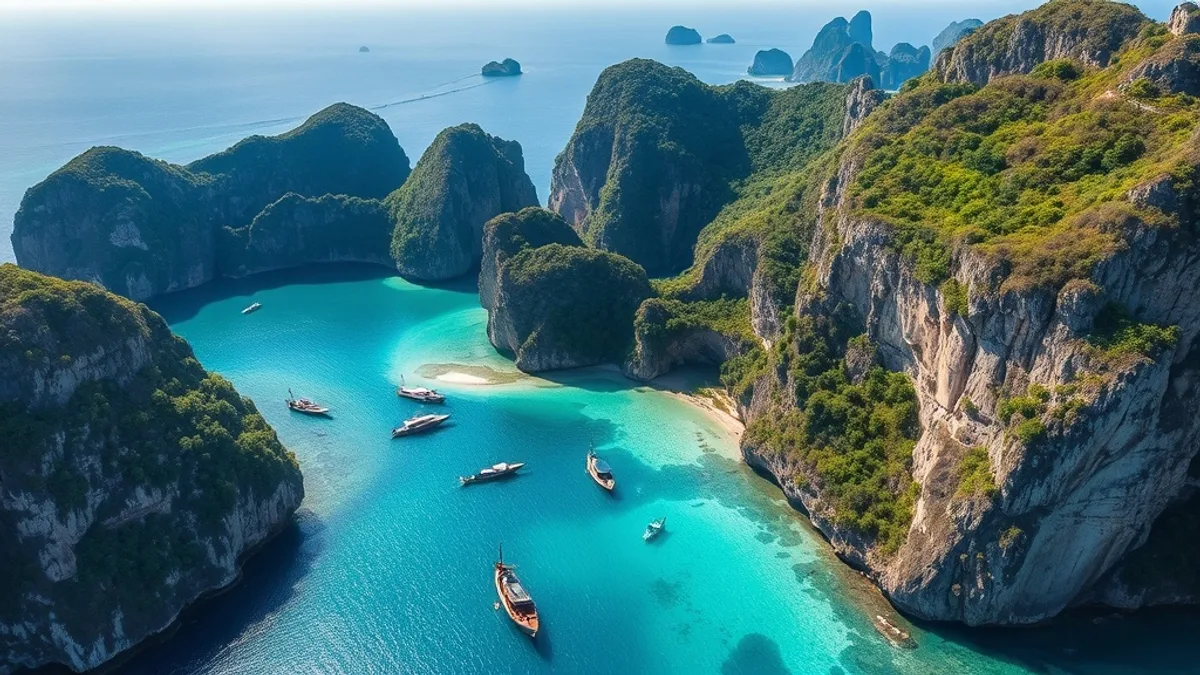
The Andaman Sea that surrounds Phuket is not one destination — it is an archipelago of discoveries, a seascape of limestone karst formations rising from water of colours that strain the vocabulary of ordinary description: jade, turquoise, ultramarine, the particular metallic blue-green of shallow coral sand that has no agreed name and is seen nowhere else on earth. Island hopping from Phuket puts you at the centre of one of the world's most celebrated marine environments, with access to destinations that have appeared in international film productions, dominated travel wish lists for decades, and still manage — if you choose your moments and your operators carefully — to deliver the sensation of paradise that the photographs promise. Phi Phi Leh's Maya Bay, James Bond Island in Phang Nga Bay, the Similan Islands' offshore reef systems, the gentler pleasures of Racha Yai and Coral Island — each of these is a different kind of extraordinary, and Phuket's position as the transport hub of the Andaman coast makes all of them accessible on day trips or overnight adventures from a single base. The question is not whether to go but how to go — the choices you make about operators, timing, and responsible tourism practices will determine whether you experience something genuinely transcendent or merely a crowded tourist product.
Overview
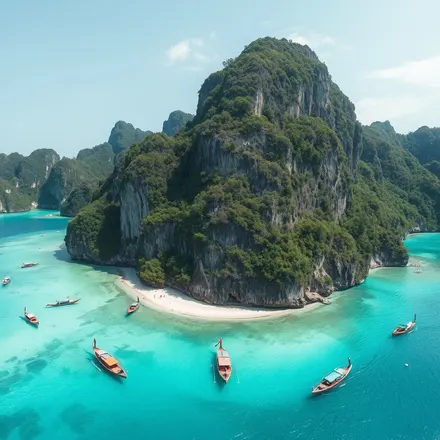
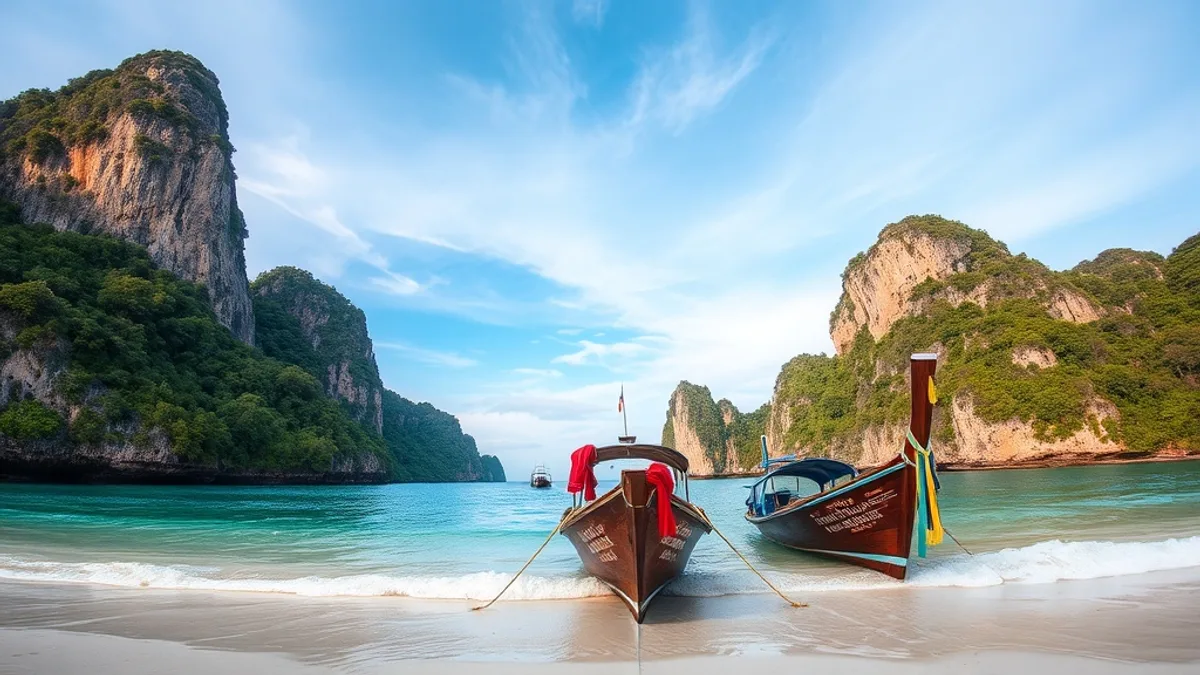
The Phi Phi Islands — a group of six limestone islands approximately 45 kilometres southeast of Phuket — are the most famous island hopping destination in the Andaman Sea and represent the full spectrum of Thai island tourism from blissful to overwhelming. Phi Phi Don, the only inhabited island in the group, has an interior bay on each side linked by a narrow sand bar village that functions as a small resort town with a surprisingly active nightlife, dozens of accommodation options ranging from beachside bungalows to midrange resort hotels, and a dive centre count that reflects the exceptional underwater terrain in the surrounding waters. The beaches of the island's eastern side — Hat Yao and Laem Tong — remain among the most beautiful in Thailand in terms of physical setting. Phi Phi Leh, the smaller uninhabited sister island, contains Maya Bay — the beach that achieved global celebrity as the filming location for The Beach (2000) and thereafter attracted visitor numbers that caused measurable damage to its coral ecosystem. Maya Bay has been periodically closed for restoration since 2018 and currently operates with a capped daily visitor limit and a protocol that requires boats to anchor away from the beach and visitors to swim or take a tender ashore. These restrictions, while inconvenient for some operators, have allowed the bay's corals to begin recovering and mean that the experience of visiting now is meaningfully better than the overcrowded product of the pre-closure years.
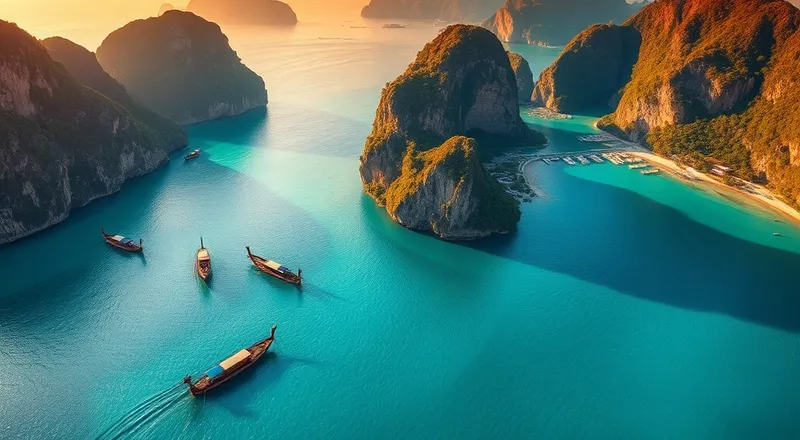
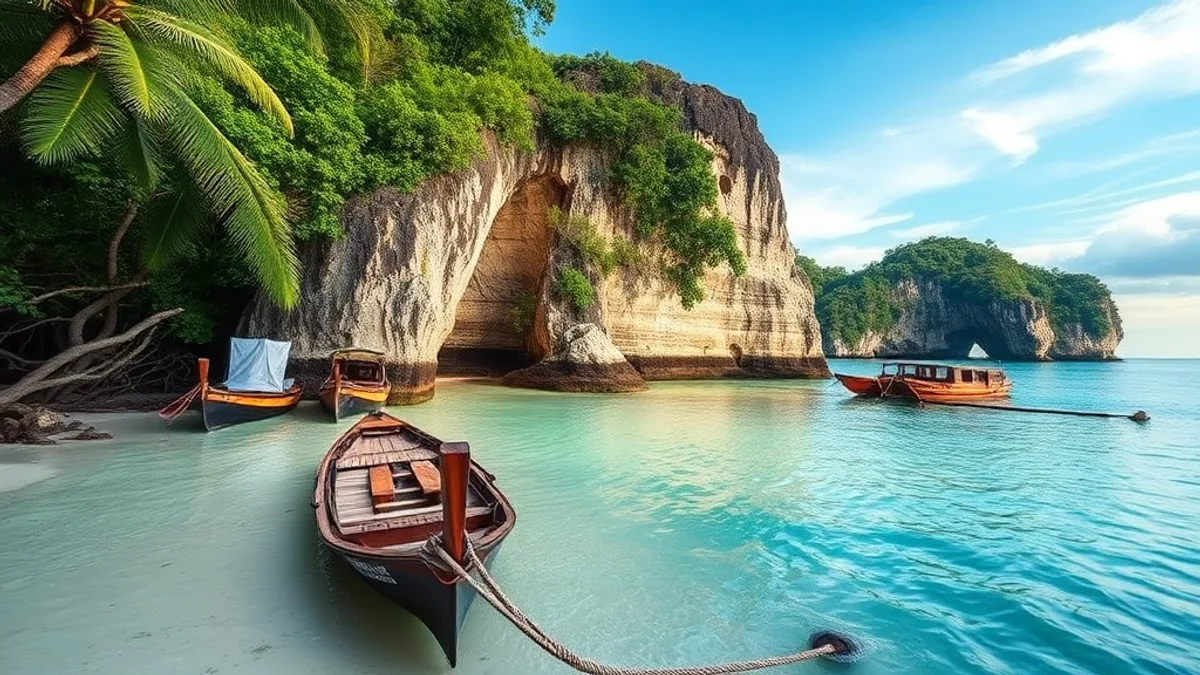
Phang Nga Bay, the extraordinary marine landscape northeast of Phuket, offers a fundamentally different island experience from the Phi Phi circuit. The bay's defining feature is its collection of vertical limestone karst islands — the same geological formations as Halong Bay in Vietnam but in warmer water with less humidity — which rise from flat water in shapes that range from perfectly vertical columns to impossibly top-heavy mushroom formations. James Bond Island (Koh Tapu, meaning Nail Island) achieved its name from its appearance in The Man with the Golden Gun (1974) and is now one of Thailand's most visited natural landmarks, with day trip crowds that make early morning the only practical time for photography. The bay also contains hongs — sea caves with collapsed rooftops that create enclosed lagoons accessible only at low tide by sea kayak — and floating villages at Ko Panyi where a Muslim fishing community has lived on stilts above the water for generations. A full Phang Nga Bay day tour from Phuket by speedboat covers the major sites in 8-10 hours and costs approximately 2,000-2,800 THB.
The Similan Islands, located approximately 70 kilometres northwest of Phuket in the open Andaman Sea, represent a more demanding commitment but a proportionally greater reward for snorkellers and divers. The national marine park encompasses nine islands with some of the clearest water and most diverse coral systems in Thailand — visibility regularly exceeds 20 metres and the mix of hard and soft coral with pelagic fish traffic has consistently placed Similan among the world's top ten dive destinations in international rankings. The islands are accessible only by liveaboard dive boat (two to four nights, 10,000-18,000 THB) or by a limited number of day trip speedboats from Khao Lak (closer than Phuket, approximately 2.5 hours). The park is closed from mid-May to mid-October to allow ecosystem recovery — this closure is strictly enforced.
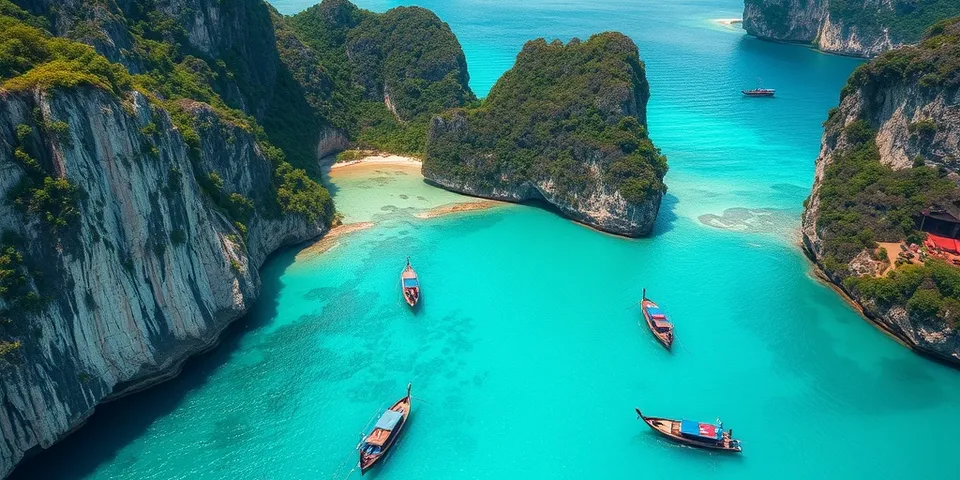
For visitors wanting island beauty without the logistical commitment of Phi Phi or Similan, Racha Yai (Raya Island) approximately 12 kilometres south of Phuket offers spectacular snorkelling in bays with sandy bottoms and good coral coverage, a relaxed resort and bungalow scene, and a travel time of just 40-60 minutes by speedboat. Coral Island (Koh Hae), even closer at 30 minutes from Chalong Pier, is the most accessible day trip from Phuket and suits families and non-swimmers with its calm turquoise bay, banana boat rides, and simple seafood restaurants on the beach. Day trip speedboat packages to Racha Yai cost approximately 1,200-1,800 THB including snorkelling equipment and lunch.
Highlights
- Maya Bay at Phi Phi Leh — the iconic beach of The Beach film, now accessed under conservation protocols that have allowed coral recovery
- Phang Nga Bay sea kayaking through hongs (sea cave lagoons) — one of the most magical experiences in southern Thailand
- James Bond Island (Koh Tapu) — the vertical limestone needle from The Man with the Golden Gun rising from Phang Nga Bay
- Similan Islands diving and snorkelling — among the top ten dive destinations in the world with 20m+ visibility
- Ko Panyi floating village in Phang Nga Bay — Muslim fishing community living on stilts since the eighteenth century
- Racha Yai island day trip — 12km from Phuket, excellent snorkelling in calm turquoise bays, 40 minutes by speedboat
- Sunset longtail boat tour through Phi Phi Don's outer bays — the most atmospheric and affordable island experience
- Phi Phi Don overnight stay — exceptional beach setting with Phi Phi Leh as an early morning day trip before the crowds arrive
- Responsible tourism at Maya Bay — swimming from anchored boats and limited daily visitor numbers preserving a recovering ecosystem
The Andaman Sea island hopping season runs from October to April during the northeast monsoon when seas are calm and visibility is excellent. November to April is the prime window with December to February being peak season for both conditions and crowds. May to October is southwest monsoon season — rough seas make most island trips inadvisable or impossible, several national marine parks including Similan close entirely, and many Phi Phi operators suspend services in the roughest months (June-September). If visiting in shoulder months of May or October, check sea conditions with operators before booking.
Practical Information
Cost Level
Day trip from Phuket to Phi Phi by speedboat: 1,500-2,200 THB including snorkelling and lunch. Phang Nga Bay full day tour: 2,000-2,800 THB. Racha Yai day trip: 1,200-1,800 THB. Coral Island half-day trip: 800-1,200 THB. Similan Islands liveaboard: 10,000-18,000 THB for 2-4 nights. National park fees (Phi Phi: 400 THB, Similan: 500 THB) are often included in tour prices but confirm before booking. Phi Phi overnight accommodation ranges from 800 THB (basic fan bungalow) to 4,000+ THB for beachfront resorts.
Tips
Book island hopping tours through established operators from Phuket marinas (Rassada Port for Phi Phi, Ao Por for Phang Nga, Chalong for Racha and Coral Island) rather than from beach touts. Speedboat tours are faster but rougher — if you are susceptible to motion sickness, take medication before departure and consider big boat tours for the Phi Phi circuit. Wear water shoes as many island beaches have submerged rocks and coral. Apply reef-safe sunscreen (mineral-based SPF 30+) before entering the water — chemical sunscreens have been shown to damage coral and are banned at some marine parks. Leave no waste on any island — most marine park islands have no waste collection.
Our creators on the ground in Phuket share their best recommendations in their videos.
Places in this Guide
Discover the attractions and locations featured in this travel guide.
Explore Phuket
Phuket
ภูเก็ตPhuket is Thailand's most popular island and a playground for expats, luxury travellers and content creators. White beac...All creators from Phuket →Location & Orientation
Frequently Asked Questions
Is Maya Bay at Phi Phi open for tourists in 2026?
Maya Bay is open in 2026 under a conservation management protocol introduced after its landmark closure in 2018. The current system limits daily visitor numbers and requires tour boats to anchor offshore rather than landing directly on the beach. Visitors swim or take a tender ashore, which meaningfully reduces the physical impact on the beach and surrounding shallows. The coral recovery visible since the closure has been significant — marine biologists monitoring the site have documented new coral growth and improved fish diversity. Book through operators who comply with the national park protocols and avoid any operator claiming unrestricted beach landing access, which would indicate non-compliance.
What is the difference between a speedboat tour and a big boat tour to Phi Phi?
Speedboat tours reach Phi Phi in about 40-45 minutes and allow more sites to be covered in a single day. They are the dominant option for day trips and offer flexibility. The disadvantage is that they are significantly rougher in choppy conditions and some passengers experience motion sickness. Big boat tours (often Chinese-owned catamaran or luxury vessel operations) take 1.5-2 hours each way but are more stable and comfortable, typically include meals on board, and cater to families and passengers who prefer comfort over speed. Prices are similar. Overnight or multi-day sailing trips on private yachts or chartered catamarans allow much more relaxed exploration and access to anchorages not reachable on day tours.
Can I visit the Similan Islands on a day trip from Phuket?
Technically possible but not recommended. The Similan Islands are approximately 70-80 kilometres northwest of Phuket, and the speedboat journey takes about 2.5-3 hours each way, leaving very little time on the islands for a day trip departure from Phuket. Most operators who offer Similan day trips depart from Khao Lak (about 80 kilometres north of Phuket), which cuts the journey to around 1.5 hours each way. For a genuine Similan experience — and particularly for any serious diving — a liveaboard of two to four nights is strongly recommended. This allows diving at the best sites at optimal times and access to sites inaccessible to day trips.
What should I pack for an island hopping day trip from Phuket?
Essential packing for an Andaman island day trip: reef-safe mineral sunscreen SPF 50+ (applied before boarding to protect both your skin and the marine environment), a rash guard for extended snorkelling, water shoes with rubber soles, a dry bag for phone and valuables, prescription anti-nausea medication if susceptible to motion sickness (take 30 minutes before boarding), a reusable water bottle (single-use plastic bottles are banned at several marine parks), and a lightweight towel. Underwater cameras and diving masks are worth bringing if you have them as rental equipment at island sites is often basic. Most speedboat tours provide snorkelling masks and fins but quality varies.
Is island hopping from Phuket appropriate for non-swimmers and young children?
Several island day trips from Phuket are well-suited to non-swimmers and families with young children. Coral Island (Koh Hae) and Racha Yai offer calm, shallow bays where non-swimmers can enjoy the water while swimmers and snorkellers explore further out. Phang Nga Bay kayaking tours do not require swimming ability as the sea kayaks are stable and life vests are always provided. The glass-bottom boat option available at several sites allows non-swimmers to see underwater life without entering the water. For very young children (under 3), the speedboat journey to Phi Phi is too rough and long — closer destinations like Coral Island (30 minutes) are more appropriate.