Introduction
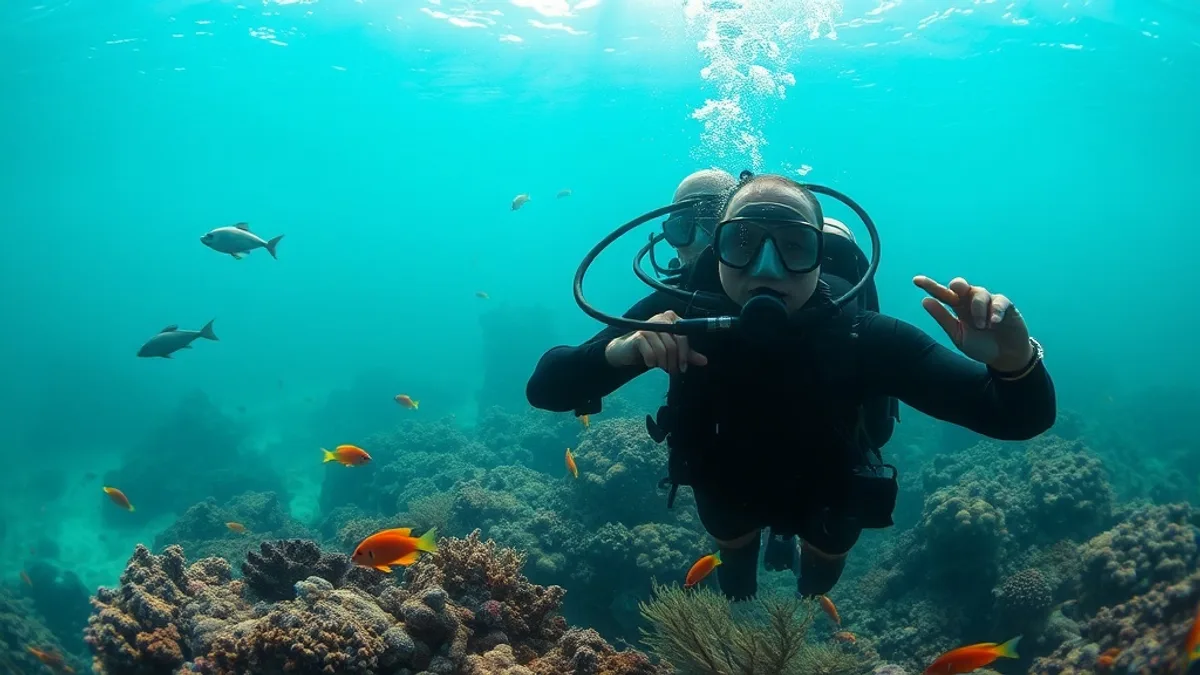
Every few years, a travel statistic emerges that reshapes the way the industry thinks about a destination. For Koh Tao, the defining statistic is this: more PADI Open Water certifications are issued here than at any other single location on the planet. A small island in the Gulf of Thailand measuring roughly 21 square kilometres has become, through a combination of extraordinary marine life, reliable warm and clear water, and prices that make professional diving certification accessible to the global backpacker economy, the single most important entry point into recreational scuba diving in the world. For non-divers, the statistic functions as an invitation: if the world's diving population concentrates here to learn, there is evidently something underwater worth investigating. For certified divers, Koh Tao's deeper sites — Sail Rock with its resident whale sharks, Chumphon Pinnacle with soft coral formations of gallery-level beauty — justify a visit on pure diving terms, independent of the certification pricing. This guide covers both.
Overview
The diving economy of Koh Tao is built on a virtuous cycle that has reinforced itself for three decades. The island's first dive schools opened in the early 1990s when PADI certification costs throughout Asia were approximately equivalent to European and American prices. Enterprising early operators identified the Gulf's conditions — warm water (28-30°C year-round), excellent visibility (typically 10-25 metres, sometimes exceptional), rich biodiversity, and protected dive sites accessible within 30 minutes of the main pier — as ideal for beginner diving, and began competing aggressively on price. That competition eventually settled at a PADI Open Water course price of approximately 8,500 to 10,000 THB (220-260 EUR) including all certification materials, equipment use, classroom sessions, pool sessions, and open water dives — a price that represents perhaps 40 percent of the equivalent course cost in European or North American dive shops. The resulting volume of students (estimates suggest 100,000 or more certifications per year across Koh Tao's 60-plus dive schools) has created an industry infrastructure of exceptional quality: professional instructors, well-maintained equipment, and a culture of safety that belies the low pricing. The island produces legitimate, internationally valid certifications.
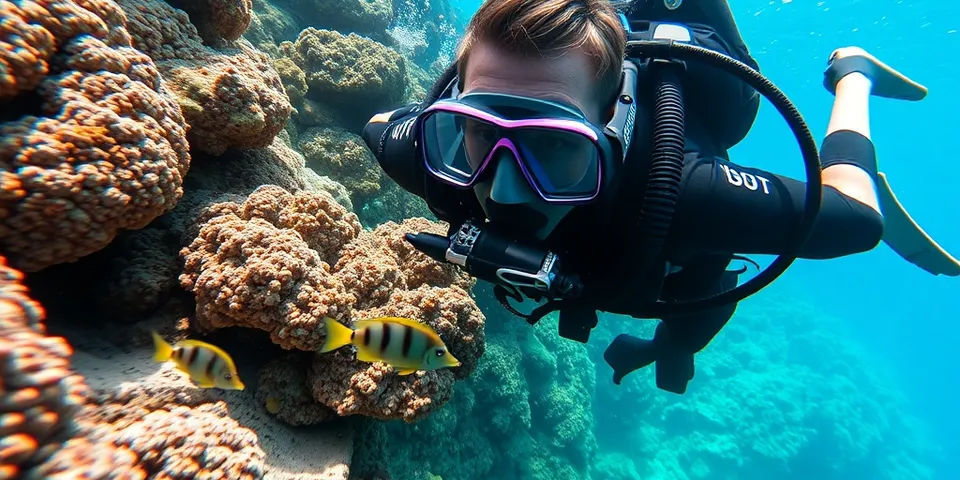
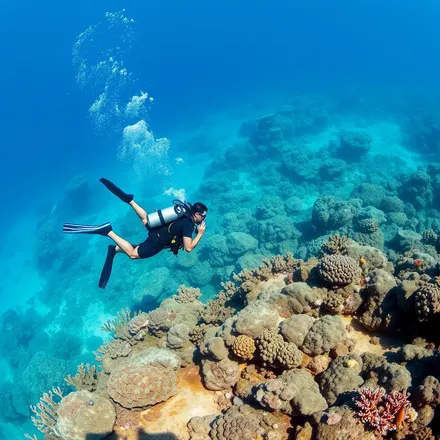
Koh Tao's dive sites range from genuinely beginner-friendly shallow reef environments to advanced sites requiring diver certification well beyond Open Water. For beginning divers, the sites surrounding the island's main beaches — Japanese Gardens near Koh Nang Yuan, White Rock off the northwest coast, and the shallow reef at Shark Bay — offer visibility and marine life density that would be remarkable at a mature dive destination charging five times the price. Blacktip reef sharks cruise the shallows at Shark Bay in numbers that still surprise visitors who encounter them while snorkelling; turtles are commonly seen at multiple sites around the island; and the soft coral coverage on the better-maintained reef sections is rich enough to provide a genuinely beautiful underwater environment for beginners focusing primarily on the experience of breathing underwater.
For experienced divers, the outer sites justify Koh Tao's international reputation on entirely different terms. Sail Rock, a dramatic underwater pinnacle rising from 40 metres to break the surface between Koh Tao and Koh Phangan, is one of the Gulf of Thailand's defining dive sites. The thermocline effect at Sail Rock — where cold nutrient-rich water from the deep meets the warm surface layer — drives a food chain that supports extraordinary marine life concentration. Giant soft coral formations in shades of purple, orange, and red cover the rock's vertical walls. Large schools of barracuda, trevally, and surgeon fish move through the water column. Whale sharks — the ocean's largest fish, harmless filter-feeders — visit Sail Rock with enough regularity that dedicated liveaboard operators build itineraries around the site, particularly during the March to April and October to November peak seasons. Chumphon Pinnacle, further north from Koh Tao, offers equally impressive soft coral coverage with strong current that brings pelagic species including large dogtooth tuna, rainbow runners, and occasional manta rays. Hin Wong Pinnacle, on Koh Tao's less-visited east coast, rewards the extra boat time with consistently excellent visibility and healthy coral coverage.
Snorkelling from Koh Tao's beaches is genuinely productive — an unusual situation that most tropical island destinations cannot claim. Shark Bay (Haad Tien) offers the most reliable snorkelling directly from the shore, with blacktip reef sharks visible in the sandy shallows from the beach within metres of dry land. Japanese Gardens, accessible by longtail boat from Mae Haad, is a shallow coral garden of exceptional variety and colour suitable for snorkellers of all ability levels. Mango Bay on the north coast is accessible only by boat and rewards the journey with pristine coral and outstanding visibility. Conservation projects including Save Koh Tao and associated reef restoration programmes have made measurable improvements to reef condition at several of the island's snorkelling sites, with coral nurseries producing transplant material for degraded sections.
Highlights
- More PADI Open Water certifications issued here than anywhere else on earth — the world's dive certification capital
- PADI Open Water course 8,500-10,000 THB including certification, equipment and all dives — approximately 40% of European or North American prices
- Sail Rock — the Gulf of Thailand's premier dive site, giant soft corals, whale sharks seasonally, massive fish schools on a dramatic pinnacle
- Chumphon Pinnacle — advanced site with strong currents, extraordinary soft coral walls, pelagic fish including dogtooth tuna
- Whale shark season — March-April and October-November peak periods, with Sail Rock as the most reliable encounter site
- Shark Bay snorkelling — blacktip reef sharks visible in the shallows directly from shore, no boat or equipment required
- Japanese Gardens — shallow coral garden near Koh Nang Yuan, exceptional variety and colour, ideal for beginner snorkellers
- Night diving at Koh Tao — dramatically different marine life after dark, octopus, crustaceans, sleeping reef fish
- Freediving — a rapidly growing community with courses and instruction available, different approach to the same extraordinary underwater world
- Save Koh Tao coral restoration — active reef rehabilitation programme, dive volunteers participating in genuine conservation work
Koh Tao diving is possible year-round, but conditions and marine life vary significantly with the seasons. March through October (dry season on the Gulf's western coast) offers the best overall diving conditions — calm seas, excellent visibility (15-25 metres), and the best chance of whale shark encounters during the peak March-April and October-November windows. November through February brings occasional north-easterly swells that affect visibility at some sites and limit boat access to exposed locations, though many sites remain diveable and this period sees fewer divers on the island, shorter wait times at dive schools, and lower accommodation prices. June through September is the most popular tourist period with the longest days, warmest temperatures, and highest boat traffic but generally good visibility.
Practical Information
Cost Level
Diving costs at Koh Tao: PADI Open Water certification 8,500-10,000 THB. Advanced Open Water 7,000-8,500 THB. Rescue Diver course 9,000-11,000 THB. Divemaster training 30,000-45,000 THB (a popular option for gap-year travellers who want to extend their Koh Tao stay while gaining professional qualification). Fun dives for certified divers 700-1,000 THB per dive with equipment. 10-dive packages with equipment 7,000-9,000 THB. Snorkel day trip 500-800 THB including guide, boat, and equipment. The financial case for getting certified on Koh Tao rather than at home is straightforward for almost any diver planning a Thailand trip — the savings on the Open Water course alone often cover a significant portion of the Koh Tao travel costs.
Tips
Choose your dive school carefully — Koh Tao has over 60 schools ranging from excellent to indifferent. Look for schools with current PADI 5-Star status, high instructor-to-student ratios (maximum 4 students per instructor for Open Water), and reviews that specifically mention patience with nervous beginners or attention to safety protocols. Visit two or three schools in person before committing — the instructor you will be learning with matters more than the school's branding. For whale shark encounters at Sail Rock, book through a school that runs dedicated Sail Rock day trips rather than multi-site tours — the extra bottom time at the site dramatically increases encounter probability. Freediving courses have expanded significantly on Koh Tao and are now available at professional instruction level; SSI and PADI freediving courses start at approximately 7,000 THB for beginner level.
Our creators on the ground in Koh-tao share their best recommendations in their videos.
Places in this Guide
Discover the attractions and locations featured in this travel guide.
Explore Koh Tao
Koh Tao
เกาะเต่าKoh Tao, meaning 'Turtle Island,' is a world-renowned diving paradise in the Gulf of Thailand. This small island has bec...All creators from Koh Tao →Location & Orientation
Frequently Asked Questions
Is Koh Tao safe for beginner divers and how good are the dive schools?
Koh Tao has an excellent overall safety record for beginner diving, and the quality of instruction at the island's established dive schools is genuinely high. The low price of certification has driven competition on quality as well as price — schools that provide poor instruction or unsafe practices lose reputation in a traveller community that reviews and researches extensively before committing to a course. PADI's 5-Star IDC (Instructor Development Centre) rating requires demonstrated standards of instruction, safety, and student outcome that many Koh Tao schools have maintained consistently. For beginners, the key safety consideration is choosing a school with low student-to-instructor ratios for open water dives (maximum 4:1 is the PADI standard) and never accepting a school that offers significantly below-market prices, which typically indicates corner-cutting on instructor time or equipment maintenance.
Can I see whale sharks on Koh Tao and what are my chances?
Whale shark encounters at and around Koh Tao are real and reasonably frequent rather than exceptional. The most reliable encounter site is Sail Rock, the underwater pinnacle between Koh Tao and Koh Phangan, where the thermocline effect creates nutrient concentrations that attract these filter-feeding giants. The highest probability periods are March through April and October through November, when water temperatures and current patterns align with whale shark feeding behaviour. During these windows, dedicated Sail Rock dive trips have reported whale shark encounters on a significant proportion of dive days. Outside peak seasons, encounters still occur but are less frequent and less predictable. Whale sharks are harmless to divers and snorkellers — these are the world's largest fish, filter-feeding on plankton and small fish — and encounters typically involve the animal swimming slowly at close range for extended periods before descending.
What is the difference between diving and snorkelling on Koh Tao?
Koh Tao is unusually good for both activities, which is not universally true of dive destinations — many excellent dive sites are too deep for snorkelling to provide a meaningful experience. On Koh Tao, the shallower sites around the island's beaches and rocky headlands offer snorkelling that is genuinely rewarding: blacktip reef sharks at Shark Bay, coral gardens at Japanese Gardens, turtles at Aow Leuk and Hin Wong, and diverse reef fish throughout the island's sheltered bays. The deeper outer sites — Sail Rock, Chumphon Pinnacle, Southwest Pinnacle — require scuba diving to access their full range of marine life, particularly the large pelagic species and the dramatic soft coral formations below 10 metres. If you are committed to snorkelling only, Koh Tao still delivers an excellent experience; if you are open to learning to dive, Koh Tao is the most economically rational place on earth to do so.
How long do I need on Koh Tao to complete a PADI Open Water course?
The standard PADI Open Water course takes a minimum of three and a half days to complete — typically starting with e-learning (online theory completed before arrival) or classroom sessions on day one, pool sessions on day one or two, and three to four open water dives spread across two to three days depending on weather and scheduling. Most students complete the full certification in four days. Schools encourage arrival with e-learning already completed, which reduces in-person course time by approximately one day and allows more of your Koh Tao time for actual ocean diving. Plan for five days minimum if you want the full Open Water course plus a couple of fun dives after certification to enjoy your new skills without the structure of a course. Many divers extend to Advanced Open Water (an additional two to three days) since the pricing premium over base Open Water is modest.
What is the marine conservation situation on Koh Tao and how is the reef?
The reef health on Koh Tao is a mixed picture that requires honest assessment. Decades of intense diving tourism, combined with the impact of the 2010 coral bleaching event and subsequent bleaching episodes driven by rising sea temperatures, have caused measurable degradation at the most heavily dived sites closest to the main beach areas. The good news is that active conservation efforts — coordinated under the Save Koh Tao initiative and supported by the dive schools that have the most to lose from reef degradation — have made measurable progress in reef restoration through coral fragment nurseries and transplantation programmes. Dive instructors from multiple schools contribute volunteer hours to monitoring and restoration work. The outer sites (Sail Rock, Chumphon Pinnacle, Hin Wong) are significantly healthier than the sites adjacent to the main beaches, partly due to their greater depth and remoteness from high-volume snorkel tours. The overall trajectory of Koh Tao's reef health is carefully monitored and slowly improving at restored sites.