Introduction
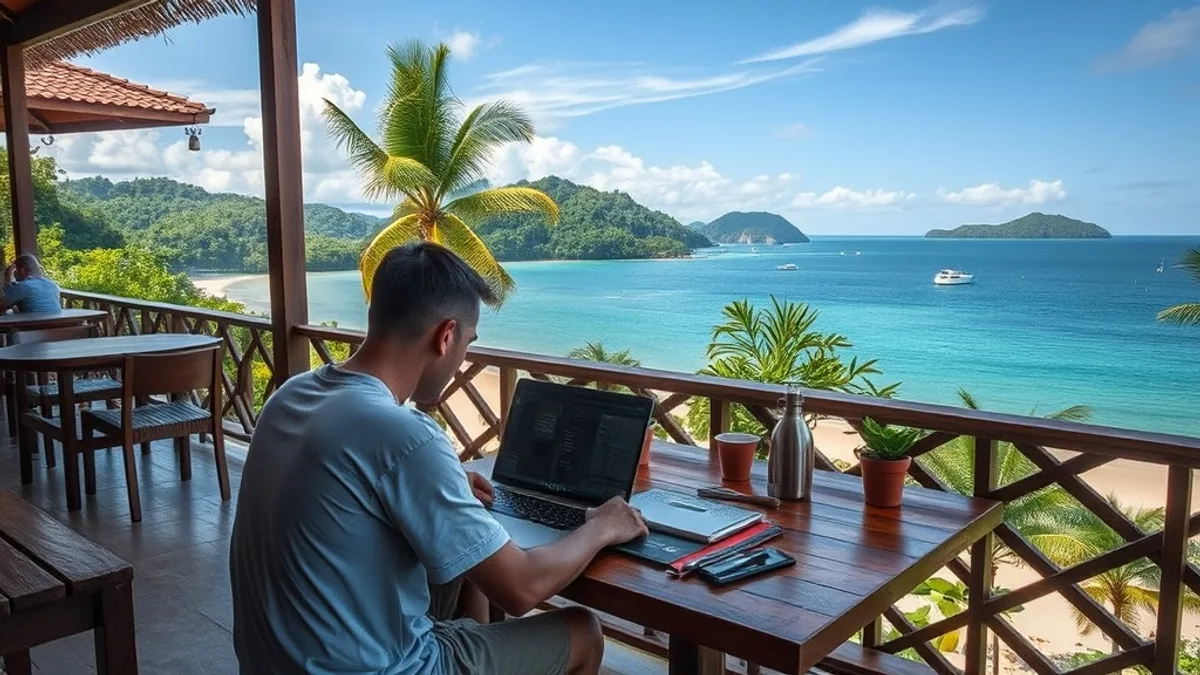
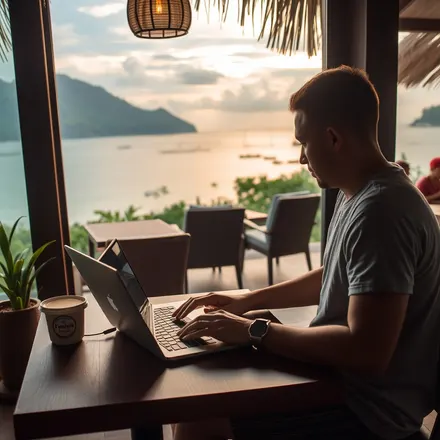
The case for working remotely from Koh Tao seems, at first consideration, almost too obvious to require making. The island is small enough to walk across in an afternoon, beautiful enough that the commute between accommodation and café involves passing turquoise bays and granite boulders, cheap enough that a comfortable month costs less than a week in most European cities, and socially rich enough — via the dive school and expat community — that isolation is never a genuine risk. What makes Koh Tao a genuinely viable rather than merely aspirational remote work location is that the practical infrastructure has improved dramatically over the past decade: fiber internet has arrived in the island's main settlement areas, co-working options have developed, and the combination of affordable long-stay accommodation, SIM card connectivity, and a community of people doing exactly this work-life balance experiment has created something approaching a functional nomad ecosystem on a tiny Gulf of Thailand island.
Overview
The internet situation on Koh Tao has been a persistent concern for digital nomads since the island first attracted remote workers, and the honest assessment in 2026 is that it is now genuinely usable for most professional remote work with appropriate backup planning. Fiber optic cable reaches the island and several cafés, co-working spaces, and accommodation providers have invested in fiber connections that deliver reliable 50-150 Mbps symmetric speeds under normal conditions. The critical limitation is that the island's submarine cable connections are vulnerable to weather events and boat anchor damage — outages occur a handful of times per year and can last from hours to multiple days. For remote workers with hard deadlines and mission-critical video calls, having a 4G/5G mobile data backup is non-negotiable. AIS and DTAC both provide strong 4G coverage across the island's main settlement areas (Mae Haad and Sairee) with reliable enough signal for video calling from most café locations. The speed differential between peak and off-peak internet hours is noticeable — early morning (before 9am) café internet is consistently faster than afternoon hours when tourist demand peaks.
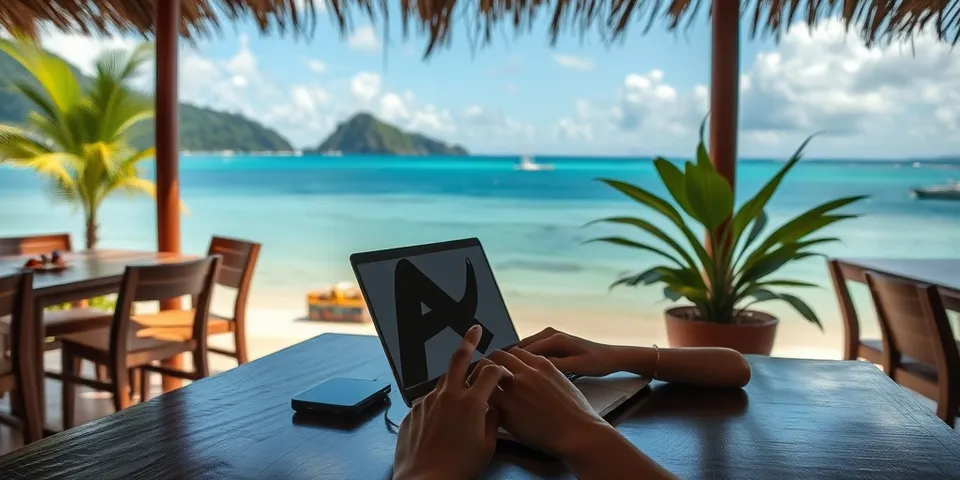
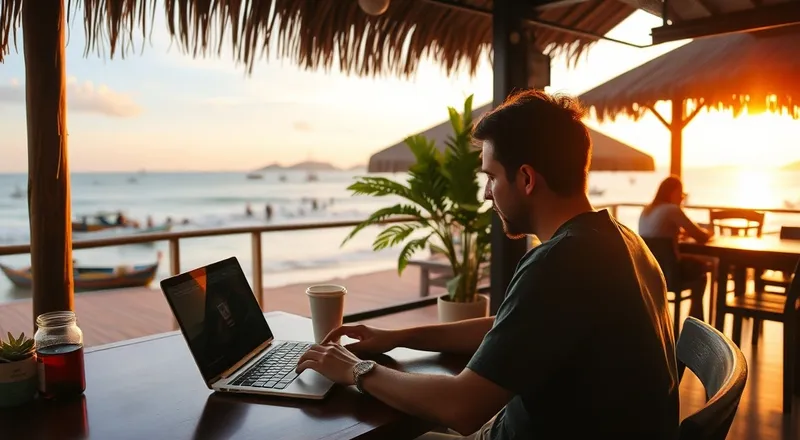
The best cafés for digital nomad work on Koh Tao are concentrated in Mae Haad and along the road connecting Mae Haad to Sairee Beach. Coffee Corner, near Mae Haad pier, has built a quiet reputation among longer-stay island workers for reliable WiFi, comfortable seating arrangements with dedicated power outlets at most positions, and a proprietor who genuinely welcomes laptop workers rather than tolerating them. Koh Tao Coffee, on the Mae Haad to Sairee road, is similarly laptop-friendly with a pleasant garden setting and good espresso at prices that feel almost incomprehensibly low relative to European café standards (70-120 THB for a high-quality espresso-based drink). Border Bakery, closer to the Sairee Beach area, attracts the younger nomad and diver demographic with good WiFi, working-hours-length seating tolerance, and a menu that extends to reliable Western breakfast and lunch options. Most cafés do not formally advertise themselves as co-working spaces but operate effectively as such — the cultural norm on Koh Tao is that laptop workers are welcome, and most café owners understand that the nomad population is a significant and reliable revenue stream.
Accommodation for longer stays on Koh Tao ranges from basic fan-cooled beach bungalows at 5,000 to 7,000 THB per month to more comfortable air-conditioned rooms or small studio apartments at 8,000 to 12,000 THB per month. The sweet spot for nomads balancing cost with liveability is typically a fan-cooled bungalow with strong WiFi at one of the Mae Haad or lower Sairee guesthouses — cool-season months are comfortable with a fan, and the cost savings over air-conditioning add up significantly over a multi-month stay. Monthly rates are negotiable and significantly below the sum of daily rates — visiting accommodation options in person and asking specifically about monthly rates typically unlocks offers not listed on booking platforms. The island's cost of living advantage over Thai mainland cities becomes most apparent in accommodation: a comparable-quality room in Chiang Mai's Nimman neighbourhood at monthly rates would cost 12,000-18,000 THB; on Koh Tao the equivalent quality is available for 8,000-12,000 THB in a location that provides infinitely more lifestyle compensation.
The Koh Tao nomad community is smaller and less formally organised than Chiang Mai's but maintains a genuine social infrastructure. The dive schools function as an accidental community engine — the instructors, who typically live on the island for months or years, constitute a community of international long-term residents whose social networks extend across all the island's accommodation types and social venues. Nomads who arrive on Koh Tao as strangers typically find their social situation transformed within days simply by spending time at dive school tables and café terraces. Monthly nomad meetups, informal WhatsApp groups, and social events organised through the island's dive community provide ongoing connection. The unique Koh Tao proposition for nomads is the combination of work and PADI certification — many remote workers time a Koh Tao stay to coincide with getting their Open Water or Advanced certification, effectively turning a four-day diving course into a productivity-and-adventure package.
Highlights
- Fiber internet in Mae Haad and Sairee — 50-150 Mbps at best café locations, 4G/5G backup via AIS/DTAC for outage resilience
- Coffee Corner near Mae Haad pier — reliable WiFi, dedicated power outlets, long-stay laptop worker culture
- Border Bakery Sairee area — good WiFi, Western breakfast and lunch menu, popular with the dive and nomad community
- Monthly bungalow accommodation 5,000-12,000 THB — negotiable monthly rates unavailable on booking platforms, visit in person
- Combined nomad + PADI certification stay — Open Water course in 4 days while working remotely the rest of the time
- AIS and DTAC 4G/5G coverage — strong mobile data across Mae Haad and Sairee, essential backup for cable outage periods
- Dive instructor expat community — long-term island residents who form the social backbone of the nomad experience
- Scooter rental 200-300 THB/day — essential for accessing the full island, reaching quieter beaches on non-work afternoons
- Monthly cost of living 30,000-45,000 THB — accommodation, food, WiFi, scooter, dive activities, all included
- Work-life balance built into the geography — 15-minute scooter ride separates any work café from a pristine snorkelling bay
For digital nomads, the best months on Koh Tao are May through October — dry season on the Gulf's western coast, calm seas for after-work snorkelling and diving, and the island's most comfortable outdoor temperatures. March and April are also excellent. November through February brings occasional swell and sometimes grey skies on west-facing beaches, though the island remains fully functional for work. This period also has lower accommodation prices and a smaller nomad population, which can mean more space in cafés and better accommodation bargaining positions. Avoid Thai school holiday periods (October, December-January, April) for best café availability and quieter working conditions.
Practical Information
Cost Level
Monthly cost breakdown for a Koh Tao digital nomad: fan-cooled bungalow 5,000-8,000 THB; air-conditioned room 8,000-12,000 THB; food (mix of local and Western cafés) 8,000-12,000 THB; café WiFi expenses (typically covered by food and drink purchases) 2,000-4,000 THB; scooter rental 4,000-6,000 THB per month; AIS/DTAC SIM with data plan 200-400 THB; laundry 400-800 THB; weekend diving or snorkelling activities 2,000-4,000 THB. Total comfortable nomad budget: 25,000-45,000 THB per month. The PADI Open Water course (8,500-10,000 THB) is a one-time addition that most first-time visitors consider a mandatory investment during their initial stay.
Tips
Negotiate monthly accommodation rates by visiting guesthouses in person during your first two days on the island — WhatsApp the guesthouse owner directly rather than booking through platforms, and be specific about your duration and remote work requirements (power outlet access, WiFi quality). Test the café WiFi with a speed test before committing to a morning of work at a new venue — Speedtest.net or Fast.com both work reliably on Thai mobile data. Purchase a local SIM card at the pier on arrival (both AIS and DTAC have stalls at Mae Haad pier when ferries arrive). For dealing with internet outages, download critical project files locally before starting work each day and use offline editing tools where possible — outages are infrequent but Murphy's law applies most vigorously on the day of your most important video call.
Our creators on the ground in Koh-tao share their best recommendations in their videos.
Places in this Guide
Discover the attractions and locations featured in this travel guide.
Explore Koh Tao
Koh Tao
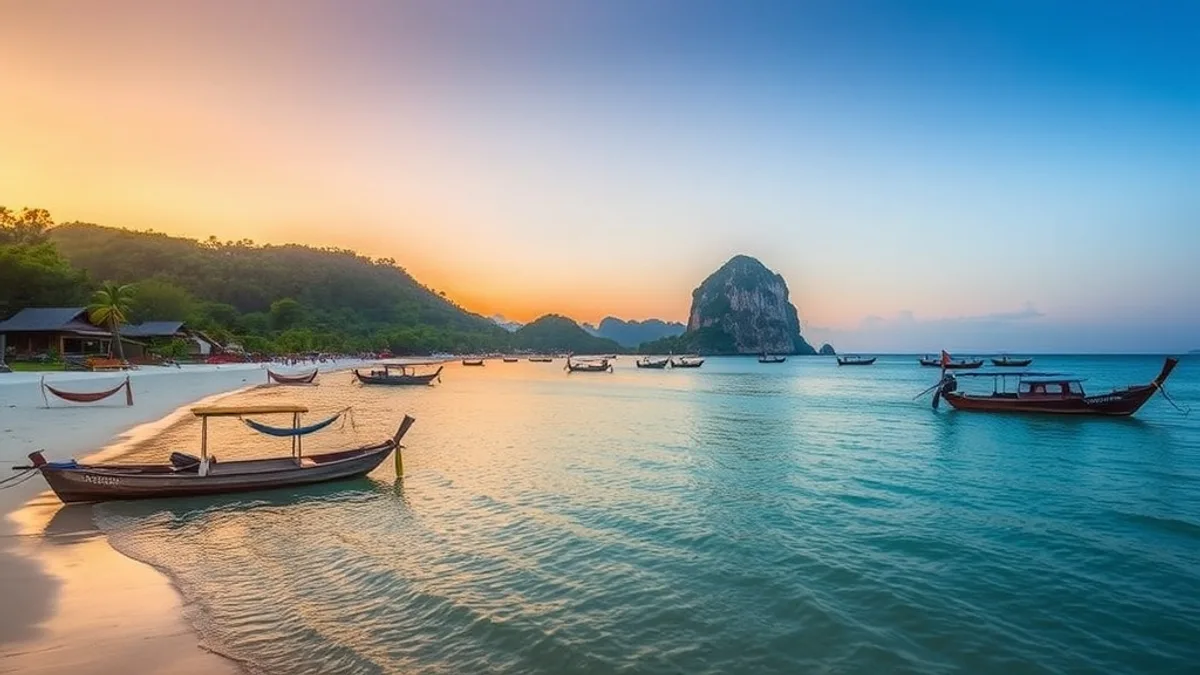
เกาะเต่าKoh Tao, meaning 'Turtle Island,' is a world-renowned diving paradise in the Gulf of Thailand. This small island has bec...All creators from Koh Tao →Location & Orientation


Frequently Asked Questions
Is the internet on Koh Tao reliable enough for professional remote work?
Koh Tao's internet is now genuinely adequate for most professional remote work with appropriate backup planning, a significant improvement over the situation five or ten years ago. Fiber connections at the better cafés and some guesthouses deliver 50-150 Mbps speeds with low latency suitable for video conferencing, cloud-based workflows, and large file transfers. The critical vulnerability is the submarine cable — outages from weather or anchor damage occur a handful of times per year and can last from hours to days. Professional nomads on the island universally maintain an AIS or DTAC 4G/5G mobile data backup that provides sufficient speeds for video calls and continued basic work during cable outages. For work that tolerates occasional disruption with advance planning, Koh Tao is a viable professional base; for work requiring guaranteed uptime with zero acceptable disruption, a mainland city with multiple cable redundancy is a safer choice.
What are the best co-working options on Koh Tao?
Koh Tao lacks the formal co-working space infrastructure of Chiang Mai or Bangkok — dedicated co-working facilities are limited and the primary work environment is the island's café culture. Coffee Corner (Mae Haad), Koh Tao Coffee (Mae Haad-Sairee road), and Border Bakery (Sairee area) are the most laptop-friendly venues with reliable WiFi and long-stay tolerance. Several dive schools have common areas with WiFi and power access that non-diving guests sometimes use informally. The informal co-working culture — finding a spot, buying coffee, settling in for several hours — functions well on Koh Tao partly because the café atmosphere is generally relaxed about duration, and partly because enough nomads are doing the same thing that it feels normalised rather than awkward. If formal dedicated desk space is a requirement, Koh Tao is not the right choice; if a good café with reliable WiFi meets professional needs, the island works excellently.
How easy is it to meet other digital nomads on Koh Tao?
Social connection on Koh Tao happens with surprising ease given the island's small size. The dive school culture is the most reliable entry point: even non-diving nomads who spend time at dive school cafés and beach areas will naturally encounter the instructor community — internationally diverse, long-term island residents who function as the social spine of island life. The Mae Haad and Sairee café circuit means that the same nomads cycle through the same venues in recognisable patterns, and familiar faces become coffee companions within days. Informal WhatsApp groups exist for the island's nomad and expat community and are typically accessible through introduction via existing members. There are no weekly formally organised meetups on the scale of Chiang Mai's nomad events, but the island's small scale makes formal structure less necessary — organic social contact is simply easier when everyone walks past everyone else multiple times per day.
Can I combine a PADI diving course with remote work during the same Koh Tao stay?
Combining remote work with a PADI Open Water certification is not only possible but is one of Koh Tao's most popular nomad itinerary patterns. The Open Water course takes four to five days of committed participation — classroom or e-learning, pool sessions, and open water dives — but typically does not occupy every hour of those days. Early morning work sessions before classroom starts, evening work after dives, and the downtime between pool and ocean sessions can accommodate continued work obligations for nomads with flexible schedules. Many Koh Tao dive schools offer scheduling flexibility that allows students to spread the course over a few extra days to accommodate ongoing work commitments. Completing e-learning before arrival (using the PADI eLearning platform) significantly reduces in-person course time and is strongly recommended for nomads planning to work during their certification period.
What visa options are available for longer nomad stays on Koh Tao?
Visa options for Koh Tao are the same as for Thailand generally, as the island has no special status. The most accessible option for shorter stays is the Tourist Visa (60 days, extendable to 90 days at the nearest immigration office — Koh Samui or the mainland). The Destination Thailand Visa (DTV), launched in 2024, allows 180-day stays for remote workers and is the cleanest current option for nomads. The Thailand LTR (Long-Term Resident) Visa provides up to 10-year residency for remote workers meeting a minimum annual income of USD 80,000. The practical immigration reality on Koh Tao is that the island's distance from immigration offices (the nearest is on Koh Samui or the mainland ferry distance away) makes visa extension logistics more complex than on the mainland — factor ferry time and overnight stays into any extension planning. Monthly ferry trips to the mainland for visa running, while possible, add meaningfully to the cost and inconvenience of long-term island living.