
Introduction
The Thailand that most visitors come looking for and few actually find is still alive in Isaan. Not the curated village experience of a northern trekking agency, not the air-conditioned simulation of a cultural theme park, but the actual daily life of people who grow rice, weave silk, raise chickens, and organize their days around the rhythms of the Buddhist calendar and the agricultural season. Isaan is the most populous and historically the poorest region of Thailand, and these facts have preserved something remarkable: a way of living that modernization has touched but not yet transformed beyond recognition. In villages around Khon Kaen, Roi Et, and Surin, women still weave silk on wooden looms. Rice farmers still plant and harvest in the ancient communal patterns. Mor Lam musicians still play at temple fairs that function exactly as they have for generations. This is not a living museum — it is simply life, continuing.
Overview
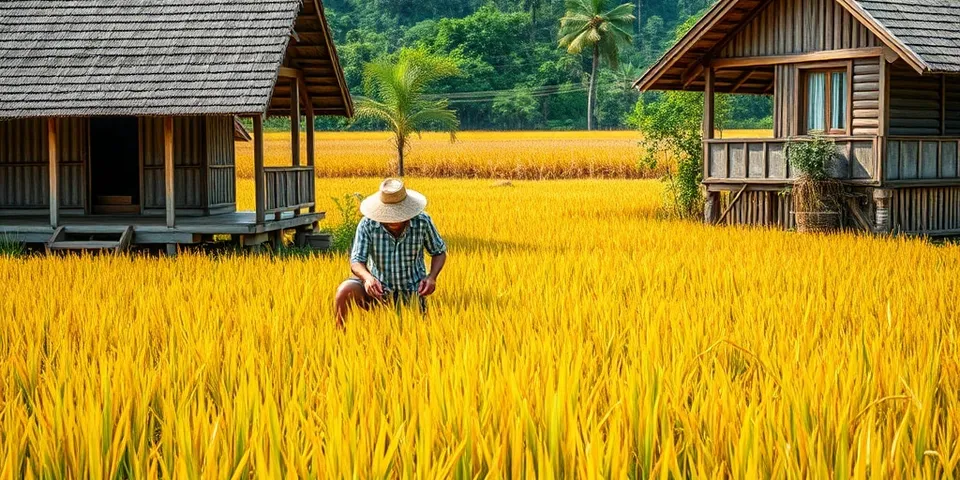
The agricultural calendar defines the rhythm of village Isaan in ways that are immediately apparent to any visitor who arrives at the right time. From May to November, the wet season brings the rice planting cycle that has organized the social and physical landscape of the northeast for millennia. Transplanting season in June–July is when villages mobilize communally, families and neighbors working together across each other's fields in a labor exchange system (long khek) that functions as both economic necessity and social event. The harvest in November–December follows the same communal logic — rice cut by hand in some traditional villages, threshed and stored, the completed harvest marked by offerings at local temples.
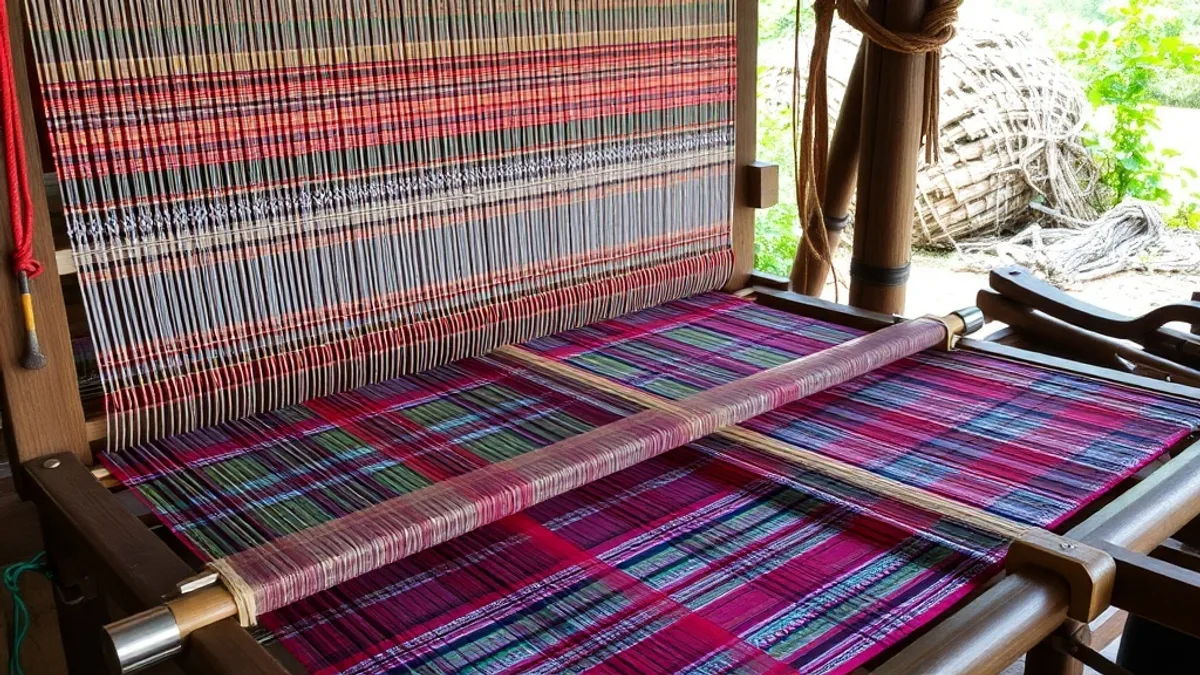
Silk weaving villages are concentrated across several Isaan provinces but reach their highest density in Khon Kaen, Roi Et, and Surin — a triangle of provinces where the combination of mulberry cultivation (for silkworm feeding), traditional loom technology, and design knowledge has been maintained most consistently. In villages around Chonnabot in Khon Kaen province, the street-level view from almost every house includes a working loom visible through the open front wall — an integration of craft and domestic life so complete it is invisible to those who live it. The mudmee ikat silk of this region uses resist-dyeing to create geometric patterns that carry Khmer, Lao, and regional symbolic vocabularies unique to specific village traditions.
Mor Lam is the traditional music of Isaan — a vocal and instrumental tradition of considerable complexity that functions as both entertainment and ritual. The base form involves a call-and-response vocal improvisation between a male and female singer (the Mor Lam performers) accompanied by the khaen (a mouth organ made from bamboo pipes), drums, and occasionally electric instruments in the modern popular form (Luk Thung Isaan). Temple fairs are the primary venue for traditional Mor Lam performance, with all-night shows that function as community social events of enormous importance. The modern Mor Lam Sing style — a faster, electrified version — is effectively the pop music of Isaan and is heard everywhere.
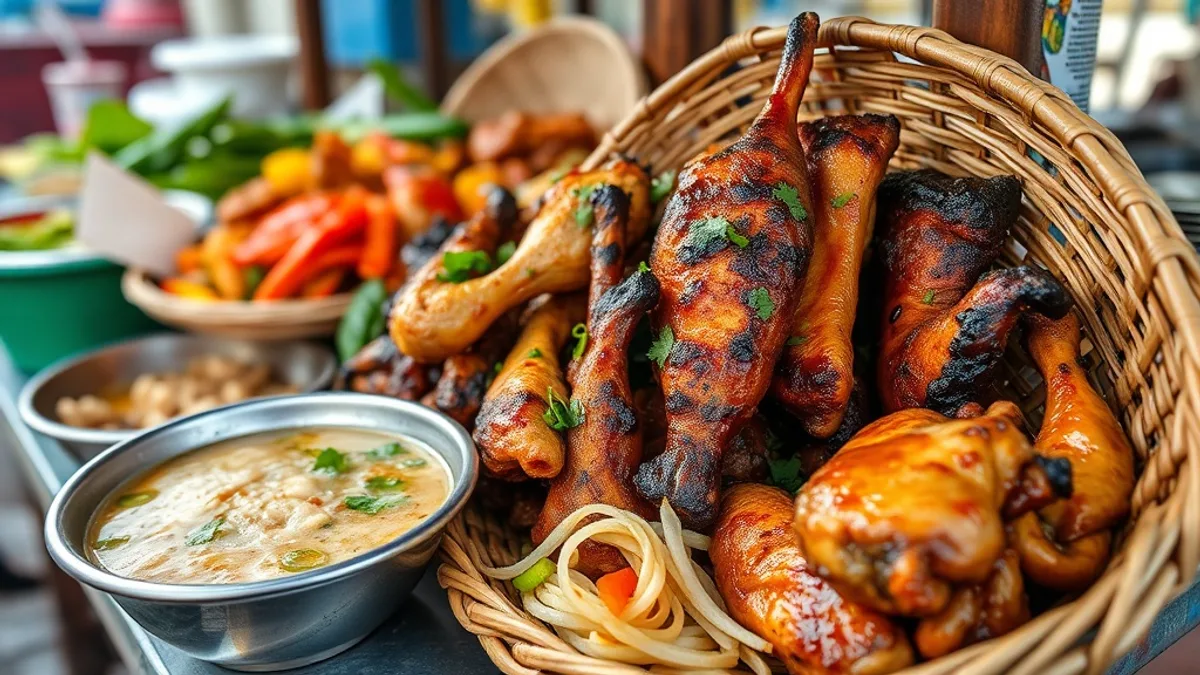
Homestay experiences are available in several Isaan provinces through community-based tourism initiatives. Surin province has the most developed network, partly due to the mahout communities around the town of Ban Ta Klang, where Suai (Kuay) families have maintained centuries-old relationships with elephants and occasionally host visitors in their homes. Khon Kaen province's Chonnabot district offers silk village homestays that allow visitors to participate in weaving and dyeing alongside family members. These are not luxury experiences — accommodation is typically in a simple room in a family home, meals are home-cooked Isaan food, and the schedule follows family rather than tourist convenience. They are, for exactly these reasons, among the most genuinely memorable ways to spend time in Thailand.
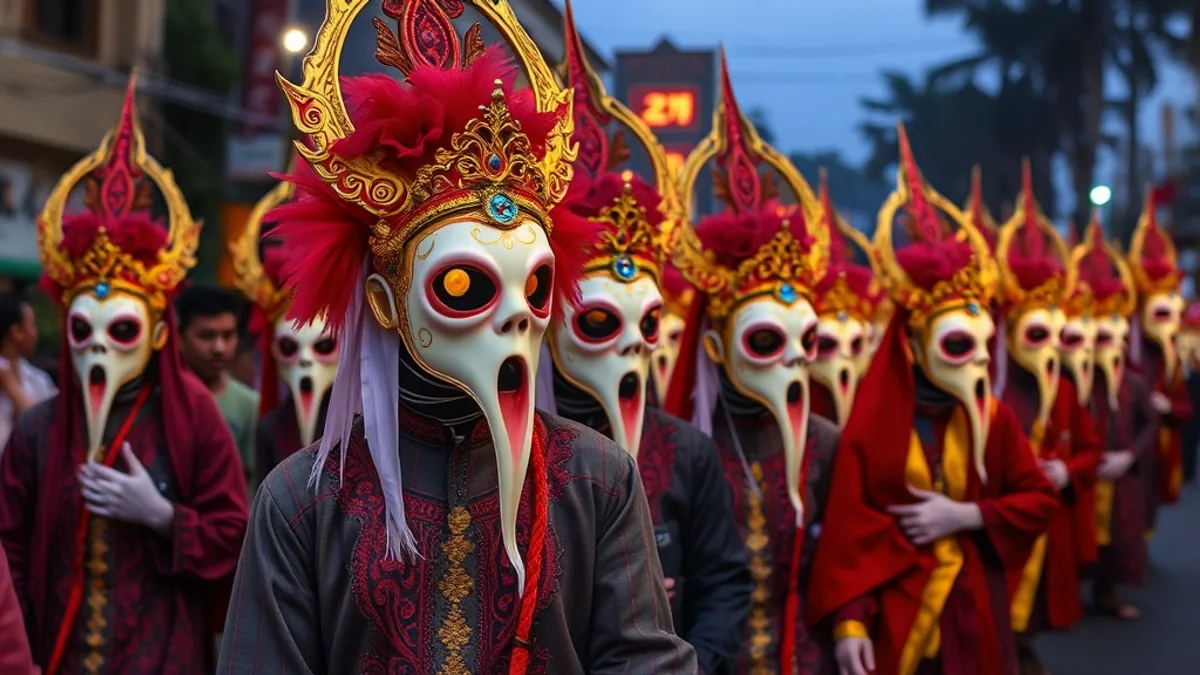
Merit-making ceremonies at local temples (Tam Bun) are the social and spiritual anchors of village life. Offering food to monks at dawn (Tak Bat) happens daily; larger ceremonies for Buddhist holidays bring entire communities together with elaborate food preparations, music, and communal activity. Visitors who encounter these ceremonies by chance — happening to be staying in a village guesthouse when a temple fair begins in the adjacent wat — experience an integration of religious practice and community celebration that is entirely authentic and deeply moving.
Highlights
- Rice planting season in June–July — communal long khek labor exchange in village fields
- Silk weaving in Chonnabot, Khon Kaen — looms visible in almost every village house
- Mor Lam all-night performances at temple fairs — traditional music in its natural context
- Suai elephant mahout community homestays near Surin — ancient human-elephant relationships
- Pre-dawn merit-making (Tak Bat) — monks walking village lanes accepting food offerings
- Mudmee silk dyeing workshops using indigo and natural plant pigments
- Village morning markets at 5am — fresh produce, prepared food, local social life
- Bun Pha Wet (Bun Maha Chat) ceremony — community merit-making on an epic scale
- Rural guesthouse culture — simple rooms, home-cooked meals, genuine local hospitality
November to February is the most comfortable season for village exploration — cool, dry, and aligned with the post-harvest festival season when village social life is at its most active. The rice harvest in November–December is particularly atmospheric. The wet season (June–October) transforms the landscape to vivid green and coincides with the planting season social activity, though transport on rural unpaved roads becomes difficult. The Surin Elephant Festival in November makes that period ideal for combining village life with the cultural event.
Practical Information
Cost Level
Community homestay in Surin or Khon Kaen: 400–700 THB per person per night including home-cooked meals. Standard village guesthouses: 250–400 THB/night. Motorbike rental for village exploration: 200–250 THB/day. Silk workshop participation (including materials): 300–500 THB. A simple village guesthouse day with meals costs under 500 THB total. Community-based tourism operators in Surin city can arrange 2–3 day village packages including accommodation, meals, and activities for 2,000–3,500 THB per person.
Tips
Learn a handful of Thai phrases before visiting villages — even basic greetings (Sawat dee krap/ka) and food vocabulary will transform your interactions enormously. Village communities are almost entirely cash-based. Dress modestly when visiting temples and during ceremonies. Do not point your feet toward Buddha images or monks. Gifts of fruit or snacks for hosting families are always appreciated and culturally appropriate. Photography of ceremonies and daily life is generally welcomed but always with a respectful approach — make eye contact and mime holding a camera before shooting. The TAT tourism offices in Surin and Khon Kaen cities maintain lists of community homestay operators.
Our creators on the ground in Isaan share their best recommendations in their videos.
Places in this Guide
Discover the attractions and locations featured in this travel guide.
Explore Isan
Isan
อีสานIsan is the rural Northeast of Thailand, known for authentic village culture, rice farming, strong family structures and...All creators from Isan →Location & Orientation
Frequently Asked Questions
How do I arrange a village homestay in Isaan?
The Tourism Authority of Thailand offices in Surin, Khon Kaen, and Roi Et maintain contact lists for community-based tourism operators offering village homestays. In Surin, operators near Ban Ta Klang (the elephant village) are easiest to arrange through Surin city guesthouses. In Khon Kaen, the Chonnabot district silk village homestay program can be booked through the local cultural center. A third approach — the most adventurous — is simply arriving in a rural village with the intention to stay: village headmen (phuyai ban) can often arrange accommodation informally for respectful visitors. Language barriers are real in this approach; a Thai-speaking companion is invaluable.
Is it appropriate for foreigners to attend Buddhist ceremonies in Isaan villages?
Yes — Theravada Buddhist ceremonies in Thailand are generally open to respectful observers, including foreigners. The key principles are: remove shoes before entering temple buildings, dress modestly (shoulders and knees covered), sit with feet pointing away from Buddha images and monks, keep voices low, and follow the behavioral cues of those around you. Photography during ceremonies is usually acceptable with a discreet approach — avoid flash and avoid blocking participants' paths. The very large Bun Pha Wet ceremonies (sometimes called Bun Maha Chat) that some Isaan villages hold annually are particularly welcoming to outside observers and can involve thousands of community members over multiple days.
What is the mahout community in Surin and can I visit?
The Suai (Kuay) people of Surin province have maintained a special relationship with Asian elephants for centuries, training them as working animals and maintaining cultural traditions around elephant care that are unique in Thailand. The main community center is Ban Ta Klang village, approximately 58 kilometers north of Surin city. The village can be visited independently (take a bus to Tha Tum and then a songthaew), and the Elephant Study Centre on site is open to visitors. Animal welfare considerations at Ban Ta Klang have improved in recent years but remain imperfect — approach with awareness and support operations that clearly prioritize elephant wellbeing over performance.
What does a typical day in an Isaan village look like?
Village life begins before dawn with the arrival of monks on their morning alms walk (Tak Bat). Families wake before 5am to prepare food offerings. The fresh market in the village center, if there is one, operates between 5am and 8am. Working hours on farms or at looms typically run from early morning until noon, with a long break during the hottest midday hours. Afternoons involve domestic tasks, childcare, and social visiting. Evenings are family time — meals, television, and conversation on the veranda. Temple activities punctuate the week according to the Buddhist calendar. The pace of time in an Isaan village — not slow, but differently organized than urban or tourist time — is one of the most noticeable and ultimately refreshing aspects of staying in one.
How does Isaan village life differ from village life in northern Thailand?
Northern Thailand's village tourism scene, centered on Chiang Mai, is highly developed and often marketed with trekking packages, cooking schools, and elephant experiences specifically designed for foreign visitors. Isaan's village culture remains largely un-packaged and un-curated — it exists because it is how people live, not because it has been identified as a tourism product. The ethnic composition differs too: Isaan villages are primarily Lao-Thai with Khmer, Suai, and various smaller ethnic communities; northern villages often have Karen, Akha, Hmong, and other highland minority populations. The music, food, religious practice, and daily aesthetics are distinct. Both are genuinely fascinating but Isaan offers a rawer, less mediated encounter with rural Thai life.