Introduction
Hua Hin's most underestimated quality is its position as a launchpad for some of central Thailand's most spectacular natural environments. Within a 90-kilometre radius of the town centre lies a remarkable diversity of landscapes: Thailand's largest national park sheltering wild elephants and hornbills in a wilderness most Bangkok residents have never visited; a coastal wetland system of global significance where freshwater marshes meet limestone karst and thousands of migratory birds congregate; quiet beaches backed by casuarina trees that see a fraction of the visitors of their northern counterparts; and a network of cycling and hiking trails through terrain that rewards the curious traveller with discoveries most guidebooks don't reach. Hua Hin itself may be comfortable and familiar, but the day trips radiating out from it are anything but. From the ethereal sunlight show inside Phraya Nakhon Cave to the dawn chorus in Kaeng Krachan's forest canopy, the hinterland of Thailand's royal resort town is where the real adventure begins.
Overview
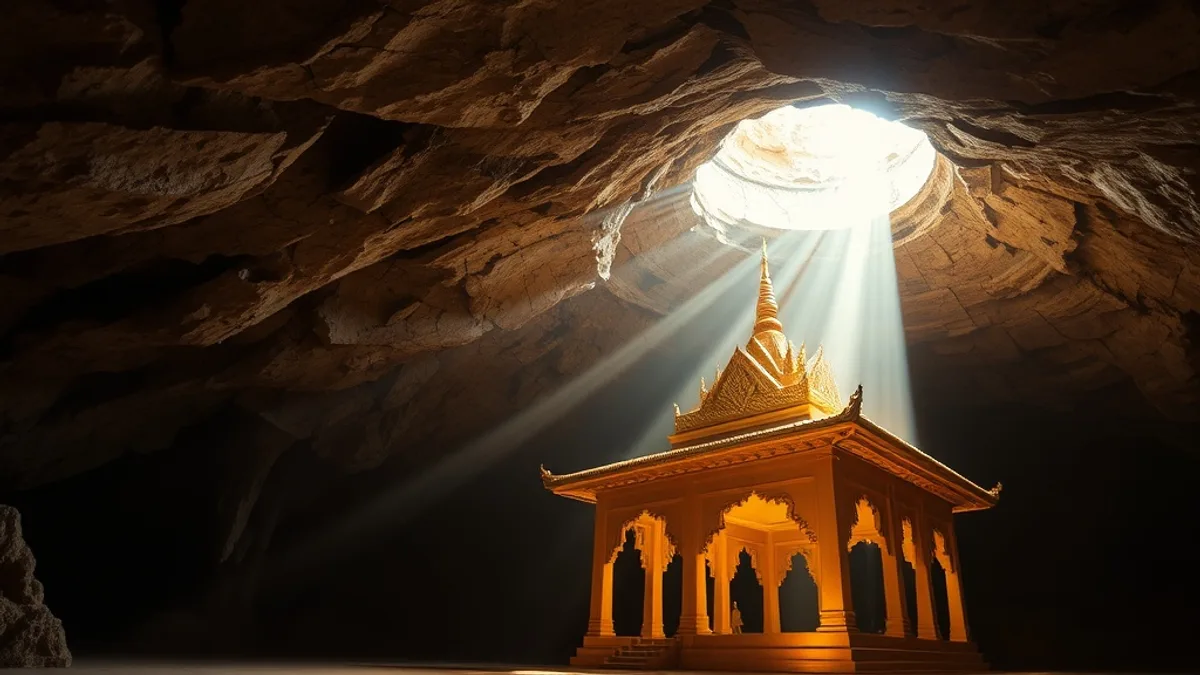
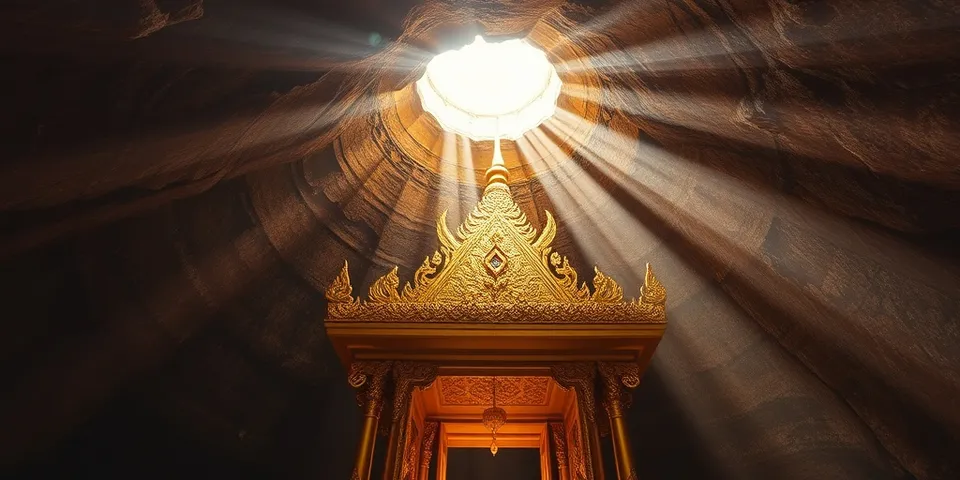
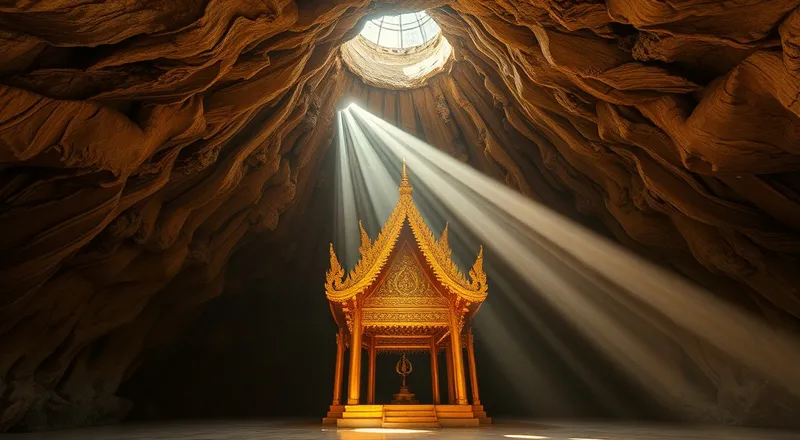
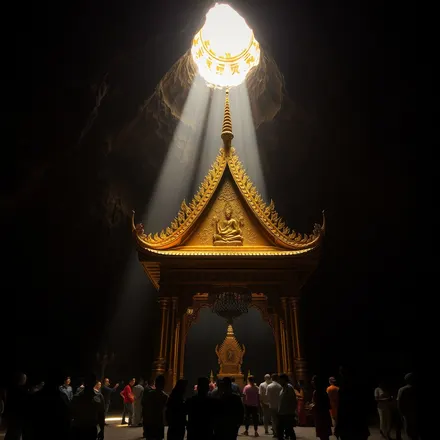
Sam Roi Yot National Park, whose name translates poetically as 'Three Hundred Mountain Peaks,' lies approximately 50 kilometres south of Hua Hin along the Gulf Coast. The park's dramatic landscape of limestone pinnacles rising from freshwater marshes is unusual in Thailand and creates an ecosystem of extraordinary biodiversity. The starred attraction is Phraya Nakhon Cave: a massive cave chamber with a collapsed ceiling through which shafts of sunlight fall onto a small royal pavilion — the Kuha Karuhas Throne Hall — built in 1890 to welcome King Rama V. The timing of the sunbeams is critical and well-known: arrive between 10 AM and noon and you may witness the golden column of light striking the pavilion roof in a display that has launched a thousand Instagram accounts and moved more than a few visitors to genuine silence. Reaching the cave requires a short longtail boat ride from the park's Laem Sala entrance (around 30 THB per person) followed by a moderately strenuous 430-metre climb on concrete steps — bring water, wear grip shoes, and allow at least two hours for the round trip.
Beyond the cave, Sam Roi Yot's freshwater marshes at Thung Sam Roi Yot are among the most significant wetland habitats in Southeast Asia. The marsh hosts enormous populations of waterbirds including purple swamphens, painted storks, and the globally endangered Eurasian spoonbill during winter migration. The park also contains several other caves, including Kaeo Cave with its dramatic stalactite formations and the quieter Sai Cave complex. Cycling within the park on well-maintained paths through the limestone scenery is one of the most rewarding low-effort activities available — flat roads, extraordinary views, and minimal traffic.
Kaeng Krachan National Park, located in the Tenasserim Hills approximately 70 kilometres west of Hua Hin, is Thailand's largest national park by area and among its most biologically rich. The park contains over 400 bird species — around a third of all bird species recorded in Thailand — and substantial populations of Asian elephants, leopards, banteng wild cattle, and the rare Gurney's pitta. Serious wildlife watchers and birders from around the world include this park on their Southeast Asia itineraries. The road to the park passes through agricultural lowlands before rising into forest, and the park headquarters area on the reservoir shore is a rewarding half-day even without venturing deep into the wilderness. Elephant sightings are most frequent in the early morning along the main road between the headquarters and the Pa La-U waterfall zone. A 4WD vehicle is advisable for the upper park area during the wet season.
For easier day trips, the beach town of Cha-am sits just 25 kilometres north of Hua Hin and offers a Thai beach experience of a different character — modest bungalow resorts, casuarina-shaded picnic spots, and a weekend seafood market that draws Thai families from Phetchaburi province. Pranburi, 25 kilometres south of Hua Hin, is the quieter and more upscale alternative: a long beach backed by casuarina forest with several boutique resorts and a bird-rich estuary at the mouth of the Pranburi River. The Pranburi Forest Park within the estuary area is an excellent morning walk, with wooden boardwalks through mangrove forest and resident kingfishers and herons posing at close range.
Highlights
- Witness sunlight streaming through Phraya Nakhon Cave onto a royal pavilion between 10 AM and noon
- Explore Sam Roi Yot's freshwater marshes on bicycle through dramatic limestone karst scenery
- Spot wild Asian elephants at dawn along Kaeng Krachan National Park's main forest road
- Birdwatch at Thung Sam Roi Yot wetlands, one of Southeast Asia's most important migratory bird habitats
- Cycle or walk the Pranburi Forest Park mangrove boardwalks along a bird-rich coastal estuary
- Discover the quiet casuarina-shaded beaches of Pranburi, 25 km south of Hua Hin's crowds
- Visit the weekend seafood market at Cha-am beach town, a favourite with Thai families from Phetchaburi
- Take the scenic vintage railway from Hua Hin north to Phetchaburi for a historic market town day trip
- Hike the Pa La-U waterfall trail in Kaeng Krachan through forest filled with hornbills and butterflies
November to February is ideal for all day trips: temperatures are lower, trails are dry, and wildlife is more active. For birdwatching at Sam Roi Yot marshes, the peak migratory season runs October through March. Kaeng Krachan's wildlife is most visible in the dry season (December to April) when animals concentrate around water sources. The Phraya Nakhon Cave sunlight effect is most dramatic from October through April when the sun angle is lower. Avoid visiting any national park area on Thai public holidays when Thai families descend in large numbers and accommodation in the park vicinity fills completely.
Practical Information
Cost Level
Sam Roi Yot National Park entrance is 200 THB for foreign visitors. The longtail boat to Phraya Nakhon Cave costs approximately 30 THB per person for the shared crossing; alternatively hike over the hill (free). Kaeng Krachan entrance is 300 THB for foreigners. Renting a motorbike in Hua Hin for day trips costs 200-350 THB per day, or car rental 800-1,500 THB. A private day-tour to Sam Roi Yot including transport and guide typically runs 1,200-1,800 THB per person. Budget day trips to Pranburi and Cha-am are easily done by motorbike for under 500 THB total.
Tips
For Phraya Nakhon Cave, the hike over the hill from the main carpark is more rewarding than the boat option — the views from the ridge looking back toward the Gulf are spectacular. Bring sturdy sandals or trail shoes, and at least one litre of water per person. For Kaeng Krachan, self-driving is far preferable to organised tours as wildlife encounters require patience and slow driving, not a schedule. The park's official map from the entrance gate shows all wildlife viewing points. At Sam Roi Yot marshes, arrive at the Thung Sam Roi Yot visitor centre before 7 AM for the best birding — the early morning activity is incomparable.
Our creators on the ground in Hua-hin share their best recommendations in their videos.
Places in this Guide
Discover the attractions and locations featured in this travel guide.
Explore Hua Hin
Hua Hin
หัวหินHua Hin is one of the most popular coastal towns for expats and retirees in Thailand. Beaches, golf courses, night marke...All creators from Hua Hin →Location & Orientation
Frequently Asked Questions
How do I get to Sam Roi Yot National Park from Hua Hin?
Sam Roi Yot is approximately 50 kilometres south of Hua Hin, accessible via Route 4 (Phetkasem Highway) toward Pranburi and then inland on Route 3168. By motorbike the journey takes about 45-60 minutes. By car, allow around 50 minutes. There is no reliable public transport directly to the park, making personal or rented transport the practical necessity. Several tour operators in Hua Hin offer Sam Roi Yot day trips with minibus transport and a guide for around 1,200-1,800 THB per person. The tour option is worth considering if you do not want to navigate the route independently, though self-guided visits allow more flexible timing for the cave sunlight window.
Do I need a 4WD for Kaeng Krachan National Park?
For the main visitor areas around the park headquarters and reservoir, a regular car or motorbike is adequate during the dry season. The road to the Pa La-U waterfall and the wildlife-rich upper park area known as KM36 can be rough and steep, and a vehicle with decent ground clearance is advisable. During the wet season (June to October), the upper road can become impassable for standard vehicles and a 4WD becomes genuinely necessary. Most visitors on a day trip from Hua Hin focus on the reservoir area and main forest road where elephant sightings are most frequent — this section is passable by motorbike year-round.
Is it possible to see wild elephants near Hua Hin?
Wild Asian elephants are present in Kaeng Krachan National Park and sightings along the main road — particularly between the park headquarters and the Khao Phanoen Thung area — are relatively common, especially in the early morning and late afternoon during the dry season. There is no guarantee of a sighting on any given day, but regular visitors to the park estimate elephant encounters on the main road several times per week. The elephants here are genuinely wild and behave accordingly — maintain a safe distance of at least 30-50 metres if you encounter them and do not block their path. Guided wildlife drives with local naturalists improve sighting probabilities significantly.
What is Pranburi like as a day trip destination?
Pranburi, 25 kilometres south of Hua Hin, is the area's most appealing quiet-beach alternative. The main beach is long, flat, and backed by casuarina forest, with a fraction of Hua Hin's visitor numbers. Several boutique resorts are strung along the coastline, some with excellent restaurants open to non-guests. The Pranburi Forest Park and estuary area is a genuine highlight: wooden boardwalks lead through dense mangrove forest to viewpoints over the Pranburi River mouth, and the birdlife is remarkable. The overall atmosphere is of a place that has consciously chosen to remain low-key, making it a welcome contrast to Hua Hin's increasingly developed centre. A motorbike day trip combining both beaches is straightforward and very rewarding.
Can I take the train from Hua Hin as a day trip?
The train from Hua Hin operates north to Bangkok and south toward Chumphon and the south of Thailand. A particularly rewarding short day trip by train is the journey north to Phetchaburi (approximately 1.5 hours, fares from 14 THB for third class), a historic provincial capital with an excellent morning market, a hilltop palace (Phra Nakhon Khiri, a UNESCO site), and several cave temples housing ancient Buddha images. The journey through the Thai countryside on the old rail line has its own gentle charm, and Phetchaburi's old town is genuinely attractive and almost entirely free of tourists. Return trains from Phetchaburi run through the afternoon and evening.