Introduction
Hua Hin holds a unique position in Thailand's travel landscape as the country's oldest seaside resort, a distinction earned when King Rama VII built a summer palace here in the 1920s, establishing a royal connection that endures to this day. Located just three hours south of Bangkok on the Gulf of Thailand, this coastal city has evolved into the preferred weekend escape for Bangkok's middle and upper classes, creating an atmosphere that blends genuine Thai culture with comfortable resort amenities. Unlike the party-focused beach towns further south, Hua Hin offers something distinctly more refined — a historic railway station regarded as the most beautiful in Thailand, a seafood-rich night market that has operated for generations, hilltop temples commanding sweeping coastal views, and a vineyard that produces surprisingly good tropical wine. The long, flat beach stretching south from the city center attracts joggers, horseback riders, and families rather than nightclub crowds. For travelers seeking a taste of Thai coastal life without the backpacker scene or island logistics, Hua Hin delivers a relaxed, authentic experience with excellent food and easy access from the capital. This guide covers the city's essential attractions, culinary highlights, and day trip options that make it far more than just a beach destination.
Overview
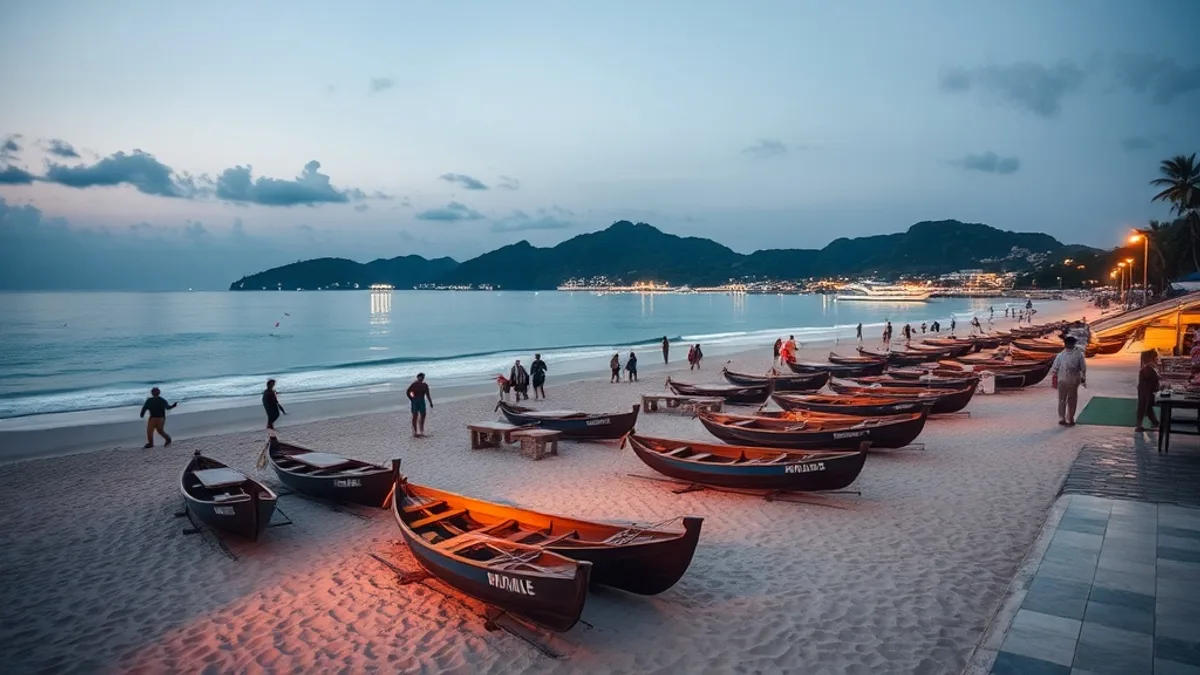
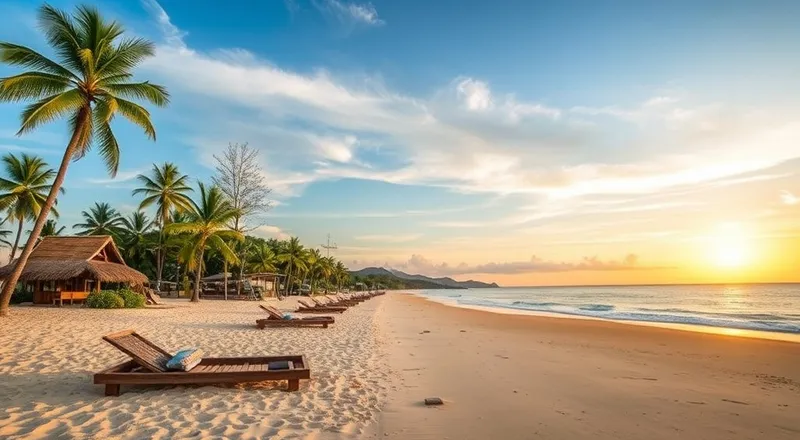
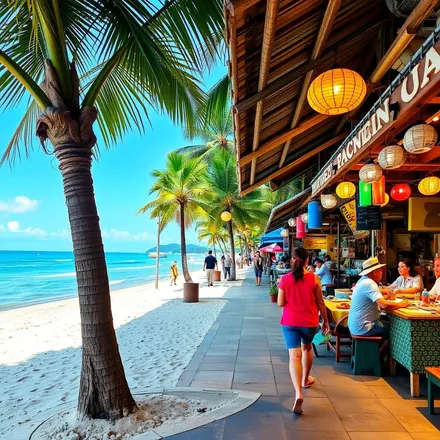
Hua Hin Beach runs for several kilometers from the fishing pier in the north to Khao Takiab hill in the south. The sand is fine but darker than the postcard-white beaches of the south — think golden brown rather than powdery white. What the beach may lack in visual drama it compensates for with character: horseback riding along the shore has been a Hua Hin tradition for decades, with vendors offering rides at very reasonable prices. Kiteboarding has exploded in popularity along the central stretch, with several schools offering lessons during the windy season from February to May. The beach promenade provides a pleasant walking route lined with seafood restaurants and small hotels. The historic Hua Hin Railway Station is a must-see even for travelers who arrive by car. Built during the reign of King Rama VI, the red-and-cream wooden building features traditional Thai architectural details and a royal waiting room that once served the king's personal train. Perfectly maintained with flower gardens and vintage signage, it regularly appears on lists of the world's most beautiful train stations. The station remains active, with regular services connecting to Bangkok's Hua Lamphong or Bang Sue stations.
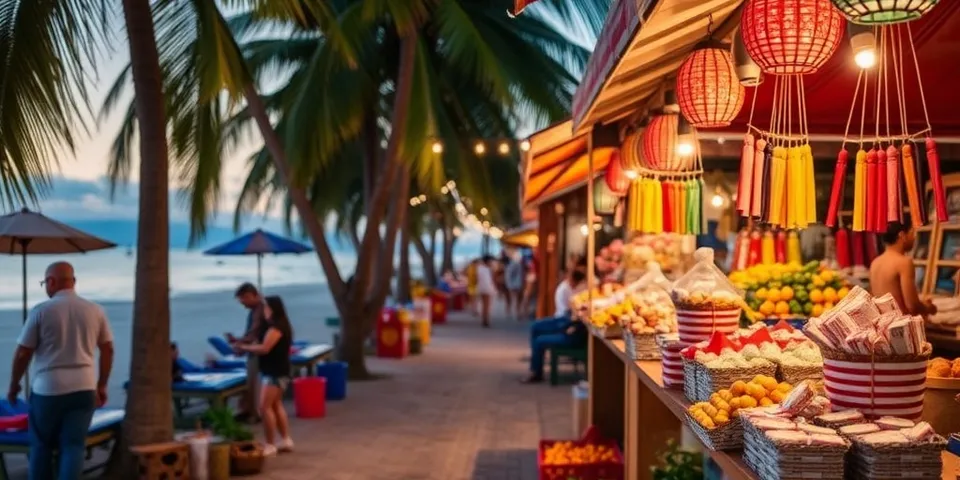
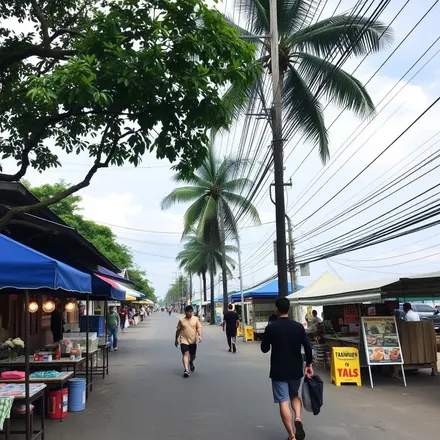
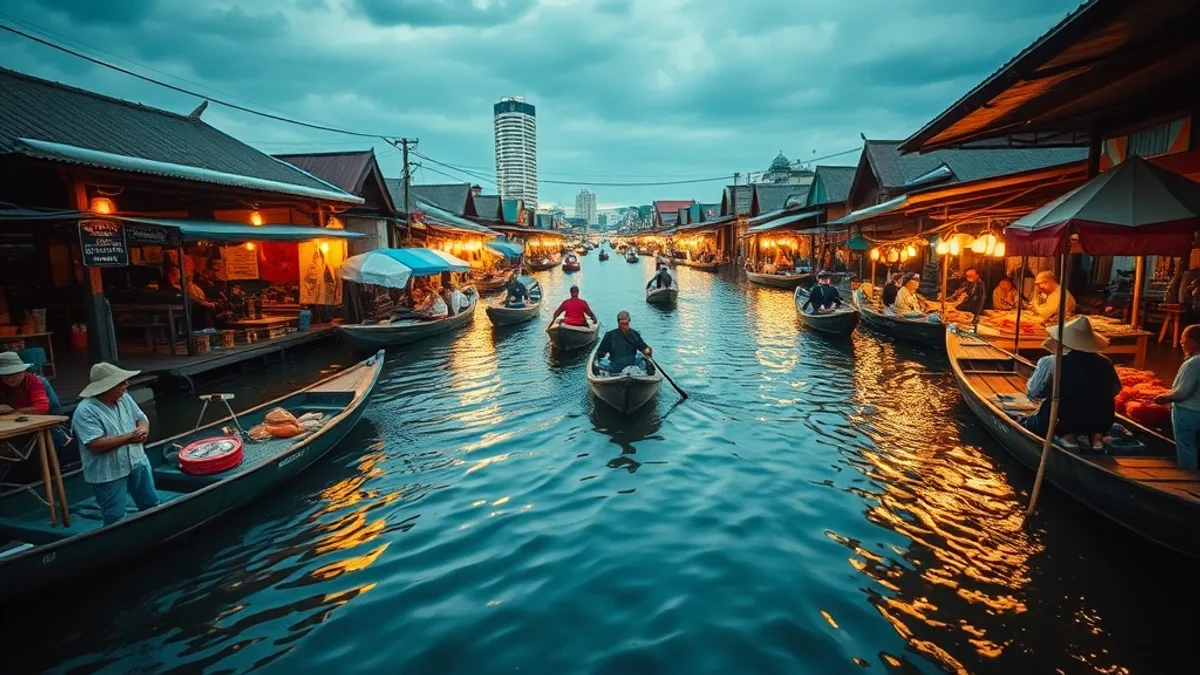
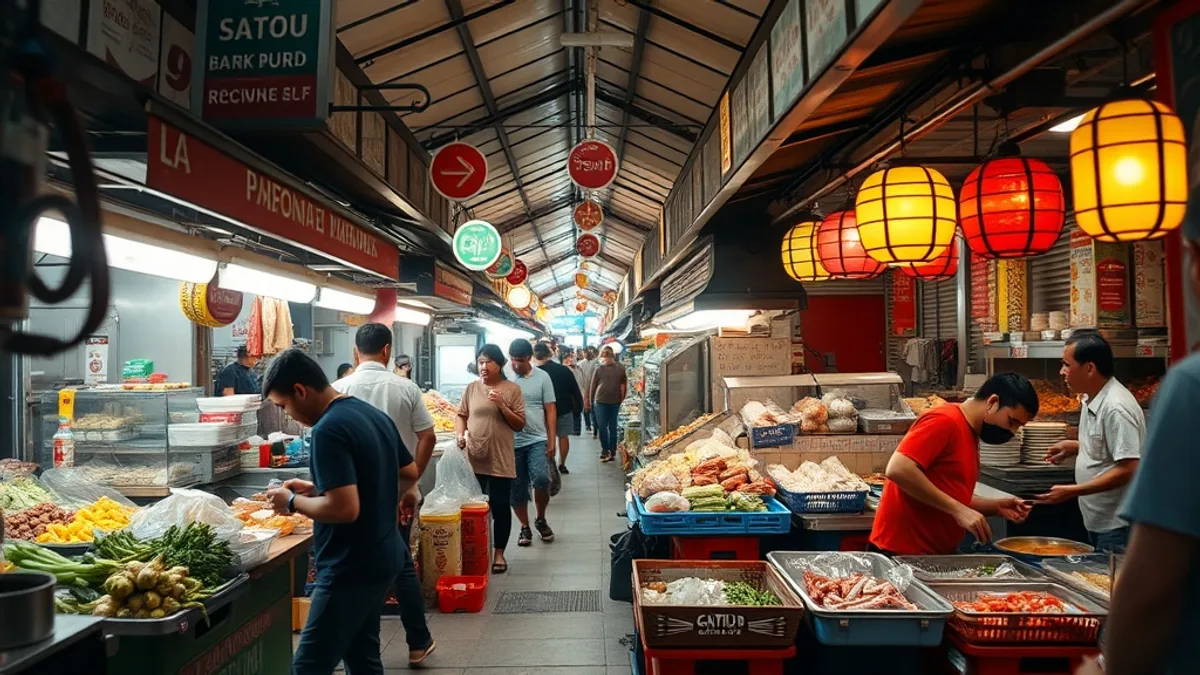
The Hua Hin Night Market — known locally as Dechanuchit Market — has been the heart of the city's culinary scene for generations. Stretching along a narrow soi just off the main road, the market specializes in fresh seafood grilled to order, from enormous tiger prawns and whole squid to regional specialties like fried mussels in egg batter. Thai desserts, coconut pancakes, and tropical fruit smoothies fill the gaps between seafood stalls. Prices remain local despite the tourist traffic, and the atmosphere is busy without being overwhelming. Khao Takiab, also known as Chopstick Hill, rises at the southern end of Hua Hin Beach. A standing Buddha statue overlooks the sea from the hilltop, while resident troops of macaque monkeys patrol the stairway up. The views from the summit extend across the full length of Hua Hin Beach to the north and toward Sam Roi Yot in the south. A fishing village at the hill's base serves some of the freshest and cheapest seafood in town. Cicada Market, open Friday through Sunday evenings, showcases Hua Hin's creative side.
Local artists sell paintings, handmade ceramics, jewelry, and clothing in a beautifully designed open-air complex. Live music, short theatrical performances, and an excellent food court make it worth an entire evening. The market attracts a mix of Thai weekenders and international visitors, maintaining a quality and aesthetic standard well above typical tourist markets. Beyond the city, several day trips reward those with a car or motorbike. Phraya Nakhon Cave, inside Sam Roi Yot National Park about 50 kilometers south, ranks among Thailand's most awe-inspiring natural wonders. A royal pavilion sits inside a massive cave chamber, illuminated by sunlight streaming through a collapsed ceiling — the image appears on postcards throughout the country. Reaching the cave requires a 30-minute hike or a short boat ride plus a climb, but the reveal moment when sunlight hits the pavilion is genuinely breathtaking. Hua Hin Hills Vineyard, one of Thailand's few wine-producing estates, offers tours and tastings in an unlikely but scenic setting. The nearby Swiss Sheep Farm and Santorini Park are more lighthearted attractions popular with Thai families and Instagram visitors.
Highlights
- Ride horseback along the golden sands of Hua Hin Beach as the sun sets over the Gulf of Thailand
- Feast on freshly grilled tiger prawns and whole squid at the legendary Hua Hin Night Market
- Visit Thailand's most beautiful railway station with its royal waiting room and vintage charm
- Hike to the sunlit royal pavilion inside Phraya Nakhon Cave at Sam Roi Yot National Park
- Browse original art and handmade crafts at the atmospheric Cicada Market on weekend evenings
- Climb Khao Takiab for panoramic coastal views and watch macaques patrol the temple stairs
- Sample Thai wine at Hua Hin Hills Vineyard surrounded by tropical hills and grape terraces
- Take the scenic train from Bangkok through the Thai countryside to one of Asia's most charming stations
November to February delivers the most pleasant weather with lower humidity, less rain, and comfortable temperatures around 28-32 degrees Celsius. This is peak season, especially on weekends when Bangkok residents flood in. March to May is hot but sees fewer crowds on weekdays. The kite season runs from February to May with consistent winds making it ideal for kiteboarding. June to October brings occasional storms but also lower prices — weekday visits during this period can be remarkably peaceful.
Practical Information
Cost Level
Hua Hin spans all budgets. Budget guesthouses start at 400-600 THB, mid-range hotels and condos run 1,000-2,500 THB, and luxury resorts charge 4,000-10,000 THB. Night market meals cost 80-200 THB per person. Horseback beach rides run 200-500 THB for 30 minutes. Sam Roi Yot National Park entry is 200 THB for foreigners plus 30 THB boat ride to Phraya Nakhon Cave. The train from Bangkok costs as little as 44 THB for third class or 300-800 THB for air-conditioned service.
Tips
Take the train from Bangkok for a scenic and affordable three-to-four-hour journey rather than fighting highway traffic. Visit the night market around 6 PM before the crowds peak to secure seats at the best seafood stalls. For Phraya Nakhon Cave, start early in the morning — sunlight hits the pavilion most dramatically between 10:30 AM and noon. Avoid weekends during peak season when hotel prices double and the beach fills with Bangkok daytrippers. Rent a motorbike for day trips to Sam Roi Yot and the vineyard as public transport options are limited.
Our creators on the ground in Hua-hin share their best recommendations in their videos.
Places in this Guide
Discover the attractions and locations featured in this travel guide.
Explore Hua Hin
Hua Hin
หัวหินHua Hin is one of the most popular coastal towns for expats and retirees in Thailand. Beaches, golf courses, night marke...All creators from Hua Hin →Location & Orientation
Frequently Asked Questions
How do I get to Hua Hin from Bangkok?
The most scenic option is the train from Bangkok, taking three to four hours with beautiful countryside views and costing 44-800 THB depending on class. Air-conditioned buses from Bangkok's Southern Bus Terminal take about three hours and cost 160-200 THB. Minivans depart from Victory Monument area and take 2.5-3 hours. Driving takes 2.5-3 hours via the Phetkasem Highway or Motorway 7. The train is recommended for the experience of arriving at Hua Hin's gorgeous station.
Is Hua Hin Beach good for swimming?
Hua Hin Beach is suitable for wading and gentle swimming, though the water is shallower and the sand darker than southern Thai beaches. The sea can be murky after rain. Jellyfish occasionally appear during certain months — check with locals before swimming. The beach is better appreciated for activities like horseback riding, kiteboarding, and walking rather than as a snorkeling or crystal-clear swimming destination. For clearer water, head to the beaches near Sam Roi Yot or Pranburi further south.
What is the best way to visit Phraya Nakhon Cave?
From the parking area at Sam Roi Yot National Park's Laem Sala entrance, you have two options. The first is a 30-minute hike over a hill to Laem Sala Beach, then another 30-minute climb to the cave. The second is a short longtail boat ride to the beach (about 30 THB per person) followed by just the cave climb. Time your arrival so you reach the cave between 10 and noon when sunlight beams through the ceiling opening onto the royal pavilion — this is the money shot. Bring water and sturdy shoes for the climb.
Is Hua Hin suitable for a weekend trip from Bangkok?
Hua Hin is one of Bangkok's most popular weekend escapes, and two days is enough to enjoy the beach, night market, and one or two attractions. The relatively short three-hour travel time makes even a one-night trip viable. However, be aware that accommodation prices rise significantly on Friday and Saturday nights, and the night market is busiest on weekends. For a more relaxed experience, consider visiting midweek if your schedule allows.
What food is Hua Hin famous for?
Hua Hin is renowned for its seafood, particularly the night market's grilled prawns, whole fish, and squid. Fried mussels in egg batter are a local specialty found throughout the market. The fishing village below Khao Takiab serves exceptionally fresh catch at low prices. Beyond seafood, Hua Hin's dessert scene includes traditional Thai sweets, coconut-based treats, and excellent tropical fruit. The city also has a growing brunch and cafe culture influenced by its Bangkok weekender clientele.