Introduction
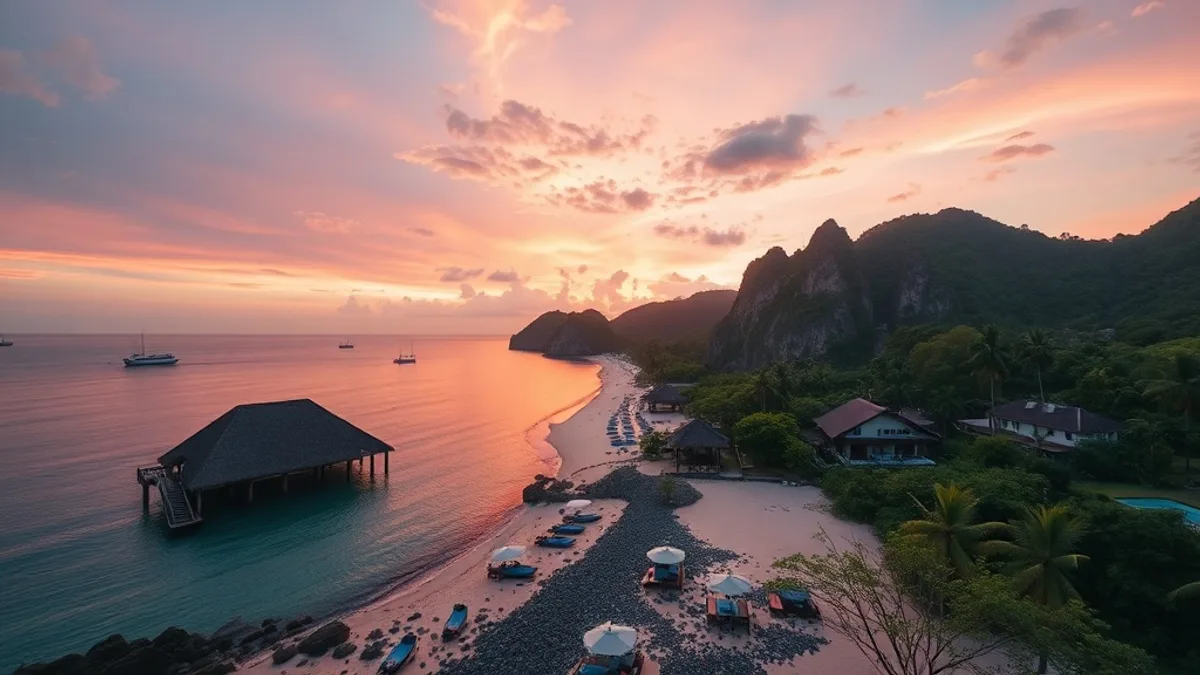
Koh Samui stands as Thailand's second-largest island, a tropical paradise in the Gulf of Thailand that balances luxurious resorts with authentic Thai island culture. Unlike its more rugged neighbor Koh Phangan, Samui has paved ring roads, an international airport, and an infrastructure that makes exploring its diverse coastline remarkably easy. From the bustling tourist hub of Chaweng with its powdery white sand to the serene coconut-fringed shores of Maenam in the north, each beach carries a distinct personality. The island also offers much more than sunbathing — towering viewpoints, jungle waterfalls, ornate Buddhist temples, and a vibrant culinary scene ensure that even visitors who tire of the sand will never run out of things to do. Whether you arrive for a weekend escape from Bangkok or settle in for a month-long island stay, Koh Samui rewards those who look beyond the main tourist strip to discover its quieter coves and cultural treasures. This guide maps out the island's best beaches, can't-miss viewpoints, and practical advice for making the most of your Samui experience.
Overview
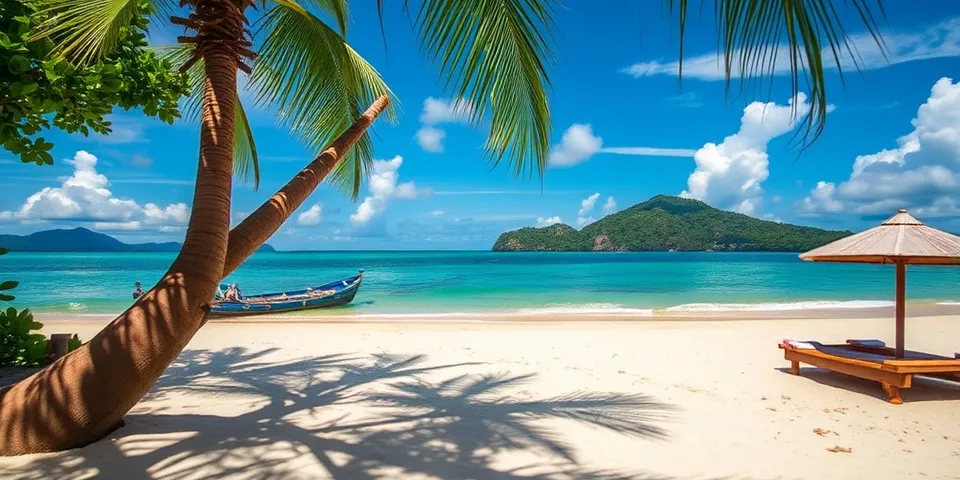
Chaweng Beach stretches for nearly seven kilometers along the eastern coast and serves as the island's commercial heartbeat. The sand here is fine and white, the water shallow enough for wading far from shore, and the backdrop lined with restaurants, shopping centers, and nightlife venues. It draws the largest crowds, particularly during high season from December to February, but its sheer length means you can always find breathing room by walking toward the quieter northern end known as Chaweng Noi. Lamai Beach occupies the southeast coast and attracts a slightly older, more relaxed crowd. The beach is framed at its southern end by the famous Grandfather and Grandmother Rocks, naturally sculpted formations that have become one of Samui's most photographed landmarks. A lively Sunday night market takes over the main street each week, offering street food, live music, and local handicrafts that give a taste of island life beyond the resorts. For travelers seeking tranquility, Maenam Beach on the north shore delivers. The long, narrow strip of golden sand faces directly toward Koh Phangan across the channel, creating postcard-worthy sunset views.
Fishing boats bob offshore, beachfront bungalows remain affordable by Samui standards, and the pace of life slows noticeably compared to the east coast. Chinese-Thai temples dot the waterfront, and the village center maintains a charm that predates the tourism boom. Bophut and its Fisherman's Village represent Samui at its most atmospheric. Converted Chinese shophouses now host boutique hotels, art galleries, and excellent restaurants serving both Thai and international cuisine. The Friday night walking street transforms the beachfront road into a festive market filled with live performers, handmade goods, and seafood grilled to order. The beach itself is pleasant though narrower than Chaweng or Lamai. Beyond the beaches, Samui's interior hides several attractions worth the detour. The Big Buddha Temple sits on a small connected island at the northeast tip, its twelve-meter golden seated Buddha visible from the air as planes approach the airport.
Nearby, Wat Plai Laem features a striking multi-armed Guanyin statue surrounded by a lotus-filled lake. For panoramic views, the hilltop viewpoints between Chaweng and Lamai offer sweeping vistas across both coasts — arrive at sunrise for the most dramatic light. Na Muang Waterfalls in the island's mountainous center provide a refreshing escape from the heat. The lower falls are easily accessible with a natural swimming pool at their base, while the upper falls require a more challenging thirty-minute jungle hike but reward climbers with complete solitude. The Ang Thong Marine Park, a protected archipelago of forty-two islands northwest of Samui, ranks among the Gulf of Thailand's most spectacular day trips. Speedboat tours depart daily during high season, offering kayaking through emerald lagoons, snorkeling over shallow coral reefs, and hiking to panoramic viewpoints overlooking the island chain.
Highlights
- Relax on seven kilometers of white sand at Chaweng Beach, Samui's longest and most vibrant shore
- Photograph the iconic Grandfather and Grandmother Rocks at the southern end of Lamai Beach
- Stroll through Fisherman's Village in Bophut during the atmospheric Friday night walking street
- Visit the twelve-meter golden Big Buddha at Wat Phra Yai on the island's northeast tip
- Swim beneath Na Muang Waterfall in the jungle interior after a scenic forest hike
- Kayak through emerald lagoons on a day trip to the Ang Thong Marine Park archipelago
- Watch the sunset over Koh Phangan from the peaceful northern shores of Maenam Beach
- Explore the multi-armed Guanyin statue and lotus lake at Wat Plai Laem temple complex
The driest and most pleasant months on Koh Samui run from December to April, with peak tourist season peaking in January and February. Unlike Thailand's west coast, Samui follows a different weather pattern — its wettest months are October and November when heavy storms can disrupt ferry services and beach plans. March to June offers a sweet spot of warm weather, fewer crowds, and lower accommodation prices. The Ang Thong Marine Park typically closes during November for monsoon season.
Practical Information
Cost Level
Koh Samui spans all budgets. Beach bungalows in Maenam start around 500-800 THB per night, mid-range hotels in Lamai run 1,500-3,000 THB, and five-star resorts in Chaweng charge 5,000-15,000 THB. Local Thai meals cost 80-150 THB, beachfront restaurant dinners 300-800 THB. Motorbike rental runs 200-300 THB per day. Ang Thong Marine Park day trips cost 1,500-2,500 THB per person including lunch and equipment.
Tips
Rent a motorbike to explore the full island — the ring road is well-paved and easy to navigate, making a complete loop in about ninety minutes. Book Ang Thong Marine Park tours at least a day ahead during peak season as boats fill quickly. Avoid the east coast beaches during October-November monsoon when conditions can be rough. The airport is privately operated by Bangkok Airways, so flights tend to be pricier — consider flying to Surat Thani and taking the ferry as a budget alternative.
Our creators on the ground in Koh-samui share their best recommendations in their videos.
Creators who cover this spot
Discover YouTube creators who feature this topic in their videos.
Places in this Guide
Discover the attractions and locations featured in this travel guide.
Explore Koh Samui
Koh Samui
เกาะสมุยKoh Samui combines a tropical island paradise with modern infrastructure. Popular with long-stay tourists and expats who...All creators from Koh Samui →Location & Orientation
Frequently Asked Questions
How do I get to Koh Samui from Bangkok?
The fastest option is a direct flight from Bangkok's Suvarnabhumi Airport, taking about one hour. Bangkok Airways operates the majority of flights to Samui's private airport, though prices tend to be higher than other domestic routes. A more budget-friendly alternative is flying to Surat Thani with AirAsia or Nok Air, then taking a combined bus-and-ferry transfer which adds about three hours but can save significantly. Overnight buses and trains from Bangkok to Surat Thani are also available with onward ferry connections.
Which beach on Koh Samui is best for families?
Maenam Beach on the north shore is ideal for families thanks to its calm, shallow waters and relaxed atmosphere. The beach is less developed than Chaweng, meaning less traffic and noise. Chaweng Noi at the quieter northern end of Chaweng Beach is another solid choice, offering proximity to restaurants and shops without the full intensity of central Chaweng. Both beaches have gentle gradients that allow children to wade safely.
Is Koh Samui suitable for budget travelers?
Absolutely. While Samui has a reputation for luxury, budget options exist throughout the island. Maenam and parts of Lamai offer simple bungalows for 500-800 THB per night. Street food stalls and local markets keep meal costs under 100 THB. Renting a motorbike at 200-300 THB per day is far cheaper than taxis. The main expense to watch is the flight — using the Surat Thani ferry route instead of flying directly to Samui can save 2,000-4,000 THB each way.
What is there to do on Koh Samui besides beaches?
Samui offers plenty beyond its shores. Temple visits to Big Buddha and Wat Plai Laem are cultural highlights. The interior features Na Muang Waterfalls and jungle ATV tours. Ang Thong Marine Park day trips combine kayaking, snorkeling, and hiking. The Fisherman's Village Friday market and Lamai Sunday market provide evening entertainment. Thai cooking classes, Muay Thai gyms, and yoga retreats round out the non-beach activities.
When is the best time to visit Ang Thong Marine Park?
The marine park is best visited between December and April when seas are calm, visibility is high, and all activities are available. The park typically closes from early November through mid-December due to monsoon conditions that make boat trips unsafe. During the open season, book speedboat tours for a more comfortable and faster journey, especially if you are prone to seasickness on the rougher days.