Phra Samut Chedi (Gulf Island Temple)
A gleaming white temple chedi on a river-mouth island — reached by tiny ferry from the ancient port town of Pak Nam at the Gulf of Thailand.
About this Place
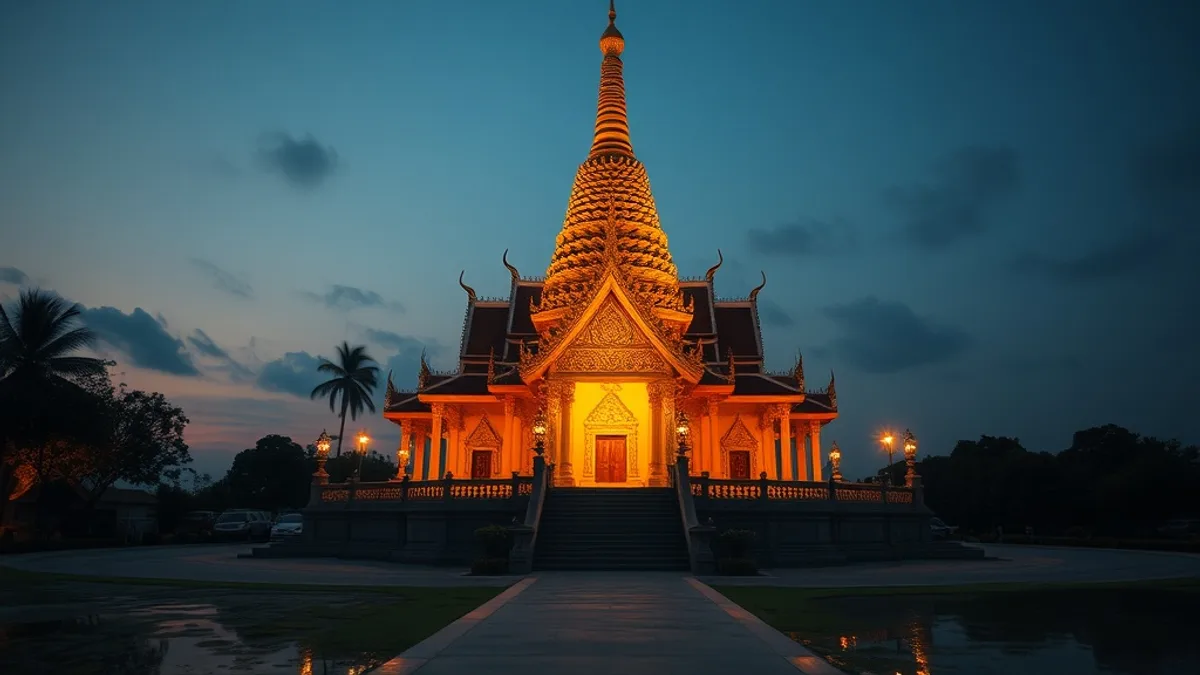
Phra Samut Chedi is a remarkable Thai temple built on a small island in the middle of the Mae Klong (Tha Chin) River mouth at the Gulf of Thailand — originally 30 metres from shore, but land reclamation has since surrounded it. The gleaming white chedi (stupa) houses a revered Buddha relic and is considered a guardian of the river and seafarers. Historically it was an isolated island lighthouse and fort, later converted to a temple during the Rattanakosin period. The island is reached by short ferry boat from the fishing community of Pak Nam (Mouth of the River) — a historic town that predates Bangkok, serving as the original port of Siam. The surrounding Pak Nam district has interesting colonial-era architecture, a lively fish market, and the feeling of a place time has passed by. A rewarding alternative to the better-known Samut Prakan attractions for those interested in authentic coastal heritage.
Location
13.5463, 100.5833
More Nearby Locations
The world's largest open-air museum — 116 full-scale replicas of Thailand's historic monuments arranged in a 500-acre park shaped like the Thai map.
Bangkok's nearest birdwatching sanctuary — thousands of Siberian Black-headed Gulls winter on this Gulf coast pier, tame enough to hand-feed just 30km from the city.
The world's claimed largest crocodile farm with 100,000+ reptiles — live wrestling shows, zoo animals, and a fossil museum 30km south of Bangkok.
A 43-metre three-headed mythological elephant — inside, stained glass cosmological scenes and Asia's finest ceramic collection make this one of Thailand's strangest museums.
Nearby Guides
- Ancient City Muang Boran: The World's Largest Open-Air Museum Near Bangkok
- Samut Prakan Day Trip from Bangkok: BTS Access, Museums & the Estuary Trail
- Erawan Museum: Bangkok's Giant Three-Headed Elephant & Its Spiritual Treasures
- Samut Prakan Riverside: Chao Phraya Estuary Life, Markets & River Culture