Ban Chiang Archaeological Site & Museum
A UNESCO World Heritage prehistoric settlement where the world's oldest bronze casting was practised — see original burial sites and iconic spiral-patterned pottery.
About this Place
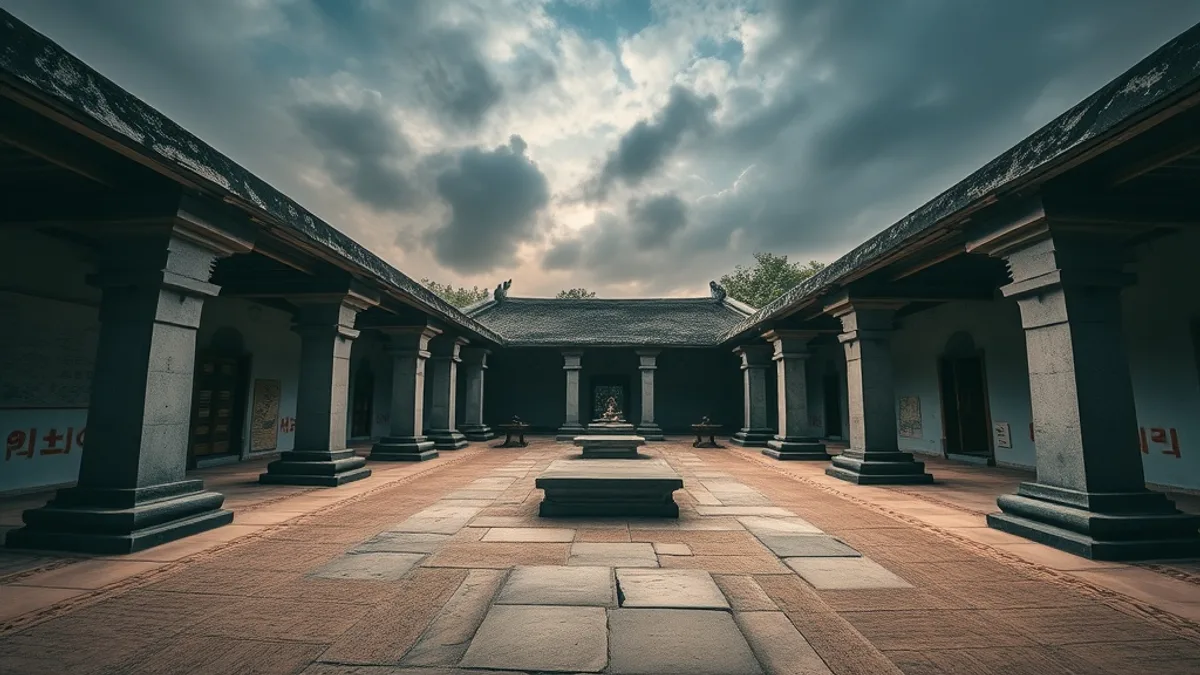
Ban Chiang is a UNESCO World Heritage Site recognised as one of the most significant prehistoric settlements in Southeast Asia — an ancient village inhabited from approximately 1500 BCE where evidence suggests some of the world's earliest bronze metallurgy was practised, findings that upended established assumptions about the independent development of complex civilisation in the region. Two open excavation pits within the village display original burial sites with human skeletons and painted pottery vessels in situ, exactly as uncovered by archaeologists — an extraordinarily direct encounter with the ancient past. The Ban Chiang National Museum adjacent to the site houses the remarkable collection of red-on-cream painted pottery that defines the culture, along with bronze tools, ornaments, and ritual objects spanning 3,000 years of continuous occupation. The distinctive swirling red spiral pottery patterns are among the most beautiful examples of any prehistoric artistic tradition. A UNESCO World Heritage Site that receives far fewer international visitors than its significance deserves — authentic, quiet, and deeply fascinating for anyone with an interest in human prehistory.
Location
17.4124, 103.2335
More Nearby Locations
Udon Thani's urban lake park — cycling tracks, Isaan street food vendors, and the city's expat and local community mingling at dawn and dusk.
A lake carpeted in millions of red lotus flowers at dawn — arrive at sunrise by longtail boat for one of Thailand's most magical natural spectacles.
Udon Thani's liveliest night market built around vintage train carriages — Isaan street food, live music, and a genuine local atmosphere without tourist prices.
A revered forest meditation monastery in the Thai tradition — established by one of Thailand's most venerated 20th-century monks, now a place of pilgrimage.
Nearby Guides
- Ban Chiang UNESCO World Heritage Site: Thailand's Most Important Archaeological Discovery
- Nong Prajak Park & Udon Thani's Green Spaces: City Life in Isaan's Biggest City
- Day Trips from Udon Thani: Phu Phra Bat, Nong Khai & Mekong River
- Red Lotus Sea of Udon Thani: Thailand's Most Spectacular Freshwater Spectacle