Introduction
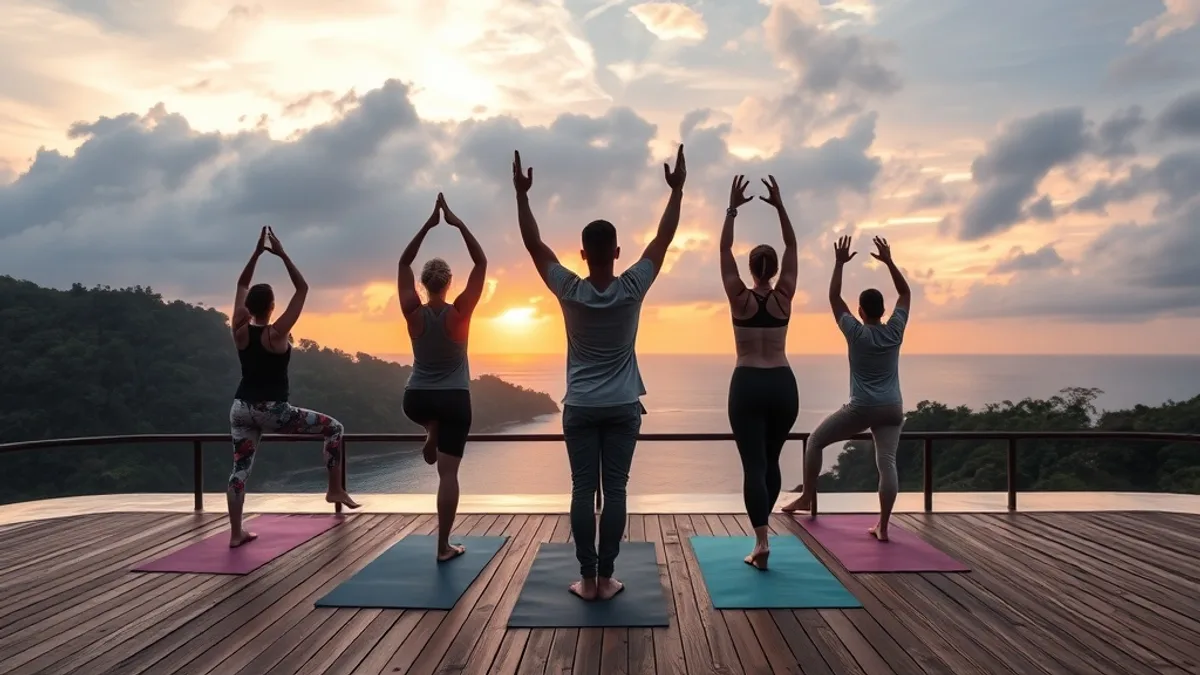
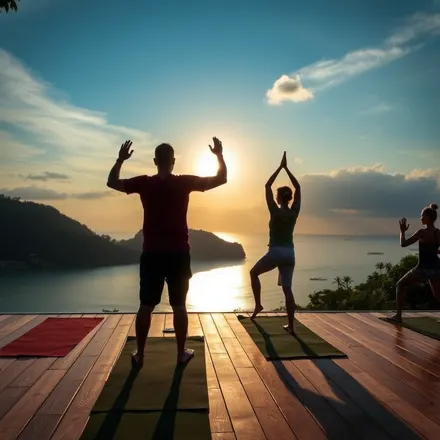
Long before the world knew about the Full Moon Party, Koh Phangan was drawing a different kind of traveller — one looking not for neon-lit beaches but for inner quiet, physical renewal, and a slower pace of living. Today, the island's reputation as Southeast Asia's premier yoga and wellness destination is entirely its own, standing apart from (and sometimes coexisting with) its party identity. The village of Sri Thanu on the western coast has transformed over the past two decades into a genuine wellness hub, home to internationally recognised yoga schools, detox retreat centres, raw food cafés, and a community of long-term residents whose lives revolve around morning practice, clean eating, and ocean swimming. This is the Koh Phangan that many of its most devoted visitors never want to leave.
Overview
The concentration of yoga and wellness facilities in the Sri Thanu and Srithanu village area on the western coast is remarkable for an island of this size. Within a few kilometres of road, you will find multiple internationally accredited yoga teacher training programmes, drop-in classes in half a dozen styles, Ayurvedic treatment centres, colonic irrigation clinics, raw food and vegan restaurants, and specialist retreat centres offering everything from week-long detox programmes to month-long meditation intensives. The community has built up organically over the past twenty years, attracting teachers and practitioners from Europe, North America, and Australia who came for a retreat and never quite managed to leave.
Agama Yoga is perhaps the most well-known and controversial of the island's yoga schools, having faced serious allegations against its founder that led to significant restructuring. The school continues to operate under new management and remains one of the most comprehensive tantric yoga programmes available in Asia, but do your research before committing to a programme. The Yoga Retreat (formerly known as Sanctuary) at Haad Tien bay on the southeast coast is a long-established institution offering a full programme of yoga classes, detox packages, and massage therapies in a beautiful jungle setting accessible only by boat or mountain path. Orion Healing Centre specialises in raw food detox programmes and colonics, drawing a dedicated clientele year-round.
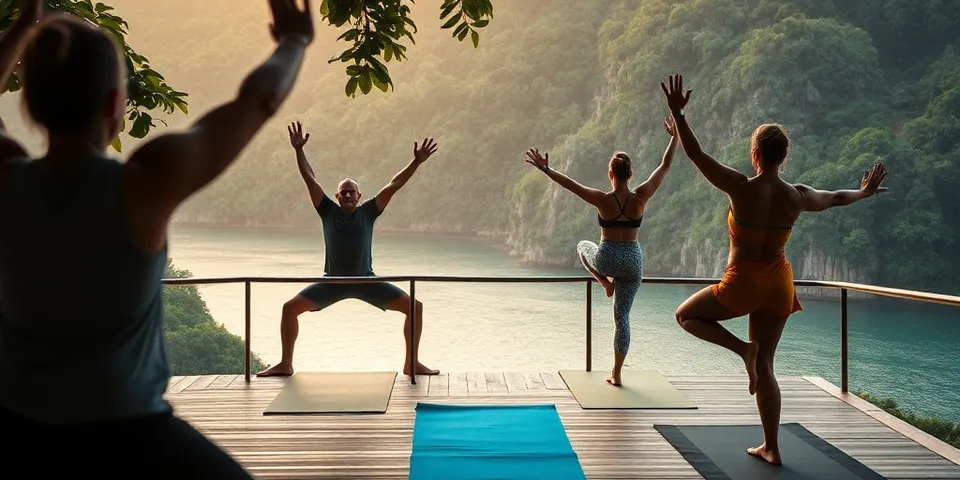
For travellers who want flexibility rather than a full programme commitment, drop-in classes are widely available throughout Sri Thanu at prices of 300–500 THB per session for a 60–90 minute class. Styles available include Hatha, Vinyasa, Yin, Ashtanga, Kundalini, and various fusion approaches. The standard of teaching is generally high — many instructors have trained at top international schools and come to Koh Phangan specifically because the community supports their practice.
Yoga teacher training (YTT) programmes — the 200-hour Yoga Alliance accredited courses that qualify graduates to teach professionally — are available at numerous schools for around 35,000–60,000 THB for a 28-day programme. These attract a significant percentage of the island's longer-stay visitors, particularly in the January–March window when European and North American travellers escape winter. Week-long retreats with accommodation typically cost 15,000–35,000 THB depending on accommodation standard and programme intensity.
Beyond formal yoga, the wellness ecosystem on Koh Phangan encompasses Thai massage (the island has several excellent traditional Thai massage schools offering practitioner training for 3,000–5,000 THB per course), sound healing sessions with singing bowls and gongs, cacao ceremonies, breathwork workshops, and various modalities of meditation. The island coexists in a fascinating tension between its party identity and its wellness identity — and a significant number of visitors spend their nights at Half Moon raves and their mornings in early Vinyasa class without any sense of contradiction.
Highlights
- Sri Thanu village — Southeast Asia's most concentrated wellness hub on a single island
- Drop-in yoga classes 300–500 THB across multiple styles: Hatha, Vinyasa, Yin, Ashtanga
- 200-hour Yoga Alliance teacher training programmes: 35,000–60,000 THB for 28 days
- The Yoga Retreat at Haad Tien — long-established resort with detox and yoga packages
- Orion Healing Centre — raw food detox programmes and specialist therapies
- Thai massage practitioner training courses from 3,000–5,000 THB
- Sound healing, cacao ceremonies, breathwork, and meditation workshops
- Week-long wellness retreats with accommodation: 15,000–35,000 THB
- Organic and raw food café scene rivalling any wellness destination in Asia
- The island's unique dual identity — yoga mornings and beach parties coexist
Koh Phangan's wellness scene operates year-round, but the peak yoga and retreat season runs from December through March, when the island is driest and cooler and a large influx of European and North American visitors escapes winter. January is the busiest month for yoga teacher training programmes — book 3–4 months ahead for January starts. The quietest (and cheapest) time for retreats is October–November during the shoulder season, when some retreat centres offer significant discounts. The wellness community on the west coast remains active through the monsoon months of May–October.
Practical Information
Cost Level
Drop-in yoga classes: 300–500 THB per session. Day passes at wellness centres: 500–1,200 THB. Week-long yoga retreat packages with accommodation: 15,000–35,000 THB depending on room type and programme. 28-day yoga teacher training: 35,000–60,000 THB all-inclusive. Single Thai massage sessions: 300–500 THB for 1 hour. Raw food or organic meals at Sri Thanu cafés: 120–280 THB per dish. Bungalow accommodation in Sri Thanu: 600–1,500 THB per night for basic to mid-range rooms.
Tips
Stay in or near Sri Thanu village to be within walking distance of the wellness hub — renting a motorbike makes the wider island accessible but having yoga studios within walking distance simplifies morning practice routines. Download the Koh Phangan yoga schedule apps (several schools post weekly schedules online) before you arrive so you can plan your first week. If considering a long programme, contact schools directly to ask about current teachers — teaching staff change seasonally. Bring lightweight, breathable clothing for hot yoga and outdoor practices. The full moon party falls once per month — you will be on the island during one regardless of your schedule.
Our creators on the ground in Koh-phangan share their best recommendations in their videos.
Places in this Guide
Discover the attractions and locations featured in this travel guide.
Explore Koh Phangan
Koh Phangan
เกาะพะงันKoh Phangan is a Gulf of Thailand island famous worldwide for its legendary Full Moon Party on Haad Rin beach, drawing t...All creators from Koh Phangan →Location & Orientation
Frequently Asked Questions
Do I need prior yoga experience to attend a retreat on Koh Phangan?
Absolutely not. The vast majority of retreat programmes and drop-in classes on Koh Phangan cater explicitly to beginners and absolute newcomers to yoga. Many visitors who come for a wellness retreat have never attended a single yoga class before, and they typically find the experience more accessible and welcoming than they anticipated. The key is to communicate your experience level clearly when booking — most retreat centres will direct you to beginner-appropriate classes and will ensure teachers know your background. If you are completely new, a week-long beginner retreat with morning classes and afternoon free time is a far gentler introduction than diving straight into a teacher training programme.
What is the difference between a yoga retreat and a yoga teacher training on Koh Phangan?
A yoga retreat is a general wellness holiday — you attend yoga classes, often receive massages and healthy meals, relax by the beach, and return home having recharged. Lengths vary from 3 days to several weeks, and they require no prior experience or formal commitment. A yoga teacher training (YTT) is a structured professional qualification programme — typically 28 days, daily from 6am to 8pm, intensive study of anatomy, philosophy, teaching methodology, and practice. YTT graduates receive a Yoga Alliance certification that qualifies them to teach professionally worldwide. YTT is a serious commitment — treat it like a full-time course, not a beach holiday.
Is Sri Thanu village far from the Full Moon Party at Haad Rin?
Sri Thanu is on the western coast of Koh Phangan, while Haad Rin is at the southern tip of the eastern coast — roughly 20–25 kilometres apart by road. The drive by motorbike or taxi takes around 30–40 minutes. Many wellness-focused visitors in Sri Thanu specifically appreciate this distance from the party scene, which means you are not woken by distant music or encounter party crowds in your immediate neighbourhood. That said, the island is small enough that anyone who wishes to attend the Full Moon Party can easily do so by arranging a songthaew on party night.
What type of food is available in the wellness area of Koh Phangan?
Sri Thanu village has developed an impressive food scene that mirrors its wellness identity. Raw food restaurants serve cold-pressed juices, acai bowls, spirulina smoothies, and elaborate raw vegan meals with ingredients sourced from local organic farms. Several cafés serve South Indian-style breakfast — idli, dosa, and sambar — owing to the large Indian spiritual community on the island. Western-style brunch spots offer avocado toast, granola, and French press coffee. Traditional Thai food is also widely available. This is one of the few places in Thailand where it is genuinely easy to maintain a specific dietary practice — vegan, raw, gluten-free, or otherwise.
Are there wellness options on Koh Phangan beyond yoga?
Yes — the wellness ecosystem extends well beyond yoga into a diverse range of modalities. Traditional Thai massage is available island-wide at professional standards, and the island hosts several accredited Thai massage training schools. Sound healing sessions using Tibetan singing bowls and crystal bowls are offered regularly at multiple venues. Breathwork workshops (including holotropic and Wim Hof-style cold exposure programmes) run seasonally. Reiki, shamanic healing, tarot, cacao ceremonies, sweat lodges, and various forms of meditation — from Vipassana-style to guided visualisation — are all represented. The island has a genuine alternative spiritual culture that predates the commercialisation of wellness and still runs on authentic practitioner networks.