Introduction
Hat Yai occupies an almost mythological position in the food consciousness of Southeast Asia. Every weekend, thousands of Malaysians and Singaporeans board buses and trains northward across the border for one singular reason: to eat. This mass culinary pilgrimage — possibly the most food-motivated international tourist movement in the region — speaks to something genuinely extraordinary about Hat Yai's street food scene. The city sits at the intersection of Thai, Malay, and Teochew Chinese culinary traditions, and the result is a street food culture of breathtaking diversity and affordability. From the crispy Hat Yai Fried Chicken that has earned near-universal recognition as one of Thailand's most iconic dishes, to the dim sum halls that open before dawn, to the Muslim roti stalls that rival anything found in Penang, Hat Yai rewards the committed eater at every hour of the day and night. A full meal here rarely costs more than 60 to 80 THB, and the quality gap between Hat Yai and Thailand's more celebrated culinary cities is smaller than the price gap suggests.
Overview
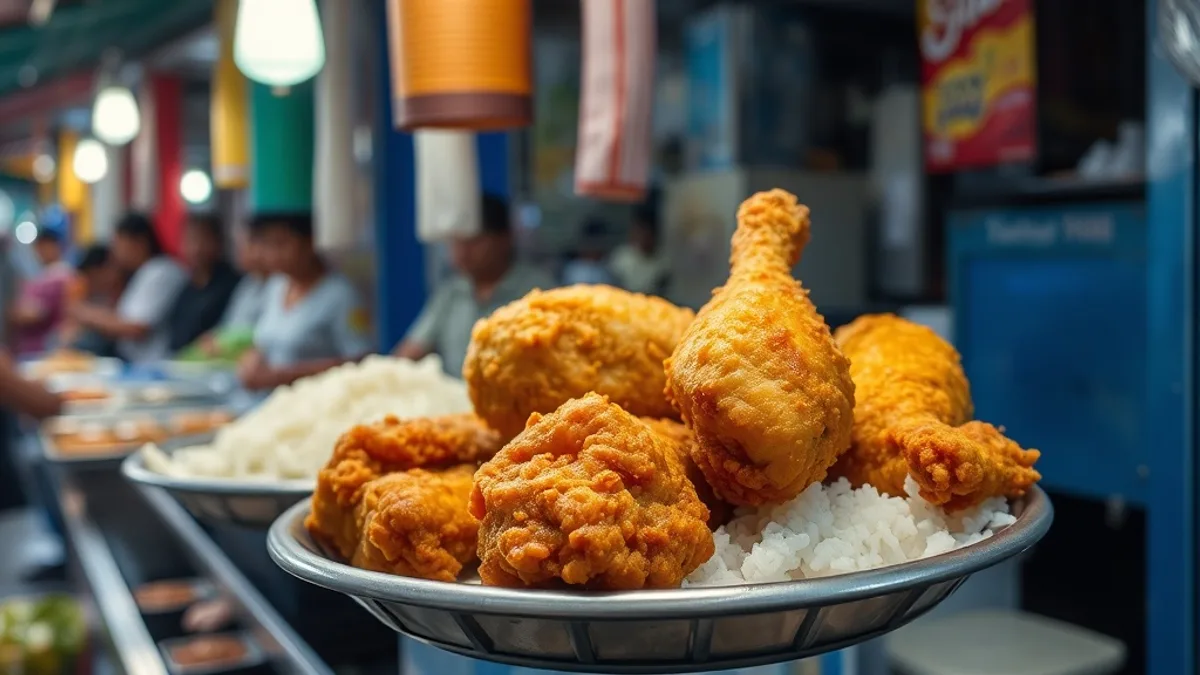
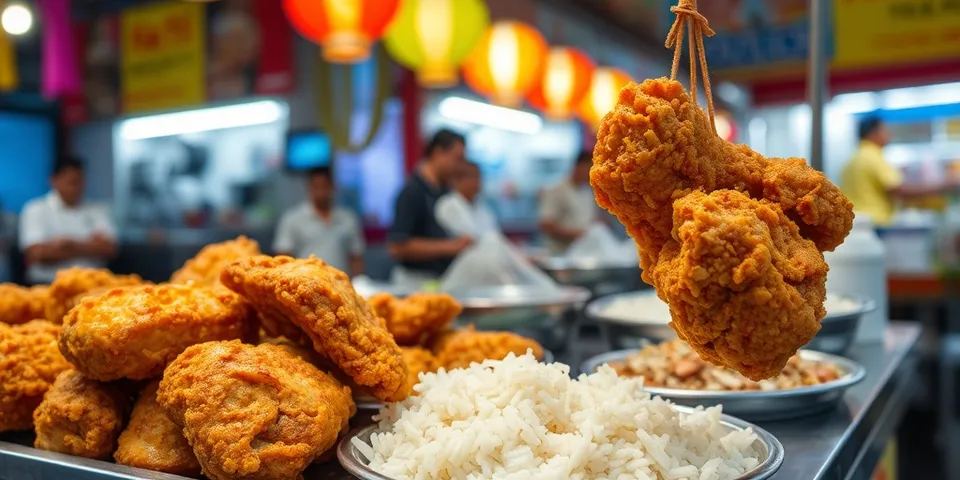
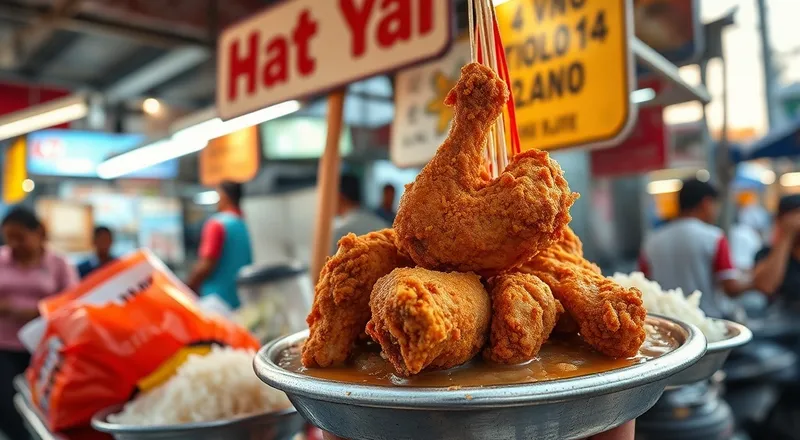
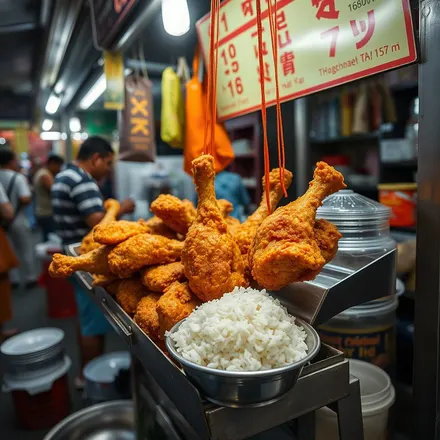
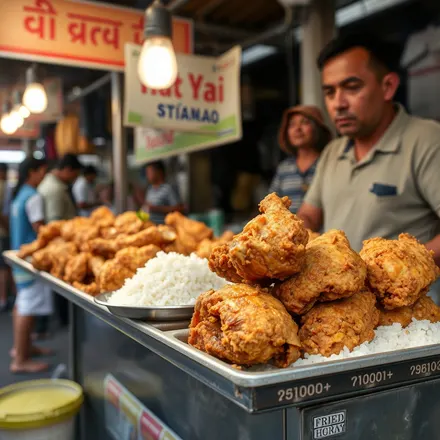
The dish that defines Hat Yai internationally is, without question, Hat Yai Fried Chicken — khao man gai thod hat yai. Distinct from the standard Thai fried chicken found throughout the country, Hat Yai's version is marinated longer, fried at a lower temperature for an extended period, and served with a specific accompaniment of sticky rice and fried shallots that no other Thai city replicates in quite the same way. The skin achieves a crackling crispness that shatters on contact while the meat beneath remains juicy and deeply flavoured. The best stalls are found on Niphat Uthit 3 Road and in the Santisuk Market area, where multiple competing vendors have refined their recipes over decades of cross-border reputation management. Portions are generous and prices are remarkably low — 50 to 80 THB for a full serving — which partly explains why Malaysian and Singaporean visitors routinely consume multiple servings in a single visit.
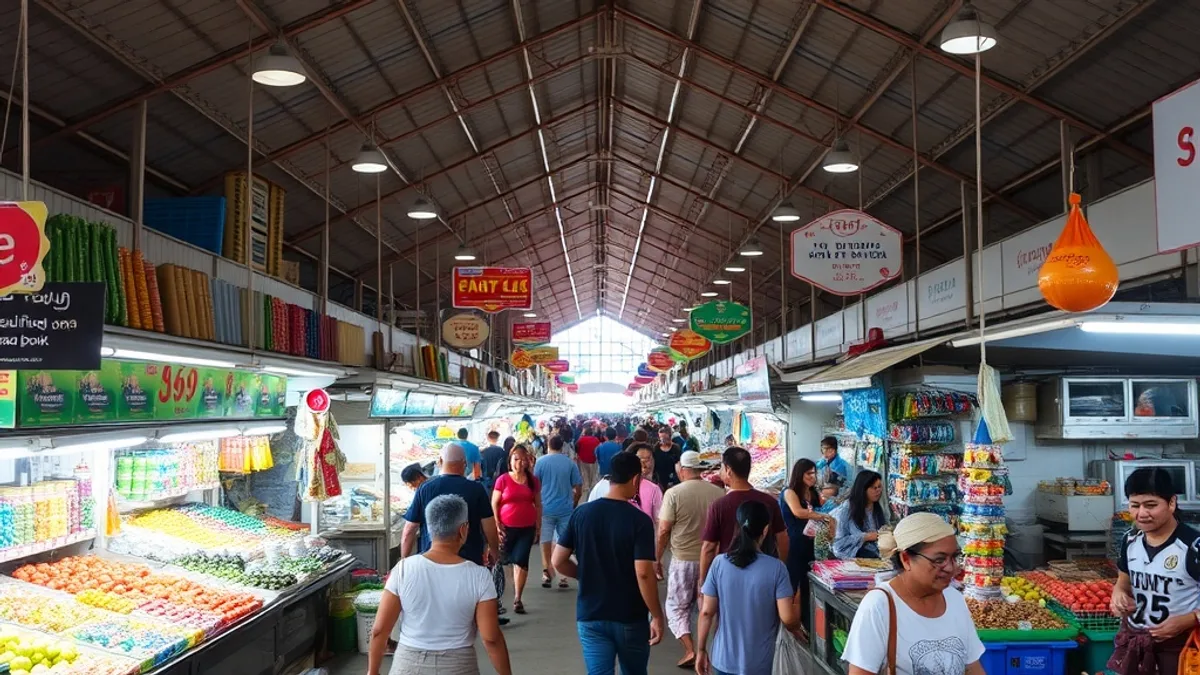
The Niphat Uthit Road complex — specifically Roads 1, 2, and 3 running parallel through the heart of Hat Yai — functions as the city's street food spine. By late afternoon the pavements fill with mobile stalls selling grilled satay, fresh-cut fruit, boiled corn, iced sugarcane juice, and a constantly rotating cast of southern Thai specialties that would be difficult to find in Bangkok or Chiang Mai. Santisuk Market, operating through the day, is the city's principal wet and dry market where local households shop and restaurant owners source ingredients. The area adjacent to the market hosts permanent food stalls specialising in dim sum, khanom jeen (fermented rice noodles with southern curry), and the pungent, addictive shrimp paste-based dishes that characterise Malay-influenced southern Thai cooking. The market's food section is best visited before 10am when produce is freshest and stall competition is at its keenest.
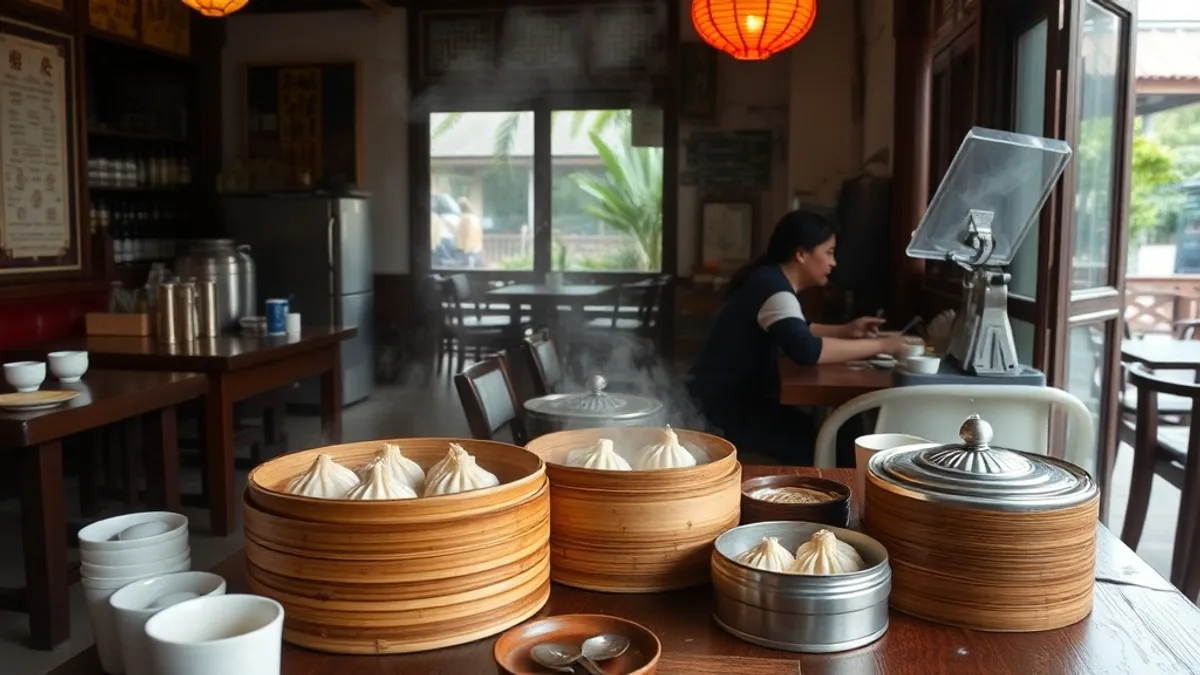
The Teochew Chinese influence on Hat Yai's food culture is profound and distinguishes the city significantly from the rest of Thailand. The city's substantial Sino-Thai population — descendants of Teochew migrants who arrived over the previous century and a half — has created a dim sum tradition that opens as early as 5am and fills large, ceiling-fan-cooled shophouses with multi-generational families sharing bamboo steamers of har gow, cheung fun, and char siu bao. This is not tourist-adapted dim sum but the genuine article, produced by cooks who learned their trade from their parents and grandparents within the same neighbourhood. Several of the most respected dim sum establishments near the Kim Yong Market area have been operating continuously for three to four decades. The city's Korean Market neighbourhood — despite its name, more accurately described as a mixed retail and food zone — hosts additional street food options including som tam variations that lean spicier than their Bangkok equivalents and grilled seafood that arrives fresh from the Gulf of Thailand each morning.
Hat Yai's Muslim food culture deserves extended attention. Approximately 30 percent of the city's population is Muslim, and the presence of this community has created a parallel food economy of exceptional quality alongside the Buddhist and Chinese culinary traditions. Roti stalls — serving the flaky, griddle-cooked flatbread with various curries, condensed milk, or banana fillings — operate from mid-morning through late night and represent some of the best value eating in the city. The southern Thai Muslim curry tradition, influenced by Malay and Indian culinary currents, produces massaman and khaeng tai pla (fermented fish curry) of a complexity and depth rarely found in tourist-area restaurants. Halal-certified restaurants near the clock tower district serve beef, goat, and chicken preparations that reflect centuries of accumulated culinary tradition. Durian season, running roughly from May to August, transforms Hat Yai into something approaching a fruit festival, with laden trucks arriving from nearby orchards and impromptu stalls selling Monthong and Chanee varieties at prices that seem implausibly low to anyone accustomed to Bangkok retail pricing.
Highlights
- Hat Yai Fried Chicken — the city's signature dish, served with sticky rice and fried shallots, 50-80 THB per serving at stalls on Niphat Uthit 3 Road
- Niphat Uthit Roads 1, 2, 3 — the street food spine of Hat Yai, active from late afternoon through midnight with dozens of rotating stalls
- Santisuk Market — the city's central wet market, surrounding food stalls open from 5am, best for dim sum, khanom jeen, and local breakfast
- Teochew dim sum halls near Kim Yong Market — open from 5am, bamboo steamer dim sum at 15-25 THB per piece, multi-generational family establishments
- Muslim roti stalls near the clock tower — flaky griddle flatbread with curry or condensed milk, 20-40 THB, open until midnight
- Halal beef and goat curries — southern Thai Muslim curry tradition with massaman and khaeng tai pla, unique to the far south
- Fresh seafood from the Gulf — grilled fish, steamed crabs, and raw oysters arriving daily from coastal suppliers, 80-150 THB per dish
- Night bazaar food courts — covered food courts near the Lee Garden area, 50-100 THB per plate, air-conditioned seating option
- Durian season (May-August) — Monthong and Chanee varieties sold from trucks at 80-150 THB per kilogram, far below Bangkok retail prices
- Weekend surge from Malaysia and Singapore — the ultimate endorsement: thousands of international visitors crossing the border specifically to eat here
Hat Yai's street food scene operates year-round with no significant seasonal disruption. The most atmospheric period is during major holidays — Chinese New Year (January-February) sees extraordinary activity around the Teochew community's celebrations, and the weeks surrounding Thai New Year (Songkran, April) bring additional local street food events. Weekends see the highest concentration of Malaysian and Singaporean visitors, which both elevates the energy of the market areas and creates queues at the most famous fried chicken stalls. If you prefer a quieter experience, weekday mornings between 7 and 10am are ideal — the dim sum halls are full of local families but the tourist crowds have not yet arrived.
Practical Information
Cost Level
Hat Yai is one of Thailand's most affordable food cities. A full breakfast of dim sum and tea costs 80-120 THB per person. A serving of Hat Yai Fried Chicken with sticky rice runs 50-80 THB. A full evening meal at a night market stall — rice dish, side dish, fresh juice, and dessert — rarely exceeds 150 THB. Sit-down seafood restaurants charge 200-400 THB per person for a substantial spread. Even the Muslim restaurants near the clock tower, which serve full curry meals with rice and multiple side dishes, charge 80-120 THB. Budget travellers can eat extraordinarily well on 300-400 THB per day; those with larger appetites and a desire to try multiple dishes at each meal should budget 500-700 THB daily for food alone.
Tips
Arrive at the dim sum halls before 7am on weekdays or 6am on weekends to secure a table without waiting — these establishments fill completely by 8am and do not take reservations. For Hat Yai Fried Chicken, visit multiple stalls rather than committing to one — each vendor has a slightly different preparation and the comparative tasting is part of the pleasure. Bring small cash denominations, as most stalls do not accept cards or QR codes. The Muslim food stalls near the clock tower are reliably open on days when Buddhist-majority establishments close for religious holidays, and vice versa. Download a translation app before arriving — English menus are rare in the local food scene, and pointing at other diners' plates or using visual menus on your phone is the most effective ordering strategy.
Our creators on the ground in Hat-yai share their best recommendations in their videos.
Creators who cover this spot
Discover YouTube creators who feature this topic in their videos.
Eat Street Repeat
Eat Street Repeat is a USA-based creator documenting Thailand's authentic street food culture since 2015.
Mark Wiens
American food travel creator based in Bangkok specializing in cinematic Thai street food and culinary documentation.
Thai Food Quest
American food enthusiast documenting Thailand's regional cuisine from Bangkok street carts to northern hill tribe recipes.
Places in this Guide
Discover the attractions and locations featured in this travel guide.
Explore Hat Yai
Hat Yai
หาดใหญ่Hat Yai is the largest city in southern Thailand and a bustling commercial hub known for its incredible street food, liv...All creators from Hat Yai →Location & Orientation
Frequently Asked Questions
What is Hat Yai Fried Chicken and how is it different from regular Thai fried chicken?
Hat Yai Fried Chicken is the city's most famous culinary export — a specific preparation involving a longer marinade (typically with garlic, white pepper, and fish sauce), frying at a controlled lower temperature for an extended period, and serving with sticky rice and crispy fried shallots rather than the plain rice accompaniment common elsewhere in Thailand. The skin achieves an extraordinary crunch while the meat retains remarkable juiciness. Several Bangkok restaurants have attempted to replicate the dish, but local Hat Yai cooks argue that water quality, oil temperature management, and the specific shallot variety grown in the south all contribute to a result that cannot be authentically reproduced outside the region. The best stalls are concentrated on Niphat Uthit 3 Road and near Santisuk Market, with prices ranging from 50 to 80 THB per full serving.
Why do so many Malaysians and Singaporeans travel to Hat Yai specifically to eat?
The cross-border food pilgrimage to Hat Yai has been a established cultural phenomenon for decades. The primary draw is a combination of outstanding food quality, prices dramatically lower than Malaysian or Singaporean equivalents, and a culinary style that blends Thai, Chinese, and Malay influences in a way that feels both familiar and distinctive to visitors from across the border. Hat Yai Fried Chicken has achieved a reputation in Malaysia and Singapore that functions almost as a brand — many visitors report making the journey specifically for this single dish before exploring the night markets and dim sum halls. The proximity helps: Hat Yai is approximately 90 minutes by express train from Butterworth (Penang), making it a practical day trip or weekend destination rather than a major travel commitment.
Are there good options for Muslim travellers in Hat Yai's food scene?
Hat Yai has an exceptionally well-developed halal food scene that reflects the city's substantial Muslim population and its location near the Thai-Malay cultural border. Halal-certified restaurants are clearly identified with green signs and are concentrated particularly near the clock tower district and the southern end of Niphat Uthit Road. The Muslim roti stalls — open from mid-morning through late night — serve some of the most acclaimed flatbread and curry combinations in southern Thailand. Southern Thai Muslim cuisine includes distinctive preparations of beef and goat with spice profiles influenced by Malay and Indian culinary traditions, massaman curry of particular depth and complexity, and the famously pungent khaeng tai pla (fermented fish curry) that adventurous eaters should make a priority.
What are the best markets to visit for street food in Hat Yai?
The three main food market areas each suit different times of day and culinary interests. Santisuk Market is the best morning destination — surrounding stalls open from 5am with dim sum, khanom jeen with southern curry, fresh fruit, and local breakfast dishes, all at prices aimed at a local rather than tourist clientele. The Niphat Uthit Road complex comes alive from late afternoon through midnight with the full range of Hat Yai street food, including the famous fried chicken stalls. The night bazaar area near Lee Garden Plaza offers a slightly more comfortable covered food court environment with a broader range of dishes and occasional air conditioning — useful during Hat Yai's hot and humid afternoon hours. The Korean Market area adds additional variety with grilled seafood and som tam variations.
What does a typical day of eating in Hat Yai cost, and what should I budget?
Hat Yai is one of Thailand's most food-affordable cities. A complete and varied eating day — dim sum breakfast, street food lunch, afternoon snacks, and a full evening market meal — costs between 400 and 600 THB for a person eating enthusiastically across multiple dishes. Individual items are priced at: dim sum pieces 15-25 THB each, Hat Yai Fried Chicken 50-80 THB per serving, rice dishes at market stalls 50-80 THB, grilled seafood 80-150 THB per dish, roti with curry 30-50 THB, fresh-cut fruit 30-50 THB per bag. Even accounting for fresh juice, dessert, and the occasional indulgence like premium durian during season, 500 THB per day represents comfortable and varied eating. Weekend visitors from Malaysia often budget more — 1,000 to 1,500 THB — to maximise the value gap with home country food prices.