Introduction
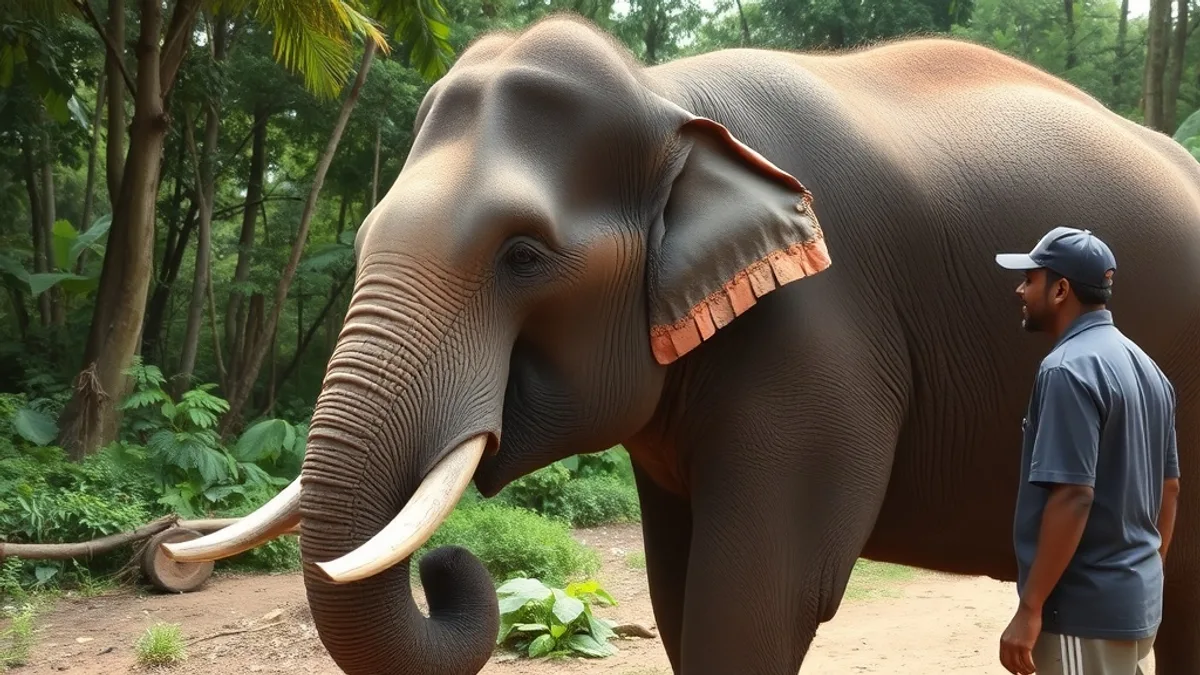
The Asian elephant holds a position in Thai culture that has no easy Western equivalent — it is simultaneously royal symbol, agricultural partner, spiritual guardian, and ecological keystone species. For centuries, elephants and their mahout keepers lived in a relationship of mutual dependence that shaped entire communities and defined what was possible in the Thai landscape. That relationship has been profoundly disrupted by the twentieth century, and many of Thailand's working elephants now exist in conditions that bear no resemblance to the dignified partnership of the past. The growth of ethical elephant tourism over the past decade represents a genuine attempt to restore something closer to that original relationship — to give retired working elephants a life of appropriate freedom, nutrition, and medical care, while allowing visitors to observe and learn in a way that benefits rather than harms the animals. Near Ayutthaya, several establishments represent this shift with varying degrees of authenticity, and choosing thoughtfully matters both for your own experience and for the elephants' welfare.
Overview
Elephant Stay, located approximately 20 kilometres north of Ayutthaya's historic island near Bang Pa-In, is one of Thailand's most distinctive and genuinely educational elephant experiences. Unlike the majority of elephant attractions in Thailand, Elephant Stay operates as a working mahout community where visitors live and work alongside the elephant keepers. The experience prioritises observation and understanding over riding: guests learn the elephants' names, personalities, and histories; they prepare food and accompany the mahouts on the daily forest walk; and they observe veterinary care being administered. The residential programme runs three to seven days and provides an unusually deep insight into the real texture of mahout culture. Day visitors are also accepted with advance booking (approximately 2,500-3,500 THB), though the residential experience is significantly richer.
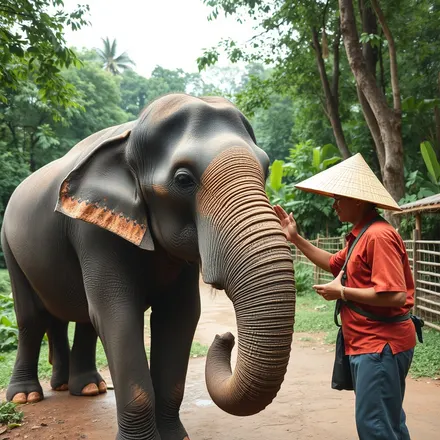
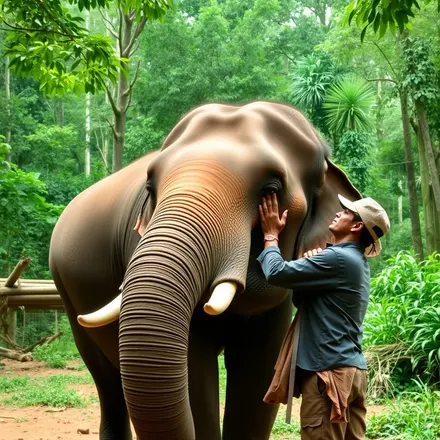
Baan Chang Elephant Park, also in the Ayutthaya region, offers a more structured day programme (1,500-2,500 THB) that includes feeding, bathing with the elephants in the river, and a guided walk through the forest. The park's approach specifically avoids riding on the neck saddle (the ankus-driven practice that is widely recognised as harmful) and focuses on natural interaction. The mahouts who work at Baan Chang have multi-generational relationships with their elephants, and visitors can observe this intimacy directly. Morning feeding sessions — when elephants receive their daily allowance of sugar cane, bananas, and specially prepared rice balls — are the most engaging element of most programmes.
Evaluating any elephant venue requires looking beyond the marketing language. Establishments that genuinely prioritise animal welfare share several characteristics: no riding on wooden saddles mounted on the elephant's spine; no chains used for tethering except during sleeping hours when necessary for safety; elephants of appropriate body weight with no visible wounds or pressure sores; staff interactions that involve communication rather than hooks or sticks; and enough space for the animals to move, forage, and socialise. The Global Sanctuary for Elephants and World Animal Protection both publish guidance on what constitutes an ethical programme, and their criteria are worth reviewing before booking.
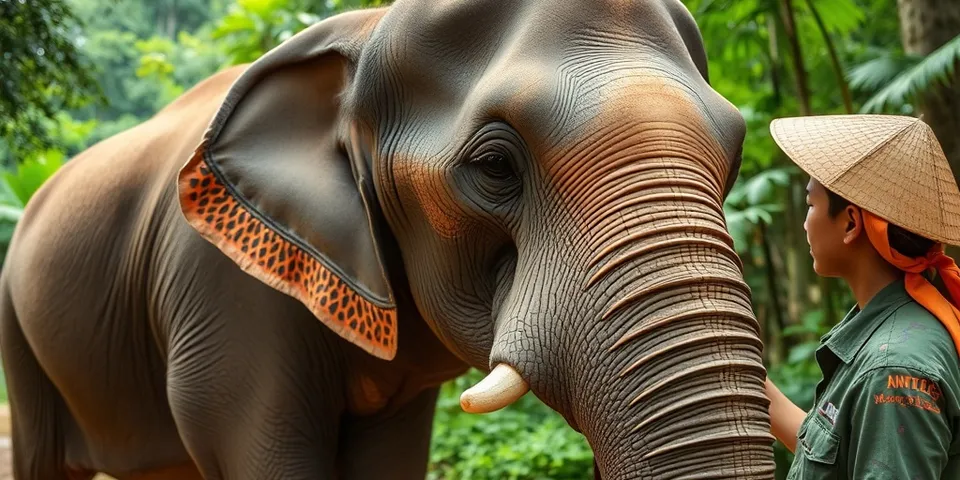
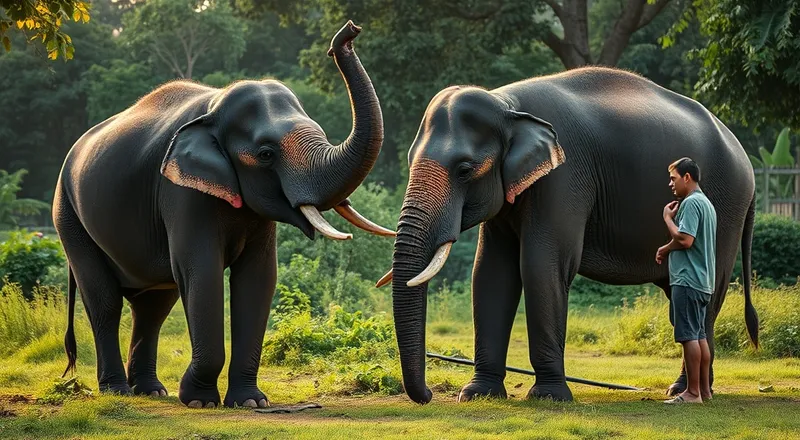
The mahout tradition itself — the hereditary occupation of elephant keeping passed through families across generations — is worth understanding as a context for any elephant visit near Ayutthaya. A mahout typically works with one or two elephants for their entire career, developing a relationship that can span three to four decades. The bond between mahout and elephant is not sentimental but practical: each party learns to read the other's moods, communicate preferences, and work cooperatively. Watching this interaction at close range — particularly in the evening when the day's work is finished and the elephants are relaxed — is one of the most moving experiences available to a traveller in Thailand. Combining a morning at an elephant sanctuary with an afternoon exploring the ruins of the ancient capital creates a day that ranges across very different aspects of Thai cultural and natural history.
Highlights
- Join Elephant Stay's immersive mahout community programme and live alongside elephant keepers for several days
- Watch morning feeding at Baan Chang Elephant Park — sugar cane, bananas, and rice balls handed directly to the elephants
- Learn to evaluate ethical elephant venues using internationally recognised welfare criteria before booking
- Observe the decades-long bond between individual mahouts and their elephants during the daily forest walk
- Participate in river bathing with elephants at an ethical facility during the dry season months
- Understand mahout culture as a hereditary Thai tradition spanning multiple generations of the same families
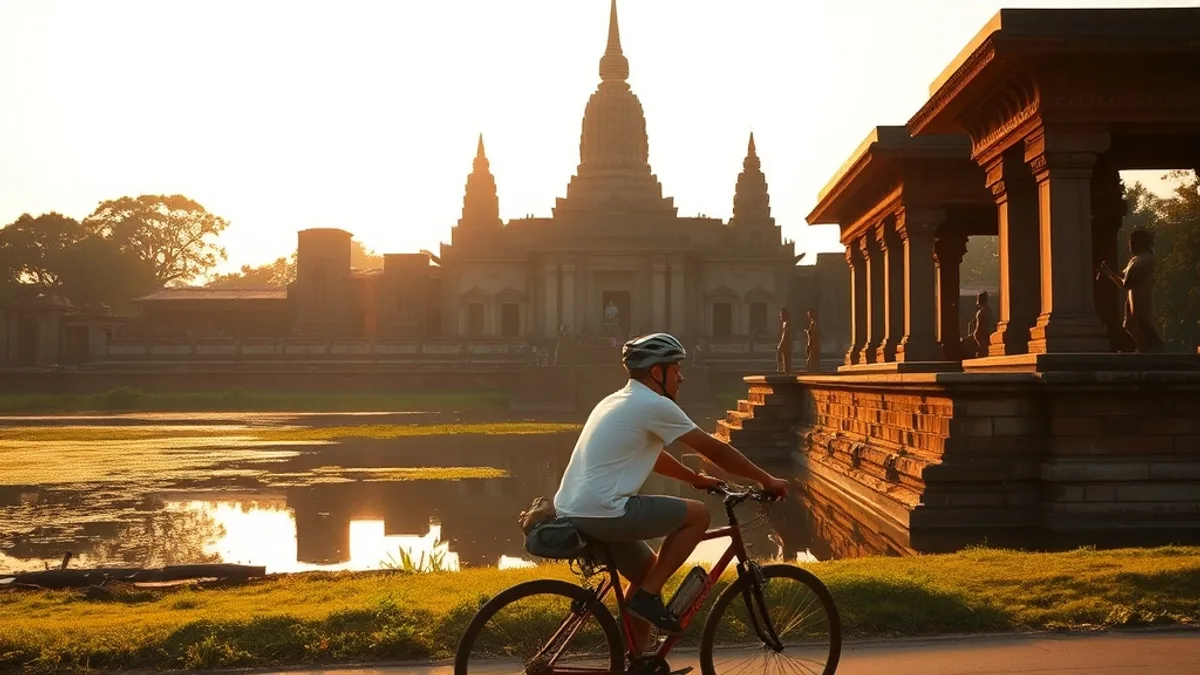
- Combine a morning elephant sanctuary visit with an afternoon cycling the Ayutthaya historical park ruins
- Photograph elephant and mahout interactions at close range without the barrier of performance staging
November to February is the ideal season for elephant sanctuary visits: cooler temperatures make outdoor activities more comfortable for both visitors and animals, and the mornings are particularly atmospheric. River bathing programmes are most enjoyable in the dry season when water levels are predictable. Avoid visiting during the hottest months of March to May when elephants are more lethargic and outdoor activities are exhausting. Most sanctuaries run year-round and their core programmes are not weather-dependent. Book well in advance for peak season visits, particularly for Elephant Stay's residential programme which has limited capacity.
Practical Information
Cost Level
Baan Chang Elephant Park day programmes cost approximately 1,500-2,500 THB per person depending on programme duration and activities included. Elephant Stay day visits run 2,500-3,500 THB; the residential multi-day programme is priced from around 4,000-7,000 THB per day all-inclusive. Transport from Ayutthaya historic island to the sanctuary venues costs approximately 200-400 THB each way by taxi or songthaew. Avoid the cheapest elephant venues in the Ayutthaya area as low prices frequently correlate with poor animal welfare standards.
Tips
Wear modest, comfortable clothing in dark or neutral colours — elephants can be startled by bright colours and sudden movements. Do not apply perfumed products before visiting as strong scents can agitate the animals. Leave backpacks and bags at the facility entrance as these attract curious elephant trunks. Bring your own refillable water bottle; most ethical sanctuaries have fill stations. For residential programmes at Elephant Stay, bring a headtorch for early morning mahout activities, lightweight long trousers for forest walks, and be prepared for basic accommodation. Tipping mahouts directly (200-500 THB) is appropriate and appreciated.
Our creators on the ground in Ayutthaya share their best recommendations in their videos.
Creators who cover this spot
Discover YouTube creators who feature this topic in their videos.
Adventures Joel
British adventure vlogger exploring Thailand by motorbike.
Global Travel Mate
Jeroen is a Dutch expat documenting Bangkok's urban landscape through bicycle exploration and cultural observation.
travelventure
Marie & Jan
travelventure – Groesster deutschsprachiger Reise-Creator auf YouTube.
Places in this Guide
Discover the attractions and locations featured in this travel guide.
Explore Ayutthaya
Ayutthaya
อยุธยาAyutthaya, the ancient capital of the Siamese kingdom, is a UNESCO World Heritage Site renowned for its majestic temple ...All creators from Ayutthaya →Location & Orientation

Frequently Asked Questions
What is the difference between an ethical elephant sanctuary and a standard elephant camp?
The key distinctions involve how the elephants spend their time and how they are treated. At ethical sanctuaries, elephants are not forced to perform — there is no elephant show with painting, football, or choreographed displays. Riding on wooden saddles mounted on the spine is absent, as this practice causes spinal damage over time. Elephants can roam freely within a large area, forage for natural food, and socialise with other elephants. Chains are minimised to safety needs only. At less ethical venues, you will typically see performance elements, spine-mounted riding, and elephants chained for extended periods. The price difference between the two types reflects the genuine cost of providing proper care and space.
Is Elephant Stay suitable for children?
Elephant Stay's day visitor programme is suitable for children aged approximately 7 and over who can follow basic safety instructions around large animals. The residential programme is generally aimed at adults and older teenagers due to the early morning hours and physical nature of mahout activities. Children typically respond enthusiastically to the feeding and forest walk elements. The key requirements are that children remain calm around the elephants, do not run or make sudden loud movements, and follow the mahout's instructions immediately. Most children find the experience profoundly memorable. Contact the specific sanctuary in advance to confirm their age and supervision requirements for children.
How do I get from Ayutthaya historic island to the elephant sanctuaries?
Elephant Stay is located near Bang Pa-In, approximately 20 kilometres south of the historic island. By taxi from the island, the journey takes 25-35 minutes and costs approximately 300-400 THB. Tuk-tuks can also make the journey for around 200-300 THB but the journey is less comfortable at speed on the highway. Baan Chang Elephant Park is located northeast of the city near Ban Phaen and is accessible by taxi in around 30 minutes (200-350 THB). Most sanctuary operators can arrange transport from Ayutthaya town or from Bangkok with advance notice, typically for an additional 500-800 THB. Organising transport in advance through your accommodation is advisable.
What is a mahout and how do they relate to their elephants?
A mahout is an elephant keeper — a person whose professional life is devoted to the care, training, and working relationship with one or a small number of Asian elephants. In the traditional Thai system, mahout families worked with specific elephant lineages across multiple generations, creating bonds of familiarity that spanned decades. A mahout typically develops a comprehensive understanding of their individual elephant's personality, preferences, health patterns, and communication signals over years of daily proximity. The relationship involves genuine communication: elephants respond to specific verbal commands, sounds, and physical touches from their mahout that they may not recognise from strangers. Watching a mahout and a long-term elephant companion interact is a window into one of the most unusual forms of inter-species partnership in the world.
Should I avoid elephant riding entirely when visiting Ayutthaya?
The consensus among animal welfare organisations including World Animal Protection, Elephant Nature Park, and the Global Sanctuary for Elephants is clear: riding on a wooden saddle or howdah mounted on an elephant's back causes chronic spinal damage and should be avoided. The mahout-style neck riding seen at some traditional programmes is less structurally harmful but still involves significant control through fear and habituation rather than genuine consent from the animal. The richest and most ethically sound elephant experiences — feeding, forest walks, observation at close range, and mahout interaction — do not require riding at all and are genuinely more intimate and educational. The evolution of elephant tourism in Thailand is moving decisively in this direction.